What Are The Tools For Digging: Best Tools Guide
The main tools for digging are shovels, spades, post-hole diggers, mattocks, picks, trowels, augers, and excavators.
Knowing what are the tools for digging helps you choose the right tool for soil type, hole size, depth, and job safety. This guide explains how each tool works, when to use it, and which common mistakes to avoid.
What Are the Tools for Digging?
Digging tools help people break, loosen, move, shape, or remove soil. Some tools are made for small garden tasks, while others are built for trenches, foundations, farms, and large construction sites.
The best choice depends on three simple factors:
• The type of soil, such as sand, clay, gravel, or rocky ground
• The size and depth of the hole
• The amount of force and control the job needs
For example, a hand trowel works well for planting flowers. It would be a poor choice for digging a deep fence-post hole. A shovel may work for loose soil, but a mattock or pick is better for hard, packed ground.
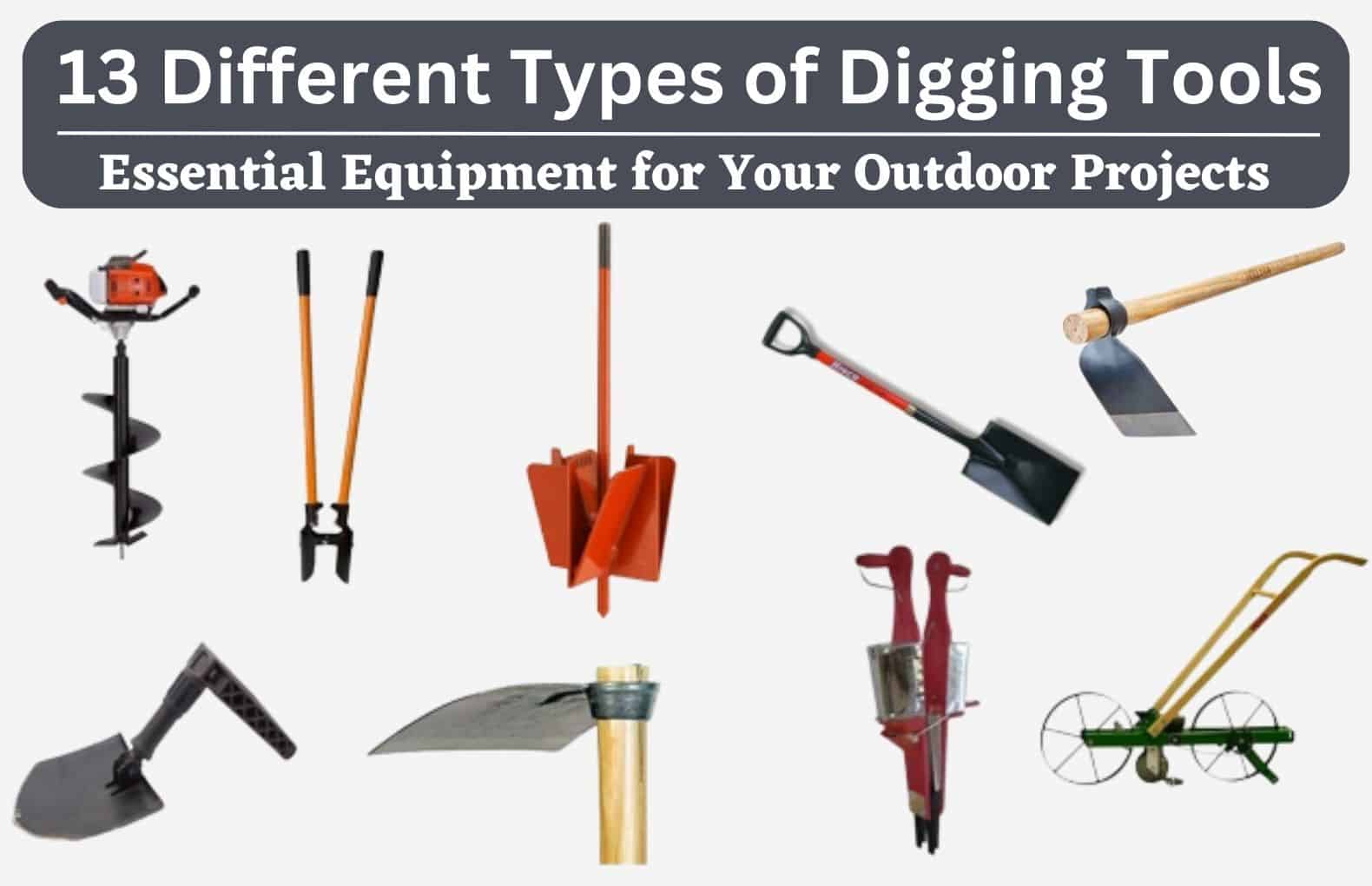
The most useful digging tools include:
• Shovels
• Spades
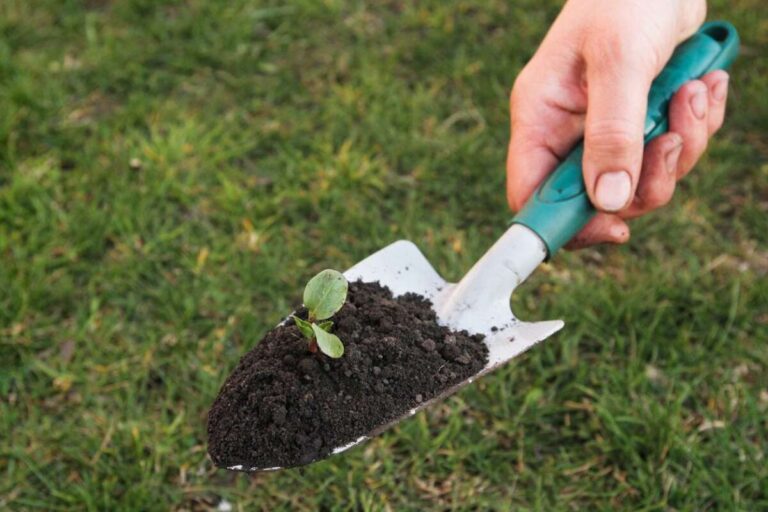
• Garden trowels
• Post-hole diggers
• Mattocks
• Picks
• Hoes
• Hand cultivators
• Augers
• Trenching shovels
• Drain spades
• Wheelbarrows
• Backhoes and excavators
Hand Tools for Digging
Hand tools are affordable, easy to control, and useful for most home and garden work. They do not need fuel or electricity, which makes them reliable in remote areas.
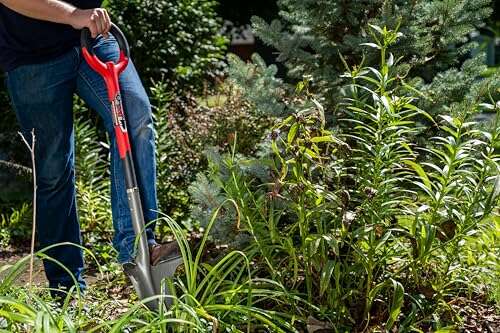
Shovels
A shovel has a broad blade and a slightly curved shape. It is made to scoop and move soil, mulch, compost, snow, or loose materials.
Common shovel types include:
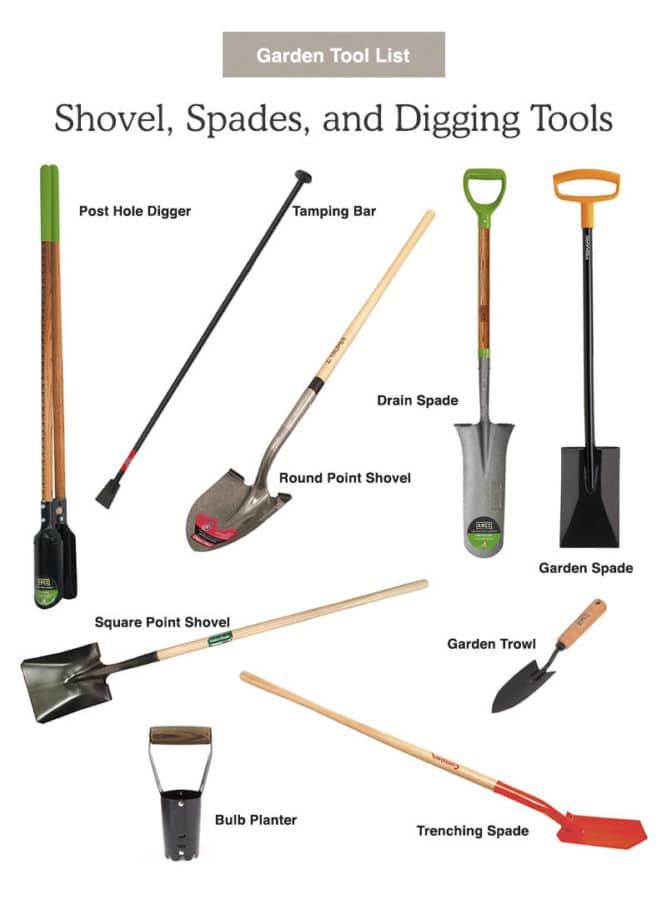
• Round-point shovel: Best for general digging and cutting into soil
• Square-point shovel: Useful for moving loose soil and leveling surfaces
• Scoop shovel: Designed for light materials such as mulch or grain
• Drain spade: Good for narrow trenches and planting in tight spaces
• Trenching shovel: Made for slim, deep channels
A round-point shovel is often the best all-purpose digging tool for homeowners. Its pointed tip enters the soil more easily than a flat blade.
Spades
A spade has a flat, straight blade. It is designed for cutting edges, slicing roots, turning soil, and making clean garden beds.
A spade is often better than a shovel when you need a neat shape. Gardeners use it to divide plants, cut sod, and create straight borders.
The terms “shovel” and “spade” are often used in the same way. Technically, a shovel usually scoops, while a spade cuts and lifts soil.
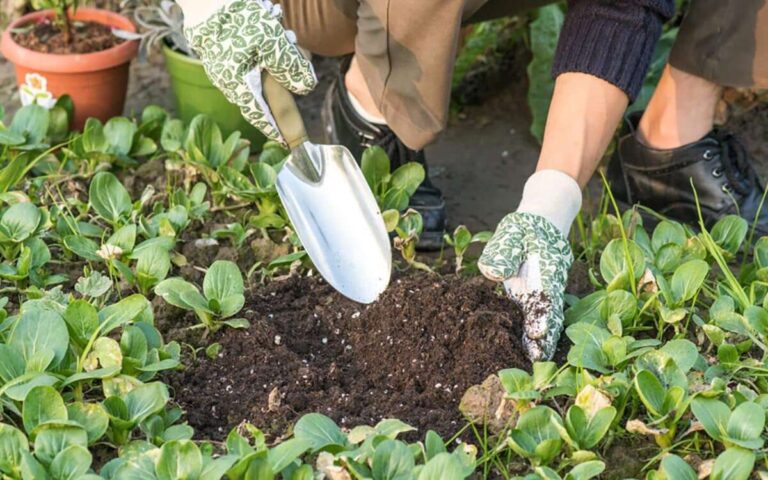
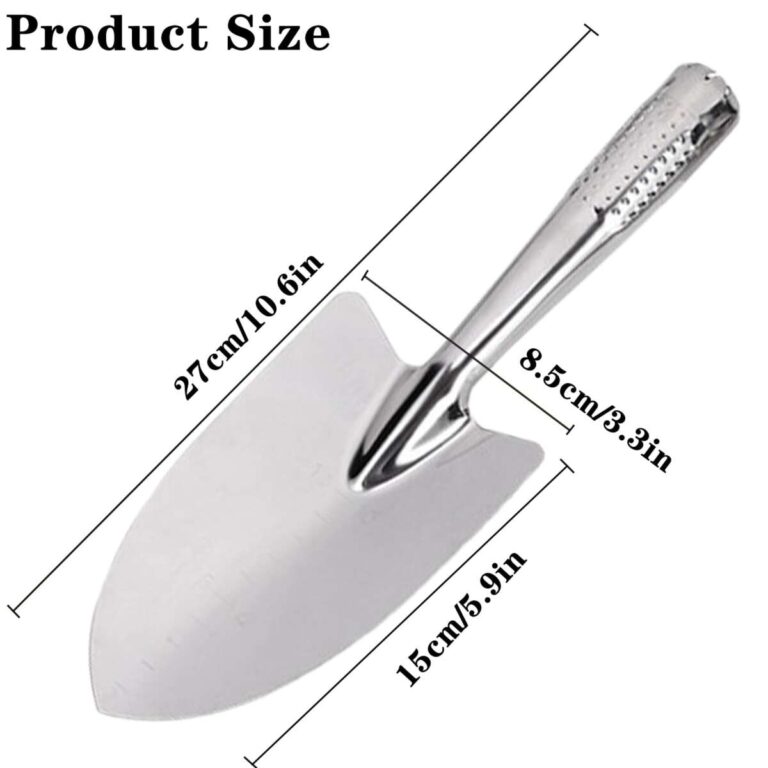
Garden Trowels
A garden trowel is a small handheld tool with a narrow or wide blade. It is used for:
• Planting flowers and vegetables
• Digging small holes
• Removing weeds
• Mixing soil in containers
• Transplanting seedlings
Choose a trowel with a strong metal blade and a comfortable grip. A weak blade can bend when it meets roots or compacted soil.
Post-Hole Diggers
Post-hole diggers are made to create narrow, deep holes for fence posts, signs, mailboxes, and small structural posts.
The tool has two long handles connected to two curved blades. You push the blades into the soil, close them around the dirt, and lift the soil out.
Post-hole diggers work best in soft to medium soil. They become difficult to use in heavy clay, rocky ground, or soil filled with thick roots.
Mattocks
A mattock combines a cutting blade with a pick or digging blade. It is one of the best hand tools for hard soil.
A mattock can:
• Break compacted clay
• Cut through roots
• Loosen gravel
• Open new garden beds
• Remove old sod
A mattock needs space to swing, so use it carefully around people, pets, pipes, and plants.
Picks
A pick has a pointed end and sometimes a flat or chisel-shaped end. It breaks hard soil, stone, concrete, and packed gravel.
Pickaxes require more effort than shovels, but they can do work that a shovel cannot. Use controlled swings instead of wild, powerful strikes. Good technique reduces strain and improves accuracy.
Digging Tools for Gardens and Landscaping
Garden and landscaping work often needs tools that offer more control than raw force. The goal is not only to remove soil. It is also to protect roots, shape beds, and leave a clean finish.
Hoes
A hoe cuts and loosens shallow soil. It is useful for:
• Removing small weeds
• Breaking a thin soil crust
• Making planting rows
• Mixing compost into the top layer
• Shaping garden beds
A hoe is not a good tool for deep excavation. It works best near the soil surface.
Hand Cultivators
A hand cultivator has three or more metal prongs. It loosens soil around plants without moving large amounts of dirt.
This tool is helpful in flower beds and containers. It can also remove shallow weeds, but take care not to damage plant roots.
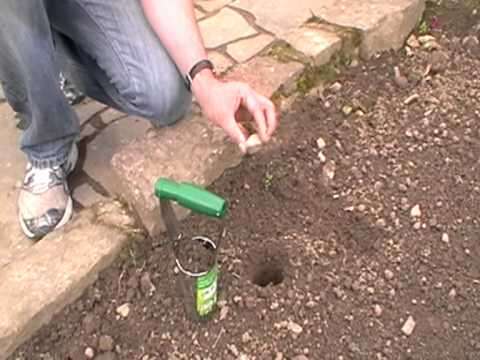
Bulb Planters
A bulb planter makes a round hole with a consistent depth. It saves time when planting tulips, daffodils, garlic, and other bulbs.
Some bulb planters have depth markings. These markings help you plant bulbs at a suitable depth without measuring each hole.
Soil Knives
A soil knife has a sharp edge and a pointed blade. Gardeners use it to cut roots, open bags, remove weeds, and divide plants.
Wear gloves when using a soil knife. Keep the blade clean and store it safely after use.
Drain Spades
A drain spade has a long, narrow blade. It is useful for digging:
• Irrigation channels
• Drainage trenches
• Planting holes
• Narrow spaces beside walls
• Cable paths
Its narrow shape gives you better control in crowded areas. However, it removes less soil with each stroke.

Specialty Tools for Deep or Narrow Holes
Some digging jobs need a special tool. Using the wrong tool can turn a quick task into a tiring and frustrating one.
Augers
An auger uses a rotating bit to drill into soil. Manual augers work with a handle, while powered augers use an engine or motor.
Augers are useful for:
• Fence-post holes
• Tree planting
• Soil sampling
• Deck supports
• Small foundation work
An auger can save time in soft soil. It may struggle with large rocks, thick roots, or very wet clay.
Trenching Shovels
A trenching shovel creates narrow, clean channels. It is useful for irrigation lines, drainage pipes, landscape edging, and low-voltage cables.
Before digging, contact the appropriate utility-locating service in your area. In the United States, calling 811 helps identify buried utility lines before excavation begins.
Post Drivers
A post driver does not remove soil. Instead, it drives a metal or wood post into the ground.
It is useful when the soil is soft enough to accept the post. For hard soil, first create a pilot hole with a digging bar or post-hole tool.
Digging Bars
A digging bar is a long, heavy metal bar with a pointed or flattened end. It breaks rocks, loosens hard soil, and helps pry out roots.
A digging bar is powerful but tiring. Use both hands, keep your feet stable, and avoid placing your face over the work area.

Powered and Heavy Equipment for Digging
Large digging jobs often require powered equipment. These machines can move much more soil than hand tools, but they also create greater risks.
Electric and Gas-Powered Augers
Powered augers are faster than manual models. They are commonly used for fence posts, landscaping, and light construction.
Use a two-person method when the manufacturer recommends it. The auger can twist suddenly if the bit hits a buried rock or root.
Mini Excavators
A mini excavator has a boom, arm, bucket, and rotating body. It can dig trenches, remove stumps, shape land, and load soil.