What Is A Hand Spade Used For: Best Uses And Tips
A hand spade is used for digging, planting, weeding, transplanting, and working small areas of garden soil.
Knowing what is a hand spade used for helps you choose the right tool for everyday garden work. This small tool gives you control where a full-size shovel feels too large. From planting bulbs to lifting weeds, a hand spade can make careful work faster, cleaner, and kinder to nearby roots.
What Is a Hand Spade?
A hand spade is a small, handheld digging tool with a short handle and a metal blade. The blade may be narrow and pointed or broad and slightly curved. Gardeners use it with one hand for tasks that need care and control.
The words hand spade and hand trowel often describe the same tool in the United States. Some people use “spade” for a flat-edged blade and “trowel” for a pointed garden blade. Names can vary by region and brand, so the blade shape matters more than the label.
A full-size spade is made for turning large areas of soil. A hand spade is made for close work, such as planting one flower, removing one weed, or digging in a pot.

What Is a Hand Spade Used For?
The main use of a hand spade is to dig and move small amounts of soil. Its compact size lets you work around plants without damaging stems, roots, or ground covers.
Here are the most common uses:
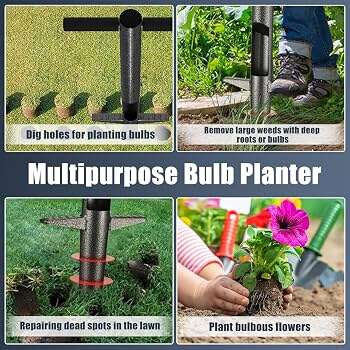
• Planting flowers, herbs, vegetables, and small shrubs in beds or containers
• Digging holes for bulbs, seedlings, and young plants
• Transplanting plants from one place to another
• Removing weeds and their roots
• Loosening compact soil in small spaces
• Mixing compost, fertilizer, or potting soil
• Scooping soil into pots and planters
• Creating shallow trenches for seeds
• Dividing small clumps of perennials
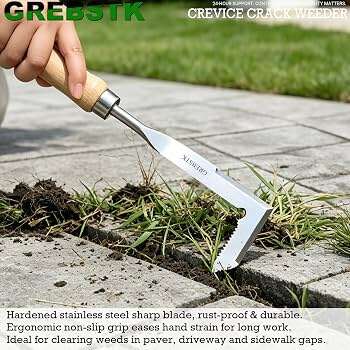
• Scraping moss or light plant growth from narrow gaps
The answer to what is a hand spade used for also depends on the blade shape. A pointed blade works well in firm soil. A broad blade moves more soil at once. A narrow blade is useful between crowded plants.
In my own garden work, I reach for a hand spade before a shovel when planting small plants. It feels like using a kitchen spoon instead of a serving spoon. You get more control and make less mess.

How to Use a Hand Spade Correctly
Learning what is a hand spade used for is only the first step. Good technique protects both your plants and your hands.
Follow these simple steps:
- Mark the spot where you want to dig.
- Hold the handle firmly, but do not squeeze it too hard.
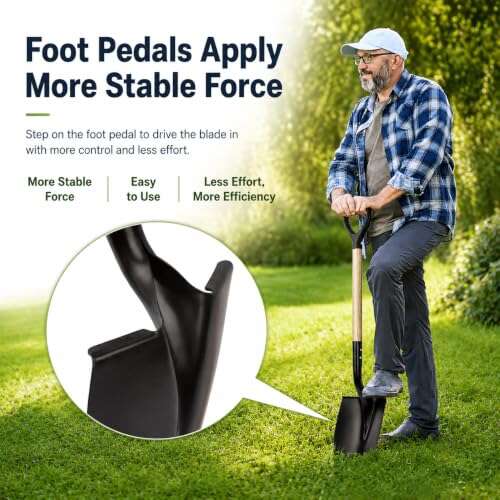
- Push the blade into the soil with your palm or foot if the tool is built for foot pressure.
- Tilt the handle back slightly to lift the soil.
- Remove only the amount of soil you need.
- Place the plant at the correct depth.
- Fill the hole and press the soil gently around the roots.
- Water the area if the plant needs moisture after planting.
Do not force a thin hand spade into hard, dry ground. Water the soil first and wait a little while. If the soil is full of roots, use a stronger digging tool instead of twisting the hand spade.
Keep your wrist straight while digging. Let your arm and shoulder do the work. This reduces strain and gives you better control.

Using a Hand Spade for Planting
Planting is one of the clearest answers to what is a hand spade used for. The blade creates a hole that matches the size of a plant’s root ball or bulb.
For bedding plants, dig a hole slightly wider than the root ball. The top of the root ball should usually sit level with the surrounding soil unless the plant label says otherwise. A hole that is too deep can keep the crown of some plants wet and increase the risk of rot.
For bulbs, use the hand spade to make a hole at the depth listed on the package. As a general guide, many bulbs are planted at about two to three times their height, but soil type and bulb variety can change this rule.
A hand spade also works well for:
• Planting lettuce, basil, parsley, and other small herbs
• Setting strawberry plants into raised beds
• Making holes for annual flowers
• Planting garlic cloves
• Moving young vegetable seedlings
• Filling window boxes and small containers
Use the blade to firm soil around the roots, but do not pack the soil like concrete. Roots need water, air, and room to grow.

Using a Hand Spade for Weeding
Weeding is another important answer to what is a hand spade used for. The blade can loosen soil around a weed and help you remove the root instead of only cutting the leaves.
Push the blade beside the weed. Angle it below the main root, then lift gently. For weeds with long taproots, you may need to repeat this from two sides. Removing more of the root can reduce regrowth, although some weeds may return from small root pieces.
A hand spade is especially useful around:
• Vegetable seedlings
• Rose bushes
• Herbs
• Shallow-rooted flowers
• Patio containers
• Raised beds
Avoid pulling hard near young plants. A weed and a crop may share the same soil space, and a quick tug can disturb both root systems. Work slowly when stems are close together.
Weed when the soil is slightly damp. Dry soil is hard to penetrate, while very wet soil can smear and compact under pressure.

Using a Hand Spade in Containers and Raised Beds
What is a hand spade used for in container gardening? It is used for nearly every basic soil task, from filling pots to removing old roots.
A hand spade helps you:
• Scoop potting mix into a container
• Make a planting hole
• Blend compost into the top layer
• Remove spent plants
• Loosen soil near the pot edge
• Divide crowded herbs or flowers
In raised beds, the tool gives you control in narrow rows. You can prepare soil without stepping into the bed and compressing it. This matters because loose soil has better air spaces for roots and water movement.
Be careful with fabric pots and thin plastic containers. A sharp blade can tear the fabric or scratch the pot. Use the back of the blade or your fingers near the container wall.