How To Remove Weeds From Cracks: Easy Lasting Methods
Pull weeds by the roots, clean the crack, then seal it to stop new growth.
Weeds in driveway, sidewalk, patio, and brick cracks are more than an eyesore. Their roots can widen small gaps, trap moisture, and make hard surfaces harder to maintain. Learning how to remove weeds from cracks safely means choosing the right method for the weed, surface, and size of the problem.
This guide explains proven ways to remove weeds from cracks, from simple hand tools and boiling water to careful use of herbicides. You will also learn how to prevent weeds from returning, avoid common mistakes, and protect nearby grass, pets, and garden plants.

Why weeds grow in cracks
Cracks collect the things plants need to survive. Wind carries seeds into these small spaces, where dust, sand, leaf bits, and rain create a thin layer of soil.
Even a narrow crack can hold enough moisture for a weed seed to sprout. Some weeds also spread through roots or stems, so removing only the visible leaves may not solve the problem.
Common causes include:
• Windblown seeds settling in gaps
• Soil washing into cracks after rain
• Fallen leaves and grass clippings breaking down into compost
• Poor drainage around patios and driveways
• Cracks that stay damp or shaded
• Loose joints between pavers
Cracks are especially friendly to tough weeds such as crabgrass, dandelions, plantain, purslane, and moss. Broadleaf weeds often have strong taproots, while grasses may spread through runners or deep fibrous roots.
The sooner you remove weeds from cracks, the easier the job becomes. Small seedlings usually have weak roots. Mature weeds may require several treatments or a tool that reaches deep below the surface.

Tools and supplies you may need
The best tool depends on the size of the crack and the type of surface. A narrow joint between pavers needs a different approach than a wide, broken section of concrete.
Gather these supplies before you begin:
• Gardening gloves
• Knee pads or a small garden mat
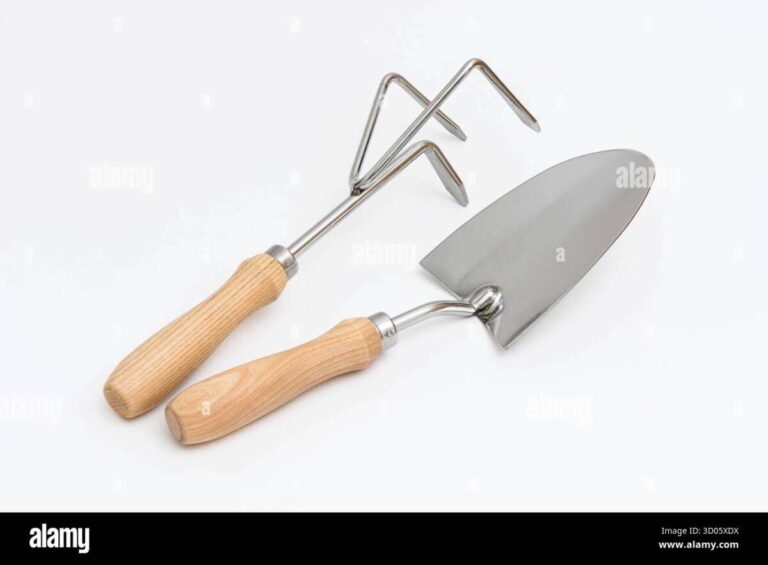
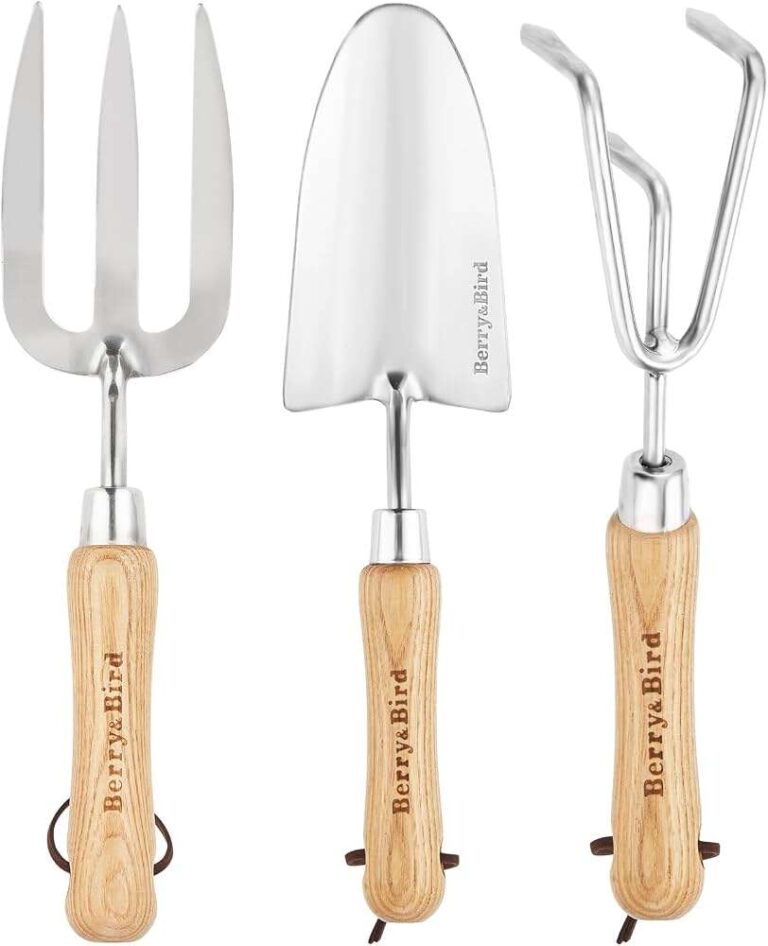
• Hand weeder, crack weeder, or old flat screwdriver
• Stiff wire brush
• Broom and dustpan
• Bucket of water
• Kettle or heat-safe container
• Garden hose with a strong spray setting
• Jointing sand or polymeric sand
• Safety glasses
• Herbicide, if needed and labeled for the site
A crack weeder with a thin, hooked blade works well because it slides below the crown of the plant. A screwdriver can also help, but use care. Pushing hard against brittle concrete or old mortar may cause more damage.
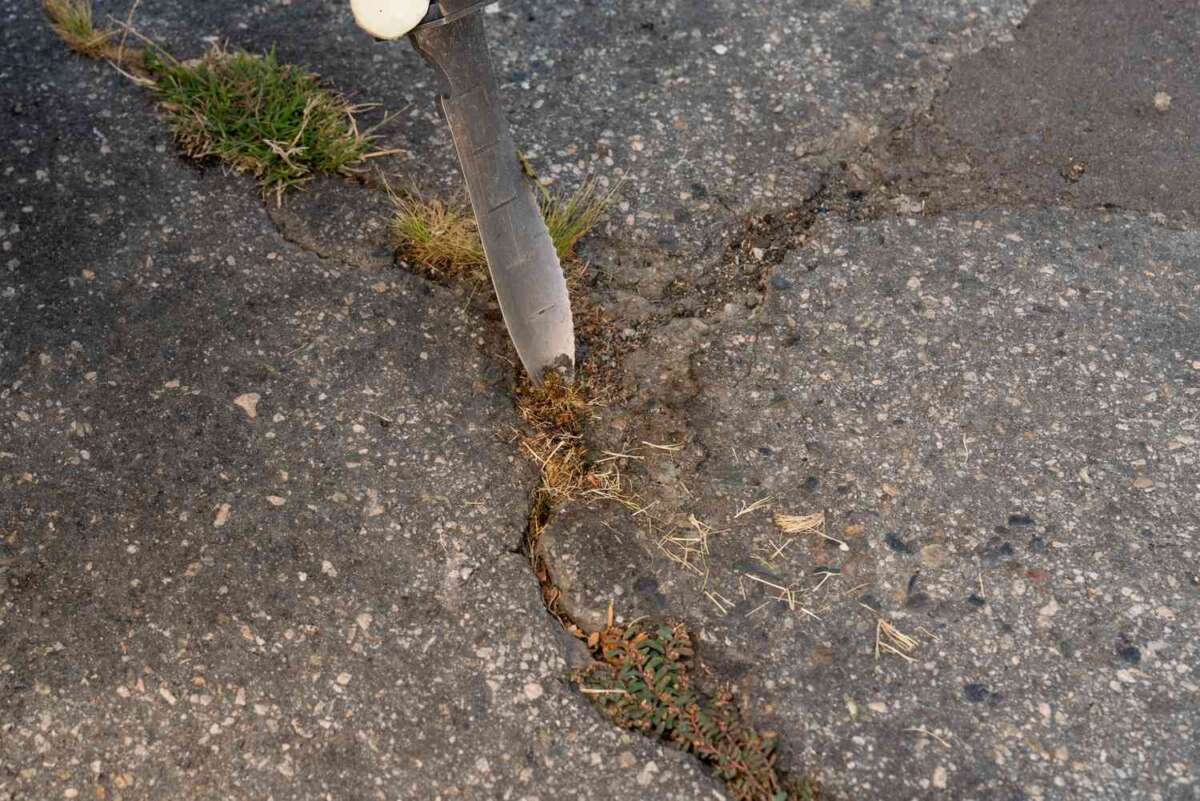
Avoid using household tools that can snap or slip. A dull kitchen knife is unsafe and usually does not reach the root. Good gloves also matter because weeds can hide sharp seeds, thorns, insects, or irritating plant sap.

How to remove weeds from cracks by hand
Hand removal is the safest first choice for most driveways, patios, sidewalks, and garden paths. It works best after rain or watering because moist soil releases roots more easily.
Follow these steps:
-
Clear loose dirt and leaves from the crack with a broom.
-
Grip the weed as close to the base as possible.
-
Push a crack weeder beside the root.
-
Loosen the soil with a gentle rocking motion.
-
Pull upward slowly and steadily.
-
Check the crack for broken roots.
-
Brush out remaining soil and plant pieces.
Pulling too fast often breaks the stem above the root. The weed may look gone, but the root can send up new growth. Think of the root as an underground anchor. You need to loosen the anchor, not just cut the rope.
For weeds with a deep taproot, such as dandelions, use a long narrow weeder. Push the tool several inches into the soil beside the root. Work around the root before lifting the plant.
For creeping weeds, remove every piece you can find. Small stem sections left in damp cracks may grow again.
When learning how to remove weeds from cracks, timing makes a major difference. Work in spring or early summer while weeds are young and before they produce seeds.

Use boiling water for small cracks
Boiling water can kill many young weeds without synthetic herbicide. It works through heat damage to the leaves and growing points.
Slowly pour boiling water over the weed and into the crack. Use enough water to wet the plant and its root zone, but avoid splashing nearby plants.
This method works well on:
• Isolated weeds in concrete cracks
• Gravel paths
• Driveway edges
• Weeds growing between pavers
• Small areas where you do not want to spray chemicals
Boiling water is not a perfect solution. It may not kill deep roots in one treatment, especially on mature perennial weeds. It can also harm grass, flowers, beneficial insects, and soil organisms if it reaches nearby planting beds.
Never carry a full pot of boiling water across a busy yard. Use a kettle with a secure handle, wear closed-toe shoes, and pour slowly. Keep children and pets away until the area cools.
Repeat the treatment after new growth appears. Several careful applications may be more effective than one large pour.

Remove weeds with a pressure washer
A pressure washer can remove weeds, soil, moss, and loose debris from hard surfaces. It is useful when many small weeds cover a patio or a long line of pavers.
Use a medium setting first. Hold the spray wand at a low angle and work along the crack rather than pointing straight down. This helps lift weeds while reducing the chance of blasting out joint material.