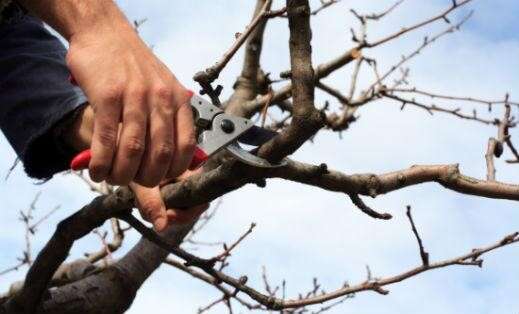
Can I Prune A Tree In The Fall: Best Timing Tips
Yes, you can prune a tree in the fall, but timing and tree health matter.
If you are asking, “can I prune a tree in the fall,” the answer depends on the tree species, your climate, and the reason for pruning. Fall can be a useful pruning season because leaves drop and branch structure becomes easier to see. However, cold injury, disease spread, and winter damage make some fall pruning risky. This guide explains when to prune, what to remove, and when to call a certified arborist.
Can I prune a tree in the fall?
Yes, you can prune a tree in the fall in many situations. The safest approach is to remove dead, damaged, diseased, or dangerous branches. You can also make small corrective cuts when the tree is dormant or nearly dormant.
Fall is not the best season for every type of pruning. Heavy cuts can create fresh wounds just before winter. Some trees may also respond with new growth that does not have time to harden before freezing weather arrives.
Before you cut, ask three questions:
• Is the branch dead, broken, diseased, or unsafe?
• Has the tree entered dormancy in your area?
• Will pruning now improve the tree without removing too much live wood?
If the answer is yes, light fall pruning may be suitable. If you plan to remove large limbs or reshape a mature tree, wait for the best seasonal window or hire an arborist.
When is the best time to prune a tree in the fall?
The best time to prune a tree in the fall is usually after most leaves have dropped but before severe freezing weather begins. This period often occurs from late October through December in many parts of the United States. Local weather and tree type still matter.
A tree is moving toward dormancy when leaf color changes, leaves fall, and new shoot growth stops. During dormancy, the tree uses less energy for growth. This can reduce stress from light pruning.
Avoid pruning during these conditions:
• Wet weather that can spread fungal disease
• Early fall, when the tree is still producing active new growth
• A sudden warm spell after freezing weather
• Deep cold, frozen wood, or icy branches
• The weeks before a major storm, when fresh cuts may be more vulnerable
In warm regions, trees may not enter full dormancy. In those areas, winter or early spring may be a better time for major pruning. A local extension office or certified arborist can help you choose the right season.

Why prune a tree in the fall?
Fall pruning can offer several practical benefits. Once leaves drop, you can inspect the tree’s shape and identify branches that cross, rub, or grow toward structures. The open canopy also gives you a clearer view of weak branch unions.
Light pruning may improve safety and tree health by removing problems before winter storms. Deadwood can fall under the weight of snow or ice. A branch that is already cracked may fail when strong winds arrive.
Fall pruning can also help with these goals:
• Remove dead or broken branches
• Clear limbs from roofs, driveways, and power lines
• Improve air movement through crowded branches
• Correct small structural problems in young trees
• Remove water sprouts and poorly placed shoots
• Reduce the chance of a weak branch breaking
Pruning is not the same as cutting a tree back as far as possible. A healthy tree needs much of its live crown for food production. Removing too much foliage can weaken the tree and encourage unwanted growth.

What types of trees can you prune in the fall?
The answer to “can I prune a tree in the fall” changes with the species. Some trees tolerate fall pruning well, while others are more likely to suffer from disease, sap loss, or winter injury.
Deciduous shade trees
Many mature deciduous trees can receive light fall pruning after leaf drop. Examples include oak, maple, ash, honey locust, and elm. Focus on dead, broken, crossing, or unsafe branches.
Large oak pruning cuts may increase the risk of oak wilt in areas where the disease occurs. In affected regions, avoid pruning oaks during the season when the disease-carrying beetles are active. Local tree disease rules can vary, so check with your state extension service.
Fruit trees
Fruit trees often need a carefully planned pruning schedule. Apple and pear trees are commonly pruned in late winter, while peaches and nectarines may need special timing based on local disease pressure and climate.
Fall pruning of fruit trees should usually stay light. Remove dead wood and damaged limbs, but avoid heavy shaping unless a local fruit tree specialist recommends it.
Evergreen trees
Most evergreen trees do not need much pruning in the fall. Conifers such as pine, spruce, and fir often keep their foliage through winter. Removing too much green growth can leave bare areas that may not fill in.
You can remove dead, broken, or unsafe limbs. Avoid cutting into old, bare wood on species that do not produce new shoots from that area.
Flowering trees and shrubs
Spring flowering trees form many of their flower buds on older wood. Fall pruning may remove next spring’s flowers. Examples include dogwood, magnolia, redbud, and some ornamental cherries.
If flowers matter to you, prune spring bloomers just after they finish flowering. Summer flowering trees are often pruned during dormancy, but local timing still matters.

What branches should you remove in the fall?
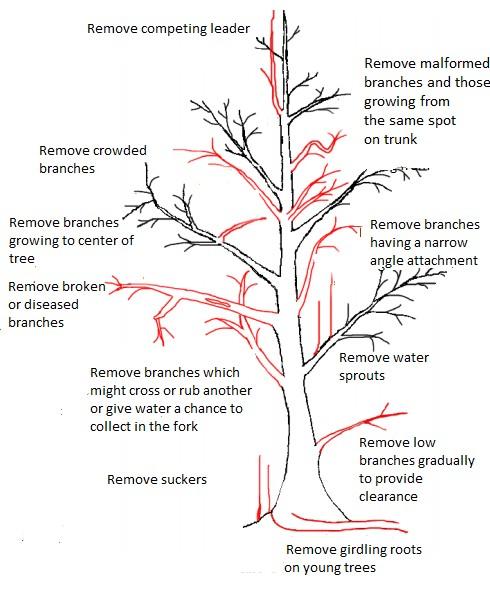
When deciding can i prune a tree in the fall, start with the simplest cuts. Remove branches that clearly threaten people, buildings, vehicles, or the tree itself.
Look for:
• Dead branches with no living buds or flexible twigs
• Broken limbs with torn bark
• Branches that rub against one another
• Limbs growing into roofs, gutters, or walkways
• Branches touching power lines
• Weak branches with cracks or cavities
• Suckers growing from the trunk base
• Water sprouts growing straight up from large limbs
Do not remove a branch just because it looks different. Some unusual growth is natural for the species. Also, do not cut a branch solely because it has a slight curve or leans in one direction.
A good pruning cut preserves the branch collar. The branch collar is the slightly swollen area where a branch joins the trunk or a larger limb. Cutting into this area can slow wound closure. Leaving a long stub can also create problems.

How to prune a tree safely in the fall
If the branch is small and reachable from the ground, careful pruning may be possible. Use clean, sharp tools and make deliberate cuts. Do not climb a tree with a chainsaw or use a ladder near power lines.
Follow these steps:
-
Inspect the tree from the ground. Look for deadwood, cracks, hanging limbs, and signs of decay.
-
Choose the branch to remove. Start with the smallest cut that solves the problem.
-
Clean your tools. Use rubbing alcohol or a suitable disinfectant when moving between trees with suspected disease.
-
Make a small undercut below a large branch. This helps prevent bark from tearing.