Are Pruners The Same As Secateurs: Key Differences
Yes, pruners and secateurs are the same hand tool, but regional names and designs can differ.
If you have searched for “are pruners the same as secateurs,” you are not alone. Gardeners in the United States usually say pruners, while people in the United Kingdom, Australia, and parts of Europe often say secateurs. After using bypass, anvil, and ratchet models on many types of plants, I can confirm that the words usually describe the same basic tool, but the tool itself can vary in quality, shape, and purpose.

Are pruners the same as secateurs?
Yes, pruners and secateurs are generally the same gardening tool. Both are handheld cutting tools used to trim small branches, stems, flowers, and shoots.
The main difference is the name used in different regions:
• Pruners is the common term in the United States and Canada.
• Secateurs is common in the United Kingdom, Ireland, Australia, and New Zealand.
• Hand pruners, pruning shears, and garden clippers are also used as similar terms.
So, are pruners the same as secateurs? In most cases, yes. A product listed as “bypass secateurs” works much like “bypass pruners” sold in a U.S. garden store.
However, not every tool called a pruner or secateur has the same design. Some have curved blades, some have anvil jaws, and others use a ratchet system. These designs affect how and where you should use the tool.
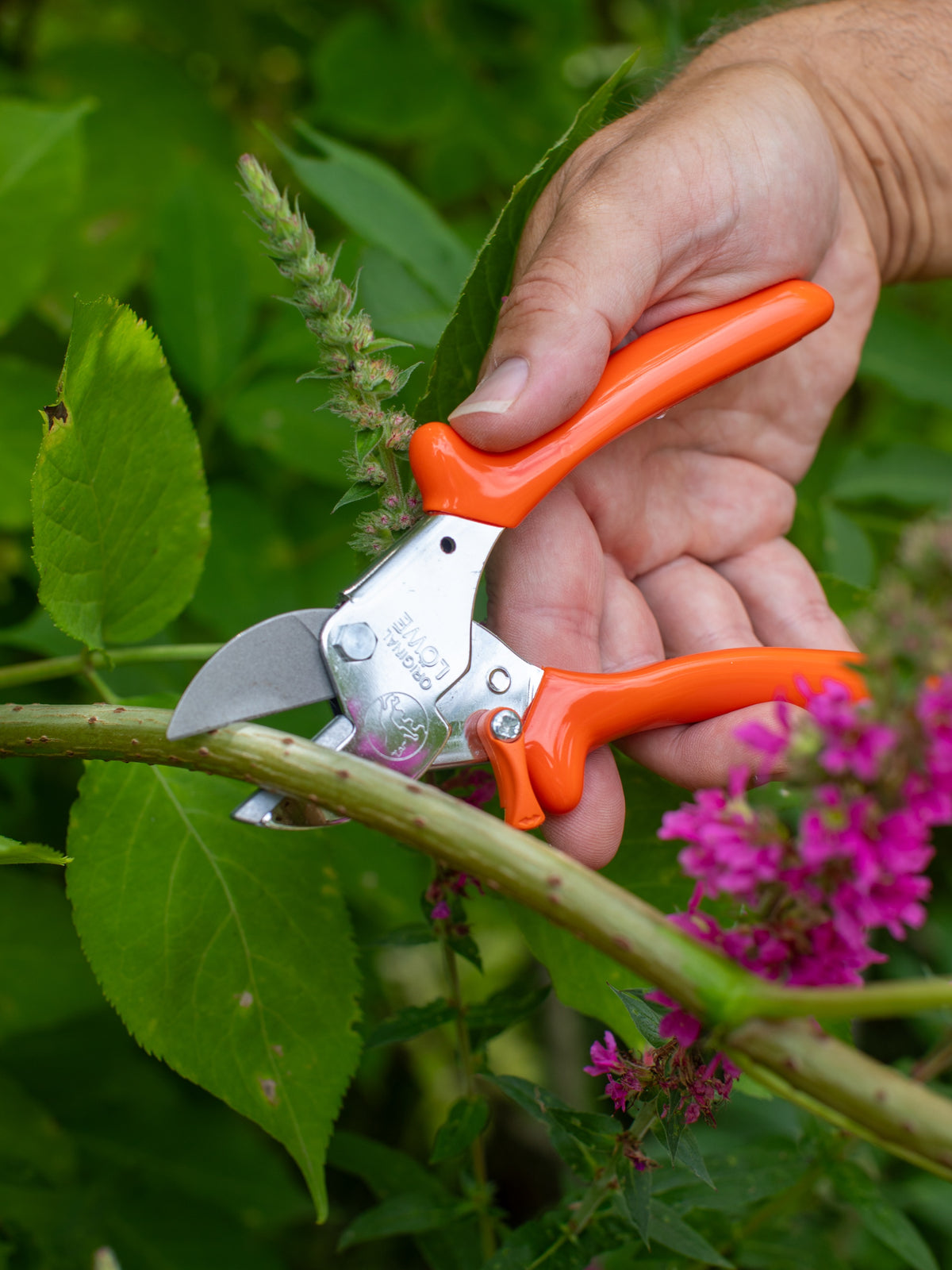
Why do gardeners use two different names?
The difference comes mostly from regional language, not from a major difference in function. American gardening companies tend to use “pruners,” while British and Australian gardening companies often use “secateurs.”
The word secateurs comes from a French term linked to cutting. The word pruners comes from pruning, which means removing selected parts of a plant. Both terms point to the same basic task: making controlled cuts on living plants.
Think of it like “trunk” and “boot” for a car. The words differ by location, but the object is much the same. The same idea applies when comparing pruners and secateurs.
Product labels can still cause confusion. A “pruning shear” may mean a small hand tool, but it can also describe a larger tool with long handles. Always check the tool’s size, blade type, and cutting capacity instead of relying only on the name.
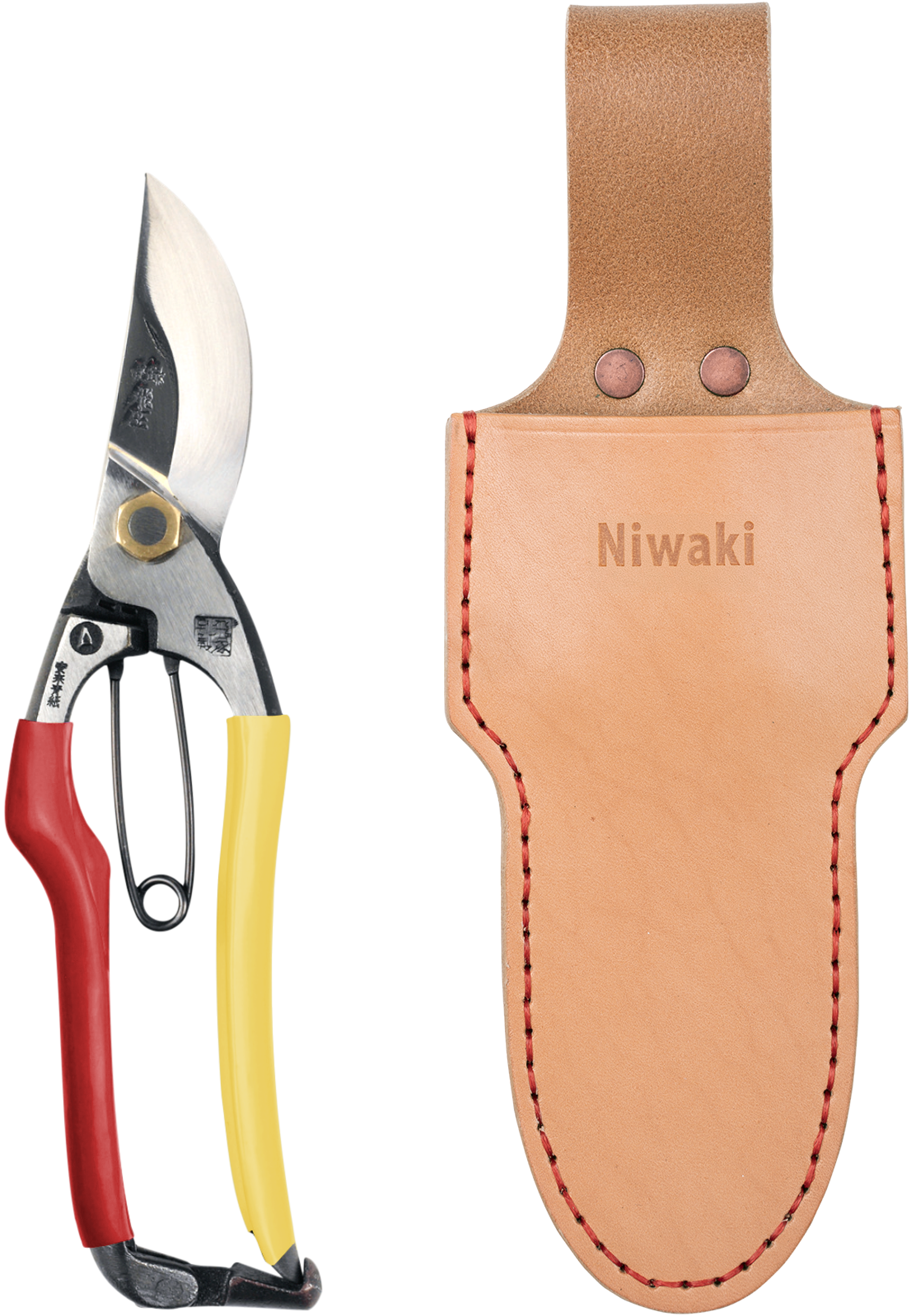
What are pruners or secateurs used for?
Pruners and secateurs are made for precise cuts that are too large for scissors but too small for loppers. They are useful for routine garden care and plant shaping.
Common uses include:
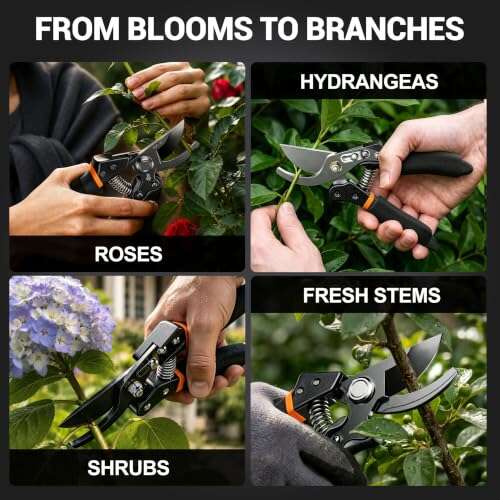
• Cutting dead flowers from roses and other flowering plants
• Removing thin dead, damaged, or diseased stems
• Trimming herbs, vines, shrubs, and young fruit trees
• Cutting back soft shoots and new growth
• Harvesting grapes, herbs, flowers, and some fruits
• Shaping small ornamental plants and bonsai
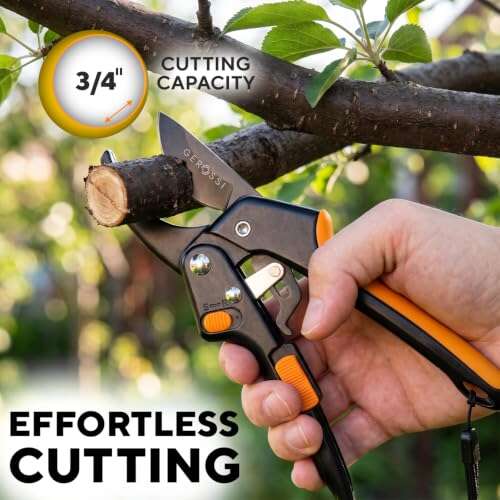
Most hand pruners work best on branches from about ½ inch to ¾ inch thick. The exact limit depends on the blade, the wood, and the tool’s design. Forcing a small pruner through thick wood can bend the blade, damage the hinge, or strain your hand.
When a branch is too thick for hand pruners, use loppers or a pruning saw. The right tool should cut the branch with steady pressure. If you must twist, crush, or use your full body weight, the branch is probably too large.

Main types of pruners and secateurs
Understanding the blade design helps answer “are pruners the same as secateurs” more fully. The names may be the same, but the cutting systems are not.
Bypass pruners
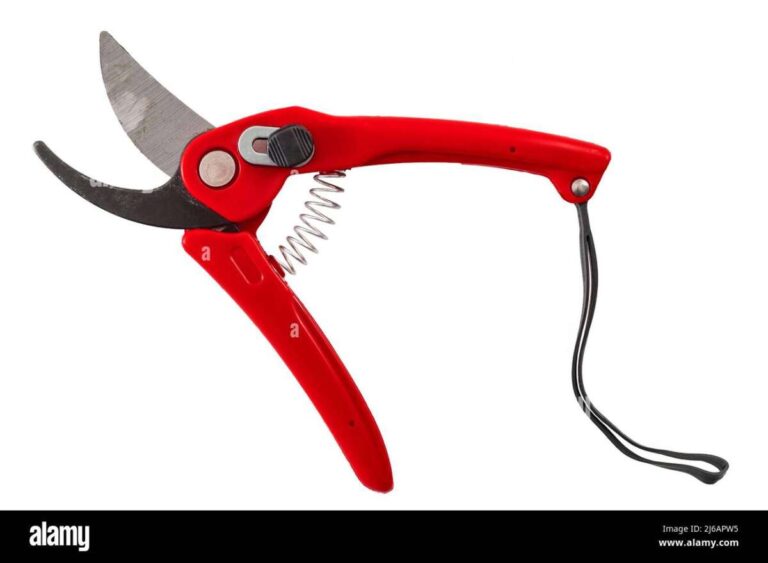
Bypass pruners have one sharpened blade that passes beside a thicker curved blade. This action is similar to scissors.
They are usually the best choice for live, green stems. The clean cut causes less crushing and helps the plant heal well. Bypass pruners are popular for roses, shrubs, fruit trees, and perennial plants.
Choose bypass pruners when:
• You need a clean cut on living wood
• You are trimming young branches
• You want better control near a stem joint
• You prune plants often
A bypass blade can also cut thin dead wood, but hard, dry branches may dull it faster.
Anvil pruners
Anvil pruners have one sharp blade that presses against a flat surface called the anvil. The blade slices down onto the branch.
Anvil pruners can provide strong cutting power. They are useful for dry, dead, or tough wood. However, they may crush soft green stems if the branch does not sit correctly on the anvil.
Use anvil pruners for:
• Dead twigs
• Dry branches
• Hard, brittle stems
• Occasional heavy cuts
Avoid using them on delicate live stems when a clean bypass cut is important.
Ratchet pruners
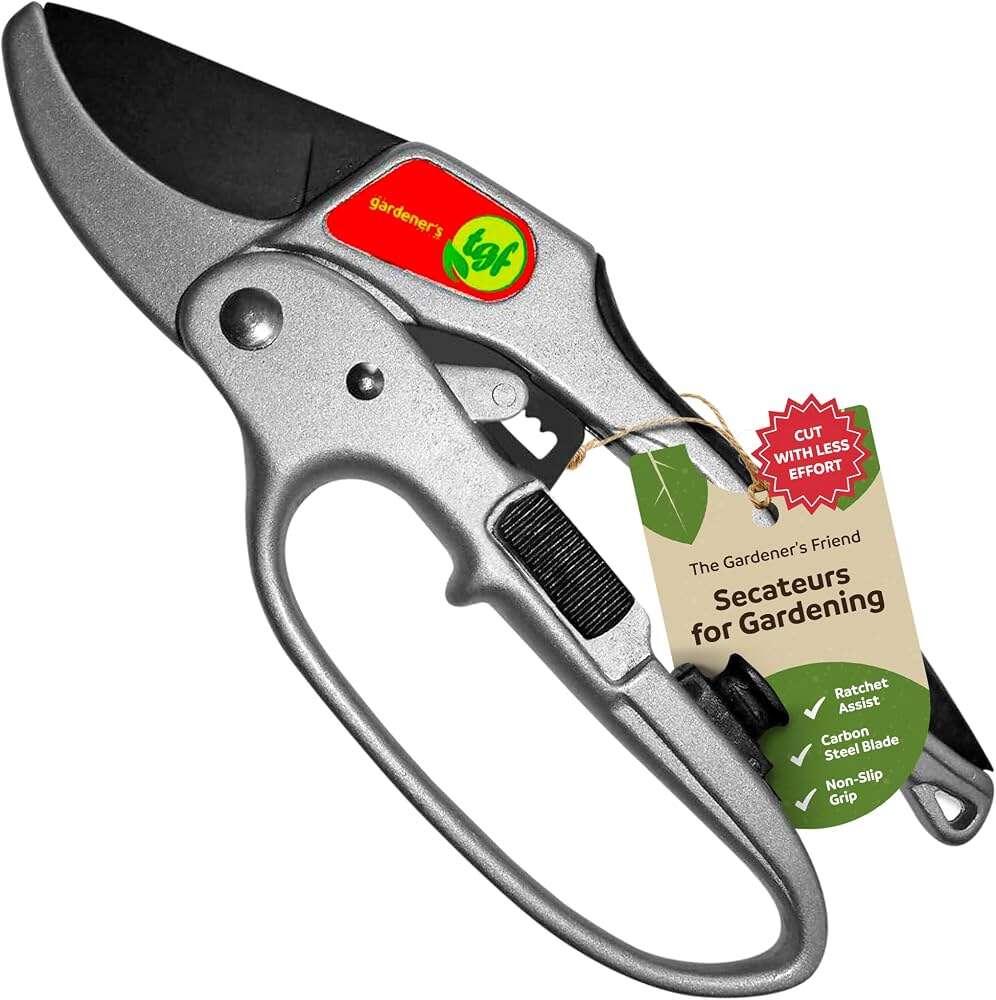
Ratchet pruners use a step-by-step cutting action. The tool locks partway through a cut, allowing you to release and squeeze again.
They can help people with reduced hand strength, arthritis, or wrist pain. They also work well on thicker branches within the tool’s stated limit. The trade-off is that ratchet pruners are slower and may feel less natural for quick trimming.
Straight-blade and specialty pruners
Some pruners have narrow, straight blades for flowers, herbs, and detailed plant work. Others include rotating handles, extra-wide grips, or left-handed designs.
These features do not change the meaning of “pruner” or “secateur.” They simply adapt the same basic tool to a particular task or user.
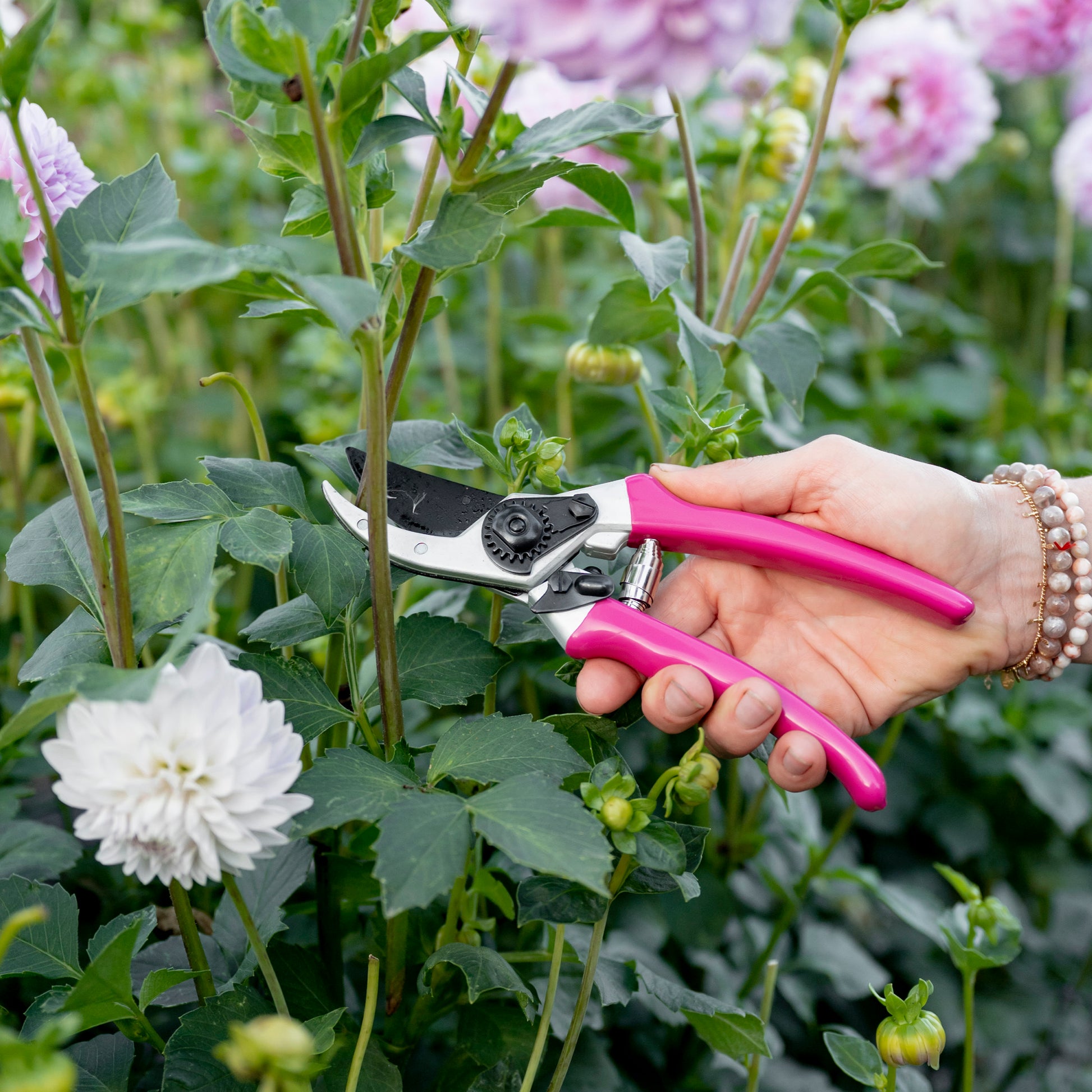
Pruners versus secateurs: Is there a real difference?
In everyday gardening, there is usually no functional difference between pruners and secateurs. The difference is mainly regional vocabulary.
Still, retailers may use the terms in slightly different ways. One brand may call a compact bypass tool a secateur, while another calls a similar tool a hand pruner. Some companies also use “pruning shears” for tools with longer handles.
The safest way to compare products is to check these details:
• Blade type: bypass, anvil, or ratchet
• Maximum cutting diameter
• Handle size and grip shape
• Blade material and coating
• Locking system
• Replacement blade availability
• Suitability for left-handed users
• Weight and spring design
This matters more than the label. If you ask, “are pruners the same as secateurs,” the practical answer is yes, but the specific model still determines how well the tool performs.
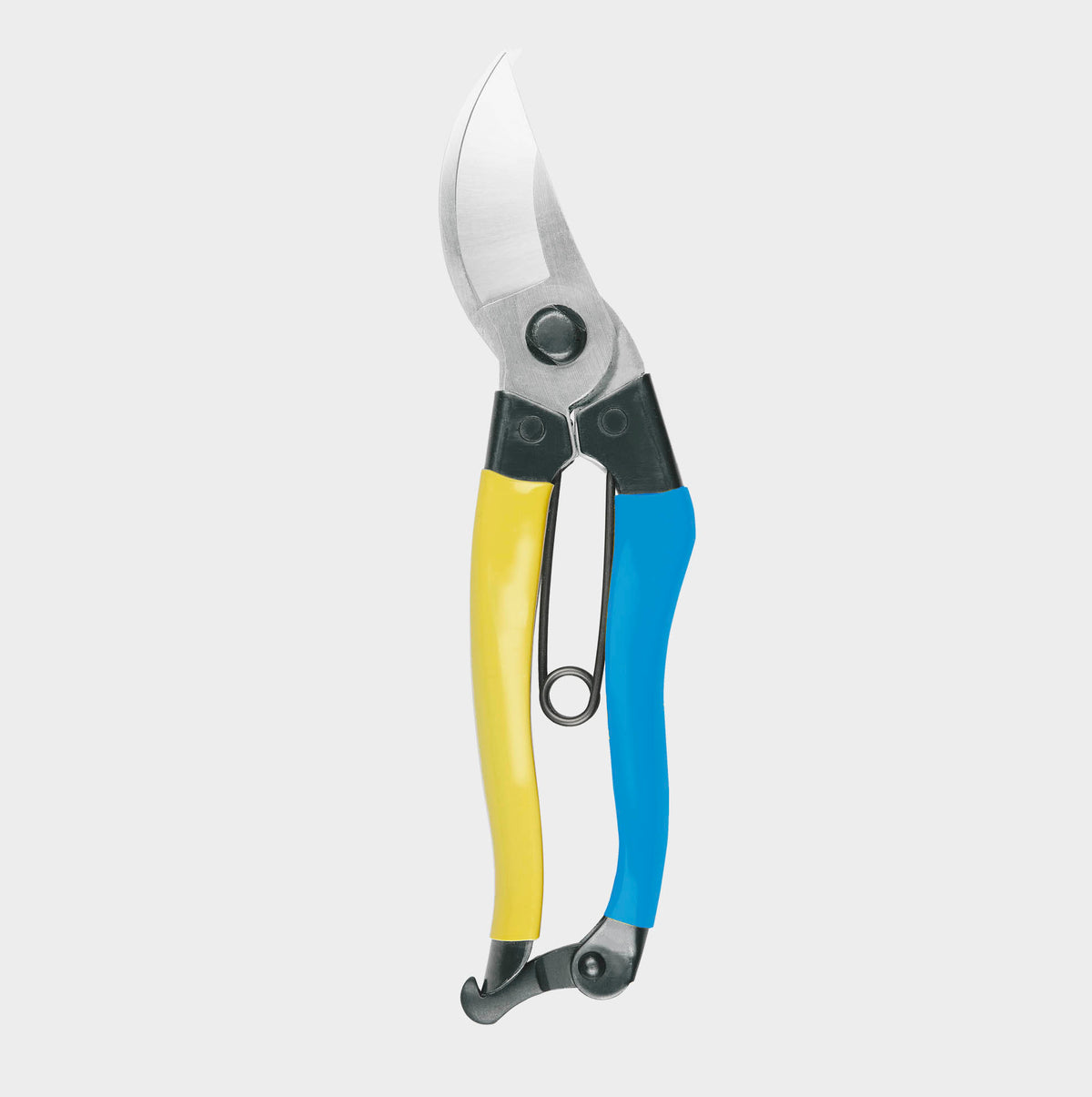
How to choose the right pruners or secateurs
The best tool depends on your plants, hand strength, and pruning habits. A good tool should feel secure without forcing your wrist into an awkward position.
Choose bypass pruners for live plants
Bypass pruners are the most useful all-purpose option for many home gardeners. They make clean cuts on green stems and young branches.
Look for a sharp, replaceable blade and a comfortable grip. The handles should open and close smoothly. A safety lock should hold the tool closed when it is stored.
Choose anvil pruners for dead wood
Anvil pruners are useful when you often remove dry, hard twigs. Their design can provide more force than a standard bypass model.
Do not use anvil pruners for every task. On soft stems, they may crush the tissue instead of slicing it cleanly.
Choose ratchet models for easier cutting
Ratchet pruners can reduce the force needed for some cuts. They are worth considering if hand fatigue or joint pain makes regular pruners uncomfortable.