What Plants Need To Be Cut Back In Fall: Pruning Tips
Most herbaceous perennials, dead annuals, and diseased plant parts need cutting back in fall.
Knowing what plants need to be cut back in fall can protect your garden from disease, pests, winter damage, and messy spring growth. The best approach depends on the plant, your climate, and whether its stems provide food or shelter for wildlife. This guide explains what to cut, what to leave, and how to prune safely.
What Plants Need to Be Cut Back in Fall?
The plants that benefit most from fall cutting are those with dead, diseased, damaged, or weak growth. Many herbaceous perennials die back naturally after frost. Removing their old stems keeps beds tidy and can reduce pest and disease problems.
Here are common plants that may need cutting back in fall:
• Peonies after their leaves turn brown or black
• Hostas after frost damages the leaves
• Daylilies once their foliage collapses
• Bee balm and other powdery mildew-prone plants
• Garden phlox with spotted or diseased leaves
• Irises after foliage yellows
• Catmint when it becomes flat and untidy
• Vegetable plants that have stopped producing
• Annual flowers after the first hard frost
• Diseased leaves and stems from almost any plant
Cutting back does not mean removing every stem in the garden. Some plants offer winter shelter and seed for birds. Others, such as spring-flowering shrubs, can lose next year’s flowers if pruned at the wrong time.

Perennials to Cut Back in Fall
Many herbaceous perennials are good candidates for fall pruning. These plants die back to the ground each winter and return from their roots in spring. Removing old tops can make the garden cleaner and help you spot weeds and new growth later.
Peonies
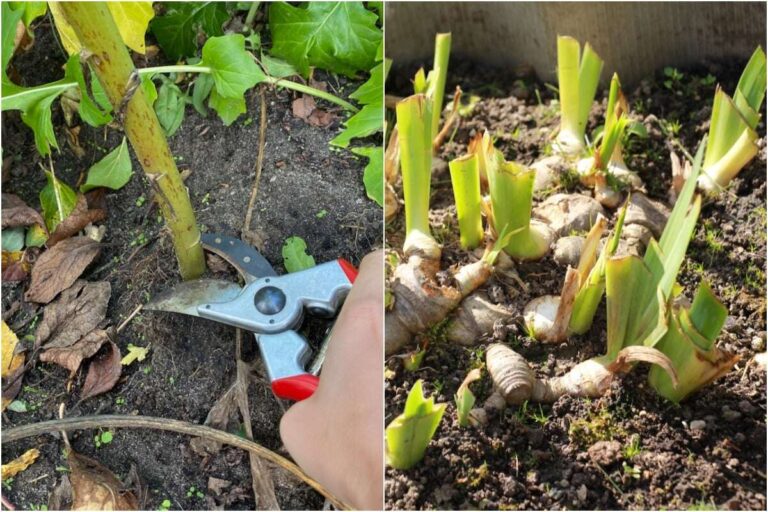
Cut peony stems to ground level after frost kills the foliage. Remove all leaves and place them in the trash if they show black spots or signs of fungal disease.
Do not add diseased peony leaves to home compost. Most backyard compost piles do not become hot enough to destroy every plant pathogen.
Hostas
Hosta leaves often turn yellow, brown, or mushy after the first hard frost. Cut the leaves near the soil line and remove them from the bed.
Fall cleanup can also reduce hiding places for slugs. Still, a few healthy leaves left as mulch will not harm the plant if your garden has little disease pressure.
Daylilies
Daylily leaves may collapse after frost. Cut them back to about 2 to 3 inches above the soil. This helps prevent a wet mass of rotting foliage from covering the crown all winter.
Evergreen or semi-evergreen daylilies may not need full removal in mild climates. Trim only damaged leaves and wait until spring for the rest.
Bearded Iris
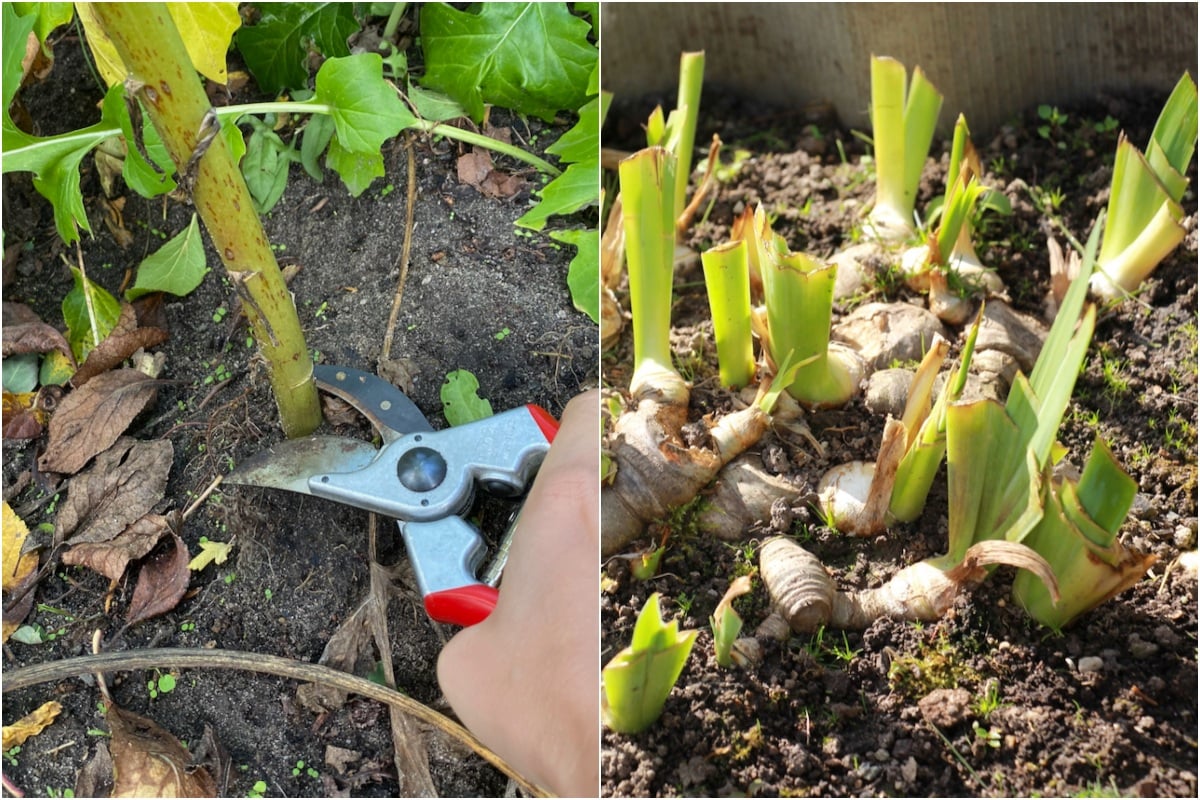
Bearded iris foliage can develop leaf spot. When the leaves yellow or show clear disease, cut them into fan-shaped sections about 6 inches tall, or remove them fully if the foliage is badly damaged.
Avoid placing infected iris leaves in compost. Clean pruners with rubbing alcohol between plants when disease is present.
Bee Balm and Garden Phlox
Bee balm and garden phlox often suffer from powdery mildew in humid summers. Cutting the stems down after frost removes much of the infected plant material.
Good air flow is the long-term fix. Space plants well, water the soil rather than the leaves, and divide crowded clumps every few years.
Catmint and Salvia
Catmint and some perennial salvias can be cut back after flowering if they look ragged. A light fall trim helps prevent snow from pressing them flat.
Do not cut woody salvia stems into old, leafless wood. Many plants do not regrow well from bare wood, especially in cold regions.
If you are deciding what plants need to be cut back in fall, start with perennials that have collapsed, carry disease, or form wet clumps around the crown.

Ornamental Grasses: Cut Some, Leave Others
Ornamental grasses need different treatment. Warm-season grasses, such as switchgrass, fountain grass, and big bluestem, often benefit from a late-winter or early-spring cut instead of fall pruning.
Their dry stems add structure to the winter garden. They also provide cover for insects and food for birds. Leaving them standing can make a bare winter landscape feel alive.
Cut ornamental grasses in fall when:
• The grass is diseased or heavily damaged
• It flops over and covers nearby plants
• It grows beside a walkway or building
• Wet foliage may create a safety or fire concern
• Local garden conditions make spring cutting difficult
Use extra care with dry grasses in regions prone to wildfire. Dry ornamental grass can burn quickly, so follow local fire guidance and keep it away from buildings.
Tie tall grass into bundles before cutting. This keeps loose blades from spreading across the bed. Wear gloves because grass edges can be sharp.
Many gardeners ask what plants need to be cut back in fall and assume every ornamental grass belongs on the list. In practice, many grasses are better left until early spring.
Annual Flowers and Vegetable Plants
Annual flowers usually die after the first hard frost. Removing them in fall clears space and reduces places where insects and disease can remain.
Pull or cut annuals such as:
• Marigolds
• Zinnias
• Impatiens
• Petunias
• Coleus
• Begonias
• Cosmos
• Sunflowers after seed collection
Leave healthy seed heads if you want birds to feed during winter. You can also allow some annuals to drop seed naturally. Calendula, cosmos, poppies, and cleome may return this way.
Vegetable gardens also need a careful fall cleanup. Remove spent tomato, cucumber, squash, bean, and melon plants after production ends. Diseased plants should go into the trash rather than the compost pile.
Healthy vegetable tops can often be chopped and composted. Pull weeds before they produce seed, and remove fallen fruit that could attract pests.
Do not remove hardy crops that continue growing in cool weather. Kale, spinach, parsley, carrots, and some onions may remain in the garden with protection.
When considering what plants need to be cut back in fall, focus on plants that are finished, diseased, or unsafe to leave in place. Productive crops and wildlife-friendly seed heads may deserve more time.

Plants You Should Not Cut Back in Fall
Some plants are best left alone until spring. Their stems protect new buds from cold weather, hold snow in place, or provide winter food and shelter.
Avoid cutting back these plants in fall unless they are diseased or damaged:
• Lavender, especially in cold climates
• Russian sage
• Hardy chrysanthemums
• Coral bells
• Heuchera
• Cardinal flower
• Black-eyed Susan
• Coneflower
• Yarrow
• Ornamental grasses
• Butterfly weed
• Sedum
• Spring-flowering shrubs
Many native perennials, including coneflower and black-eyed Susan, produce seeds for birds. Their hollow stems also shelter small insects through winter.
Leave these plants standing, then cut them back in late winter or early spring. A useful rule is to wait until new growth appears at the base.
Spring-Flowering Shrubs
Do not heavily prune lilac, forsythia, azalea, rhododendron, weigela, or viburnum in fall. These shrubs often form next spring’s flower buds on older wood.
Fall pruning can remove those buds and reduce flowering. Remove dead or broken branches only, then do major shaping after the shrub finishes blooming.
Lavender and Woody Herbs
Lavender can suffer winter damage when cut too hard in fall. Remove spent flower stalks, but keep leafy growth and avoid cutting into thick, old wood.
Rosemary, sage, and thyme may also need protection rather than heavy pruning. In cold areas, cover the root zone with mulch and move tender potted herbs indoors.
Understanding what plants need to be cut back in fall also means knowing what should remain. Good pruning is often about restraint.

When Should You Cut Plants Back in Fall?
The best time is usually after several hard frosts, when the plant has stopped actively growing. A light frost may damage leaves but leave the crown and stems alive.
Wait until:
• Foliage is brown, limp, or fully collapsed
• The plant has finished flowering and setting seed
• The weather is dry enough for clean cuts
• You can identify the plant clearly
• Local wildlife has had time to use seed heads
Do not rush to cut everything in September. Early pruning may encourage tender new growth in some plants. It can also remove food and shelter before birds and beneficial insects have used them.
In warm climates, many plants stay green through winter. Fall pruning may be less important there. In cold climates, wet foliage and snow can create more reason for cleanup.
A common mistake I have seen in garden beds is pruning by calendar date alone. Weather is a better guide. The same plant may need cutting in October in one region and December in another.

How to Cut Plants Back Safely
Clean tools make a major difference. Dirty pruners can move fungal and bacterial diseases from one plant to another.
Follow these simple steps:
- Check the plant for pests, disease, and wildlife use.
- Remove dead flowers and seed heads if needed.
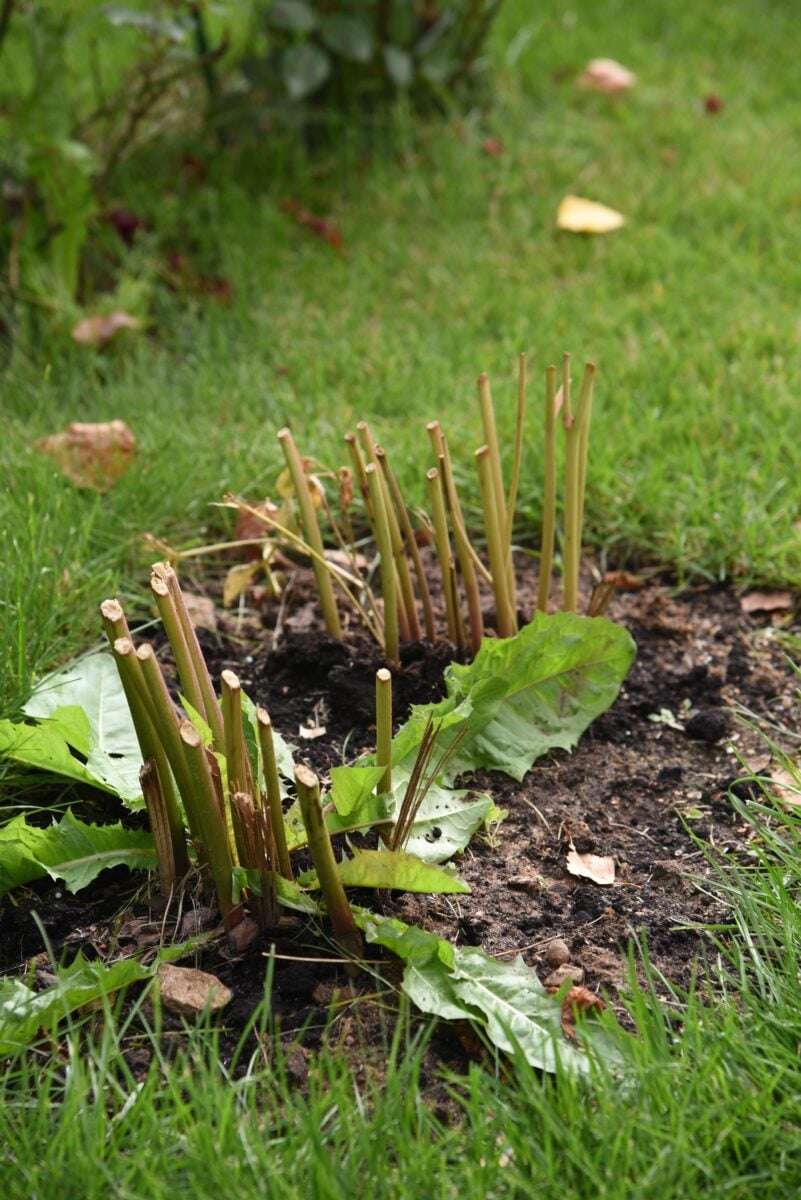
- Cut stems a few inches above the crown unless the plant can be cut to the soil.
- Keep cuts clean and avoid tearing the stems.
- Remove diseased leaves and stems from the garden.
- Disinfect tools after cutting infected plants.
- Add healthy plant material to compost only if it is free from serious disease.
- Add a light layer of mulch after the soil cools.
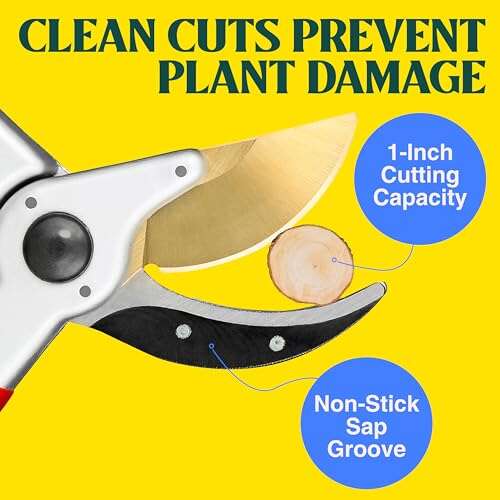
Use sharp bypass pruners for soft stems. Long-handled loppers work better for thick stems. Wear gloves, long sleeves, and eye protection when cutting sharp grasses or woody plants.