Can I Trim Bushes In September: Pruning Tips
Yes, you can trim many bushes in September, but timing depends on the plant, climate, and pruning goal.
Can I trim bushes in September? In many parts of the United States, the answer is yes, especially for light shaping, deadwood removal, and selective thinning. However, some shrubs set flower buds in fall, while others need time to harden before winter. Knowing the shrub type and your local frost date helps you prune safely and keep the plant healthy.
Can I Trim Bushes in September?
Yes, you can trim bushes in September if you use the right method and choose the right plants. September is often a useful transition month between summer growth and fall dormancy. It is also a good time to remove damaged branches, clean up overgrown growth, and correct small shape problems.
The main concern is new growth. Heavy pruning can encourage soft shoots that may not mature before freezing weather arrives. These tender shoots can suffer winter injury, which may leave the shrub weak or unattractive in spring.
Can I trim bushes in September for every shrub? No. The safest approach depends on whether the shrub blooms on old wood or new wood.
• Shrubs that bloom on new wood often tolerate more pruning in early September.
• Shrubs that bloom on old wood may lose next year’s flowers if pruned at the wrong time.
• Evergreen shrubs usually need only light shaping in September.
• Recently planted shrubs should receive limited pruning unless they have dead or broken branches.
The Best Bushes to Trim in September
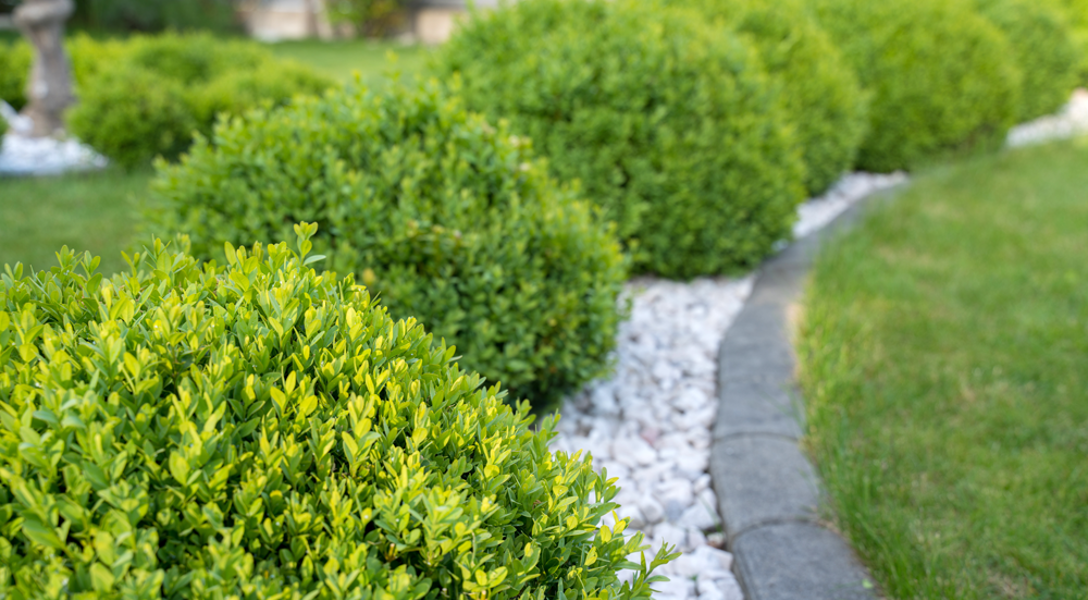
Several common shrubs can handle light or moderate pruning in September. Still, the local weather matters. Early September is safer than late September in areas with an early frost.
Shrubs That Usually Handle September Pruning
Can I trim bushes in September if they have finished flowering? Often, yes. Many flowering shrubs can receive light pruning after their blooms fade.
Good candidates may include:
• Potentilla
• Spirea that blooms on new wood
• Butterfly bush
• Rose of Sharon
• Bluebeard
• Summersweet
• Abelia
• Some panicle hydrangeas
• Privet
• Ninebark
• Certain viburnums after flowering
Remove no more than about one-third of the plant during a normal maintenance pruning. This rule is not absolute, but it gives the shrub enough leaves to keep making food and preparing for winter.
Shrubs That Need Extra Care
Some bushes should not receive heavy pruning in September. Lilacs, forsythia, weigela, azaleas, rhododendrons, and many viburnums form flower buds well before spring.
Can I trim bushes in September if they bloom in spring? You can remove dead, diseased, or broken wood, but avoid major shaping. Heavy pruning may remove the buds that produce next spring’s flowers.
Hydrangeas also require care. Bigleaf hydrangea often blooms on old wood, while panicle hydrangea usually blooms on new wood. Because varieties differ, check the plant label or identify the exact cultivar before making a large cut.

When to Trim Bushes in September
The best time to trim bushes in September is early in the month, during a cool, dry period. This timing gives fresh cuts more time to seal before cold weather arrives.
Avoid pruning when:
• A hard freeze is expected soon.
• The soil is waterlogged.
• The plant is stressed by drought.
• The shrub has active disease.
• The weather is very hot.
• The branches are wet for long periods.
Can I trim bushes in September after a drought? It is better to water the shrub deeply first and wait several days. A thirsty plant may struggle to recover from pruning because it already lacks the water needed for new growth and wound response.
Your USDA hardiness zone can help guide timing, but it does not replace local weather information. A gardener in Georgia may prune safely later than someone in Minnesota. Watch the forecast and learn the average first frost date for your area.

Why Trim Bushes in September?
September pruning can improve the health and appearance of many shrubs. It should be viewed as careful maintenance, not a major haircut.
Remove Dead and Damaged Wood
Dead branches can shelter pests and disease. Broken limbs may also rub against healthy stems or fall during storms.
Cut damaged wood back to healthy tissue. The cut should be just above a living side branch or healthy bud. Avoid leaving long stubs because they can decay over time.
Improve Airflow
Dense growth can trap moisture inside a shrub. Poor airflow may increase the risk of fungal problems, especially during wet fall weather.
Remove a few crowded branches from the center of the plant. Selective thinning is usually better than shearing because it keeps the shrub’s natural form.
Control Small Amounts of Overgrowth
Can I trim bushes in September that have grown into a walkway or window? Yes, light trimming can solve these problems. Cut branches back to a side branch instead of cutting every stem to the same height.
This method creates a softer shape and helps the plant grow in a more natural pattern.
Prepare for Winter
Removing weak or crossing branches can reduce storm damage. A tidy shrub is easier to inspect for pests, disease, and winter injury.
Do not prune healthy branches simply to make a shrub look perfectly bare. Leaves are the plant’s solar panels. Removing too many can reduce its energy supply before winter.

How to Trim Bushes in September Safely
Use clean, sharp tools and make deliberate cuts. Rushed pruning often causes more harm than leaving a minor branch alone.
Gather the Right Tools
You may need:
• Hand pruners for small stems
• Loppers for larger branches
• A pruning saw for thick limbs
• Work gloves
• Safety glasses
• A bucket of water and a clean cloth
Disinfect tools between diseased plants. A household disinfectant made for garden tools can help reduce the spread of plant pathogens. Follow the product label and allow the blades to dry before cutting.
Follow These Steps
-
Walk around the shrub and identify dead, broken, diseased, and crossing branches.