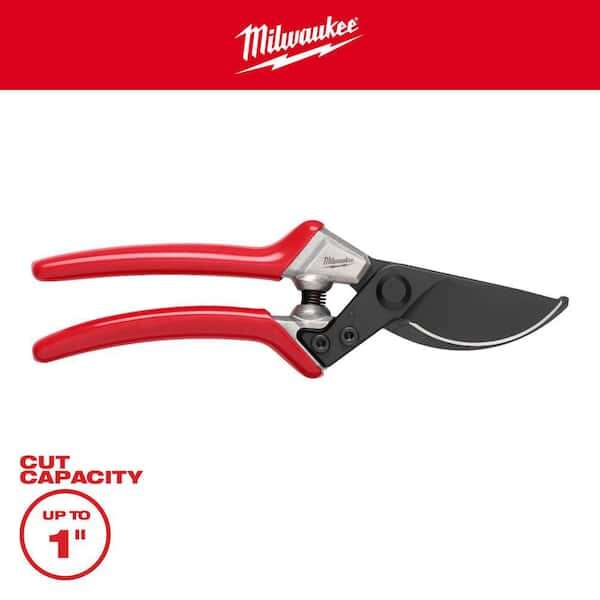

What Do You Prune Roses With: Best Pruning Tools
Prune roses with sharp bypass hand pruners, loppers, and a pruning saw for thicker canes.
Knowing what do you prune roses with helps you make clean cuts without crushing healthy stems. The right tool depends on cane thickness, rose type, and the size of the plant. After years of caring for roses, I have found that a sharp bypass pruner, clean gloves, and good timing prevent most pruning problems. This guide explains each tool, when to use it, and how to prune roses safely for strong, healthy growth.
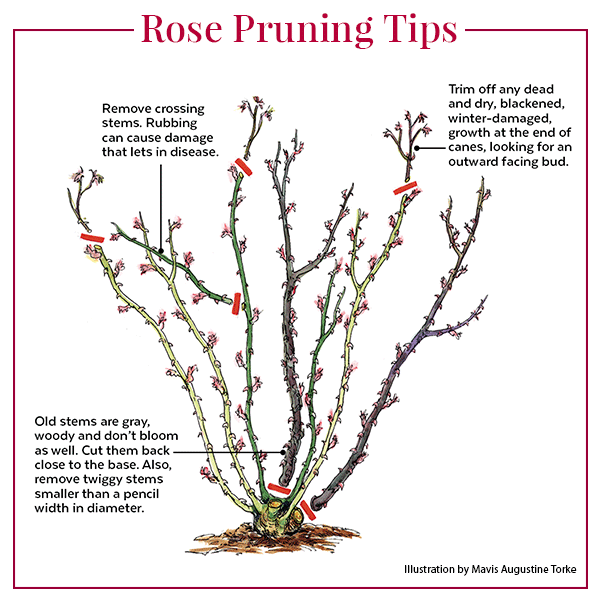
The Best Tools for Pruning Roses
The best tool for pruning roses is usually a sharp bypass hand pruner. It makes a clean cut by sliding one curved blade past another, much like scissors. Clean cuts heal faster and cause less damage than crushed or split stems.
For most home gardens, you need only a few basic tools. Choose tools that feel strong in your hand but are not so heavy that they cause strain.
Useful rose-pruning tools include:
• Bypass hand pruners for small canes up to about ¾ inch thick
• Long-handled loppers for large canes up to about 1½ inches thick
• A pruning saw for old, woody canes that are too thick for loppers
• Thick thorn-resistant gloves to protect your hands and wrists
• Safety glasses when cutting stiff or springy branches
• Household disinfectant or rubbing alcohol for cleaning blades
• A sharpening tool or replacement blade for maintaining pruners
When people ask what do you prune roses with, bypass pruners are the main answer. They are precise, easy to control, and suitable for most routine cuts.

Bypass Pruners: The Main Tool for Rose Bushes
Bypass pruners are the best choice for most rose pruning jobs. Their curved blades pass each other and slice through the cane instead of pinching it. This creates a smooth wound that is less likely to split.
Look for pruners with these features:
• A sharp, replaceable blade
• A comfortable, nonslip grip
• A safety lock that works easily
• A handle size that fits your hand
• A blade made from strong, rust-resistant steel
Avoid cheap pruners that leave ragged cuts. A dull blade can crush the cane and tear the bark. That damage may invite disease and slow new growth.
There are two common types of hand pruners: bypass and anvil. Bypass pruners are better for live rose canes. Anvil pruners have one blade that closes against a flat surface, so they can crush green stems.
Anvil pruners are useful for cutting dead wood, but bypass pruners offer better control for living canes. If you buy only one rose tool, choose a quality bypass pruner.

When to Use Loppers and a Pruning Saw
Large rose canes often need more power than hand pruners can provide. For these cuts, use long-handled loppers or a small pruning saw.
Loppers give you extra leverage. They work well for thick, healthy canes that are too large for hand pruners. Use them carefully because their long handles can make it easy to remove more wood than planned.
A pruning saw is best for very old or woody canes. It can cut through thick stems without forcing the branch or damaging nearby growth. A narrow curved saw is useful when working inside a crowded rose bush.
Use this simple guide:
• Small, flexible stems: bypass pruners
• Medium-thick canes: bypass loppers
• Thick, woody canes: pruning saw
Do not twist or rock a tool through a cane. Make a steady cut. If the tool struggles, switch to a larger tool rather than forcing it.
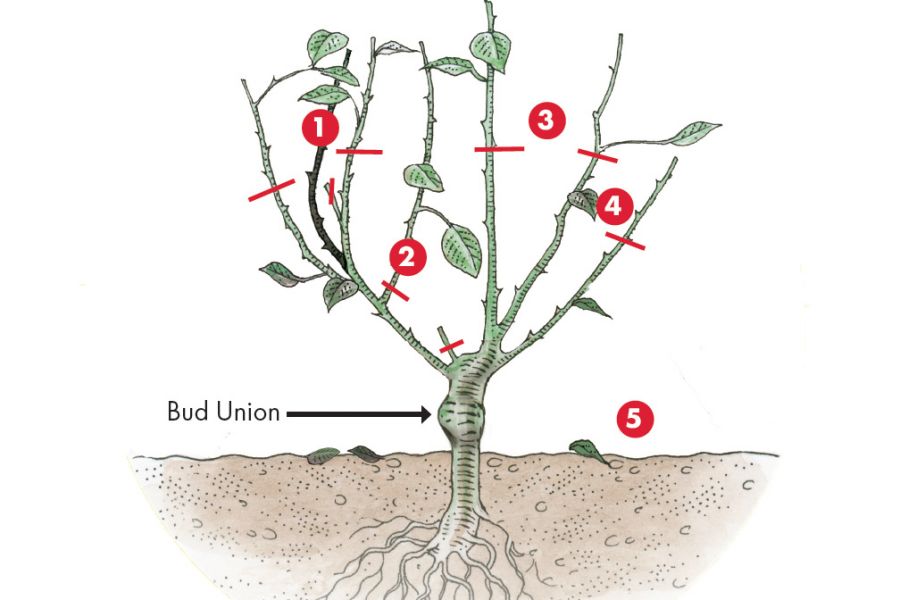
Why Sharp and Clean Tools Matter
Sharp tools protect the plant. A dull blade leaves a rough wound, much like tearing fabric instead of cutting it. Rough wounds may dry unevenly and provide more places for pests or disease organisms to enter.
Clean tools also reduce the risk of spreading disease between plants. This matters even more when you move from a weak or diseased rose to a healthy one.
Clean your tools in these situations:
• Before beginning a pruning session
• After cutting diseased or damaged wood
• When moving between rose bushes
• At the end of the season
You can wipe the blades with rubbing alcohol. Some gardeners use a diluted bleach solution, but bleach can corrode metal if it is left on the tool. If you use bleach, rinse the blade, dry it well, and apply a light coat of oil.
University horticulture guidance commonly recommends disinfecting cutting tools between plants when disease may be present. This small habit takes less than a minute and can protect an entire bed.
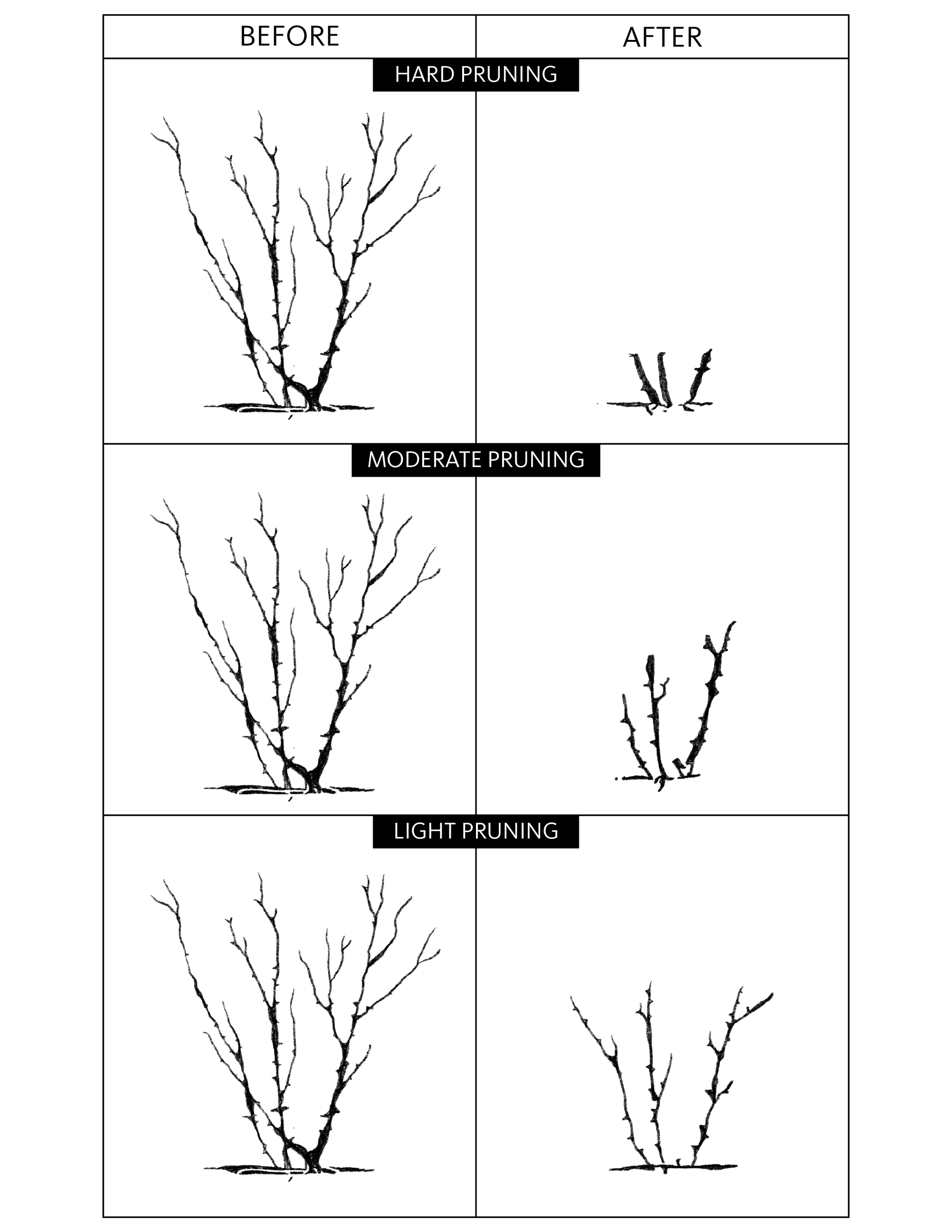
How to Choose the Right Rose-Pruning Tool
The right tool depends on more than cane size. Consider the rose’s growth habit, the location of the branch, and your own comfort.
For compact hybrid tea roses, hand pruners usually provide all the control you need. Floribundas and shrub roses may have many small stems, so a lightweight bypass pruner is helpful.
Climbing roses can develop long, thick canes. Loppers and a pruning saw may be needed for older growth, especially when the plant has not been pruned for several years.