What Is A Bypass Pruner Used For: Uses And Benefits
A bypass pruner is used to make clean, precise cuts on small, living branches, stems, flowers, and garden growth.
Knowing what is a bypass pruner used for helps you choose the right tool for healthier plants and easier yard work. This guide explains how bypass pruners work, which plants they suit, how to use them safely, and when another cutting tool is a better choice.
What Is a Bypass Pruner Used For?
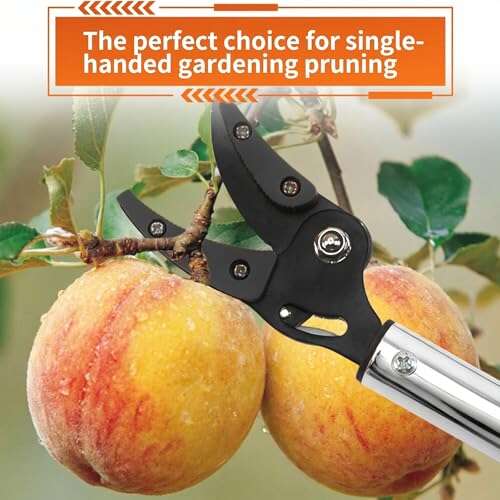
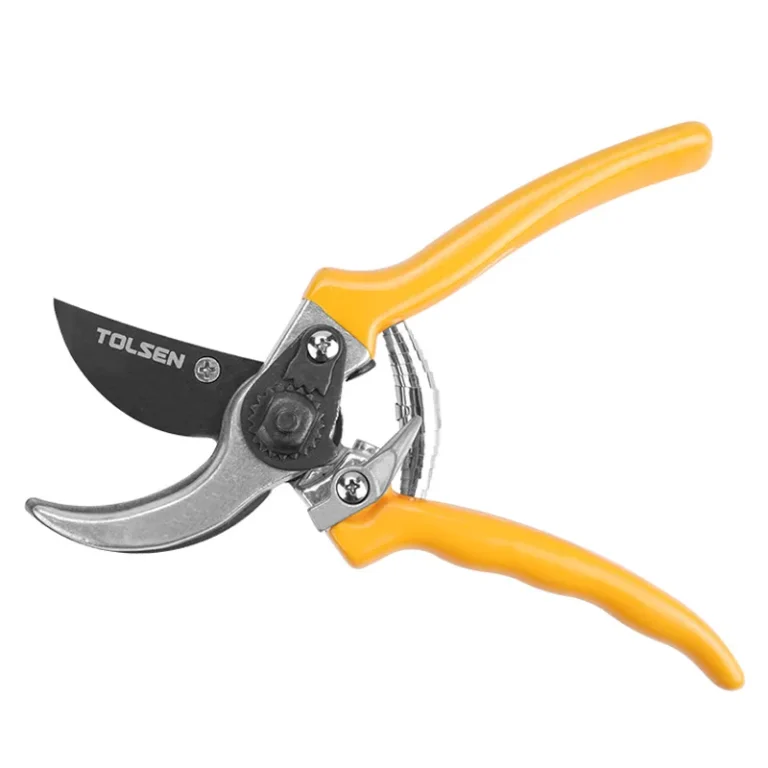
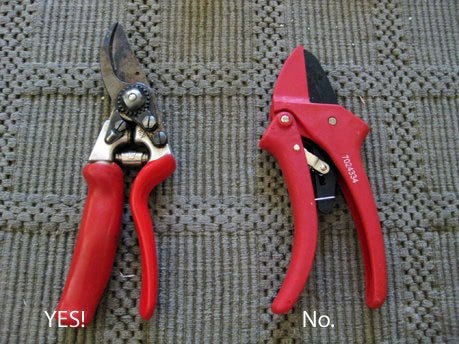
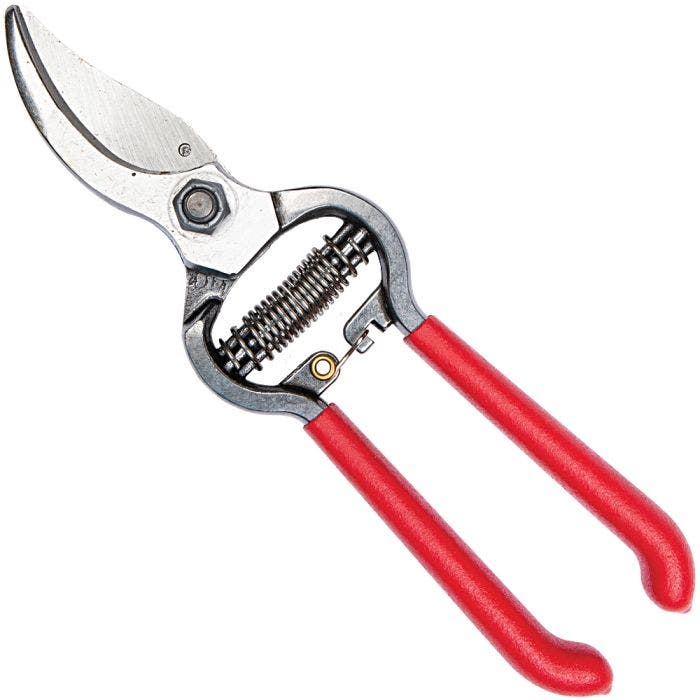
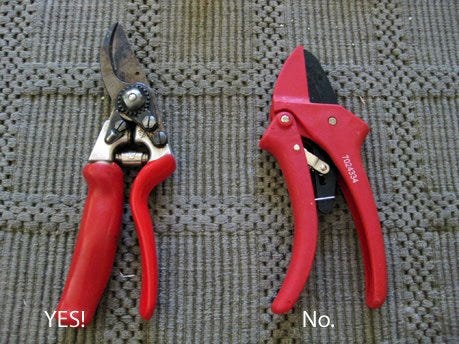
A bypass pruner is a hand tool used to cut small branches, twigs, stems, and shoots. It has two curved blades that pass by each other, much like scissors. One blade is sharp, while the other blade supports the branch as the cut is made.
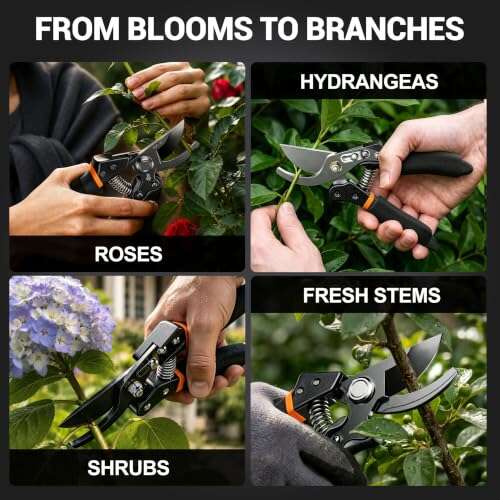
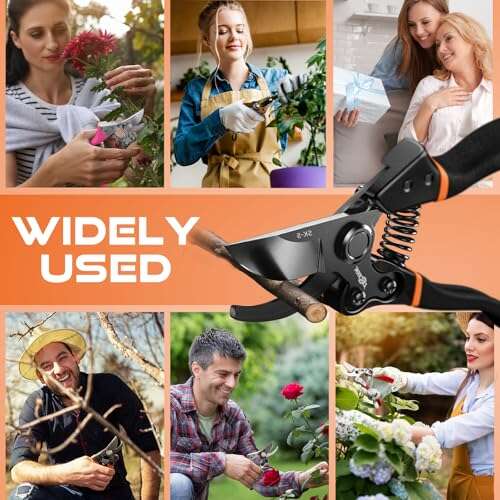
So, what is a bypass pruner used for in daily garden care? It is mainly used for live, green wood that needs a clean and accurate cut. Gardeners often use it for shaping shrubs, removing dead flowers, trimming young branches, and harvesting herbs or flowers.
The bypass design matters because it makes a smooth cut instead of crushing the plant tissue. A clean cut usually gives the plant a better chance to seal the wound and recover.
Common uses include:
• Cutting rose stems and flower stalks
• Removing small dead or damaged branches
• Shaping shrubs and young trees
• Pruning fruit tree shoots
• Cutting back vines and soft stems
• Harvesting herbs, vegetables, and flowers
• Removing suckers and water sprouts
Most bypass pruners work best on branches from about ½ inch to ¾ inch thick. The exact limit depends on the blade, handle design, your hand strength, and the type of wood.
How Does a Bypass Pruner Work?
A bypass pruner uses a sharp curved blade and a thicker counter blade. As you close the handles, the sharp blade moves past the lower blade. This action slices through the branch instead of pressing it between two flat surfaces.
Think of the blades as two passing doors. The sharp blade does the cutting, while the lower blade holds the branch steady. This keeps the branch from moving away during the cut.
The cutting process usually follows three simple steps:
-
The upper blade rests near the branch collar.
-
The handles close and the sharp blade passes the support blade.
-
The branch separates with a clean, narrow cut.
The branch collar is the slightly raised area where a branch joins a larger stem or trunk. Cutting just outside this area helps protect the plant’s natural defense system. Avoid cutting into the trunk or leaving a long stub.
When asking what is a bypass pruner used for, the cutting action is the key answer. It is designed for controlled cuts where plant health and accuracy matter.

Bypass Pruner vs. Anvil Pruner
The main difference between a bypass pruner and an anvil pruner is how the blades meet. A bypass pruner has blades that pass each other. An anvil pruner has one sharp blade that closes against a flat surface.
Bypass pruners are usually better for live branches and green stems. Anvil pruners can be useful for hard, dry, or dead wood because the flat base supports tough material.
| Feature | Bypass pruner | Anvil pruner |
|---|---|---|
| Blade action | Blades pass each other | Blade closes onto a flat base |
| Best use | Live wood and green stems | Dry or dead wood |
| Cut quality | Clean and narrow | May crush the lower side |
| Precision | High | Moderate |
| Common use | Roses, shrubs, fruit trees | Dead branches and hard stems |
If you use an anvil pruner on fresh branches, it may crush the bark and tissue below the cut. That damage can slow healing and create a rough wound.
When people ask what is a bypass pruner used for compared with an anvil model, the short answer is simple: use the bypass tool for living growth and the anvil tool for tougher dead material.
Plants That Benefit From a Bypass Pruner
A bypass pruner is useful for many common garden plants. It is especially helpful when the plant has thin branches or soft stems that need a neat cut.
Good examples include:
• Roses
• Hydrangeas
• Lavender
• Berry bushes
• Young fruit trees
• Boxwood
• Azaleas
• Clematis
• Grape vines
• Tomato and pepper stems
• Fresh herb stems
For rose care, a bypass pruner can remove spent blooms and weak canes. For fruit trees, it can remove small shoots that grow inward or rub against other branches.
The answer to what is a bypass pruner used for also depends on the plant’s age. Young branches are often flexible and easy to cut. Older branches become harder and may require loppers or a pruning saw.
Avoid using a bypass pruner on thick, dry limbs. Forcing the tool can damage the blades, strain your hand, and leave a poor cut.
:max_bytes(150000):strip_icc()/SPR-garden-pruner-preference-1403219-hero-e364c36e3a88465bbd4eced329e6aa8e.jpg)
Benefits of Using a Bypass Pruner
The biggest benefit of a bypass pruner is control. You can place the blade exactly where you want the cut, which is important when shaping plants or protecting nearby buds.
Other benefits include:
• Clean cuts that reduce crushed tissue
• Better control in tight spaces
• Less damage to live stems
• Easy one-handed use
• Lightweight handling
• Quick removal of small shoots
• Better access than large loppers
A sharp bypass pruner can also reduce the effort needed for each cut. This matters when you are pruning many plants or working with arthritis, weak grip strength, or tired hands.
In my own pruning routine, I have found that tool sharpness often matters more than price. A basic pruner with a sharp blade can outperform an expensive tool with a dull edge. The lesson is simple: maintain the blade before blaming the tool.
This is why what is a bypass pruner used for is not only a question about cutting. It is also about making cuts with less stress on the plant, the tool, and your hand.
How to Use a Bypass Pruner Correctly
Using a bypass pruner well takes only a few basic habits. Good technique protects both the plant and the person doing the work.
1. Check the branch size
Confirm that the branch fits within the tool’s recommended cutting range. Do not twist the handles or force the blade through wood that is too thick.
2. Find the right cutting point
For a side branch, cut just outside the branch collar. For a bud, place the cut slightly above the bud and angle it away from the bud.
3. Position the sharp blade
Place the sharp blade on the side of the branch that will remain attached to the plant. This helps keep the cleaner cut on the correct side.
4. Make one firm cut
Close the handles in a smooth motion. Avoid rocking the tool back and forth, since this can tear bark and crush tissue.
5. Inspect the cut
The finished cut should be smooth, narrow, and free from torn bark. If the cut looks ragged, sharpen or replace the blade before continuing.
A common mistake is cutting too close to a bud. Another is leaving a long stub that dies back over time. When considering what is a bypass pruner used for, remember that placement is just as important as the tool itself.
When Should You Use a Bypass Pruner?
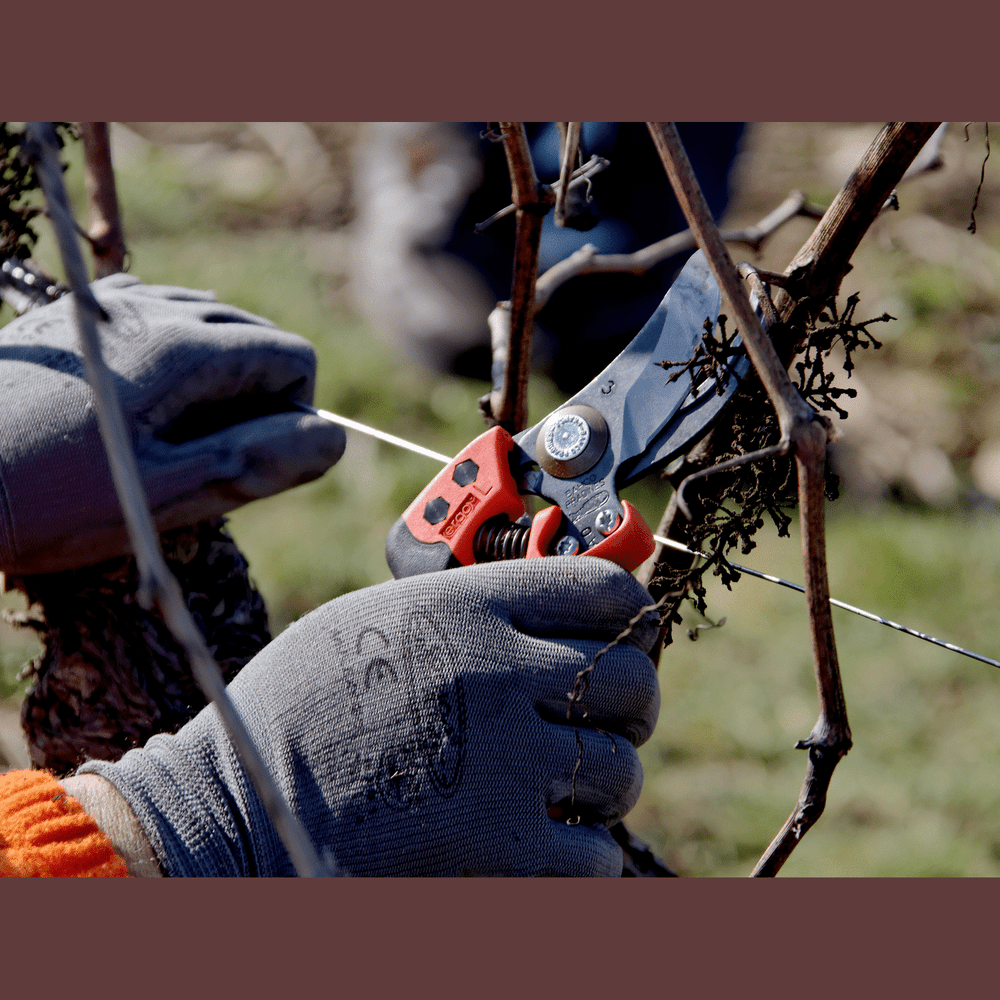
The best time to prune depends on the plant. Many deciduous shrubs and trees can be pruned during dormancy, while flowering plants may need pruning after they bloom.
Use a bypass pruner when:
• A branch is small enough for the tool
• The wood is living or recently grown
• You need a precise cut
• You are removing a sucker or small shoot
• You are shaping a plant
• You are harvesting soft stems
Avoid pruning during extreme heat, severe cold, or wet conditions when possible. Wet weather can make work slippery and may spread plant diseases between cuts.
For disease-prone plants, disinfect the blades between plants. A household disinfectant labeled for tools can help reduce the spread of pathogens. Follow the product label, and allow the blade to dry before storing the pruner.
What is a bypass pruner used for during the growing season? It is often used to remove small unwanted shoots, spent flowers, and damaged stems before they become larger problems.
What a Bypass Pruner Cannot Cut
A bypass pruner is not a universal cutting tool. Trying to use it beyond its limit can damage both the plant and the pruner.
Do not use a bypass pruner for:
• Large tree limbs
• Thick hardwood branches
• Heavy deadwood
• Metal wire
• Plastic stakes
• Roots
• Frozen branches
• Very tough woody vines
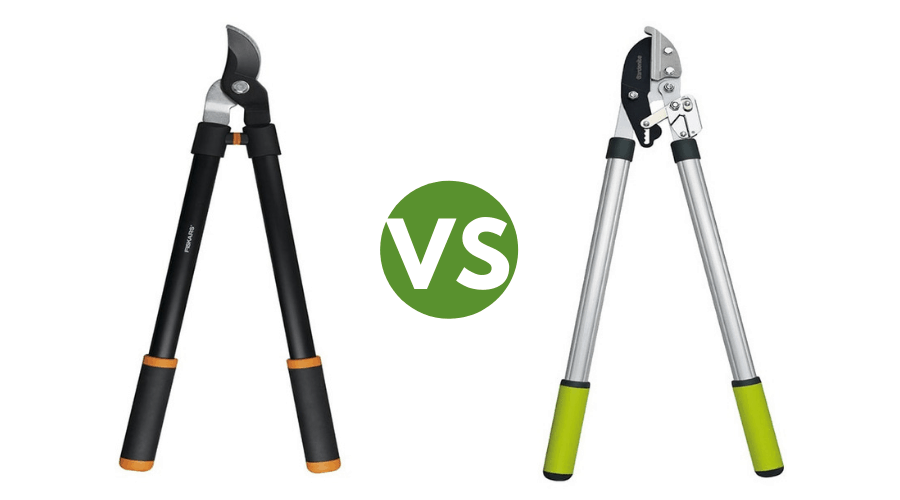
For larger branches, use long-handled loppers or a pruning saw. Loppers provide more leverage, while a pruning saw is safer and more effective for thick wood.
One mistake I often see is treating hand pruners like compact loppers. The user squeezes harder, twists the handles, and eventually bends the blade. If the cut requires a struggle, stop and choose a larger tool.
Understanding what is a bypass pruner used for also means understanding its limits.
How to Choose the Best Bypass Pruner
The best bypass pruner should fit your hand, cutting needs, and budget. A comfortable tool is more likely to be used correctly and maintained well.
Look for these features:
• High-quality hardened steel blades
• A replaceable blade or spring
• A secure locking mechanism
• Comfortable, non-slip handles
• A size that fits your hand
• A cutting capacity that matches your plants
• A bright color that is easy to find outdoors
Left-handed gardeners should check whether the tool is designed for left-hand use. Some models work well in either hand, but others place the blade on the wrong side for comfortable cutting.
Ratchet pruners can help people with limited hand strength. However, they may be slower for quick cuts and can feel less natural when shaping many small branches.
Price is not the only measure of quality. A tool with replacement parts may offer better long-term value than a cheap model that must be discarded after the blade wears out.
Bypass Pruner Care and Maintenance
A clean, sharp bypass pruner makes better cuts and lasts longer. Basic care takes only a few minutes after each major pruning session.
Follow these steps:
-
Brush away soil, bark, and plant sap.
-
Wipe the blades with a clean cloth.
-
Disinfect the blades when moving between plants.
-
Dry the tool fully to prevent rust.
-
Apply a small amount of tool oil to the pivot and blade edges.
-
Sharpen the cutting blade when it begins to drag or crush stems.
Only the cutting blade usually needs sharpening. The flat support blade should remain flat and should not be sharpened like a knife edge.
Store the pruner in a dry place with the blades closed and locked. Keep it away from loose soil, rain, and children.
A dull blade is one of the most common reasons a gardener gets poor results. If a branch bends before it cuts, or the bark tears, maintenance is likely overdue.
Safety Tips for Using Bypass Pruners
Bypass pruners are small, but they are still sharp tools. Safe habits help prevent cuts, strains, and accidental damage to plants.
Use these precautions:
• Wear gloves when handling thorny plants
• Keep fingers away from the blade path
• Lock the pruner when carrying it
• Cut away from your body
• Keep both feet stable
• Do not use a damaged or loose tool
• Use eye protection when branches may spring back
• Keep children away from active pruning work
If your hand begins to ache, take a break. Repeated squeezing can irritate the muscles and tendons in the hand and wrist. A larger tool may be safer when the branch is near the pruner’s limit.
Knowing what is a bypass pruner used for should always include safe handling. A clean cut is not worth an injured hand.
Common Bypass Pruner Mistakes
Even experienced gardeners make small mistakes with hand pruners. Most are easy to avoid once you know what to watch for.
Cutting the wrong branch
Before cutting, trace the branch back to its base. This helps prevent the accidental removal of a healthy main stem.
Leaving long stubs
A long stub can die back and attract pests or disease. Cut just outside the branch collar without damaging it.
Cutting too close to a bud
A cut placed directly against a bud can damage it. Leave a small amount of stem above the bud.
Using a dull blade
A dull blade crushes tissue and requires more force. Sharpen it or replace it as soon as cuts become rough.
Ignoring tool hygiene
Sap and plant disease can move from one plant to another on dirty blades. Clean the tool between plants when disease is present or suspected.
Forcing thick wood
If the handles will not close with normal pressure, switch to loppers or a saw. Force is not a substitute for the right tool.
These lessons explain what is a bypass pruner used for in practical terms: small, clean, controlled cuts—not every cutting task in the yard.
Frequently Asked Questions About What Is a Bypass Pruner Used For
What is a bypass pruner used for in gardening?
A bypass pruner is used to cut small live branches, green stems, flowers, shoots, and twigs. Its passing blades make a clean cut with less crushing than many anvil-style pruners.
Can a bypass pruner cut dead branches?
Yes, it can cut small dead branches if they fit within its recommended capacity. For thick or very hard deadwood, use loppers or a pruning saw instead.
What is the difference between a bypass pruner and an anvil pruner?
A bypass pruner has two blades that pass each other, while an anvil pruner closes a sharp blade against a flat surface. Bypass models are usually better for live wood, while anvil models are useful for dry, hard wood.
How thick a branch can a bypass pruner cut?
Many bypass pruners cut branches up to about ½ inch to ¾ inch thick. Always follow the manufacturer’s stated capacity and avoid forcing the handles.
Should bypass pruners be sharpened?
Yes, sharpening helps the tool make smooth cuts with less hand pressure. Sharpen the cutting blade, clean away metal filings, and apply a small amount of oil after maintenance.
Can I use a bypass pruner for roses?
Yes, bypass pruners are well suited to rose stems and small rose canes. Wear gloves, make clean cuts above healthy buds, and disinfect the blades if the plant shows signs of disease.
Do bypass pruners hurt plants?
A sharp, properly used bypass pruner usually causes less damage than a dull or unsuitable tool. Poor blade placement, crushed cuts, and torn bark can still stress the plant.
Conclusion
A bypass pruner is used for clean, precise cuts on small living branches, stems, flowers, shoots, and soft wood. Its scissor-like blades help reduce crushing, making it a useful tool for roses, shrubs, fruit trees, herbs, and many other garden plants.
Choose the right cutting point, stay within the tool’s size limit, keep the blade sharp, and clean it between plants when needed. With these simple habits, your bypass pruner can become one of the most useful tools in your garden.
Try these techniques on your next pruning task, then explore more practical plant-care guides or share your favorite pruning tip in the comments.

Laura Bennett is a gardening writer at MyGardenLabs who creates beginner-friendly guides focused on solving common plant care and gardening problems.