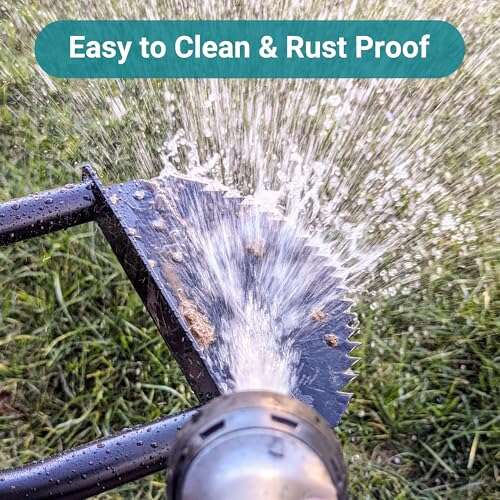
Best Tool For Cutting Small Lawn: Top Picks For Easy Care
The best tool for cutting a small lawn is a manual half-moon edger for clean, quiet, precise cuts.
A small lawn can look untidy fast. Grass creeps over a path, borders blur, and a bulky mower feels like too much work. I have found that the right hand tool makes these small jobs feel simple. The best tool for cutting small lawn areas depends on the task, but a manual edger gives excellent control without gas, batteries, cords, or loud noise. In this guide, I compare useful lawn edgers, grass shears, a power edger, and a hand weeder. I focus on blade design, comfort, control, safety, value, and the type of yard each tool suits best.
CKLT 41-Inch Steel Blade Lawn Edger

The CKLT 41-inch lawn edger has the long reach I want for regular border work. Its tempered spring steel blade is made to enter soil and cut the line between grass and beds. The long shaft lets me work while standing, which helps reduce bending on a small lawn. It also gives better reach along paths, driveways, and flower beds.
In use, a manual edger rewards a steady step and a clear plan. I place the blade on the old border, press down with my foot, and rock the handle when the soil is firm. This tool does not throw clippings, use fuel, or create motor noise. For many homeowners, it may be the best tool for cutting small lawn edges when quiet control matters most.
Pros:
- Long 41-inch handle reduces bending
- Tempered steel blade supports repeated use
- Quiet operation suits close neighbors
- Useful beside paths, beds, and driveways
- No fuel, battery, or power cord needed
- Gives strong control over narrow borders
Cons:
- Requires foot pressure and manual effort
- Hard soil may need watering first
- Not designed for mowing tall grass
My Recommendation
I recommend the CKLT to homeowners who want a strong, simple edge without a machine. It suits small yards with clear borders and people who prefer standing work. The steel blade is more useful than a tiny hand cutter when you need to refresh a long path edge. Its best value comes from low upkeep and dependable control.
Half Moon Saw-Tooth Lawn Edger

This half-moon edger stands out for its saw-tooth blade and wide footplate. The teeth can help the blade grip grass roots and firm soil instead of sliding across the surface. Its adjustable 38-to-49-inch T-grip handle gives more room to set a comfortable working height. That range can help both shorter and taller users.
The wide footplate spreads pressure across the shoe, so each cut feels more stable. I would use it to shape flower bed borders, sidewalk edges, and small patches where a power tool feels excessive. It still needs effort, but the design makes that effort more direct. Among manual options, this can be the best tool for cutting small lawn borders that have become thick or uneven.
Pros:
- Saw-tooth blade grips tough grass edges
- Adjustable handle fits several user heights
- Wide footplate improves stepping comfort
- T-grip supports two-handed control
- Works without fuel or electrical power
- Useful for beds, sidewalks, and yards
Cons:
- Serrated teeth may snag loose roots
- Manual cutting takes more time than powered edging
- Needs careful storage to protect the blade
My Recommendation
This model is best for users who need extra bite in hard or overgrown borders. The adjustable handle helps families share one tool. I especially like it for a small lawn with many curves because the user controls each cut. If your soil is very rocky, work slowly and clear stones before stepping on the blade.
Byhagern Hand Grass Shears

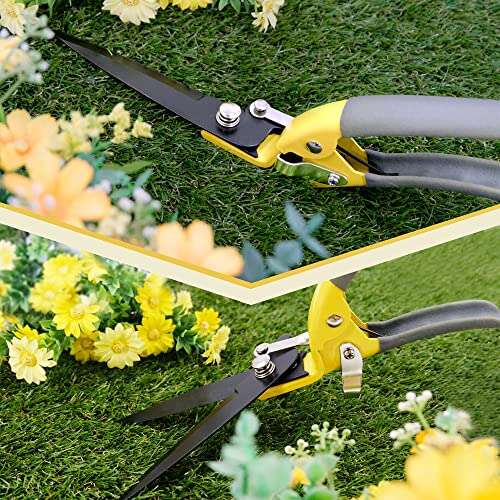
Byhagern grass shears take a different approach from a long-handled edger. These hand clippers let me trim small tufts near walls, steps, stones, and plants without disturbing nearby soil. They are especially helpful after mowing, when a few blades remain too close to a border for the mower deck. The compact shape also makes them easy to carry during a quick garden check.
Hand shears work best when the grass is short and dry. I use small cuts rather than forcing the blades through a thick clump. This method gives a neat finish but may become tiring across a wide lawn. For tiny lawns, narrow strips, or detail work, these shears can be the best tool for cutting small lawn sections with precision.
Pros:
- Excellent control around plants and stones
- Light and easy to carry
- No cord, fuel, or battery required
- Useful for touch-ups after mowing
- Fits narrow spaces a mower cannot reach
- Simple design needs little maintenance
Cons:
- Slow for a full lawn edge
- Requires bending, kneeling, or crouching
- Thick wet grass can jam the blades
My Recommendation
I suggest Byhagern shears for small yards with many details. They suit gardeners who trim around raised beds, trees, posts, and decorative stone. They are not my first choice for cutting a long sidewalk edge, but they are excellent for the final touch. Keep the blades clean and dry after use to help maintain smooth cutting.
Colwelt 38-Inch Saw-Tooth Lawn Edger

The Colwelt lawn edger uses a half-moon saw-tooth blade on a 38-inch handle. That length is practical for many adults because it provides reach without feeling too tall or heavy. The T-grip gives the hands a firm hold during each downward step. I find this style useful when I need a clear border but do not want to remove much soil.
The serrated edge can help break through grass runners and compact topsoil. I would mark the border with a hose or string before starting, then make short cuts along the line. The process is quiet and easy to control. It is a strong candidate for the best tool for cutting small lawn edges when you want a traditional hand tool at a reasonable size.
Pros:
- 38-inch length supports upright work
- Saw teeth help cut grass runners
- T-grip improves hand placement
- Half-moon shape creates a clear border
- Good fit for beds and sidewalks
- Works well for small straight sections
Cons:
- Fixed handle offers less height adjustment
- Very dry soil can resist the blade
- Manual edging needs repeated foot pressure
My Recommendation
Colwelt is best for a homeowner who wants a basic long-handle edger with a firm saw edge. It works well for seasonal border care and small landscape projects. I would choose it over hand shears for long runs because it saves bending. Its value is strongest when you want a simple tool with no motor to maintain.
WORX WG896 Electric Lawn Edger
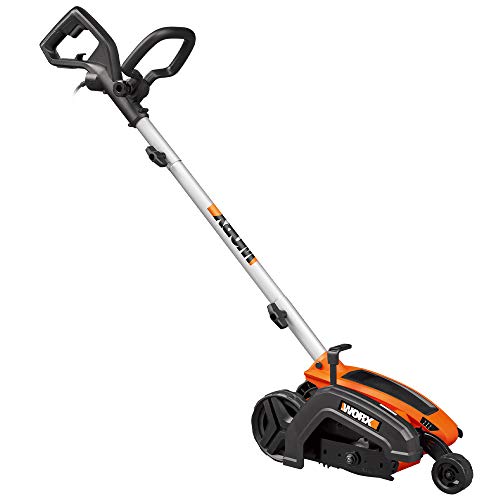
The WORX WG896 is the powered choice in this guide. Its 12-amp motor and 7.5-inch blade are made for edging and trenching along lawn borders. A powered blade can save time when grass has spread over a path or bed. It also reduces the foot force needed with a manual half-moon tool.
This edger works best when the user has a nearby outdoor outlet and can manage a cord safely. I always keep the cord behind me, inspect it before use, and avoid wet conditions. The guide edge helps keep the cut line steady, but the machine still needs a slow pace. For a small lawn with stubborn borders, this may be the best tool for cutting small lawn edges quickly.
Pros:
- 12-amp motor handles demanding edge work
- 7.5-inch blade reaches a useful depth
- Faster than most manual edgers
- Useful for edging and light trenching
- Good choice for repeated border work
- Reduces strain on feet and arms
Cons:
- Requires a suitable outdoor power outlet
- Cord management needs constant attention
- Heavier and louder than hand tools
- Needs safe storage and blade care
My Recommendation
I recommend the WORX to users who value speed and have a small lawn near a power source. It suits thick grass, long borders, and anyone who finds manual edging tiring. It is not the easiest choice for scattered garden beds or areas far from an outlet. Follow the safety guidance that comes with the tool, wear eye protection, and keep people away from the cutting path.
Fiskars Ergo Hand Weeder

The Fiskars Ergo hand weeder is not a grass cutter in the usual sense. It earns a place in this guide because weeds often make a small lawn look untidy and compete with the clean edge. Its ergonomic grip and narrow working end help remove weeds and roots from soil near borders. This tool is useful before edging because it clears the line you want to cut.
I use a hand weeder where a large blade could disturb flowers or shallow roots. It gives close control in beds, cracks, and small lawn corners. The tool cannot trim a broad grass edge, so it works best beside a true edger or pair of shears. For gardeners who need to remove weeds as part of lawn care, it adds useful value to the best tool for cutting small lawn setup.
Pros:
- Removes weeds close to lawn borders
- Useful around flowers and small roots
- Ergonomic grip feels secure in hand
- Compact size stores almost anywhere
- Helps prepare edges before cutting
- Requires no power or fuel
Cons:
- Does not cut a full grass border
- Requires kneeling or bending
- Hard soil may limit root removal
My Recommendation
Fiskars is best for gardeners who deal with weeds as well as grass. I would pair it with the CKLT, Colwelt, or another manual edger. It is especially useful in a small lawn with flower beds, where broad tools may cause damage. Think of it as a cleanup partner rather than a stand-alone lawn cutter.
Orcela 37-Inch Half Moon Edger
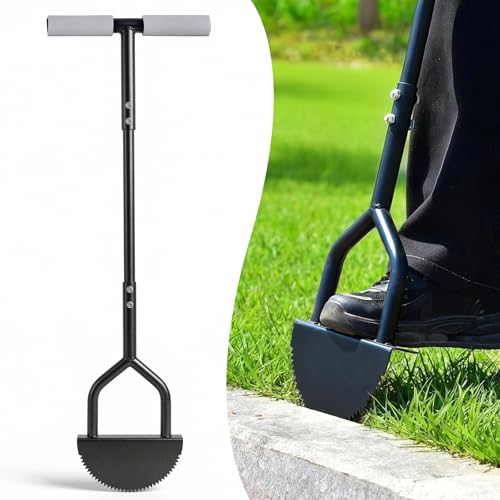
The Orcela half-moon edger offers a straightforward design for small lawn maintenance. Its 37-inch handle gives useful reach while staying easy to guide around curves. The T-grip helps keep the tool aligned as I press the blade into the soil. This kind of simple layout appeals to people who want fewer parts and no motor.
A half-moon blade works best when the edge already has a rough shape. I use a slow stepping motion and lift out any cut strip before moving ahead. The tool may need more passes when the border is badly overgrown, but it gives a clean, narrow result. It can be the best tool for cutting small lawn borders for users who want low cost and low upkeep.
Pros:
- Compact 37-inch length is easy to control
- T-grip helps maintain a straight cut
- Manual design has no operating cost
- Good for small beds and paths
- Quiet enough for early yard work
- Simple to clean after use
Cons:
- May need several passes in thick grass
- Requires firm soil contact
- Shorter users may still need to bend
My Recommendation
I recommend Orcela for light to moderate edge work on a compact property. It is a good match for people who want a traditional tool that stores easily. The 37-inch shaft balances reach and control. Choose it for routine care, but consider a powered edger if you must cut a deep or heavily overgrown border.
DIIG Long-Handle Steel Lawn Edger

The DIIG manual edger uses an 8.5-inch steel blade and a wide footplate. That broad plate gives the shoe a better place to push, which can make each cut feel more balanced. The long handle keeps the hands above the work area and helps reduce constant stooping. It is made for lawn edges, garden beds, and landscaping borders.
I like a wide footplate when the ground is firm but the edge is hard to start. It lets me apply force in a controlled way instead of striking the blade. The DIIG is still a manual tool, so patience matters more than speed. For a homeowner who wants a sturdy border cutter without electric equipment, it may be the best tool for cutting small lawn areas.
Pros:
- 8.5-inch blade covers a useful cutting width
- Wide footplate improves stability
- Long handle limits repeated bending
- Suitable for lawn and garden borders
- Quiet and simple to operate
- Good for users who prefer hand tools
Cons:
- Manual force is still needed in hard soil
- Wide blade may feel large in tight curves
- Requires cleaning after damp use
My Recommendation
DIIG is best for users who want a larger stepping surface and a broad steel blade. It fits small lawns with clear, open borders. I would select it for long straight sections where the wide footplate can do its best work. It offers good practical value if you prefer a durable manual tool over a corded machine.
Garden Weasel Edger Chopper
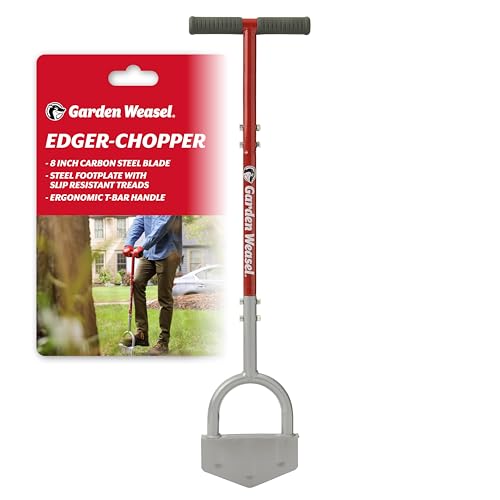
The Garden Weasel edger chopper is made for defining borders around garden beds, patios, and sidewalks. Its chopper-style action can help cut through grass that has moved into a planting area. This is useful when a small lawn has lost its shape and needs more than a light trim. The long handle lets me work with a standing posture.
This tool is best used with a clear border plan. I mark the desired line, place the cutting head, and use controlled downward pressure. It can remove a narrow strip of grass and expose a neat soil line. While it is not a mower, it can serve as the best tool for cutting small lawn borders where a firm, decisive cut is needed.
Pros:
- Useful for resetting overgrown borders
- Works around beds, patios, and sidewalks
- Long handle supports standing work
- Manual design avoids fuel and cords
- Good for cutting a clear soil line
- Suitable for small landscape projects
Cons:
- Chopper action may remove more soil
- Needs care around shallow plant roots
- Can be tiring in very hard ground
My Recommendation
I suggest Garden Weasel for users who need to reclaim a messy border. It is a strong choice for a small yard with garden beds that have been ignored for a season. Use a lighter edger for delicate work near prized plants. Overall, this tool offers useful power without the noise and upkeep of an engine.
Adjustable 38-42 Inch Manual Lawn Edger

This adjustable manual edger combines a half-moon saw-tooth blade with a 38-to-42-inch handle. The four-inch range lets the user fine-tune the working height. Its manganese steel blade is designed for lawn edges, flower beds, sidewalks, and other landscape lines. A wide footplate helps spread pressure and keeps the tool from feeling unstable.
The adjustable design is valuable when more than one person shares the tool. I also like the saw teeth for cutting grass that has formed a dense mat along concrete. Start with a shallow cut, then deepen the line if needed. For households seeking the best tool for cutting small lawn borders with flexible height control, this is a well-rounded option.
Pros:
- Adjustable 38-to-42-inch working height
- Saw-tooth blade helps with dense grass
- Wide footplate supports safer stepping
- Manganese steel suits repeated border work
- Useful for several landscape surfaces
- Fits different users more easily
Cons:
- Adjustable parts need periodic checking
- Manual use remains slower than electric edging
- May struggle in rocky ground
My Recommendation
This model is best for homes where users have different heights or work styles. It gives more fit options than a fixed-length edger. I would use it for routine lawn borders and moderate grass buildup. Its combination of adjustment, a wide footplate, and saw teeth creates strong everyday value.
How to Choose the Best Tool for Cutting Small Lawn
The right tool depends on what you mean by “cutting.” If you want to shorten the whole grass surface, you need a mower. If you want to cut the border where grass meets concrete or soil, you need an edger. Hand shears help with small touch-ups, while a weeder removes unwanted plants near the line. Knowing the job prevents an expensive but poor match.
For most small lawns, I first check the edge length. A short border can be handled with grass shears. A longer border feels easier with a half-moon edger. A corded electric model makes sense when the edge is tough or the user wants speed. The best tool for cutting small lawn areas should match the size, soil, grass type, and user strength.
Manual Edger or Electric Edger?
A manual edger is quiet, light on upkeep, and easy to store. It gives direct control and does not need an outlet. It also asks more from your legs and arms. An electric edger cuts faster, but it adds cord safety, noise, weight, and maintenance.
For a lawn under a few hundred square feet, a manual tool often gives enough capacity. A corded edger becomes more useful when grass has crossed a long driveway or when the soil edge is dense. I would not buy a power tool only for a tiny patch unless speed or physical comfort is a top concern.
Blade Shape and Material
A half-moon blade creates a clear vertical line. A saw-tooth edge can grip thick grass and runners. A broad footplate helps transfer body weight to the blade. Steel is common because it can handle contact with soil, but every blade should be cleaned and dried after use.
Do not force a blade into hidden stones, roots, or metal. Clear the line first. A sharp, clean edge cuts with less effort than a dirty or damaged one. This simple habit improves results and helps the best tool for cutting small lawn last longer.
Handle Length and Comfort
Handle length affects both comfort and control. A handle that is too short makes you bend. One that is too long may feel awkward near curves. Adjustable models offer a useful middle ground, especially for shared homes.
Look for a grip that stays firm when your hands are damp. Use both hands when the tool has a T-grip. Wear closed shoes with solid soles when applying foot pressure. Basic comfort and safety habits can turn a hard chore into a quick walk around the yard.
My Recommendation
| Best for | Why |
|---|---|
| Quiet routine edging | A manual half-moon edger gives clean control without noise, fuel, or a cord. |
| Fast work on stubborn borders | The WORX WG896 motor saves time and reduces manual foot pressure. |
| Fine detail near plants | Byhagern grass shears trim narrow spots without disturbing soil or flowers. |
After comparing the tools, I would start with a manual half-moon edger for most small lawns. It offers the best balance of cost, control, storage, and simple upkeep. Pick an adjustable version if several people will use it. Add hand shears for detail work, or choose the WORX if speed matters more than quiet operation.
How I Test Small Lawn Cutting Tools
I judge these tools by the work a homeowner can repeat each season. I look at how easily the blade starts, how well the handle transfers force, and how much bending the user must do. I also consider control near plants and the ability to keep a straight border. A product that looks strong but feels awkward does not earn a top place.
I also check the practical costs. Manual tools have few parts and no fuel expense. Electric models may cut faster but need cord care and safe storage. Product claims can change, so buyers should confirm current details, fit, and availability on the product page before ordering. I base my recommendations on design and use, not on a single feature or a bright package.
Simple Tips for a Cleaner Lawn Edge
Edge when the soil is slightly damp, not muddy. Damp soil allows a manual blade to enter more easily. If the ground is bone dry, water the area lightly and wait until it firms up. Avoid edging right after heavy rain because wet soil can collapse.
Mark curves with a garden hose before cutting. Walk back and view the line from the street. A smooth curve looks better than many tiny changes. Use short steps and keep the blade at the same angle.
After cutting, lift loose strips of grass and soil. Brush dirt from the blade, dry any wet metal, and store the tool under cover. If you use an electric edger, unplug it before clearing grass and follow the maker’s instructions. Eye protection and sturdy shoes are wise choices for powered or manual work.
FAQs Of best tool for cutting small lawn
What is the best tool for cutting small lawn edges?
A manual half-moon edger is the best choice for many small lawn edges. It offers good control, low cost, quiet use, and simple storage. Choose hand shears for tiny detail areas and an electric edger for faster work.
Is a manual lawn edger better than a string trimmer?
A manual edger usually makes a straighter, cleaner soil line. A string trimmer is faster for loose grass but may leave an uneven edge. A manual tool also avoids flying debris, fuel, battery charging, and cord concerns.
Can I use grass shears to cut a whole small lawn?
You can, but it will take much longer and may cause hand or back strain. Grass shears are best for narrow strips and final touch-ups. Use a small mower for the lawn surface and shears for places the mower misses.
Should I edge when the soil is wet?
Edge when soil is slightly damp, not soaked. Slight moisture helps the blade enter the ground. Very wet soil can smear, collapse, or stick to the blade.
How often should I edge a small lawn?
Many lawns need edging every two to four weeks during active growth. The exact timing depends on grass type, rain, and how sharp you want the border. A quick light cut is easier than waiting for heavy overgrowth.
Final Verdict: Which Should You Buy?
For most homes, the best tool for cutting small lawn borders is the CKLT 41-inch manual edger. It offers strong control, quiet use, a useful reach, and no motor upkeep. Choose the WORX WG896 when speed and power matter most.
Choose Byhagern shears for detail work near plants. With the right tool and safe technique, small lawn care becomes quick, neat, and affordable.

Laura Bennett is a gardening writer at MyGardenLabs who creates beginner-friendly guides focused on solving common plant care and gardening problems.