What Is A Bulb Planter Called: Tool Name Explained
A bulb planter is commonly called a bulb planter, bulb dibber, bulb auger, or bulb planting tool.
If you are asking what is a bulb planter called, the simplest answer is “bulb planter.” However, gardeners also use names such as bulb dibber, bulb trowel, and bulb auger for tools that make planting spring and fall bulbs faster and more accurate. The name often depends on the tool’s shape, size, and how it creates a hole in the soil.
What Is a Bulb Planter Called?
A bulb planter is most often called a bulb planter or bulb planting tool. It is a hand tool made to create a hole for flower bulbs such as tulips, daffodils, crocuses, hyacinths, and alliums.
The tool usually has a pointed or cup-shaped end. This end enters the soil and forms a hole at a useful depth. Some models also lift out a plug of soil, so you can place the bulb and return the soil with little effort.
The main names include:
• Bulb planter: The most common and widely understood name.
• Bulb dibber: A pointed tool used to make small planting holes.
• Bulb auger: A spiral tool, often powered by a drill, that bores holes in soil.
• Bulb trowel: A narrow hand trowel used to dig holes for bulbs.
• Bulb planting tool: A general name used by garden stores and tool makers.
In simple terms, what is a bulb planter called? It is usually called a bulb planter, but the exact name may change with the design.

What Does a Bulb Planter Do?
A bulb planter makes a hole that is wide and deep enough for a flower bulb. It helps you plant at a steady depth, which supports even growth and better flowering.
Many bulb planters have depth markings. These marks help you follow the planting directions for each bulb. As a general guide, many bulbs perform well when planted at a depth about two to three times their height, though soil type and bulb variety can change this rule.
A bulb planter can also make planting easier on your hands and back. Instead of digging each hole with a large trowel, you press the tool into the soil, remove or loosen the soil, place the bulb, and cover it.
The tool works best when the soil is:
• Moist but not wet
• Loose and free of large stones
• Not frozen or baked hard
• Rich enough to support root growth
A bulb planter will not solve every soil problem. If the ground is packed hard, wet, or full of roots, you may need a garden fork or spade first.
Different Types of Bulb Planting Tools
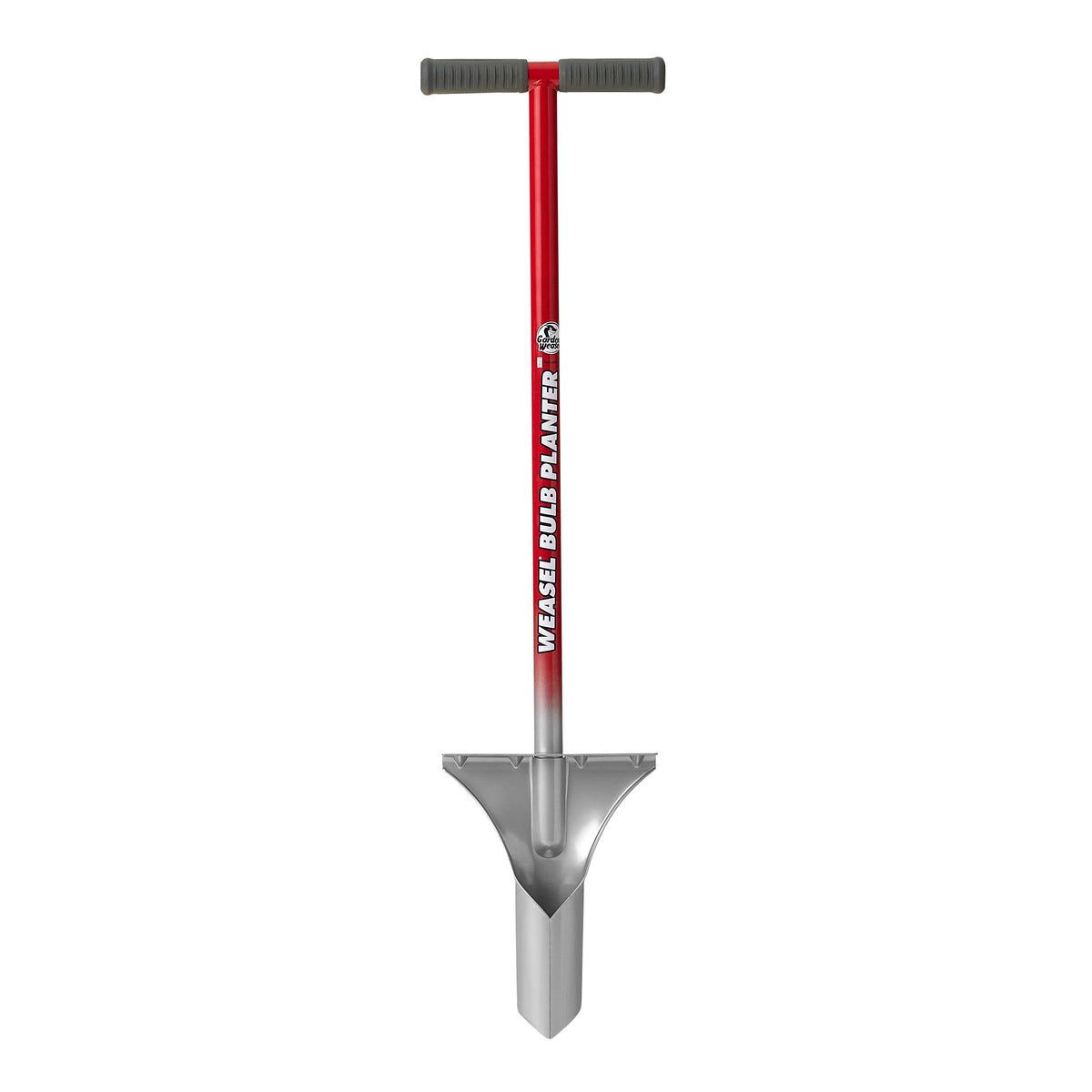
The answer to what is a bulb planter called can depend on the tool design. Each type suits a different garden and planting task.
Hand bulb planter
A hand bulb planter has a short handle and a metal cup or cone. You press it into the soil, twist it, and lift out a small plug.
This style is useful for planting a few bulbs in flower beds, pots, and small lawns. It gives good control and is easy to store.
Long-handled bulb planter
A long-handled model lets you plant while standing. It usually has a foot step or wide blade that helps push the tool into the soil.
This is a good choice for gardeners who find bending or kneeling difficult. It can also speed up work in a large bed.
Bulb dibber
A bulb dibber has a pointed tip. It makes a narrow hole rather than removing a neat soil plug.
Dibbers work well for small bulbs and loose soil. They may be less useful for large tulip or daffodil bulbs because the hole may not be wide enough.
Bulb auger
A bulb auger has a spiral shape. Many bulb augers attach to a cordless drill and create holes quickly.
An auger can save time when planting many bulbs. Use it with care, though. A fast drill can damage soil structure, cut roots, or make an uneven hole in wet ground.
Bulb trowel
A bulb trowel is a narrow digging tool with a pointed blade. It lets you adjust the hole size and depth by hand.
It is a flexible choice when you plant bulbs between existing plants. You can work around roots more carefully than with a large auger.

Bulb Planter vs. Bulb Dibber
A bulb planter and a bulb dibber are related tools, but they are not always the same.
A bulb planter often has a cup or cylinder that removes a plug of soil. A bulb dibber usually has a pointed end that pokes a hole without removing much soil.
Here is a simple comparison:
| Tool | Best for | Main feature |
|---|---|---|
| Bulb planter | Medium and large bulbs | Creates a wider hole |
| Bulb dibber | Small bulbs | Makes a narrow hole |
| Bulb auger | Many bulbs | Drills holes quickly |
| Bulb trowel | Mixed planting | Offers precise control |
If you are planting a small group of crocuses, a dibber may be enough. For dozens of tulips, a cup-style bulb planter is usually more comfortable and efficient.
The words can overlap in garden shops. Some sellers may call a pointed bulb planter a dibber, while others use “bulb planter” for nearly any tool made for bulbs.

How to Use a Bulb Planter Correctly
Using a bulb planter is simple, but small mistakes can affect flowering. Follow these steps for a clean and reliable planting job.
-
Choose the right planting site. Most flowering bulbs need well-drained soil and enough sunlight.
-
Check the bulb label. It will usually show the best depth, spacing, and planting season.
-
Prepare the soil. Break up hard soil and remove large stones, weeds, and thick roots.
-
Place the bulb planter upright. Push it straight down so the hole stays even.
-
Press with your hand or foot. Use steady pressure instead of forcing the tool at an angle.
-
Remove the soil plug if the tool is designed to do so.
-
Put the bulb in the hole. The pointed end should face up, and the root plate should face down.
-
Replace the soil. Press it lightly so there are no large air pockets.
-
Water if needed. Water helps settle the soil, but avoid creating a soggy planting bed.
-
Clean the tool. Remove soil and dry the metal before storing it.
One common mistake is planting bulbs upside down. Many bulbs can still grow, but they may use extra energy and emerge late or unevenly. Another mistake is pressing the tool into soil that is too wet, which can create a smooth, sealed hole that holds water.

How Deep Should You Plant Bulbs?
Planting depth depends on the type and size of the bulb. Always check the package directions first, because bulbs vary.
As a broad guide:
• Small bulbs, such as crocuses, often need shallow holes.
• Medium bulbs, such as tulips and daffodils, need deeper holes.
• Large bulbs, such as some lilies and ornamental onions, may need even more depth.
The soil also matters. In sandy soil, bulbs may need slightly deeper planting to stay cool and secure. In heavy clay soil, planting too deep can cause poor drainage and rot.
A bulb planter with depth marks can help, but do not follow the marks blindly. Measure from the soil surface to the base of the bulb, not simply to the top of the hole.