What Tool Is Used To Dig Up Grass: Top Picks
A flat shovel removes small patches, while a sod cutter is best for lifting large areas of grass.
Knowing what tool is used to dig up grass can save time, effort, and your back. The right choice depends on the size of the area, soil type, grass roots, and whether you want to save the sod. This guide explains which tools work best, how to use them, and which common mistakes to avoid.
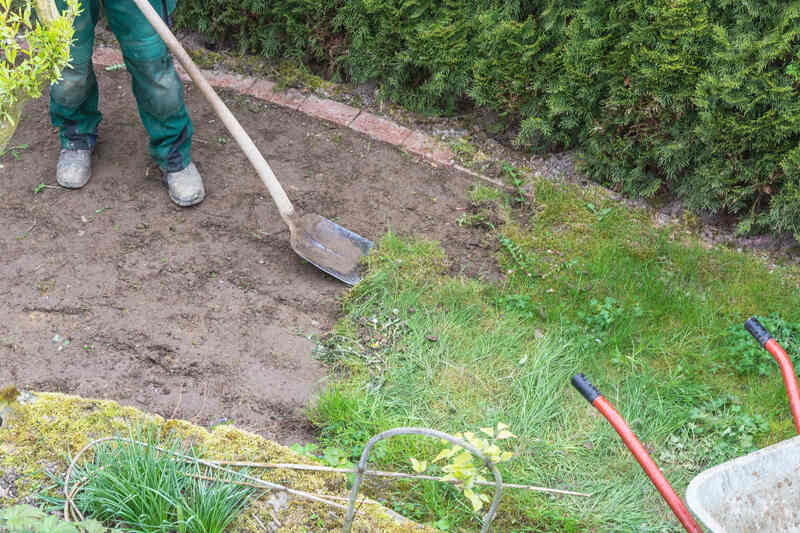
What tool is used to dig up grass?
For most home projects, a sharp flat shovel is the best tool to dig up grass. It cuts under the sod and lifts the grass in small sections. A spade, sod cutter, garden fork, grub hoe, or mattock may work better in certain conditions.
The best tool depends on your goal:
• Small lawn patch: Use a flat shovel or spade.
• Large lawn area: Use a manual or powered sod cutter.
• Hard, dry soil: Use a mattock or grub hoe first.
• Grass with deep roots: Use a garden fork and shovel together.
• Saving the grass for reuse: Use a sod cutter.
• Removing weeds and unwanted turf: Use a spade, grub hoe, or digging fork.
A flat shovel is usually the most useful tool because most homeowners already have one. It has a straight blade that slices below the roots. A pointed shovel can also work, but its curved blade may make clean sod removal harder.

Best tools for removing grass
Flat shovel
A flat shovel, also called a square-point shovel, is the most common answer to what tool is used to dig up grass. Its straight edge cuts a clean line through the turf. You can then slide the blade under the roots and lift the grass.
Choose a shovel with a strong steel blade and a comfortable handle. A sharp edge makes a major difference. If the blade is dull, you will use more force and may strain your back.
A flat shovel works well for:
• Small garden beds
• Tree rings
• Walkways
• Patio edges
• Repairing damaged lawn areas
Spade
A garden spade has a smaller blade than a shovel. It gives you better control when cutting narrow lines or working near plants. A spade is also useful when the soil is firm and you need to press down with your foot.
A spade may be the best tool to dig up grass in tight spaces. It lets you remove turf without harming nearby roots, irrigation lines, or edging.
Sod cutter
A sod cutter is designed to remove grass and a thin layer of soil in long, even strips. Manual sod cutters use a blade and handle. Powered sod cutters have adjustable blades and wheels.
A sod cutter is the fastest tool for large lawn removal. It is useful before installing:
• A vegetable garden
• A flower bed
• A paver patio
• A gravel path
• A retaining wall
• A new irrigation system
Set the blade depth carefully. Cutting too deep removes extra soil and makes the job harder. Cutting too shallow leaves roots behind.
Garden fork
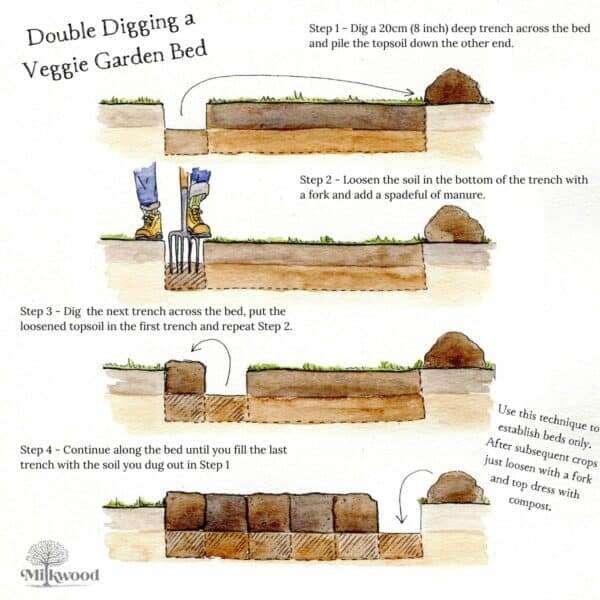
A garden fork has strong metal tines that loosen soil beneath the grass. It is not always the first answer to what tool is used to dig up grass, but it is very helpful in heavy clay or compacted ground.
Push the fork under the sod after cutting the edges. Rock it back and forth to loosen the roots. Then lift the section with a shovel.
Grub hoe or mattock
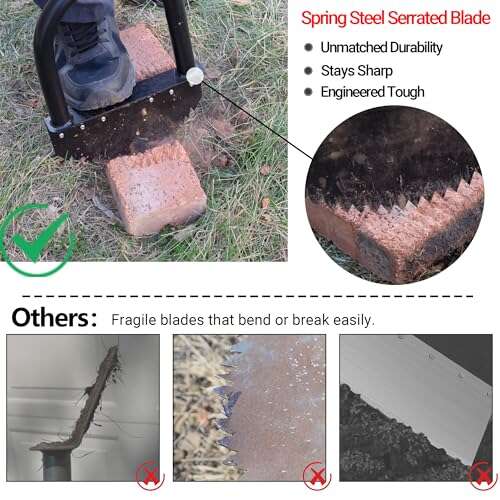
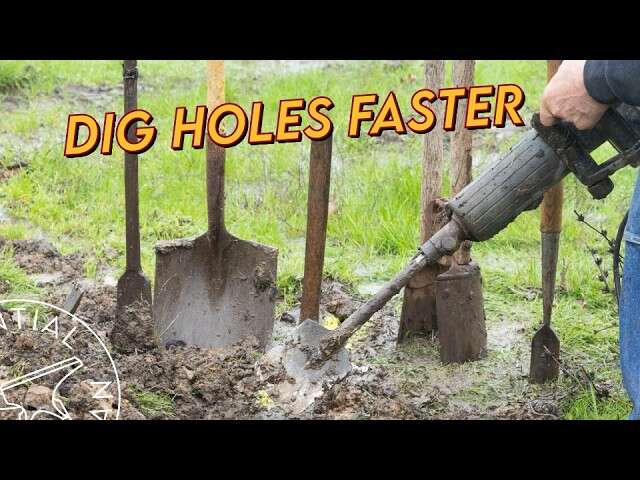
A grub hoe has a strong blade made for cutting roots and breaking hard soil. A mattock combines a cutting blade with a pointed end. Both tools work well when grass grows over dry, rocky, or compacted ground.
Use these tools with care. They can damage underground cables, pipes, and irrigation lines. Always check the work area before digging.

How to choose the right grass removal tool
The size of the area is the first factor to consider. A shovel is practical for a few square feet. It becomes slow and tiring when you need to remove hundreds of square feet.
Soil condition also matters. Moist soil is easier to cut than dry soil, but soaking wet soil can become heavy and sticky. Aim for soil that feels damp but does not cling to your boots or shovel.
Use this simple guide:
• Up to 25 square feet: Use a flat shovel or spade.
• 25 to 100 square feet: Use a sharp shovel and garden fork.
• More than 100 square feet: Rent or buy a sod cutter.
• Rocky soil: Use a mattock, grub hoe, and digging bar.
• Clay soil: Work when the soil is slightly moist.
• Sandy soil: Use a shovel and rake to collect loose roots.
• Turf you want to save: Use a sod cutter and keep the strips moist.
The answer to what tool is used to dig up grass is not always one tool. Many projects go faster when you use a shovel to cut the edges, a fork to loosen roots, and a rake to clean the soil.

How to dig up grass with a shovel
A shovel can remove grass cleanly if you use the right method. Do not simply stab down and pull up random chunks. Mark the area first and work in small, even sections.
Step 1: Mark the area
Use spray paint, string, or a garden hose to outline the section. Check for sprinkler lines, buried cables, and shallow pipes before digging.
Call 811 in the United States before digging if the project may reach buried utility lines. This free service helps locate many underground utilities.
Step 2: Water lightly
Water the area one day before removal if the soil is very dry. Moist soil helps the shovel move through the roots. Avoid watering right before digging because muddy soil is difficult to handle.
Step 3: Cut the edges
Push the shovel straight down along the marked line. Make cuts about 2 to 3 inches deep. This depth usually reaches below the grass roots without removing too much topsoil.
Step 4: Cut the sod into strips
Divide the grass into strips about 12 inches wide. Shorter sections are easier to lift. Large pieces may break apart or become too heavy to carry.
Step 5: Slide under the roots
Push the shovel under the turf at a low angle. Rock the blade gently from side to side. Try to keep the soil layer thin and even.
Step 6: Roll or stack the sod
Roll the pieces with the grass side facing inward if you plan to reuse them. Keep the rolls moist and reinstall them soon. If you are disposing of the grass, shake off loose soil and place it in a compost area when allowed.
A key lesson from hands-on lawn work is to let the shovel do the cutting. Using your back to force the blade through hard soil is a common mistake. Step on the blade, keep your hands apart on the handle, and lift with your legs.

How to use a sod cutter
A sod cutter removes grass faster and creates more even strips. It can be manual or powered. Read the rental instructions before use, since controls vary by model.