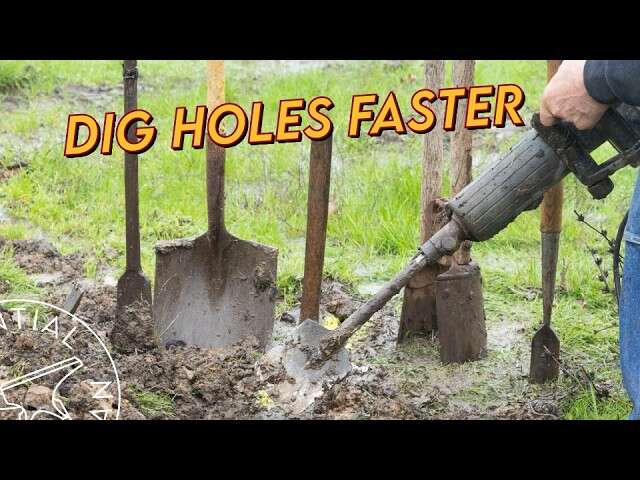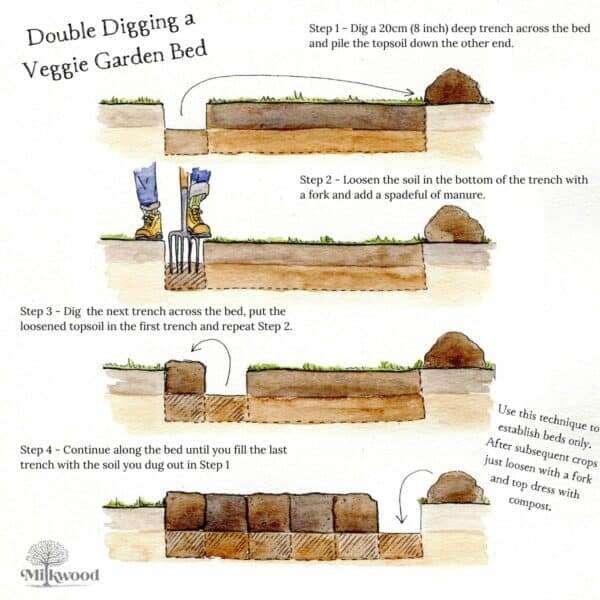
What Do You Use For Digging Into The Soil: Best Tools
For most garden tasks, use a spade, shovel, trowel, or digging fork matched to soil and depth.
Knowing what do you use for digging into the soil makes every garden job easier, safer, and faster. The best tool depends on the soil type, hole size, root strength, and depth you need. This guide explains how each digging tool works, when to use it, and how to avoid common mistakes based on sound gardening practice and hands-on soil work.

What Do You Use for Digging Into the Soil?
The main tools for digging into soil are a garden spade, shovel, hand trowel, digging fork, auger, and hori hori knife. Each tool has a clear purpose.
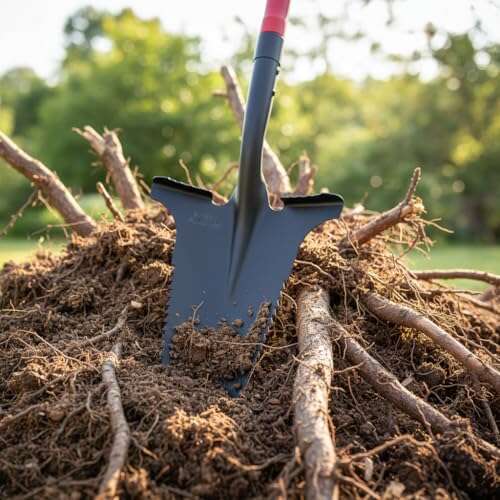
A spade has a flat, sharp blade. It works well for cutting soil, making clean edges, and lifting small blocks of earth. A shovel usually has a curved blade, which helps scoop loose soil, compost, mulch, or gravel.
A digging fork is useful when soil is hard, compacted, or full of roots. Its strong tines break up soil without slicing through as many earthworms and plant roots as a solid blade.
Here is a simple guide:
• Garden spade: Best for edging, turning soil, dividing plants, and digging square holes.
• Shovel: Best for moving loose soil, digging deep holes, and planting shrubs or trees.
• Hand trowel: Best for bulbs, seedlings, herbs, and small container plants.
• Digging fork: Best for compacted soil, roots, stones, and loosening garden beds.
• Auger: Best for making repeated holes for bulbs, fence posts, or small plants.
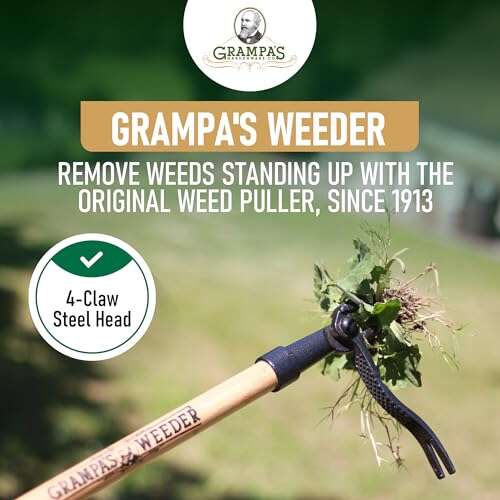
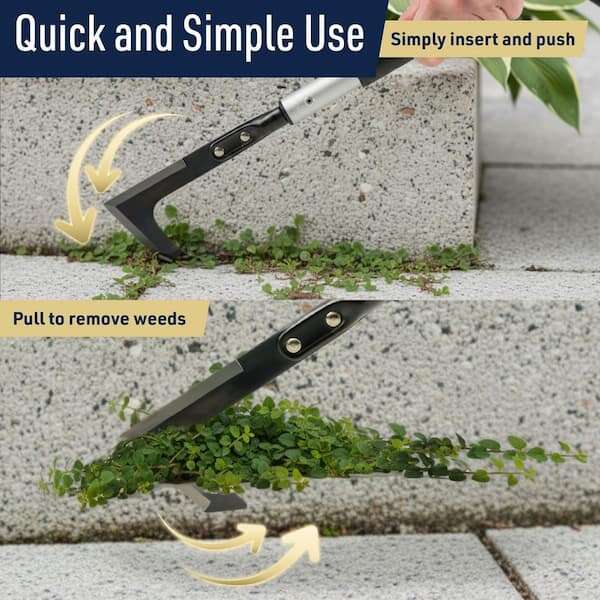
• Hori hori knife: Best for cutting roots, planting bulbs, weeding, and making narrow holes.
The right answer to what do you use for digging into the soil is often more than one tool. A spade may open the ground, while a fork loosens it and a trowel finishes the planting hole.

Choosing the Right Digging Tool
Tool choice should match the job rather than personal preference alone. A small hand trowel is perfect for a flowerpot but frustrating for a large planting bed. A full-size shovel may work well for a tree but damage delicate seedlings.
Consider these factors before you dig:
Soil texture
Sandy soil is loose and easy to move. Nearly any shovel or spade can handle it. Clay soil is heavier and may stick to the blade, so a sharp spade or digging fork works better.
Loam is often the easiest soil to dig. It contains a useful balance of sand, silt, clay, air, water, and organic matter. Even loam becomes hard when it is very dry or compressed by foot traffic.
Hole size
Use a hand trowel for holes only a few inches wide. Use a spade or shovel for larger holes. For many small holes, a bulb planter or garden auger can save time.
Soil depth
A shovel with a long handle gives you leverage for deep holes. A short-handled tool offers better control in tight spaces, raised beds, and containers.
Roots and stones
A digging fork is often the safest choice around thick roots. It can loosen the soil while reducing the chance of cutting a major root. For small roots, a hori hori knife can make a clean cut.
Your strength and comfort
A tool should feel balanced in your hands. A heavy tool is not always stronger or better. Look for a comfortable grip, a shaft that does not flex too much, and a blade that stays sharp.
Garden Spade vs. Shovel
Many gardeners use the words spade and shovel as if they mean the same thing. They are close, but their designs differ.
A spade usually has a flat or nearly flat blade. Its straight edge helps cut through soil and create clean planting borders. It is a strong choice when you need to slice, lift, divide, or turn soil.
A shovel usually has a curved blade and a pointed or rounded tip. It can hold more material, which makes it useful for moving compost, soil, snow, mulch, and sand.
Use a spade when you need to:
• Cut a neat edge around a garden bed
• Divide a mature perennial
• Slice through compact soil
• Dig a square planting hole
• Lift a thin section of turf
Use a shovel when you need to:
• Dig a deep hole for a shrub
• Move loose soil or compost
• Remove soil from a hole
• Mix soil amendments
• Handle large amounts of garden material
If you are unsure what do you use for digging into the soil, start with a sturdy garden spade for general planting. Add a shovel when you often move soil or dig deep holes.

When to Use a Digging Fork
A digging fork has several strong tines instead of one solid blade. It is especially helpful in heavy clay, rocky soil, and beds with many roots.
Push the fork into the soil and rock it gently back and forth. This creates air spaces and loosens the soil. You can then lift and break apart the clumps.
A digging fork is useful for:
• Loosening compacted garden beds
• Turning compost into the top layer of soil
• Lifting potatoes, carrots, and other root crops
• Working around established plants
• Removing weeds with deep roots
• Breaking apart heavy clay
Avoid forcing a fork into soil that is as hard as concrete. You may bend the tines or strain your back. Water the area lightly and wait for the soil to become workable.
Good soil should crumble when squeezed, but it should not form a wet, sticky ball. Extension gardening guidance commonly recommends avoiding work when soil is saturated because digging wet soil can destroy its structure and create hard clods.

Hand Tools for Small Planting Jobs
For small jobs, hand tools provide more control than full-size tools. A hand trowel is the most common choice for digging into potting mix, raised beds, and soft garden soil.
A good trowel has a strong blade and a comfortable handle. Stainless steel resists rust and cleans easily. A narrow blade works well for bulbs and small seedlings. A wider blade moves more soil and suits larger annuals.
A hori hori knife is another useful option. Its sharp edge cuts roots and sod, while its pointed tip opens narrow planting holes. Some models have depth marks, which help you plant bulbs at the correct depth.
A hand cultivator has three or more short tines. It loosens the surface, removes small weeds, and mixes compost into the top layer. It is not a replacement for a spade when the soil is hard or deep.
In my own planting routine, I reach for a trowel first in a raised bed. If the trowel stops at a root or stone, I switch to a hori hori knife or small fork instead of twisting the trowel. That simple change prevents bent tools and tired wrists.

How to Dig Into Soil Without Damaging It
Digging is more than pushing a tool into the ground. The timing and method matter just as much as the tool.