Best Tool For Digging Up Crabgrass: Top Removal Picks
The best tool for digging up crabgrass is a sturdy stand-up weed puller with deep, gripping claws.
Crabgrass can spread fast, root firmly, and turn a neat lawn edge into a rough patch. I know how tiring it feels to bend, pull, and still leave part of the weed behind. The right weeder makes this job much easier. In this guide, I compare eight useful tools for crabgrass, from stand-up pullers to hand mattocks and garden knives. I focus on grip, reach, digging power, soil use, comfort, and value so you can choose the best tool for digging up crabgrass in your yard.
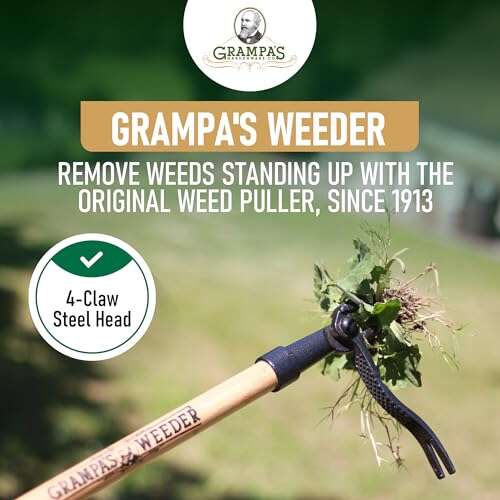
Grampa’s Weeder Bamboo Stand-Up Puller

Grampa’s Weeder is a classic stand-up weed puller with a long bamboo handle and a claw-style head. I like this design for crabgrass growing in soft or damp soil. The long handle lets you work while standing, so your knees and lower back get a break. Its simple build also makes it easy to understand from the first use.
To use it, place the claws around the crabgrass crown, press the head into the soil, and lean the handle to close the grip. Then pull upward and remove the weed with its root mass. It works best after rain or watering, when the ground gives way more easily. This tool is a strong pick for gardeners who want a natural method instead of a spray.
Pros:
- Long handle reduces bending and kneeling
- Claw design grips many weeds at once
- Bamboo handle feels light and natural in hand
- Useful for crabgrass, dandelions, and taproot weeds
- Simple operation suits new gardeners
- Good choice for routine lawn cleanup
Cons:
- May need several pulls for large crabgrass clumps
- Works less easily in hard, dry soil
- Bamboo needs dry storage and basic care
My Recommendation
I recommend this model for homeowners with scattered crabgrass in lawn edges, beds, and paths. It is especially helpful for users who cannot kneel for long periods. The bamboo handle keeps the tool light, while the claws provide enough hold for many young and medium weeds. For loose soil and regular upkeep, this may be the best tool for digging up crabgrass naturally. Its value is strongest when you want a simple, reusable tool without batteries, fuel, or chemicals.
Walensee Stand-Up Crabgrass Puller

The Walensee weed puller targets common lawn weeds such as dandelions and crabgrass. Its stand-up design gives you more reach than a short hand weeder. I find this style useful when weeds appear across a wide yard or along a long fence line. You can cover more ground without spending the day on your hands and knees.
The claw head is made for a push, twist, and pull motion. That motion can lift weeds with less direct strain on your fingers. Water the soil first if the ground feels tight or dry. Like most claw pullers, it performs best when the weed is centered and the claws reach below the crown.
Pros:
- Designed for stand-up weed removal
- Useful for crabgrass and dandelions
- Helps protect knees from repeated bending
- Suitable for lawn borders and garden beds
- Claw head supports a firm weed grip
- Good fit for frequent seasonal cleanup
Cons:
- Large root clumps may require extra effort
- Hard clay can slow the digging action
- May leave a small hole after deep removal
My Recommendation
I would choose the Walensee for a homeowner who wants a dedicated, easy-to-use crabgrass puller with a long reach. It suits users who face repeated weed growth but do not want to use herbicide. The design is most effective when the soil has some moisture and the weed has not formed a huge mat. For broad lawn maintenance, it is a practical contender for the best tool for digging up crabgrass naturally. It offers good day-to-day value for people who prefer simple hand tools.
Tegarbed 39-Inch Three-Claw Weeder
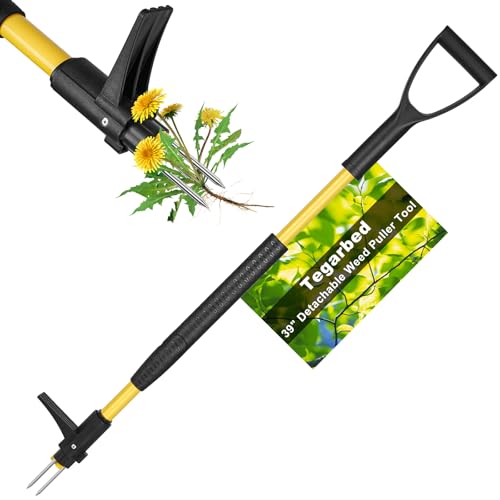
The Tegarbed stand-up weeder uses a three-claw head and a 39-inch handle. That length gives most adults a comfortable working height. The detachable design can also help with storage, transport, and fitting the tool into a small shed. I see this as a useful choice for people who want reach but do not have much storage space.
Three claws can hold a weed crown from several sides. This matters when crabgrass grows in loose soil and the root ball comes free with one steady pull. Use a slow motion rather than a sharp jerk to reduce soil scatter. The tool should handle common lawn weeds well, but very dry ground may still require a hand mattock or watering first.
Pros:
- 39-inch handle offers useful standing reach
- Three-claw head supports balanced gripping
- Detachable design stores more easily
- Helpful for regular yard and lawn work
- Reduces kneeling and repeated bending
- Works well on many shallow and medium weeds
Cons:
- Detachable parts may need checking over time
- Not the first choice for packed clay
- Large crabgrass patches may need many pulls
My Recommendation
The Tegarbed is best for adults who want a tall, storage-friendly tool for scattered crabgrass. Its three-claw layout can give better contact than a narrow single-point weeder. I would use it after rain or irrigation, especially in lawns with soft topsoil. If you need the best tool for digging up crabgrass naturally and want a detachable design, this model deserves a close look. It offers a useful balance of reach, control, and easy storage.
39-Inch Heavy-Duty Stand-Up Weeder

This 39-inch weed puller is built for people who want a heavy-duty stand-up tool. Its long shaft lets you reach crabgrass without constant stooping. The detachable format makes it more convenient to place in a garage or garden cabinet. I consider this style a good middle ground between a small hand weeder and a full garden fork.
For best results, place the claws around the center of the crabgrass rather than at the outer blades. Push down, rock the tool slightly, and pull in a controlled motion. This helps remove more of the crown and lowers the chance of leaving a live center behind. The tool is more useful for individual weeds than for clearing a thick, connected crabgrass carpet.
Pros:
- Long 39-inch reach supports upright work
- Heavy-duty style suits repeated yard use
- Detachable construction helps with storage
- Useful for lawns, paths, and border beds
- Can remove weeds without chemical treatment
- More comfortable than a short hand tool for many users
Cons:
- May feel bulky for small raised beds
- Hard soil can limit claw penetration
- Not ideal for removing a wide crabgrass mat quickly
My Recommendation
I suggest this model for homeowners who want a stronger stand-up weeder for ongoing lawn care. It fits users who value reach and do not mind a slightly larger tool. The detachable design is useful if your shed has limited room. While no hand puller replaces good soil moisture and correct timing, this is a solid option when you want the best tool for digging up crabgrass without kneeling. Its overall value depends on how often you remove weeds and how firm your soil is.
Fiskars Steel Garden Knife

The Fiskars steel garden knife takes a different approach from a stand-up claw puller. This compact tool can cut, pry, loosen, and pull weeds close to the soil. I find a knife-style weeder especially helpful when crabgrass grows beside stones, between pavers, or near valued plants. Its small head gives you more control in tight spaces.
A steel garden knife can also slice through compact soil around the weed crown. That helps when a claw tool cannot fit under the roots. You will need to kneel or bend, so it is not the best choice for users who need an upright tool. Still, for detail work, this type of tool can act like a small shovel, pry bar, and weeder in one.
Pros:
- Compact size works in narrow spaces
- Steel blade can cut through firm soil
- Useful beside stones, edging, and pavers
- Supports digging, prying, and root cutting
- Easy to carry around the garden
- Helpful for precise weed removal near plants
Cons:
- Requires kneeling or bending during use
- Less suitable for many weeds across a large lawn
- Sharp steel needs careful storage and handling
My Recommendation
I recommend the Fiskars garden knife for gardeners who need precision more than speed. It is best for crabgrass in cracks, tight borders, and crowded beds where a long puller may damage nearby plants. If you have hard soil around a weed crown, its steel edge can give you more cutting power. It may not be the best tool for digging up crabgrass across a whole yard, but it can be the best tool for digging up crabgrass in small, difficult spots. Its multi-use design also adds value beyond weeding.
Hand Weeder Uprooting Tool

This hand weeder is made for close, direct work around individual weeds. Its short handle gives you a clear view of the soil and the crabgrass crown. That close control is useful in flower beds, vegetable rows, and small lawn repairs. It also takes little space in a tool bag or garden drawer.
With a hand tool, I suggest loosening the soil first rather than pulling hard at the leaves. Grip near the base, work the point under the crown, and lift with a steady motion. This approach gives you a better chance of removing the growing center. Because it is compact, it works best for small patches rather than a large untreated yard.
Pros:
- Provides close control around garden plants
- Small size fits narrow planting areas
- Easy to carry and store
- Useful for young crabgrass plants
- Allows careful work near roots and stems
- Good choice for quick spot treatment
Cons:
- Requires kneeling, sitting, or bending
- Can be tiring during long weeding sessions
- May struggle with old, deep, or dense crabgrass
My Recommendation
This hand weeder is best for gardeners who remove weeds as soon as they appear. It suits small beds, container gardens, and lawn edges where accuracy matters. I would not choose it as the only tool for a large crabgrass problem, but it can be very effective for routine spot checks. For gardeners who want the best tool for digging up crabgrass in tight spaces, this compact option is practical and easy to keep nearby. Its low storage needs make it a handy second tool.
KEYI Carbon Steel Hand Mattock Pick

The KEYI hand mattock is the heavy-duty choice in this group. A mattock combines a pointed pick with a broader cutting or digging side, depending on the head design. That shape gives you more force in hard soil than a simple hand weeder. It can be useful when crabgrass grows in compact ground, dry clay, or neglected borders.
This is a tool for controlled digging, not delicate pulling. Use the pointed end to open the soil beside the crabgrass, then lift or cut below the crown. The carbon steel head should be treated with care and stored dry to reduce rust. Because the tool needs hand force and close work, it is best for strong users who face stubborn soil in small or medium patches.
Pros:
- Strong choice for firm and compact soil
- Pointed pick can open hard ground
- Useful for cutting below stubborn weed crowns
- Carbon steel supports demanding garden work
- Compact size gives good digging control
- Can serve several soil-prep tasks
Cons:
- Requires more effort than a claw puller
- Not ideal for delicate plants or tight roots
- Needs dry storage and basic steel care
My Recommendation
Choose the KEYI mattock if hard soil is your main problem. It is best for neglected beds, dry edges, and areas where a stand-up claw cannot enter the ground. I would pair it with a hand weeder or puller rather than use it for every lawn weed. For tough patches, it may be the best tool for digging up crabgrass naturally because it can break the soil and reach below the crown. Its value is high for gardeners who need digging power, but it may be more tool than a soft lawn requires.
Grampa’s Weeder Steel-Handle Puller

This Grampa’s Weeder model uses a heavy-duty steel handle for users who want a more robust stand-up tool. The steel construction can feel more substantial than a light bamboo shaft. That extra weight may help with pushing the claws into firm soil. It also makes this model attractive for repeated seasonal use.
The basic technique remains simple: center the claws, press down, tilt the handle, and pull. The tool is most effective when the crabgrass is isolated rather than spread into a thick mat. After each pull, shake excess soil from the roots and refill large holes if needed. For homeowners who want a strong, upright tool, this model provides a useful blend of reach and durability.
Pros:
- Heavy-duty steel handle supports regular use
- Stand-up design reduces back and knee strain
- Claw system can lift weeds from the crown
- Useful for larger or more established weeds
- Suitable for lawns, paths, and garden borders
- Reusable alternative to chemical weed control
Cons:
- Heavier than bamboo-handle models
- Can feel tiring during long sessions
- Less useful when soil is extremely hard or rocky
My Recommendation
I recommend the steel-handle Grampa’s Weeder for homeowners who want a durable stand-up puller and do not mind extra weight. It is a good fit for repeated use, medium weeds, and users who prefer a firm tool in hand. The steel shaft may offer more confidence when you press into moist soil. If you want the best tool for digging up crabgrass naturally and expect to weed often, this is one of the strongest choices in this list. It is widely appealing because it combines a simple motion with a sturdy build.
Best For Comparison
| Best for | Why |
|---|---|
| Large lawn areas | A stand-up claw puller covers scattered weeds without constant kneeling. |
| Hard or dry soil | A steel garden knife or hand mattock can break soil near the crown. |
| Small beds and tight spaces | A compact hand weeder gives better control around valued plants. |
How to Choose the Best Tool for Digging Up Crabgrass
The best tool depends on the soil, the size of the weed patch, and your comfort needs. A stand-up puller works well for isolated weeds in soft soil. A hand tool gives more control near flowers, edging, and stones. A mattock or garden knife makes more sense when the ground is hard.
Do not judge a weeder by handle length alone. Look at the head shape, claw spacing, grip, balance, and storage needs. A long tool may save your back, but it cannot solve every soil problem. A short steel tool may feel slower, yet it can remove weeds that a broad claw cannot reach.
Stand-Up Pullers
Stand-up pullers are often the easiest choice for routine crabgrass control. They let you work from above and use your body weight to enter the soil. They are especially useful for lawns, paths, and open beds. Their main limit is that they need enough room around the weed for the claws to fit.
Hand Weeders
Hand weeders suit small patches and careful work. They let you see the crown and avoid nearby plants. They also cost little space and can stay in a garden basket. The trade-off is clear: you must bend or kneel, and long sessions can strain your hands and back.
Mattocks and Garden Knives
Mattocks and garden knives help when soil is compact. They can cut, pry, or open a path under the root crown. Use them with care near plant roots and irrigation lines. They are digging tools first, so they require more control than a simple puller.
How I Evaluate Crabgrass Weeding Tools
I look first at root removal. Crabgrass can return when the crown remains in the soil, so a good tool must reach below the growing center. I also consider how much soil the tool disturbs. A tool that removes one weed but tears up a wide patch of lawn may create more repair work.
Comfort matters just as much as raw strength. A tool is not useful if it causes pain after ten minutes. Long handles help many users, while compact tools help gardeners work around plants. I also value simple tools because they do not need charging, fuel, or complex parts.
Durability is another key point. Steel heads need care, but they can handle firm soil and repeated use. Bamboo can feel light and pleasant, while steel handles often feel more solid. The right choice depends on whether you value low weight, high strength, or a balance of both.
How to Dig Up Crabgrass the Right Way
Start when the soil is damp but not muddy. Water the area a few hours before you weed, or work after a light rain. Damp soil lets the tool move around the roots with less force. Avoid digging when the ground feels like dry cement.
Find the center of the crabgrass before you pull. The center is often lower and thicker than the outer blades. With a claw tool, place the claws around that center. Push down, tilt the handle, and pull with steady pressure.
With a hand tool, insert the point beside the crown. Loosen the soil on two or three sides. Then lift the weed from below instead of pulling only on the leaves. This method helps remove more of the root and crown.
Check the hole after removal. Pick out any visible crown pieces and shake loose soil from the roots. Fill the hole with soil or compost, then press the surface flat. In a lawn, reseed the bare spot if needed to reduce room for new weeds.
Tips to Stop Crabgrass From Coming Back
Removing mature plants is only one part of control. Crabgrass grows from seed, and one plant can add many seeds to the soil. Pull plants before they flower and set seed when possible. Early action is easier than fighting a thick summer patch.
Keep turf dense and healthy. Mow at the height recommended for your grass type, and avoid cutting too short. A taller, stronger lawn can shade the soil and reduce open space for crabgrass. Water deeply when needed instead of giving frequent, shallow drinks.
Improve bare areas with seed that suits your region. Follow the seed label for timing, soil contact, and watering. Do not spread seed over a thick layer of thatch or compact soil. Good lawn care works like a fence: it blocks many new weeds before they get started.
Use mulch in beds, but keep mulch away from plant stems. A steady mulch layer can block light and reduce weed seed contact with the soil surface. Hand pull new weeds during weekly garden checks. Small weeds are much easier to remove than mature, spreading plants.
Common Mistakes When Removing Crabgrass
The most common mistake is pulling only the leaves. Crabgrass can break at the crown and leave a live piece behind. Always aim the tool at the base. If the weed tears, loosen the soil and remove the remaining center.
Another mistake is working in bone-dry soil. This makes every tool feel weak and increases the chance of breaking stems. Water first, then wait for the soil to become workable. You want damp ground, not a muddy hole.
Many gardeners also use too much force too soon. A sharp jerk can scatter soil and damage nearby grass. Use slow pressure and let the tool do the work. If the ground resists, change the angle or use a digging tool to loosen it.
Finally, some users ignore the empty spot after removal. Bare soil invites new seeds. Fill large holes, press the soil down, and reseed lawn areas when the season allows. Weed control works best when removal and repair happen together.
FAQs Of best tool for digging up crabgrass
What is the best tool for digging up crabgrass?
A stand-up claw weeder is the best general choice for isolated crabgrass in damp, workable soil. It reduces bending and can remove the weed from the crown. For hard soil, a steel garden knife or hand mattock may work better.
Can a weed puller remove crabgrass roots?
Yes, a weed puller can remove much of the root and crown when you center the claws correctly. Damp soil improves the result. Check the hole afterward and remove any crown pieces left behind.
Should I pull crabgrass when the soil is wet?
Pull crabgrass when the soil is moist, not soaked. Slightly damp soil gives the roots room to release. Very muddy ground can collapse and create a larger hole than needed.
Is a hand weeder better than a stand-up weeder?
A hand weeder is better for small patches and tight areas near plants. A stand-up weeder is better for open lawns and users who want less bending. The best choice depends on the size of the job and your comfort.
How do I prevent crabgrass after removing it?
Remove weeds before they set seed, keep turf dense, and repair bare soil. Mow at a suitable height and water deeply when needed. In garden beds, a proper mulch layer can also reduce new growth.
Final Verdict: Which Should You Buy?
For most homeowners, the Grampa’s Weeder Original with the bamboo handle is the best tool for digging up crabgrass naturally. It offers reach, simple claw action, and less bending. Choose the Fiskars knife or KEYI mattock for hard soil and tight spots.
Use the right tool on damp soil, remove the crown, and repair bare ground. With steady care, the best tool for digging up crabgrass can help keep your lawn clean without relying on chemicals.

Laura Bennett is a gardening writer at MyGardenLabs who creates beginner-friendly guides focused on solving common plant care and gardening problems.