What Do You Use A Spade For: Essential Uses And Tips
A spade is used to cut soil, dig planting holes, move earth, edge beds, and divide tough roots.
If you have ever tried to dig hard ground with the wrong tool, you know how tiring garden work can become. Understanding what do you use a spade for helps you choose the right blade, protect your back, and finish jobs with less effort. This guide explains the main uses of a spade, the best techniques, common mistakes, safety tips, and how a spade differs from a shovel.
What do you use a spade for?
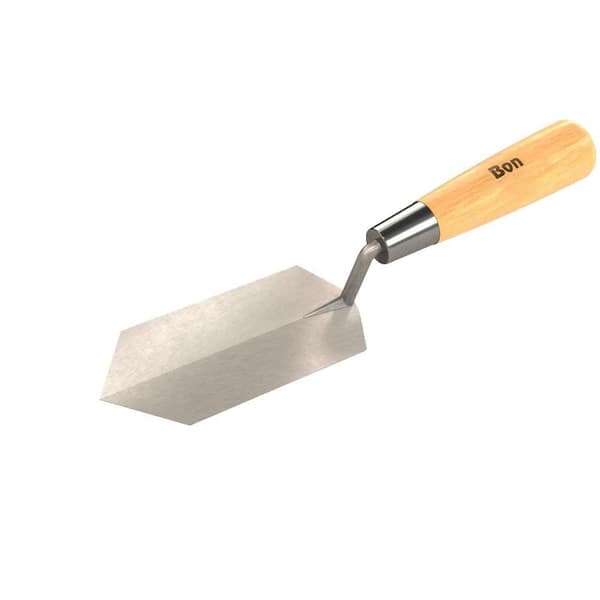
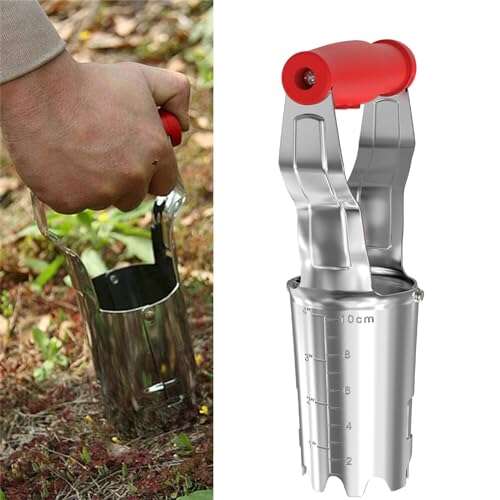
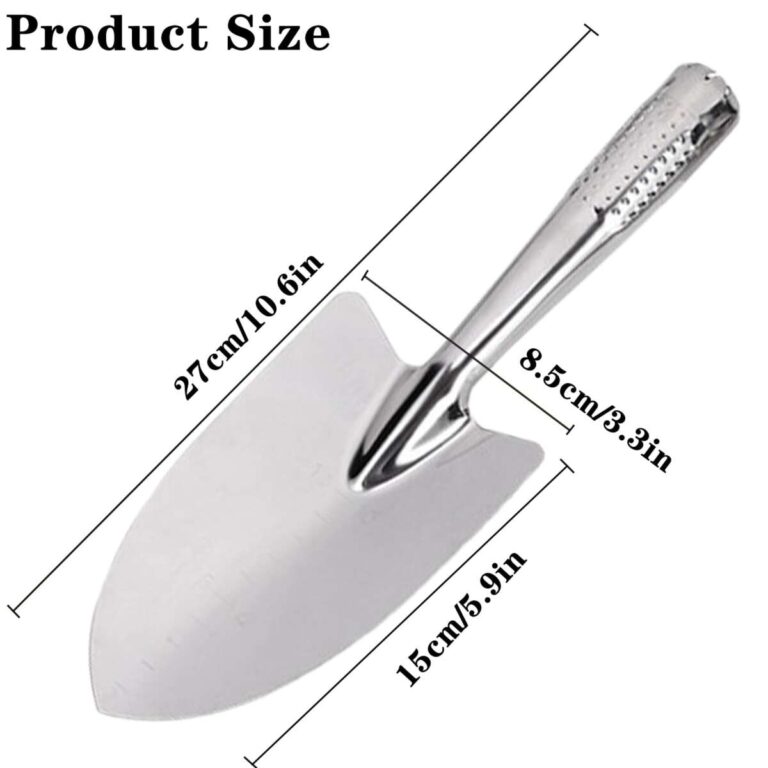
A spade is a hand tool made for digging and cutting soil. It usually has a flat or slightly curved metal blade, a shaft, and a handle. The blade is often sharper and more squared than a typical shovel blade.
What do you use a spade for in daily garden work? You can use it to:
• Cut into firm soil
• Dig straight-sided holes
• Plant trees, shrubs, flowers, and vegetables
• Move small amounts of soil
• Edge lawns and garden beds
• Divide plants and cut roots
• Turn compact soil
• Remove small sections of turf
A spade works like a strong metal slice through the ground. Its shape gives you control, especially when you need a clean cut rather than a wide scoop.

Main uses of a garden spade
A garden spade is useful for many jobs around a yard, vegetable garden, or landscaping project. Its flat blade gives it more precision than a broad digging shovel.
Digging planting holes
One of the most common answers to what do you use a spade for is digging holes for plants. The flat blade can create a neat hole with firm sides.
Use a spade when planting:
• Perennial flowers
• Small shrubs
• Young trees
• Vegetable plants
• Bulbs and bare-root plants
For a good planting hole, make it about twice as wide as the plant’s root ball. The depth should usually match the height of the root ball. Avoid placing the plant too deep, since buried stems can rot.
Cutting and edging borders
A spade is excellent for creating clean lines between grass, mulch, gravel, and planting beds. Push the blade straight down along the border. Then lift the cut section and remove unwanted grass or soil.
This task is called edging. It makes a yard look tidy and also stops grass from slowly spreading into flower beds.
Moving small amounts of soil
A spade can move soil, compost, mulch, and loose gravel. However, it is best for short moves and moderate loads. A shovel with a deep, curved blade usually carries more material.
When moving soil with a spade, keep the load small. A lighter load gives you better balance and reduces strain on your lower back.
Dividing plants
Many mature perennials grow into dense clumps. A sharp spade can split these clumps into smaller sections. This helps control overcrowding and gives you new plants for other parts of the garden.
Good candidates often include:
• Daylilies
• Hostas
• Ornamental grasses
• Iris
• Some perennial herbs
Check the needs of each plant before dividing it. Some plants divide best in spring, while others do better in fall.
 difference between a spade and a shovel?”
style=”max-width: 100%; height: auto; border: 2px solid black; border-radius: 10px; display: block; margin: 0 auto;”
loading=”lazy”
/>
What is the difference between a spade and a shovel?
The terms spade and shovel are often used as if they mean the same thing. In practice, they describe tools with different shapes and jobs.
A spade usually has a flat, straight, or square blade. It is made for cutting, digging, edging, and shaping soil. A shovel often has a wider, deeper, and more curved blade. It is made for lifting and moving loose materials.
Here is a simple comparison:
| Feature | Spade | Shovel |
|---|---|---|
| Blade shape | Flat or square | Curved and deep |
| Main job | Cut and dig | Scoop and move |
| Best material | Firm soil | Loose soil, snow, or mulch |
| Control | High precision | Holds larger loads |
| Common garden use | Edging and planting | Loading and transport |
If you ask what do you use a spade for, think of controlled cutting and digging. If you need to move a large pile of loose material, a shovel may be the better choice.
Some tools combine both designs. These hybrid tools can work well for general garden tasks, but they may not perform as well as a specialized spade or shovel.

How to use a spade correctly
Good technique makes digging safer and easier. The tool should do most of the work. Your body should guide it rather than force it.
Follow these steps:
-
Stand close to the area you want to dig.
-
Place one foot on the top edge of the blade.
-
Push the blade into the soil with steady pressure.
-
Keep your back as straight as possible.
-
Bend your knees and lift with your legs.
-
Turn your whole body when moving soil.
-
Do not twist your back while holding a heavy load.
For hard soil, make several shallow cuts instead of forcing the blade deep in one move. Watering the area a day before digging can soften dry ground. Avoid digging when soil is very wet, because wet soil can compact and stick to the blade.
In my own garden work, one mistake I learned quickly was using my foot on a narrow blade while wearing soft shoes. The blade slipped, and the pressure went straight into my sole. Sturdy boots with good traction make a noticeable difference.

Types of spades and their best uses
Spades come in several designs. The right style depends on the soil, the task, and your body size.
Digging spade
A digging spade has a strong blade for breaking into ordinary garden soil. It is the most useful all-purpose option for planting, turning soil, and removing small plants.
Choose one with a firm blade and a comfortable shaft. Stainless steel resists rust, while carbon steel often offers excellent strength.
Border spade
A border spade is smaller and lighter than a full-size digging spade. It works well in narrow beds, raised gardens, and areas with many plants.
It is also a good choice for people who want more control or have limited strength. The smaller blade removes less soil with each cut, but it can fit into tight spaces.