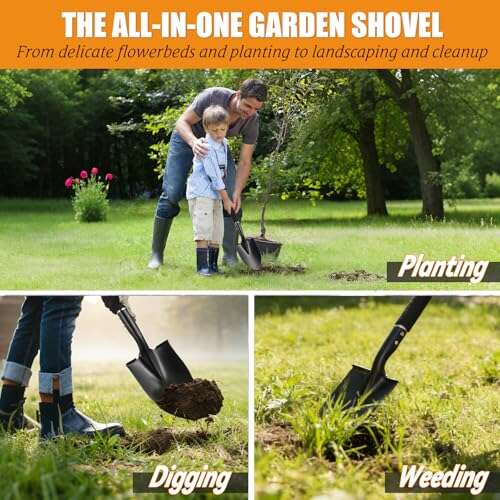
Best Shovel For Planting Rose Bushes: Top Garden Pick
The best shovel for planting rose bushes combines a sharp blade, strong handle, and comfortable control.
Planting a rose bush can turn hard fast when the soil is dry, packed, or full of roots. A weak trowel may bend, while a large spade can make a neat planting hole feel like a full yard project. I looked at blade shape, handle length, grip, digging power, and planting control to find useful choices for real garden work. Whether you need a compact tool for a patio rose or a long spade for clay soil, this guide can help you choose with less guesswork.
Garden Shovels for Digging, 31 Inch
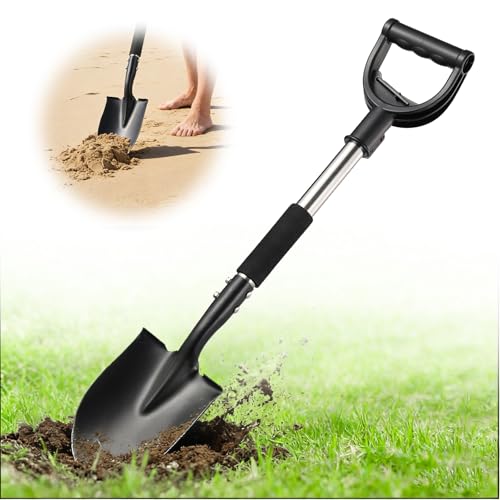
This 31-inch garden shovel offers a useful middle ground between a hand trowel and a full-size digging spade. Its compact length should feel easier to control when you work around existing roses, edging, or other plants. The D-handle gives you a firm place to push and lift. For many home gardeners, that balance makes it a strong candidate for the best shovel for planting rose bushes.
The metal digging blade suits common jobs such as opening a planting hole, loosening soil, and moving compost. Its smaller build can also fit well in a shed, car trunk, or garden cart. I like this style for gardeners who want more leverage than a hand tool without the bulk of a long shovel. Still, check the blade size before buying if you plan to dig through very hard clay or large root balls.
Pros:
- Compact 31-inch length offers good control
- D-handle supports two-handed digging
- Useful for planting, yard work, and camping
- Small shape stores with less clutter
- More leverage than a standard hand trowel
Cons:
- May feel short for very tall users
- Smaller blade may move less soil per scoop
- Hard ground may require a longer, stronger spade
My Recommendation
I recommend this shovel for home gardeners who plant roses in beds with fairly loose or average soil. It gives better reach than a trowel but remains easier to guide than a full-size spade. The compact frame is also helpful for raised beds and tight spaces. If you want a practical, general-purpose option, this is a strong best shovel for planting rose bushes choice and usually offers good everyday value.
WIKER 45-Inch Sharp Shooter Spade

The WIKER sharp shooter spade uses a narrow profile made for focused digging. That shape can help you make a deeper hole without disturbing a wide area around the rose. Its 45-inch length also lets you work with less bending. For gardeners with tall beds or stubborn ground, the long fiberglass handle may provide welcome reach and leverage.
A drain spade can do more than dig holes for roses. You can use it for trenching, dividing narrow spaces, and transplanting plants with care. The narrow blade is especially useful when you need to avoid nearby roots or a buried irrigation line. Because it is a long-handled tool, it may feel less nimble in a small raised bed, so plan your work area before you start.
Pros:
- Narrow blade suits deep, focused holes
- 45-inch handle reduces repeated bending
- Useful for trenching and transplanting
- Fiberglass handle supports outdoor use
- Good reach for tall gardeners
Cons:
- Long handle can feel awkward in tight beds
- Narrow blade moves less loose soil at once
- May be more tool than a small rose needs
My Recommendation
This spade is best for gardeners who face compact soil, narrow planting areas, or many deep-rooted plants. It is also a smart pick for anyone who dislikes bending over for long periods. I would choose it for a rose border near a wall or for a bed with established plants. As a best shovel for planting rose bushes, it favors reach and precision over light, casual use.
Two-Pack Garden Trowel and Hand Shovel

This two-piece garden tool set gives you a wide trowel and a hand shovel for smaller planting jobs. The hand size provides close control around rose roots, mulch, and tender companion plants. A measurement mark on the tool can help you judge planting depth with less guesswork. That feature matters because a rose planted too deep or too shallow may struggle to settle well.
The wide trowel can move potting mix, compost, and loose garden soil quickly. The second tool gives you another shape for digging, filling, or smoothing the hole. A set also helps when a friend or child joins the planting job. These tools are not the best answer for hard clay or a large bare-root rose, but they are handy for containers, small roses, and finishing work.
Pros:
- Two tools cover different small planting tasks
- Depth marks support more accurate planting
- Easy to control near delicate roots
- Useful for containers and raised beds
- Convenient set for shared garden work
Cons:
- Hand tools offer limited leverage in hard soil
- Not ideal for large holes or heavy roots
- Small handles may tire some users
My Recommendation
I recommend this set for patio roses, container roses, and gardeners who already have a full-size spade. The depth mark is a useful touch for new gardeners learning how to place a rose correctly. It also works well as a support set for filling and shaping a hole after a larger shovel does the main digging. For light planting, it may be the most convenient best shovel for planting rose bushes setup.
Kemaier Stainless Steel Hand Trowel

The Kemaier hand trowel is a simple tool for close planting work. Stainless steel suits gardeners who want a blade that is easy to rinse after contact with wet soil. Its small form lets you scoop soil beside a rose without cutting a broad path through the bed. I see it as a precision tool rather than a replacement for a long digging spade.
This type of trowel shines when you plant small rose starts, add compost, or work in a container. It can help you shape the sides of a hole and tuck soil around a root ball. The narrow working area gives your fingers and eyes more control over the final placement. In hard ground, however, you may need to loosen the soil first with a stronger shovel or garden fork.
Pros:
- Stainless steel blade suits regular garden use
- Small size offers precise control
- Easy to carry around the garden
- Useful for containers and small rose plants
- Simple to clean after planting
Cons:
- Limited reach requires kneeling or bending
- Not suited to hard clay or deep holes
- Small blade moves soil slowly
My Recommendation
This hand trowel is best for careful finishing work and small rose plants. I would pair it with a full-size spade when planting a mature rose from a large nursery pot. It is also a good choice for balcony gardeners who need a compact tool. If precision matters more than raw power, this can serve as a useful part of your best shovel for planting rose bushes toolkit.
Alloy Garden Trowel With Comfort Grip
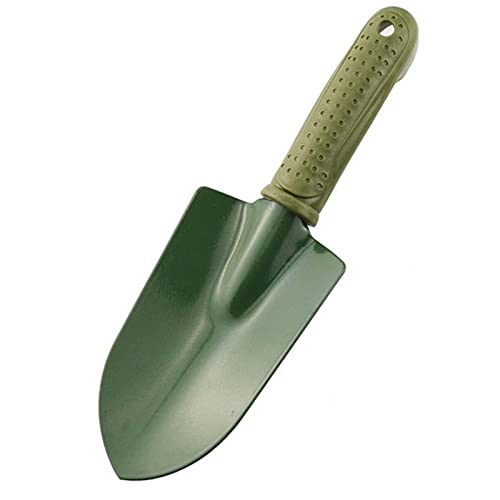
This alloy garden trowel has a compact design for lawn and garden planting. Its anti-slip plastic handle aims to keep the tool steady when your hands are damp or dusty. The metal blade can help with loose soil, potting mix, and small planting holes. For a rose in a pot or soft bed, the simple design may be all you need.
A hand trowel like this gives you a close view of the roots as you work. That makes it easier to avoid scraping a root ball or burying the stem too deeply. The light format also suits gardeners who cannot comfortably handle a large shovel. Its main limit is leverage, so I would not use it as the only tool in rocky ground or dense clay.
Pros:
- Compact design works in small spaces
- Anti-slip handle supports steady use
- Useful for lawn, pots, and flower beds
- Lightweight for routine planting tasks
- Affordable way to add a spare trowel
Cons:
- Short handle requires close-to-ground work
- Not designed for large excavation jobs
- Plastic grip may not suit every hand
My Recommendation
Choose this trowel for light planting, rose containers, and quick garden repairs. It suits people who want a low-cost tool that feels simple and easy to control. I would keep it near the potting bench for daily jobs rather than use it to break new ground. It is a useful companion, but most gardeners will need a larger best shovel for planting rose bushes too.
KOLEIYA 45-Inch Drain Spade

The KOLEIYA drain spade is built around a narrow digging shape and a long 45-inch handle. That combination can help you open deep holes while keeping your back more upright. The D-grip gives you a clear hand position for pushing and lifting. Its design makes sense for rose planting where space is narrow or where nearby plants make a wide blade risky.
This spade also suits trenching, transplanting, and work along borders. A sharp shooter style can enter soil with less surface disturbance than a broad square shovel. The fiberglass handle should feel lighter than some solid wood alternatives, though total tool balance still depends on the user. Use steady pressure, and avoid forcing any shovel against hidden stone or thick roots.
Pros:
- 45-inch length supports an upright working stance
- Narrow blade fits tight planting areas
- D-grip gives strong hand control
- Useful for transplanting and trenching
- Good choice for deep, focused digging
Cons:
- Long design needs storage space
- Narrow blade is slower for broad soil removal
- May feel large for container roses
My Recommendation
I recommend this spade for rose gardeners who need reach, depth, and narrow digging control. It is especially useful beside fences, paths, and established shrubs. Tall users may appreciate the reduced need to stoop, while shorter users should check the length and balance before buying. Among long-handled options for the best shovel for planting rose bushes, this model focuses on efficient, careful digging.
WORKPRO Narrow Stainless Steel Trowel

The WORKPRO garden trowel uses a narrow stainless steel blade and a wood handle. Its slim shape can slide into crowded beds where a wide trowel might harm nearby roots. The wood handle gives the tool a traditional feel and may appeal to gardeners who prefer natural materials. It is made for close work, not for opening a large hole in compact ground.
I would use this trowel to plant small roses, fill gaps around a root ball, or blend compost into the top layer. The narrow blade also helps with weeding and transplanting delicate starts. Stainless steel is practical because soil can be brushed or rinsed away after use. As with most hand trowels, your knees and back do more work than they would with a long spade.
Pros:
- Narrow blade offers good planting precision
- Stainless steel suits wet garden conditions
- Wood handle provides a classic hand feel
- Fits well between established plants
- Useful for transplanting and weeding
Cons:
- Short reach may strain some users
- Limited digging power in firm soil
- Wood may need more care than plastic
My Recommendation
This is a good fit for gardeners who value a narrow blade and a simple wood handle. It works best with small roses, soft soil, and detailed planting tasks. I would not select it as the only tool for a new rose bed, but I would keep it beside a larger spade. It can complete a best shovel for planting rose bushes set with accuracy and control.
Haliaeetus Serrated Trowel With Depth Marks

The Haliaeetus garden trowel adds a serrated edge and four-inch depth marks to a compact planting tool. The markings can help you judge hole depth as you place a rose. The serrated edge may help with small roots, tough weeds, or fibrous soil. This combination gives the trowel more purpose than a plain scoop.
Its hand-size format makes it easy to guide around a root ball. You can use it to open a starter hole, loosen the edges, and pull soil back around the plant. The depth marks are especially helpful for new gardeners who want a repeatable planting method. It remains a hand tool, so it cannot match a full spade for hard ground or large bare-root plants.
Pros:
- Four-inch marks help guide planting depth
- Serrated edge handles small roots and weeds
- Compact shape offers close control
- Useful for roses, bulbs, and seedlings
- Easy to carry during garden rounds
Cons:
- Limited power for compacted soil
- Short handle requires bending or kneeling
- Depth marks do not replace soil preparation
My Recommendation
I recommend this trowel for gardeners who want clear depth guidance and a little extra cutting ability. It is a smart match for container roses and small plants in prepared beds. The serrated edge can save time when fine roots or weeds cross the hole. For close planting control, it is one of the more thoughtful hand-tool choices in this best shovel for planting rose bushes review.
Sinoer Large Aluminum Comfort Grip Trowel

The Sinoer trowel uses a larger scoop shape for moving more soil with each pass. That design can make filling a rose hole faster than a slim hand trowel. Aluminum keeps the tool light, which helps during long container or bed sessions. The comfort grip is aimed at reducing pressure in the hand during repeated scooping.
This tool makes sense for loose soil, compost, mulch, and potting mix. Its wider scoop can help shape a planting hole and return soil around the rose quickly. It is also easy to carry from pot to pot. The tradeoff is simple: a large aluminum hand trowel favors light weight and volume, but it may not deliver the force needed for rocky or packed soil.
Pros:
- Large scoop moves loose soil efficiently
- Aluminum construction keeps weight down
- Comfort grip suits repeated scooping
- Useful for containers and raised beds
- Good for compost and mulch handling
Cons:
- Large hand blade may not fit tight spaces
- Aluminum may not suit heavy prying work
- Still requires bending during use
My Recommendation
This trowel is best for gardeners who work with prepared soil and want to move it quickly. It can be a pleasant choice for container roses, potting benches, and light bed maintenance. I would pair it with a long spade if your soil is hard or rocky. For light work, it adds speed and comfort to a best shovel for planting rose bushes collection.
AgroPro 32-Inch Heavy-Duty Garden Shovel

The AgroPro garden shovel measures 32 inches and uses an ergonomic D-handle. That length offers more leverage than a hand tool while staying shorter than a full-size spade. It can suit gardeners who need to dig a rose hole but do not want a very long or heavy shovel. The D-handle also gives you a firm grip when you push the blade into soil.
This compact shovel should work well for flower beds, yard projects, and general planting. Its small format may feel easier to steer around borders and shrubs than a wide landscape shovel. It also offers a useful balance for gardeners of different heights. Before tackling dense clay, I would water the area first and let the soil soften, since no compact shovel can replace good soil preparation.
Pros:
- 32-inch length balances reach and control
- Ergonomic D-handle supports firm handling
- Useful for planting and general yard work
- Easier to store than a full-size shovel
- More leverage than a hand trowel
Cons:
- May feel short for very tall gardeners
- Not as deep-reaching as a 45-inch spade
- Compact blade may need more passes
My Recommendation
I would choose the AgroPro for gardeners who want one practical shovel for beds, borders, and rose planting. It offers a helpful middle size for people who find full-length spades awkward. The D-handle is also useful when you need to lift or shift loose soil. For balanced everyday use, this is a strong contender for the best shovel for planting rose bushes.
How to Choose the Best Shovel for Planting Rose Bushes
The right tool depends on the rose, the soil, and your body. A container rose needs a different shovel from a mature bare-root rose going into clay. Before you buy, look at the hole size, the soil texture, and the space around the planting site. A good match saves effort and helps you protect the roots.
Pick the Right Blade Shape
A pointed or narrow blade enters firm soil with less surface damage. It works well beside walls, paths, and established plants. A wider blade moves loose soil and compost faster. For most rose planting, I prefer a pointed or narrow digging blade for the first hole, then a wider trowel for backfilling.
Consider Handle Length
Long handles reduce bending and offer more leverage. They can feel excellent in open beds, especially for tall gardeners. Short shovels give better control in raised beds and tight corners. If you plant roses in many locations, a 31- or 32-inch shovel often gives the most flexible middle ground.
Check the Grip
A D-handle helps you push, pull, and lift with both hands. It also makes it easier to control the blade when the soil resists. A hand trowel needs a secure grip because wet soil can make the handle slide. Look for a grip that feels natural, not one that forces your wrist into an odd angle.
Think About Soil Type
Loose loam is friendly to nearly any garden shovel. Clay needs a sharp blade, patience, and moisture at the right time. Rocky soil calls for care because prying can damage a blade or handle. If your soil is very hard, loosen the bed with compost and a digging fork instead of asking a small trowel to do heavy work.
Use the Tool Safely
Call your local utility marking service before digging near buried lines. Wear gloves when handling rose bushes because thorns can hide under leaves. Keep your back straight and push with your foot when the blade allows it. Do not use a shovel as a lever against a large rock unless the tool is designed for that force.
How I Assess a Rose Planting Shovel
I focus first on control. A shovel should open a useful hole without tearing through nearby roots or making the bed hard to repair. I then consider handle comfort, blade shape, storage, and the kind of soil each tool can reasonably handle. Product names can sound impressive, but the actual design matters more than bold wording.
I also compare each tool with the job it claims to serve. A hand trowel may be excellent for a container rose but poor for a new bed. A long drain spade may be powerful and precise but excessive for soft potting soil. This approach keeps the review fair and helps you choose by need rather than by appearance.
Best For Comparison
| Best for | Why |
|---|---|
| General rose beds | The 31- or 32-inch D-handle shovels balance reach, control, and storage. |
| Hard or narrow soil | A 45-inch sharp shooter spade reaches deep and limits surface disturbance. |
| Containers and small roses | A depth-marked trowel or two-piece hand set offers close, careful control. |
FAQs Of best shovel for planting rose bushes
What size shovel is best for planting a rose bush?
A 31- to 32-inch shovel suits many home gardeners. It gives more leverage than a trowel but remains easy to control. Choose a 45-inch spade for deep, narrow work or less bending.
Can I plant a rose bush with only a hand trowel?
Yes, if the rose is small and the soil is loose. A hand trowel works well for containers and prepared beds. A larger shovel is better for mature plants, clay, rocks, or deep holes.
Should a rose planting shovel have a pointed blade?
A pointed blade usually helps it enter firm soil. A narrow blade also limits damage near other plants. A wider blade remains useful for moving compost and backfill.
How deep should I dig a rose planting hole?
Dig a hole deep enough for the root ball to sit at the proper level for its type and climate. The hole should also be wide enough for roots to spread without bending. Follow the nursery label or local extension guidance for graft and soil details.
How do I care for a garden shovel after planting?
Rinse soil from the blade, dry it, and store it under cover. Remove stuck dirt before it hardens. A light coat of suitable oil on metal can help limit rust, while a wood handle benefits from occasional inspection.
Final Verdict: Which Should You Buy?
For most home beds, I favor the 31-inch D-handle garden shovel because it balances control, reach, and storage. It is the best shovel for planting rose bushes for everyday use. Choose a 45-inch drain spade for hard, narrow ground, or a depth-marked trowel for container roses.
Match the tool to your soil and rose size, then plant with care. The right best shovel for planting rose bushes makes a difficult hole feel simple and helps your new rose start strong.

Laura Bennett is a gardening writer at MyGardenLabs who creates beginner-friendly guides focused on solving common plant care and gardening problems.