Is It Good To Trim Bushes In The Fall: Fall Pruning Guide
Yes, it is good to trim bushes in the fall when you make light cuts at the right time.
Knowing whether it is good to trim bushes in the fall depends on the plant, your climate, and the type of pruning needed. Fall can be an excellent time to remove dead growth, clean weak branches, and shape many shrubs. However, heavy trimming at the wrong time can reduce flowers, invite winter damage, or push out tender new growth. This guide will help you choose the safest approach.
Is It Good to Trim Bushes in the Fall?
In many cases, yes, it is good to trim bushes in the fall. Cooler weather makes outdoor work easier, and many shrubs slow their growth after summer. The leaves may also drop, making it easier to see the plant’s structure.
Fall pruning works best for basic cleanup. You can remove dead, broken, diseased, or crossing branches. You can also cut back branches that block walkways or rub against your home.
Still, fall is not the best season for every shrub. A plant’s bloom time matters more than the calendar. Shrubs that bloom on old wood may lose next spring’s flowers if you cut them too much in autumn.
Fall pruning is usually safest when:
• The shrub is dormant or nearly dormant
• The cuts are light and selective
• You remove damaged or diseased wood
• The plant does not bloom early on old wood
• Your area still has several mild weeks before hard freezes
Fall pruning is risky when:
• The shrub has active new growth
• The plant blooms in early spring on old wood
• You plan to remove more than one-third of the plant
• A hard freeze is expected within a few days
• The shrub is stressed by drought, pests, or disease
The short answer to “is it good to trim bushes in the fall” is yes for cleanup, but usually no for major shaping unless you know the shrub’s growth cycle.

Benefits of Trimming Bushes in the Fall
Fall pruning can improve the health, safety, and appearance of your landscape. It is not only about making bushes look neat. Good pruning also helps the plant use its energy well.
1. Removes dead and damaged branches
Dead branches can break during winter storms. Broken wood may expose healthy tissue and create entry points for insects or disease.
Removing these branches improves air flow and reduces safety risks near homes, driveways, and walkways. Always cut damaged wood back to healthy tissue or to the branch collar.
2. Reduces disease problems
Diseased branches can spread problems within a shrub. Removing them in fall may reduce the amount of infected material that remains through winter.
Clean your pruners after cutting diseased wood. A household disinfectant made for garden tools can help prevent the spread of pathogens from one plant to another.
3. Improves the shrub’s shape
Light trimming can restore balance after a long growing season. It can remove long shoots, uneven growth, and branches that crowd the center.
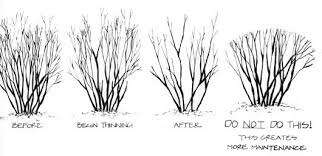
A healthy shrub should not look like a green ball unless that shape suits the species. Natural forms often look better and allow more sunlight to reach the inner branches.
4. Improves winter safety
Large branches near windows, roofs, and power lines can become dangerous when covered with ice or snow. Removing weak branches before winter may protect both the plant and your property.
Do not prune branches near power lines yourself. Contact a qualified tree professional for that work.
5. Saves time during spring cleanup
A small amount of fall maintenance can make spring easier. Removing fallen debris and broken branches gives you a cleaner starting point when the growing season begins.
This is one reason many homeowners ask, “is it good to trim bushes in the fall?” For busy gardeners, careful fall cleanup can be practical and useful.

Which Bushes Can You Trim in the Fall?
The best fall pruning candidates are shrubs that tolerate light maintenance and do not set next year’s flower buds on old wood.
Evergreen shrubs
Many evergreen shrubs can handle light trimming in early fall. Examples include:
• Boxwood
• Holly
• Yew
• Arborvitae
• Juniper
• Privet in mild climates
With evergreens, focus on dead, damaged, or badly placed branches. Avoid deep cuts into old, bare wood unless the species is known to regrow from it. Some evergreens recover slowly from severe pruning.
Summer-blooming shrubs
Shrubs that bloom on new wood often tolerate pruning in late winter or early spring. However, light fall cleanup is usually fine after flowering has ended.
Examples may include:
• Butterfly bush
• Rose of Sharon
• Beautyberry
• Spirea varieties that bloom in summer
• Some panicle hydrangeas
The exact pruning time varies by species and climate. Check the plant label or a local extension guide before making major cuts.
Deciduous shrubs used for structure
Some shrubs are grown mainly for leaves, stems, or shape rather than flowers. Light fall pruning may work well for these plants.
Examples include certain dogwoods, ninebarks, and shrubs with colorful winter stems. Even then, avoid removing too much growth before severe cold.
Shrubs that need caution
Some plants should usually not receive heavy fall pruning. These include:
• Lilac
• Forsythia
• Flowering quince
• Weigela
• Azalea
• Rhododendron
• Viburnum
• Bigleaf hydrangea
• Oakleaf hydrangea
Many of these plants bloom on old wood. Their flower buds may already be set in fall. Cutting them now can remove the flowers you hoped to enjoy next spring.

When Should You Trim Bushes in the Fall?
Timing is one of the most important parts of safe fall pruning. Early fall is often better than late fall because the plant still has time to seal small wounds before freezing weather.
In much of the United States, early to mid-fall is a reasonable window for light pruning. The exact date depends on your USDA hardiness zone, local weather, and plant type.
A useful rule is to finish major cleanup several weeks before your area’s typical first hard freeze. This gives fresh cuts time to begin healing and reduces the chance of tender new growth.
Avoid pruning during these conditions:
• Hot, dry weather
• Wet weather that keeps cuts damp
• A sudden cold snap
• Extended drought
• Active pest or disease outbreaks
• Periods when the plant is producing soft new shoots
Late fall can still be suitable for removing dead or dangerous branches. However, keep the cuts limited. Late-season pruning should be more like careful maintenance than a full haircut.
For readers wondering “is it good to trim bushes in the fall,” the best answer is to watch the plant, not just the month. When growth has slowed and the weather is mild, light pruning is usually safer.

How Much Should You Cut Back?
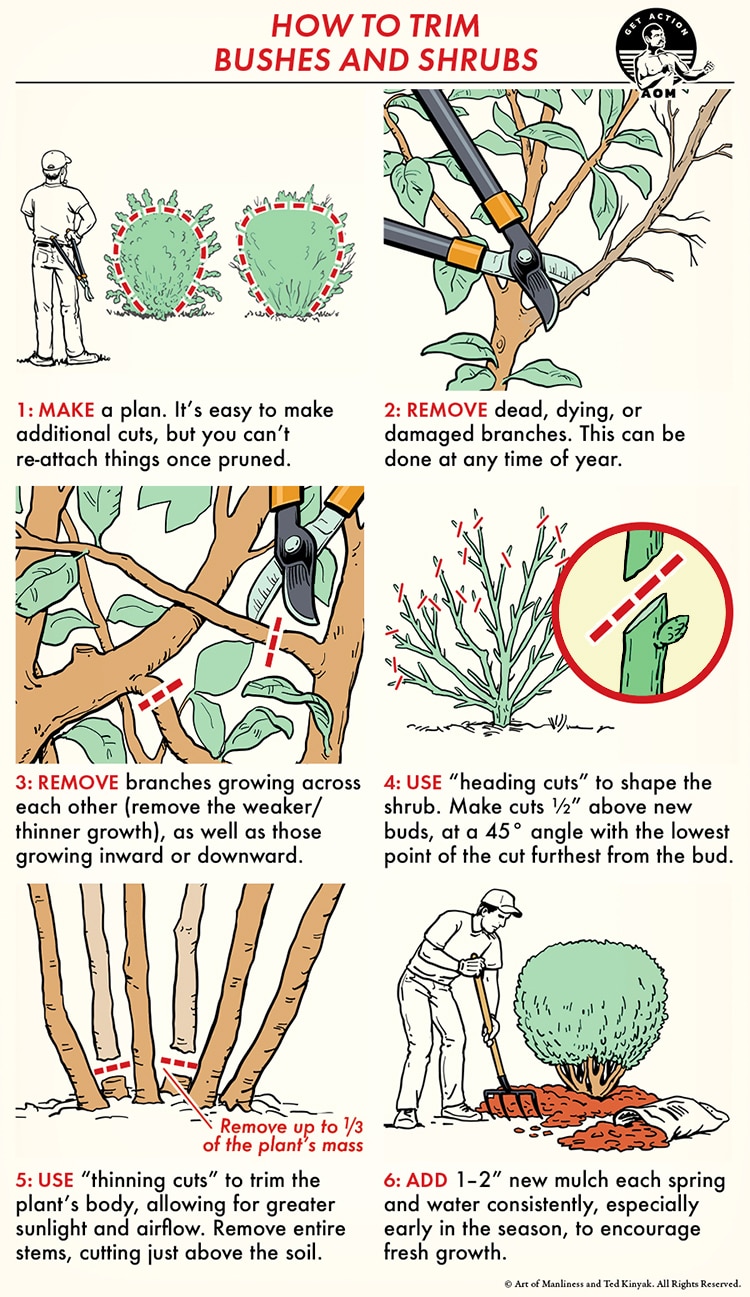
A common pruning mistake is removing too much at once. Most established shrubs should not lose more than one-third of their live growth in a single year.
For fall maintenance, aim for less. Remove only what is necessary to improve health, safety, or shape.
Use these simple limits:
• Remove dead branches completely
• Cut broken branches back to healthy wood
• Remove crossing branches when they rub
• Thin a few crowded stems from the base
• Shorten long branches by cutting back to a strong side branch
• Avoid cutting every branch to the same height
Do not leave long stubs. Stubs can die back and become entry points for decay. Make clean cuts just outside the branch collar, which is the slightly swollen area where a branch joins the trunk or main stem.
Never apply tree wound paint to normal pruning cuts. Most healthy shrubs can seal their wounds naturally. Thick coatings may trap moisture or hide problems.
When asking “is it good to trim bushes in the fall,” also ask how much trimming is needed. A few smart cuts can help. A severe cut can stress the plant.
How to Trim Bushes Safely in the Fall
Safe pruning does not require complex tools, but it does require care. Sharp equipment makes clean cuts and reduces crushed bark.
Gather the right tools
Use tools that match the branch size:
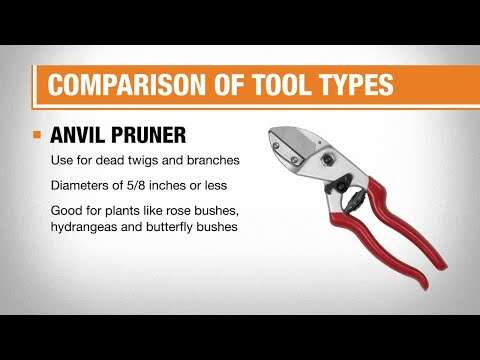
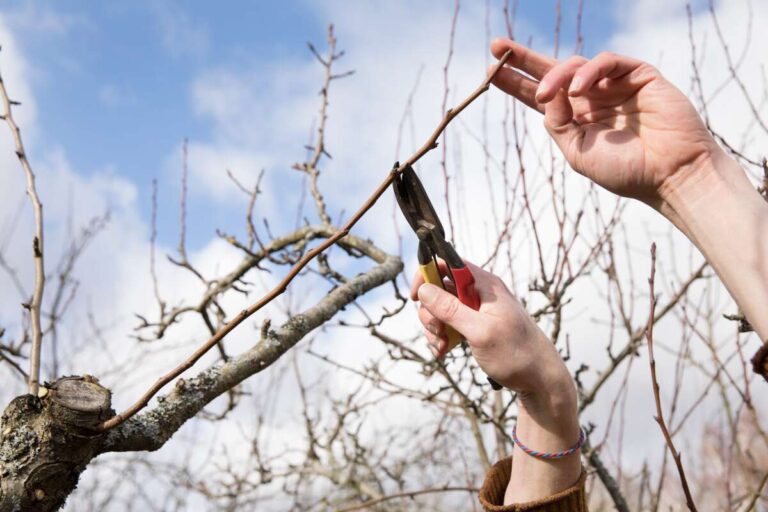
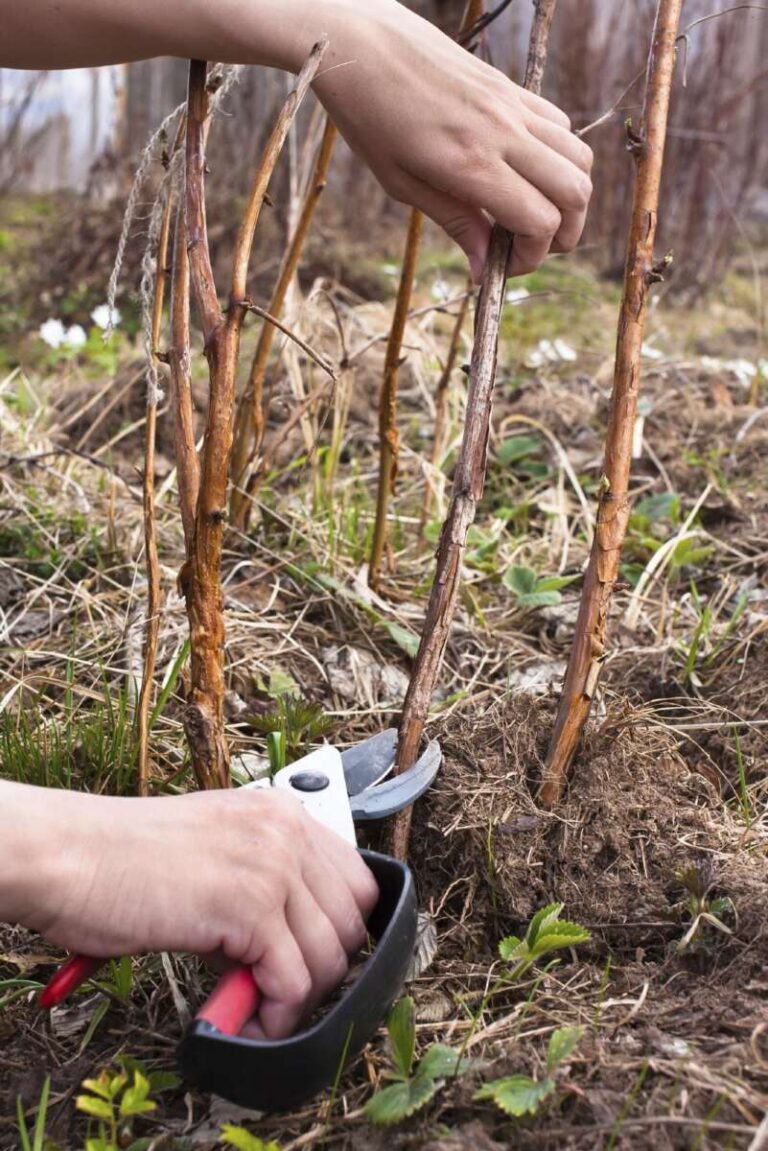
• Hand pruners for small stems
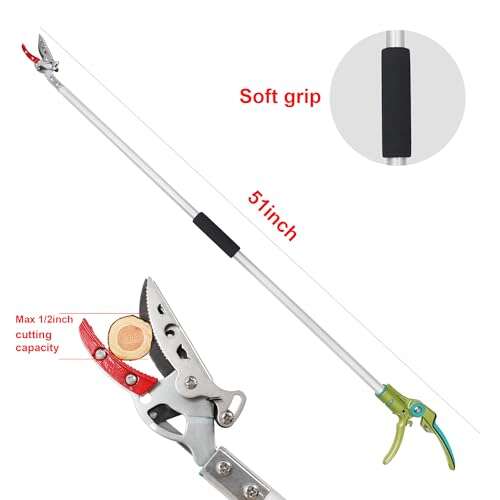
• Loppers for medium branches
• A pruning saw for larger limbs
• Gloves and eye protection
• Disinfectant for cleaning tools
• A tarp or yard bag for debris
Keep blades sharp. Dull tools can tear bark and make the job harder.
Follow a simple pruning order
- Walk around the shrub and study its shape.
- Remove dead, diseased, or broken branches.
- Cut out branches that cross or rub.
- Remove weak stems from the base if the shrub is crowded.
- Make only small shaping cuts.
- Step back often to check the form.
- Clean up fallen leaves and cut branches.
Do not begin by shearing the outside of the shrub. Shearing may create a dense outer shell that blocks light from the center. Over time, the inside can become bare and weak.
A better method is selective pruning. Choose individual branches and cut them back to a healthy side branch or the base. This preserves a more natural shape.