When To Prune Bushes In Fall: Best Timing And Expert Tips
In most regions, when to prune bushes in fall means after leaf drop and before hard frost.
Knowing when to prune bushes in fall helps you protect plant health, shape overgrown growth, and prepare shrubs for winter. The right date depends on the shrub type, your USDA hardiness zone, and whether the plant blooms on old or new wood. This guide explains the best timing, safe pruning methods, common mistakes, and the shrubs that should wait until spring.

The best time to prune bushes in fall
For many deciduous shrubs, the safest time to prune bushes in fall is after the leaves drop and the plant enters dormancy. At this stage, the shrub has slowed its growth, and you can clearly see its branch structure.
Aim to finish most fall pruning at least two to four weeks before the ground freezes. This gives fresh cuts time to begin sealing before severe cold arrives.
The ideal window often falls between late September and early November. However, local weather matters more than the calendar.
When deciding when to prune bushes in fall, look for these signs:
• Most leaves have fallen.
• New twig growth has stopped.
• The shrub no longer has soft, green shoots.
• The weather is cool but not freezing.
• A hard frost is not expected within the next several days.
Pruning too early can encourage new growth. That tender growth may suffer winter injury. Pruning too late can leave open wounds exposed to freezing temperatures.

Why fall pruning can help shrubs
Fall pruning can remove weak, damaged, or diseased wood before winter storms arrive. It also improves air movement through dense branches and reduces the risk of limbs rubbing against one another.
A clean, well placed cut can help a shrub enter winter with less stress. Think of it as tidying a room before a storm. You remove what may cause trouble, but you do not rebuild the whole room.
The main benefits of pruning bushes in fall include:
• Removing dead or broken branches
• Cutting out diseased wood
• Reducing branches that cross or rub
• Removing suckers and unwanted shoots
• Improving the shrub’s shape
• Keeping paths, windows, and walkways clear
• Reducing the chance of storm damage
Fall pruning is not always the best time for major shaping. Heavy cuts can stimulate growth at the wrong time or remove flower buds that formed for next spring.

Which bushes should you prune in fall?
The best candidates for fall pruning are shrubs that bloom on new wood or shrubs that need light maintenance. These plants produce flowers on stems that grow during the current season.
Common examples include:
• Summer blooming spirea
• Potentilla
• Rose of Sharon
• Smooth hydrangea
• Panicle hydrangea
• Butterfly bush
• Bluebeard
• Beautyberry
• Some varieties of shrub roses
Even with these plants, fall pruning should usually be light. Remove dead, damaged, or awkward branches first. Save severe renovation cuts for late winter or early spring unless the plant has a clear safety problem.
The answer to when to prune bushes in fall also depends on your goal. Light cleanup is often safe. Heavy reshaping is more risky.

Which bushes should wait until spring?
Many spring flowering shrubs set their flower buds on old wood during the previous summer. If you prune them in fall, you may remove next year’s flowers.
Wait until after spring bloom to prune shrubs such as:
• Lilac
• Forsythia
• Azalea
• Rhododendron
• Weigela
• Viburnum varieties that bloom in spring
• Mock orange
• Deutzia
• Ninebark varieties that flower on older stems
Some hydrangeas need special care. Bigleaf hydrangea and oakleaf hydrangea often bloom on old wood, so fall pruning can reduce flowers. Panicle and smooth hydrangeas usually bloom on new wood and are more flexible.
Plant labels can help, but labels are not always complete. If you do not know how a shrub blooms, use a cautious approach. Remove only dead or unsafe branches in fall, then do the main shaping after flowering.
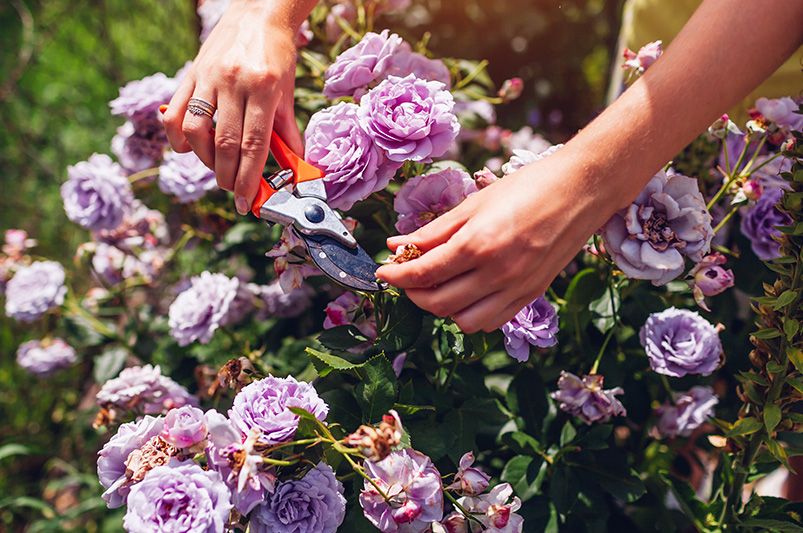
When to prune evergreen bushes in fall
Evergreen shrubs need a more careful approach because they keep their leaves through winter. Broadleaf evergreens, such as boxwood, holly, and some euonymus, can handle light trimming in early fall.
Avoid heavy pruning late in the season. New shoots may not harden before cold weather. Those tender shoots can turn brown or die back.
For evergreen bushes, the safest fall work usually includes:
• Removing dead branches
• Cutting out damaged growth
• Trimming a small amount from long shoots