Can I Prune Evergreens In The Fall: Expert Guide
You can prune some evergreens in fall, but timing, plant type, and pruning depth all matter.
If you are asking, “Can I prune evergreens in the fall?” the answer is yes in many cases, but fall pruning requires care. A light trim can remove dead growth, improve shape, and protect plant health. However, heavy pruning at the wrong time may cause new growth, winter injury, or permanent bare spots.
This guide explains when to prune evergreen shrubs and trees, which plants respond well to fall trimming, what tools to use, and which common mistakes to avoid. The advice below follows standard recommendations from university extension services, arboriculture professionals, and practical garden care.

Can I prune evergreens in the fall?
Yes, you can prune evergreens in the fall, but only when the work is light and well timed. The safest fall pruning tasks include removing dead, diseased, broken, or crossing branches. You may also trim a few wayward shoots to maintain the plant’s shape.
Early fall is usually safer than late fall. Aim to prune after the summer heat has passed but before the plant enters deep winter dormancy. In many parts of the United States, this means late August through September, though the best window depends on your local climate.
Avoid major shaping or drastic size reduction in late fall. Fresh cuts can heal slowly before freezing weather arrives. New growth may also develop after pruning, and that tender growth can suffer from cold, wind, and ice.
When deciding, “Can I prune evergreens in the fall?” first check these conditions:
• The plant is healthy and actively growing slowly.
• The weather is dry and mild.
• The plant has at least several weeks before hard freezes.
• You plan to remove only a small amount of growth.
• You are not cutting into large, old sections without a clear reason.
A good rule is to treat fall pruning like a haircut, not a major makeover. Remove what is damaged or out of place, but save heavy work for the plant’s best pruning season.

The best time to prune evergreen shrubs and trees
The ideal pruning time depends on the type of evergreen. Evergreen plants do not all grow in the same way, so one schedule does not fit every species.
Needled evergreens, such as pine, spruce, fir, and Douglas fir, often need little routine pruning. Remove dead or damaged branches at any time, but do most shaping in late winter or early spring. This timing lets you see the branch structure and avoid cutting during extreme summer heat or winter cold.
Broadleaf evergreens, such as holly, boxwood, and some types of laurel, often tolerate light fall pruning. Still, spring is usually better for heavy shaping. Spring pruning gives the plant a full growing season to produce new leaves and close small wounds.
Some plants have special rules:
• Pine: Prune new candles in spring, but avoid cutting into old bare wood because many pines will not produce new buds there.
• Spruce and fir: Remove dead branches, but avoid deep cuts into bare inner wood.
• Arborvitae: Light trimming is usually fine, but old brown wood may not regrow.
• Juniper: Prune lightly and avoid cutting far into leafless areas.
• Yew: Yews are more forgiving and can often handle stronger pruning, especially in late winter or early spring.
• Boxwood: Light fall trimming may be acceptable, but stop early enough to prevent tender new growth before frost.
• Holly: Remove damaged or unwanted branches in fall, but save major size reduction for late winter or early spring.
The answer to “Can I prune evergreens in the fall?” is more favorable for broadleaf shrubs than for many needled trees. Even then, the plant’s health and your local weather should guide the decision.
When fall pruning is safe
Fall pruning is safest when the plant has finished its main summer growth but has not yet faced repeated freezing nights. The goal is to make clean cuts without encouraging a flush of soft new shoots.
Watch your plant and the weather instead of relying only on a calendar. If the plant is still producing long, soft shoots, wait. If leaves are dropping from nearby deciduous trees and cold nights are arriving, keep pruning very light.
Fall pruning is often appropriate for these tasks:
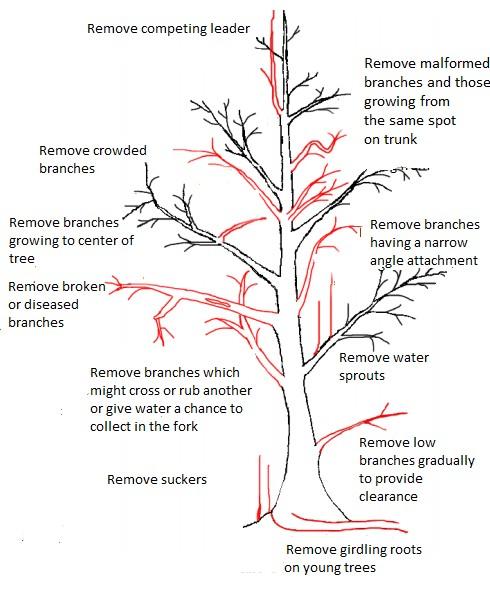
• Removing dead branches
• Cutting out diseased growth
• Removing branches damaged by storms
• Removing branches that rub against each other
• Improving airflow inside a dense shrub
• Trimming a small amount from a hedge
• Removing suckers or weak shoots
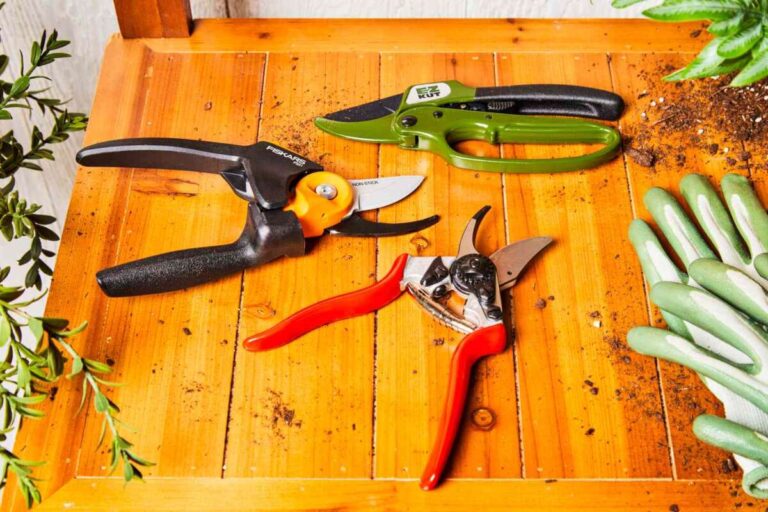
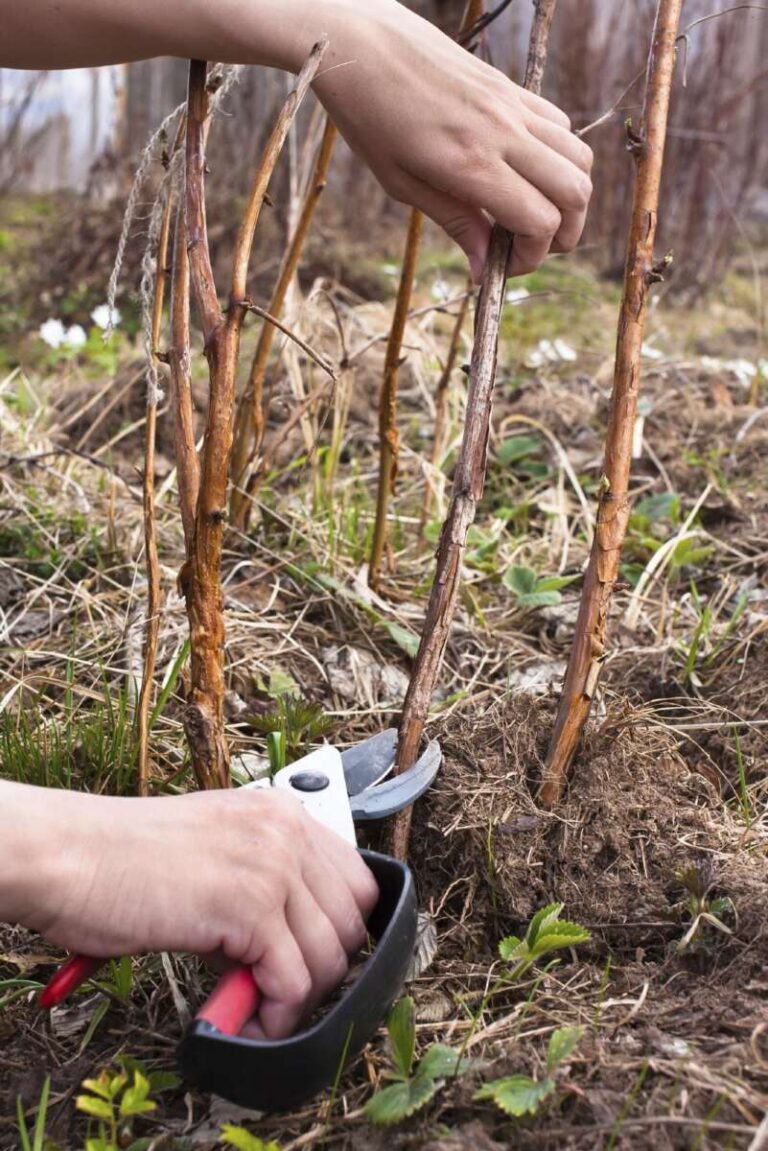
A dry day is best. Wet foliage can spread some plant diseases, and slippery branches make the work less safe. Use sharp, clean tools, and disinfect them between plants when disease is present.
In my own garden work, the most useful fall cut is often the simplest one: removing a dead branch that would otherwise collect snow. I have also seen people trim too late, then feel disappointed when brown tips appear after winter. The lesson is clear: small cuts made early are much safer than a large trim made just before freezing weather.

When you should not prune evergreens in the fall
There are times when the answer to “Can I prune evergreens in the fall?” is no. Avoid pruning when the plant is stressed, the weather is severe, or the job requires removing a large part of the plant.
Do not prune during drought unless the cut is needed for safety or disease control. A dry evergreen already has limited water reserves. Pruning creates wounds and can add stress when the roots cannot supply enough moisture.
Avoid pruning during wet weather or when a plant shows signs of disease that you cannot identify. Some fungal and bacterial problems spread through wet tools and damp plant tissue.
Do not perform major pruning just before a hard freeze. Large cuts expose more tissue, and new shoots may not have enough time to mature. This is especially risky for plants in northern zones, exposed sites, and areas with strong winter winds.
Postpone pruning if:
• The plant has severe insect damage.
• The soil is frozen or waterlogged.
• A heat wave or hard freeze is expected.
• The plant was recently transplanted.
• You need to remove more than one-third of the plant.
• The evergreen has large bare areas that may not regrow.
If a tree has a large, high, or dangerous branch, contact a certified arborist. A ladder, chainsaw, or heavy limb can create serious risks. Good pruning is not only about plant health; it is also about personal safety.
How much can you prune in the fall?
For most evergreen shrubs, remove no more than about 10% to 20% of the live growth during fall. This is a conservative guide, not a strict law. A diseased or broken branch may need removal even if it represents more than this amount.
A light trim preserves the plant’s natural shape. It also reduces the chance of stimulating soft growth that cannot mature before winter.
Use the one-third rule with care. Removing one-third of a healthy shrub may be acceptable during its best pruning season, but it can be too much in late fall. For an old, neglected, or stressed evergreen, a gradual plan is usually safer.
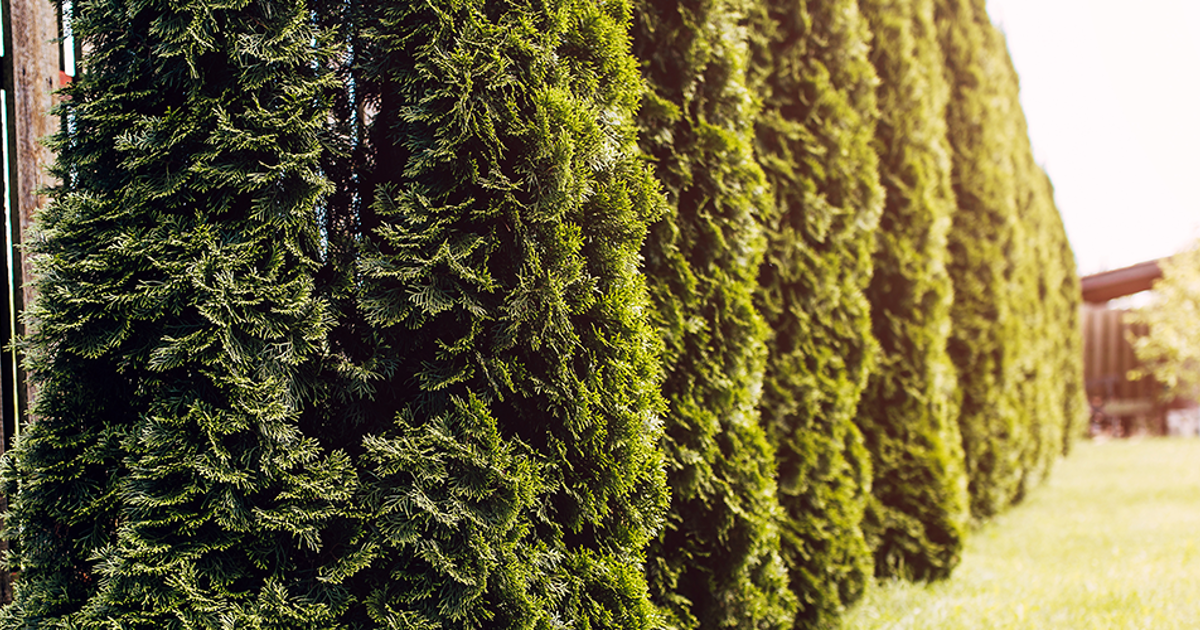
When pruning a hedge, avoid making the top wider than the bottom. A slightly tapered shape allows sunlight to reach the lower branches. If the top becomes wider, the lower section may thin and turn brown over time.
Never remove the green outer layer without checking the plant’s ability to regrow. Arborvitae, juniper, and many conifers may not produce new shoots from old, bare wood. Once that area turns brown, it may stay bare.
The safest answer to “Can I prune evergreens in the fall?” often means removing a few problem branches rather than cutting the whole plant into a new shape.