What Do Pruning Shears Look Like: Types And Key Features
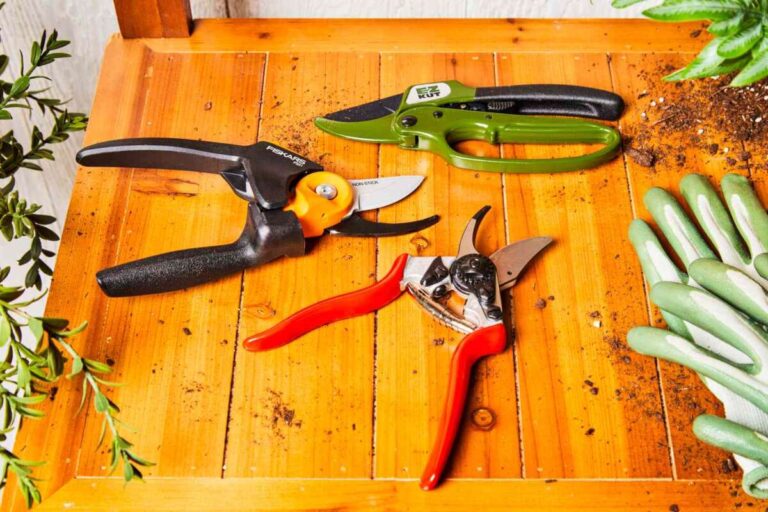
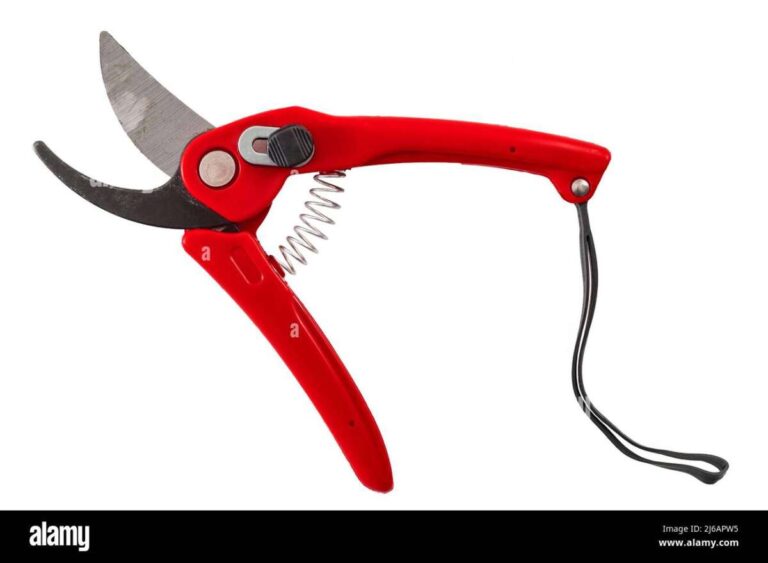
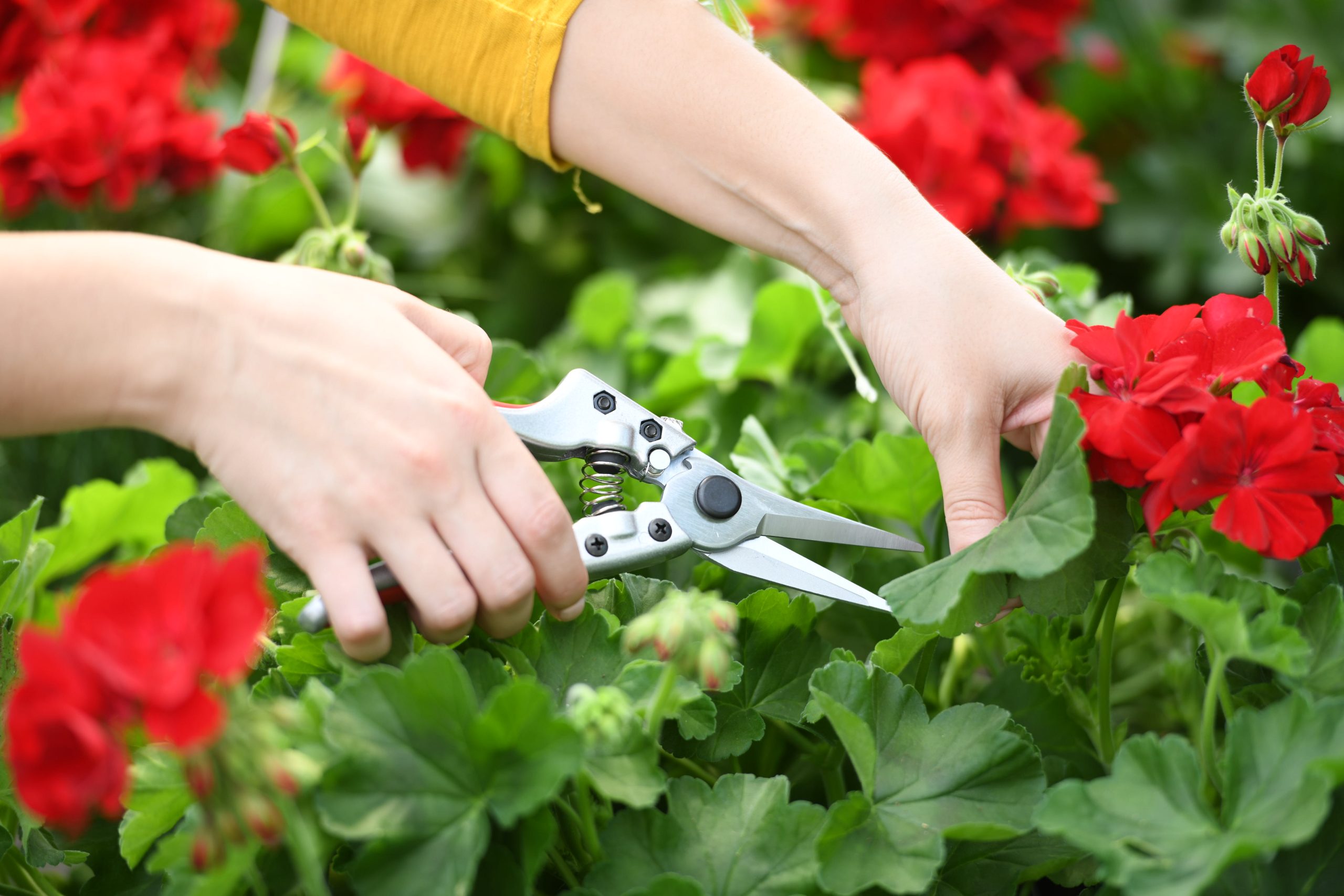
Pruning shears look like small, sturdy hand tools with two short blades, curved handles, a spring, and a safety lock.
If you have never used them, pruning shears can look like compact scissors with a tougher build. However, blade shape, handle design, and cutting action can vary by type. This guide explains what pruning shears look like, how each part works, and how to spot the right pair for your plants.
What Do Pruning Shears Look Like?
Pruning shears are small cutting tools made for trimming branches, stems, flowers, and shoots. Most models fit in one hand and measure about 6 to 9 inches long. Their blades are short, thick, and much stronger than normal household scissors.
A typical pair of pruning shears has these visible parts:
• One sharp cutting blade
• One thicker support blade
• Two handles with finger grips
• A metal or plastic spring
• A locking catch or safety latch
• A pivot bolt that joins the blades
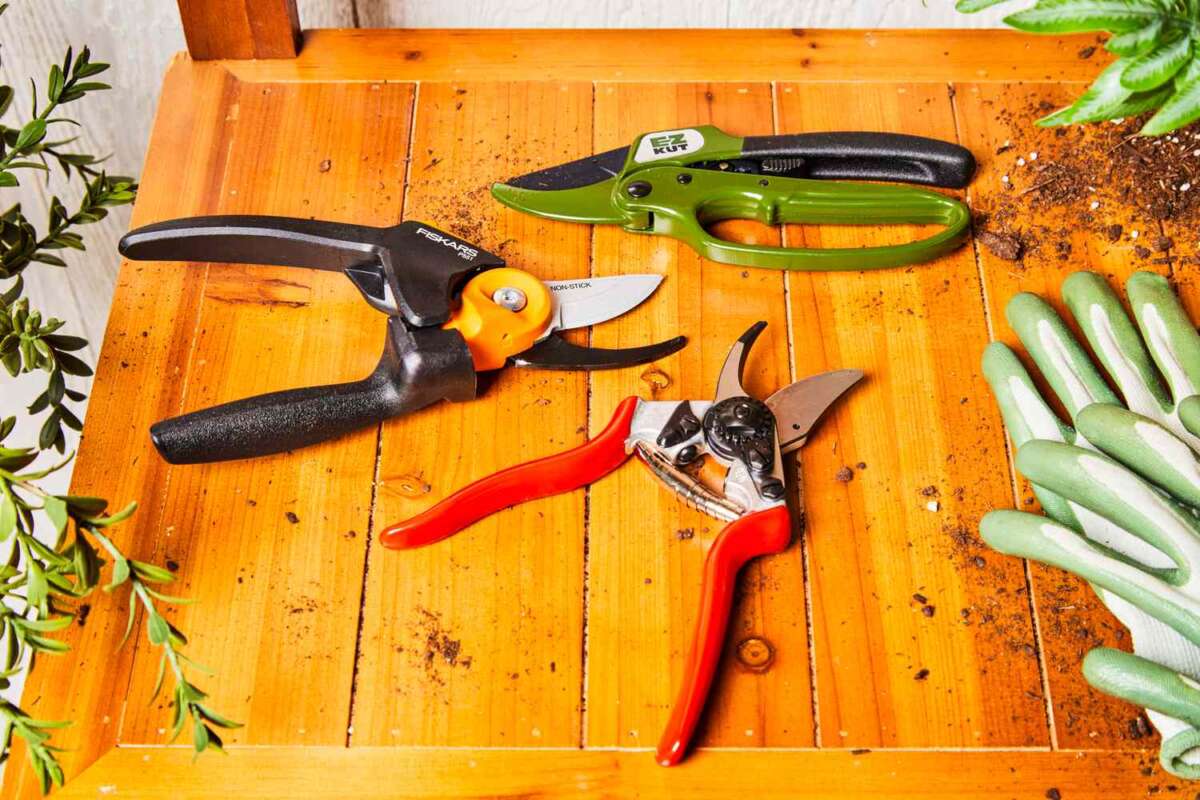
The tool often has a bright red, green, orange, or yellow handle. These colors make the shears easier to find in grass, leaves, or a busy tool shed.
When people ask what do pruning shears look like, they often picture bypass pruners. Bypass pruners are the most common type. Their blades pass each other like scissors and make a clean cut on live stems.
:max_bytes(150000):strip_icc()/spr-tier-3-primary-best-pruners-ebrockob-001-48c9346d79924ea79c8a5366c43f9604.jpeg)
The Main Parts of Pruning Shears
Understanding each part helps you choose, use, and maintain pruning shears. It also makes product photos and store labels much easier to understand.
Cutting blade
The cutting blade is the sharp, curved blade. It usually has a thin edge that slices through plant tissue. On quality shears, the blade is made from hardened steel or stainless steel.
The cutting blade faces the plant stem during use. A sharp blade creates a smooth cut instead of crushing the stem. Smooth cuts may help plants recover faster because they leave less torn tissue.
Support blade
The support blade is thicker and less sharp. It holds the branch in place while the cutting blade moves past it. In bypass shears, this blade is sometimes called the hook or counter blade.
The support blade often has a curved shape. This curve helps keep a stem from sliding away during a cut.
Handles
The handles connect the blades to your hands. They may be made from steel, aluminum, fiberglass, or reinforced plastic. Many have soft rubber grips for comfort.
Some handles are straight, while others curve inward. Ergonomic handles can reduce pressure on the palm, but comfort depends on your hand size and cutting style.
Spring
A spring sits between the handles. It pushes the handles apart after each cut, so the shears open again. Common spring styles include coil springs and wire springs.
The spring is one reason pruning shears look different from regular scissors. It allows faster trimming and reduces the need to open the tool by hand.
Locking mechanism
A small latch or sliding lock keeps the blades closed during storage. The lock may sit near the handle base or at the top of the tool.
Always close and lock the shears before putting them in a pocket, toolbox, or garden bag. An unlocked pair can catch clothing or cause a hand injury.
Pivot bolt
The pivot bolt joins the two blades. It also controls how tightly the blades move together. If the bolt becomes loose, the shears may chew or tear stems instead of cutting them.
A light coating of tool oil can keep the pivot moving well. Do not over-oil the tool, since excess oil can collect dirt.
What Different Types of Pruning Shears Look Like
Not all pruning shears look the same. The blade design tells you what kind of plant material the tool can handle.
Bypass pruning shears
Bypass shears look like curved scissors. One sharp blade passes the other blade, creating a clean slicing action.
They are best for:
• Fresh green stems
• Rose canes
• Small branches
• Herbs and flowers
• Fruit tree shoots
Bypass shears are usually the best general-purpose choice for home gardeners. They cause less crushing than anvil-style tools when used on live wood.
Anvil pruning shears
Anvil shears have one sharp blade that closes against a flat surface. They look more like a knife closing onto a small metal block than like scissors.
They work well for:
• Dry branches
• Hard deadwood
• Tough, brittle stems
• Removing old plant growth
Anvil shears can crush soft, living stems. For this reason, many gardeners use them mainly for dead wood.
Ratchet pruning shears
Ratchet shears look like standard hand pruners but have a special cutting system inside the handle. The mechanism lets you cut in several small squeezes instead of one strong motion.
They can help people with:
• Smaller hands
• Reduced grip strength
• Arthritis
• Long pruning sessions
Ratchet shears may feel slower than standard bypass shears. They can also be harder to clean if plant sap enters the mechanism.
Needle-nose pruning shears
Needle-nose shears have long, narrow blades. They look slimmer than regular pruners and can reach into tight spaces.
Gardeners often use them for:
• Indoor plants
• Bonsai
• Small flowers
• Dense herb growth
• Delicate stems
Their narrow shape offers control, but they are not designed for thick branches.
Long-handle pruners
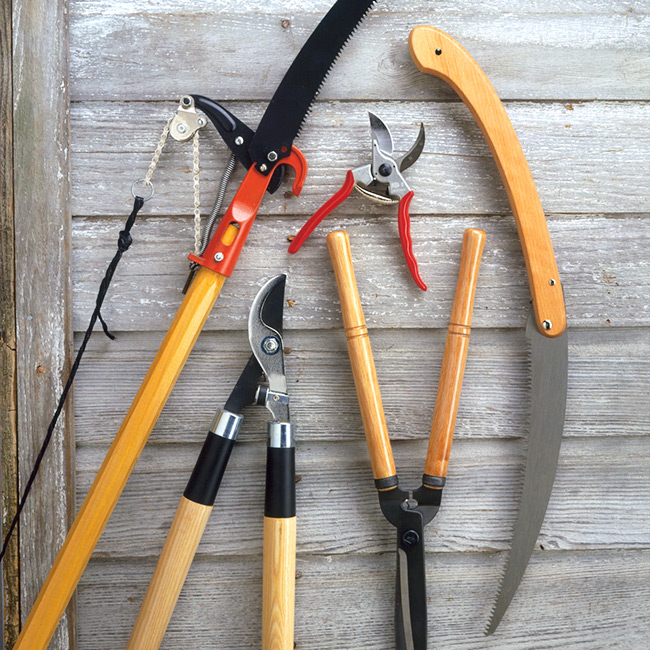
Long-handle pruners, often called loppers, have much longer handles than hand pruning shears. They may look similar at the cutting end, but their handles can measure 18 to 36 inches.
Loppers provide more leverage for larger branches. They are not the same as small pruning shears and should not be confused with them when choosing a garden tool.
:max_bytes(150000):strip_icc()/SPR-garden-pruner-preference-1403219-hero-e364c36e3a88465bbd4eced329e6aa8e.jpg)
How to Tell Pruning Shears Apart From Similar Tools
Several garden tools look like pruning shears. Knowing the differences helps prevent damage to both plants and tools.
Pruning shears versus scissors
Scissors have two thin blades designed for paper, cloth, or light materials. Pruning shears have thicker blades, a stronger pivot, and a spring-loaded handle.
Scissors may bend or become dull when used on branches. Pruning shears are built for plant stems and woody growth.
Pruning shears versus hedge clippers
Hedge clippers have long blades and two large handles. They are designed to shape many thin twigs across a hedge.
Pruning shears have short blades and work on one stem or branch at a time. Use hedge clippers for broad shaping and pruning shears for careful cuts.
Pruning shears versus loppers
Loppers have long handles that create extra leverage. They are used for thicker branches that are too large for hand pruners.
Pruning shears are smaller and more precise. They are better for roses, houseplants, vegetables, and young branches.
Pruning shears versus garden snips
Garden snips are smaller and lighter than pruning shears. They often have thin, pointed blades and a spring between the handles.
Snips are useful for deadheading flowers and cutting soft stems. Pruning shears are stronger and better for woody growth.
:strip_icc()/GettyImages-1321495778-aead93dca47c41f2a13c38cea79cdf63.jpg)
What Size Are Pruning Shears?
Most pruning shears are small enough to fit inside an adult hand. Closed models often measure between 6 and 9 inches from the blade tip to the handle end.
Blade length may range from about 1.5 to 3 inches. A shorter blade gives better control, while a longer blade may handle slightly larger stems.
Choose a size that matches your hand and the plants you trim:
• Small hands: Look for narrow handles and a compact body.
• Average hands: Most standard pruners should feel comfortable.
• Large hands: Choose longer handles with wide finger openings.
• Weak grip: Consider ratchet action or rotating handles.
A tool that feels too large can cause strain. One that feels too small may force your fingers into an awkward position.

What Color and Shape Are Pruning Shears?
Pruning shears come in many colors, but color does not prove quality. Bright colors are useful because they make the tool easy to see in a garden bed.
Common handle colors include:
• Red
• Orange
• Yellow
• Green
• Blue
• Black
The shape may be straight, curved, rounded, or angled. Curved handles often feel natural in the palm. Angled heads can help you reach stems without twisting your wrist.
Look beyond appearance. A comfortable grip, smooth spring action, secure lock, and sharp blade matter more than color or style.
How Pruning Shears Should Look When They Are in Good Condition
A healthy pair of pruning shears should look clean, aligned, and free from deep rust. The blades should meet evenly without a wide gap.
Use this inspection list before buying or using a pair:
• The cutting blade should have a smooth, sharp edge.
• The support blade should not have deep dents.
• The handles should feel solid and secure.
• The spring should open the handles smoothly.
• The lock should close without force.
• The pivot bolt should not wobble.
• The blades should line up when closed.
A small amount of surface discoloration may be removable. Deep rust, bent blades, or a cracked handle can make the tool unsafe.
In garden maintenance, one simple lesson stands out: a clean tool is easier to control. Sap and dirt can make the blades stick, so wipe them after each use.

How to Use Pruning Shears Correctly
Knowing what do pruning shears look like is useful, but correct technique matters just as much. The wrong cut can injure the plant or your hand.
Follow these basic steps:
- Check that the shears are clean and unlocked.
- Hold the branch near the cutting point.
- Place the sharp blade on the side of the branch you want to keep.
- Position the cut just above a healthy bud or branch joint.
- Squeeze the handles in one smooth motion.
- Wipe sap from the blades after trimming.
- Lock the shears before storage.
Do not twist the tool while cutting. Twisting can damage the stem and place extra pressure on the pivot.
For a clean cut, avoid forcing shears through wood that is too thick. If the handles require extreme pressure, use loppers or a pruning saw instead.

Common Mistakes to Avoid
Many pruning problems come from using the right-looking tool in the wrong way. These mistakes are easy to prevent.
• Using bypass shears on branches that are too thick
• Using anvil shears on soft live stems
• Cutting with dull blades
• Leaving the tool wet after cleaning
• Ignoring a loose pivot bolt
• Cutting without checking for wires or hidden objects
• Storing shears while they are unlocked
• Sharing dirty tools between diseased plants
Plant diseases can spread on dirty blades. Clean the blades with soap and water, then dry them well. For extra hygiene, use a suitable household disinfectant according to its label and allow the tool to dry before oiling.
Do not use household bleach without care. It can corrode metal and damage clothing or nearby plants.
How to Maintain Pruning Shears
Good care keeps pruning shears sharp and safe. Maintenance does not need to take long.
After each use:
• Brush away soil and plant scraps.
• Wipe the blades with a damp cloth.
• Dry all metal parts.
• Add a small drop of oil to the pivot.
• Check the lock and spring.
• Store the tool in a dry place.
Sharpen the cutting blade when it begins to crush stems or requires extra force. Use a sharpening stone or file made for garden tools, and follow the original bevel of the blade.
Do not sharpen the flat support blade like a knife. Removing too much metal can create a gap between the blades.
How to Choose Pruning Shears by Appearance
When shopping, look at the complete tool rather than one feature. A shiny blade does not always mean the tool will last.
Consider these points:
• Blade type: Choose bypass for live growth and anvil for dead wood.
• Blade material: Hardened steel holds an edge well.
• Grip: Soft, non-slip material improves control.
• Spring: It should open smoothly without popping loose.
• Lock: It should stay closed during storage.
• Replacement parts: Some quality tools offer new blades or springs.
• Hand fit: Your fingers should close the handles without strain.
If possible, hold the shears before buying. Open and close them several times. The action should feel smooth, not gritty or stiff.
Frequently Asked Questions About What Do Pruning Shears Look Like
What do basic pruning shears look like?
Basic pruning shears look like compact, heavy-duty scissors with curved blades, short handles, a spring, and a safety lock. Most have one sharp cutting blade and one thicker support blade.
What do bypass pruning shears look like?
Bypass pruning shears look like curved scissors. Their sharp blade passes the support blade, which makes them useful for clean cuts on live green stems.
What do anvil pruning shears look like?
Anvil pruning shears have one sharp blade that closes against a flat metal or plastic surface. They are often used for dry, hard, or dead branches.
Are pruning shears the same as scissors?
No. Pruning shears have stronger blades, a tougher pivot, and a spring-loaded design. Regular scissors are not made to cut woody stems and may become damaged.
What do pruning shears look like for small hands?
Pruning shears for small hands usually have compact handles, narrow finger openings, and a shorter body. A lightweight design can also make repeated cuts more comfortable.
Can pruning shears cut thick branches?
Most hand pruning shears can cut only small branches, often up to about ¾ inch, depending on the wood and the tool. Use loppers or a pruning saw for larger branches instead.
Should pruning shears have a spring?
Most pruning shears have a spring that reopens the handles after each cut. Some compact snips may use a different design, but a spring is common in standard hand pruners.
Conclusion
Pruning shears look like small, strong scissors, but their curved blades, spring, lock, and sturdy handles make them specialized garden tools. Bypass models suit live stems, anvil models handle dead wood, and ratchet or narrow designs help with special needs.
Choose shears that fit your hand, match your plants, and feel smooth when opened and closed. Keep the blades clean, sharp, and dry, and your cuts will be safer for both you and your garden. Explore more plant-care guides, and share your favorite pruning tips with other gardeners.

Laura Bennett is a gardening writer at MyGardenLabs who creates beginner-friendly guides focused on solving common plant care and gardening problems.