Best Pruning Shears For Indoor Plants: Top Picks
The best pruning shears for indoor plants are sharp, compact, rust-resistant, and easy to control in tight spaces.
A houseplant can look perfect one day and show a yellow leaf, dead stem, or wild shoot the next. Dull scissors tear tissue, spread grime, and make a small trim feel like a hard chore. I tested the key features that matter indoors: blade sharpness, tip control, grip comfort, spring action, and easy cleaning. The best pruning shears for indoor plants should make clean cuts without bruising tender stems or bumping nearby leaves. The picks below cover tiny herbs, tropical plants, bonsai, flowers, and thicker indoor branches.
2-Pack Stainless Steel Gardening Scissors

This two-pack gives indoor gardeners a simple, useful pair of cutting tools. The stainless steel blades suit soft stems, spent blooms, herbs, and small leaves. I like having two pairs because one can stay near the plant shelf while the other lives in a potting kit. The compact shape also makes it easier to work between crowded leaves.
These scissors are a good fit for routine plant care rather than heavy branch work. Their narrow blades can help you reach a faded leaf without taking healthy growth with it. Stainless steel also makes cleanup easy after each session, which matters when you move from plant to plant. For a low-cost starter set, this pair offers practical value and useful backup.
Pros:
- Two scissors provide a handy spare
- Stainless steel blades resist common indoor moisture
- Compact size fits crowded plant shelves
- Useful for herbs, flowers, leaves, and soft stems
- Easy to wipe clean after use
- Good choice for new plant owners
Cons:
- Not designed for thick woody branches
- Small handles may feel tight for large hands
- Blade alignment may need checking after frequent use
VIVOSUN 6.5-Inch Gardening Scissors
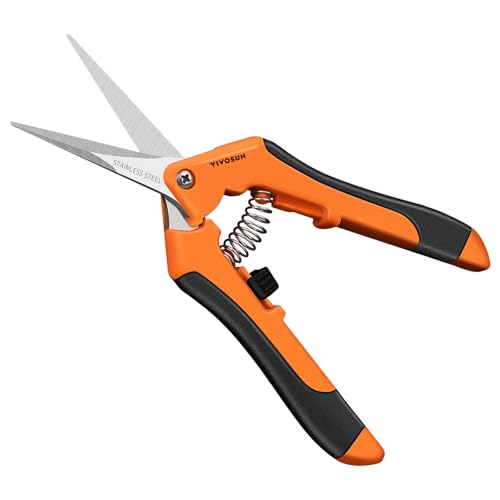
The VIVOSUN 6.5-inch hand pruner has straight stainless steel blades and a bright orange body. That color is more than a style choice; it helps the tool stand out on a busy potting bench. The straight blade design works well for clean snips on small stems, leaves, and flower stalks. Its size gives you more reach than tiny bonsai snips without feeling bulky.
I would reach for this model when I need one dependable pair for weekly plant care. It is especially handy for herbs, seedlings, houseplants, and light propagation work. The pointed blade tips can enter narrow spaces, but you should still cut slowly around soft new growth. It is one of the best pruning shears for indoor plants for shoppers who want a familiar, versatile design at a modest price.
Pros:
- Sharp straight blades support precise cuts
- 6.5-inch length balances reach and control
- Bright orange color is easy to spot
- Works well for leaves, stems, and herbs
- Stainless steel is simple to clean
- Suitable for everyday indoor pruning
Cons:
- Straight blades are less suited to thick wood
- Not the smallest option for delicate bonsai work
- Users with weak hand strength may prefer a spring model
Fiskars 6-Inch Non-Stick Pruning Snips

Fiskars designed these six-inch snips with non-stick blades that help reduce sap and plant residue. That feature becomes useful with ficus, hoya, jade, poinsettia, and other plants that leave a tacky film. The short profile gives you close control when you prune near a node. I also like the familiar Fiskars build for gardeners who want a tool from an established garden brand.
These pruning snips feel most at home in a houseplant collection with varied textures. The coated blades can glide through small stems with less drag than plain blades when residue builds up. Still, non-stick does not mean maintenance-free, so I would wipe the blades after every session. For indoor growers who dislike sticky buildup, this is a strong candidate for the best pruning shears for indoor plants.
Pros:
- Non-stick blades help resist sap and resin
- Compact six-inch design improves close control
- Good for ficus, hoya, herbs, and flowers
- Established brand with a familiar garden-tool design
- Lightweight for repeated trimming
- Easy to store in a small plant-care kit
Cons:
- Coating can wear if cleaned with harsh abrasives
- Not intended for large woody cuts
- Short handles may not suit every hand size
Fiskars 6-Inch Micro-Tip Pruning Scissors

Micro-tip scissors are made for detail work, and this Fiskars model takes that role seriously. The narrow tips can reach into small spaces between leaves, nodes, and flower clusters. I find this style especially useful for removing one damaged leaf without disturbing the rest of the plant. The six-inch body provides enough control for daily trimming while staying easy to handle.
This tool is a smart match for small plants, propagation jars, bonsai, orchids, and seedlings. It can also help when you need to deadhead tiny flowers or remove thin aerial roots. The fine tips demand care because they can puncture leaves if you rush. Among the best pruning shears for indoor plants, this one stands out for precision rather than cutting power.
Pros:
- Micro tips reach tight spaces
- Excellent for orchids, bonsai, and seedlings
- Supports careful leaf and flower removal
- Compact six-inch shape is easy to guide
- Useful for propagation and fine trimming
- Helps reduce accidental cuts to nearby growth
Cons:
- Tips require careful handling
- Not suitable for thick or woody stems
- Fine blades may not suit users who want broad cutting power
Three-Pack Stainless Steel Garden Shears

This three-pack is built for gardeners who like to keep tools in more than one place. You can leave one pair by the kitchen herb garden, one near a plant stand, and one in a travel or propagation kit. The stainless steel construction suits routine trimming of leaves, flowers, and tender stems. Multiple pairs also reduce the temptation to use household scissors that may carry food grease or dirt.
The set makes sense for a growing collection or a shared home. I would not expect these small garden scissors to replace a true bypass pruner, but they can handle most light indoor jobs. Their simple format is easy for beginners to understand and quick to clean. If convenience and quantity matter most, this set earns a place among the best pruning shears for indoor plants.
Pros:
- Three pairs offer strong everyday convenience
- Useful for several rooms or plant stations
- Stainless steel blades clean up quickly
- Good for leaves, herbs, blooms, and soft stems
- Helpful for families who share plant care
- Provides backups when one pair needs cleaning
Cons:
- Not a replacement for heavy-duty branch shears
- Extra pairs may be unnecessary for a small collection
- Storage cases or blade covers may not be included
Fiskars Bypass Pruning Shears
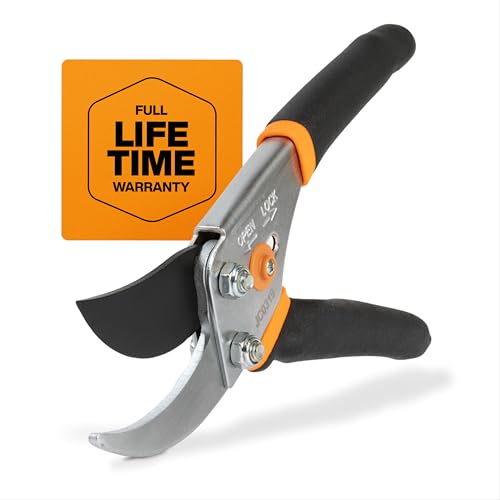
These Fiskars bypass pruning shears bring more cutting power than small snips. Their bypass action lets one curved blade pass another, much like a pair of scissors. That action can create a clean cut on thicker stems without crushing the entire branch. The listed cutting capacity reaches up to 5/8 inch, although actual performance depends on the plant species and stem condition.
I recommend this style for indoor trees, mature tropicals, rubber plants, and larger potted shrubs. It is more tool than many small houseplants need, but it becomes valuable when a plant develops firm stems. The handles offer better leverage than micro-tip scissors, so you can finish a cut with less repeated squeezing. For gardeners seeking the best pruning shears for indoor plants with added muscle, this Fiskars model is a dependable choice.
Pros:
- Bypass action supports clean stem cuts
- Handles thicker branches than fine snips
- Up to 5/8-inch listed cutting capacity
- Good leverage for mature indoor plants
- Useful for trees, shrubs, and woody stems
- Trusted format for regular garden maintenance
Cons:
- Too large for tiny leaves and tight nodes
- Can bruise a stem if used at the wrong angle
- More tool than small-plant owners may need
STAYGROW Two-Pack Pruning Shears

The STAYGROW two-pack gives you a pair of compact garden scissors for light pruning tasks. Its six-and-a-half-inch size sits between tiny snips and full-size hand pruners. That middle ground works well for houseplant owners who want control but do not want a fragile micro tool. The two-piece format is also useful when several plants need attention in one sitting.
These shears are best for soft to medium stems, herbs, flowers, and fresh indoor growth. I would use them for shaping a pothos, removing spent basil flowers, or trimming a spider plant. They are not the right answer for a thick woody branch, but most routine indoor cuts fall well below that level. This set offers a practical balance for beginners who want the best pruning shears for indoor plants without a high entry cost.
Pros:
- Two-pack supports plant care in different locations
- 6.5-inch size balances precision and reach
- Useful for soft and medium indoor stems
- Good starter option for new gardeners
- Light enough for frequent trimming
- Backup pair adds convenience
Cons:
- May struggle with hard woody branches
- Two pairs can be more than one gardener needs
- Handle comfort may vary with hand size
DECERK 8.5-Inch Professional Pruning Shears

The DECERK 8.5-inch pruner is aimed at gardeners who need extra reach and stronger cuts. Its product description lists a capacity of up to three-quarters of an inch, which places it above small plant snips. The longer body can give you more leverage around a large indoor tree or dense plant canopy. It is also easier to hold steady when you make a firm cut through a mature stem.
This pruner makes the most sense for ficus, citrus, monstera, rubber plants, and other large houseplants. It may feel oversized beside a small succulent, so I would pair it with fine scissors for detail work. Before each cut, check the branch size and make sure the blades close fully. For a serious indoor collection, this is among the best pruning shears for indoor plants when cutting strength matters most.
Pros:
- Long 8.5-inch body offers extra leverage
- Listed capacity reaches up to 3/4 inch
- Useful for large indoor trees and thick stems
- Provides more reach inside dense foliage
- Good choice for demanding pruning jobs
- Can reduce repeated cuts on firm branches
Cons:
- Too large for delicate detail work
- May feel heavy during long pruning sessions
- Users should not force cuts beyond the stated capacity
Modern Sprout Pruning Shears
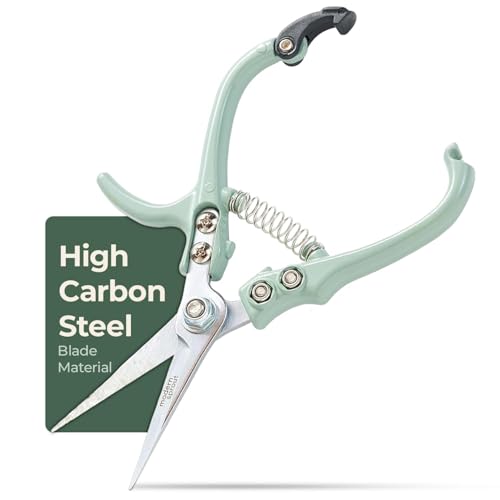
Modern Sprout combines plant-care function with a soft sage color that looks at home beside indoor pots. These shears are made for small trimming jobs, including herbs, flowers, and tender stems. The compact design can feel less intimidating than a large garden pruner. That matters for new plant owners who want a tool that stays visible and inviting.
I see this model as a lifestyle-friendly option for apartment gardeners and gift buyers. It can handle regular deadheading and light shaping without taking over a small work area. The main limit is cutting capacity, so thick branches need a stronger bypass tool. Still, it belongs on a best pruning shears for indoor plants list when appearance, storage, and light use all matter.
Pros:
- Compact design suits indoor plant stations
- Sage finish looks attractive in a home
- Useful for herbs, blooms, and tender stems
- Easy for beginners to hold and use
- Good gift option for plant lovers
- Stores neatly in small spaces
Cons:
- Not intended for thick branches
- Style may matter more than maximum cutting power
- May not satisfy users with large plant collections
NEXON Two-Pack Bypass Garden Shears

The NEXON set includes two bypass shears in different sizes: an eight-inch model and a 6.25-inch model. That pairing gives you a useful range for indoor pruning. The smaller shear can handle medium stems and closer work, while the larger one offers more leverage. SK5 steel is commonly valued in cutting tools for its balance of hardness and edge retention.
This set suits gardeners who care for both small and large houseplants. I would use the shorter tool for regular shaping and the longer one for firm stems on an indoor tree. Bypass blades should pass cleanly rather than crush the branch, so keep them aligned and sharp. With two sizes in one package, NEXON is a flexible contender for the best pruning shears for indoor plants in a mixed collection.
Pros:
- Two sizes cover more pruning tasks
- Bypass action supports clean cuts
- SK5 steel offers a useful balance of strength and edge life
- Shorter shear works in tighter spaces
- Longer shear provides extra leverage
- Good fit for mixed indoor plant collections
Cons:
- Two full-size shears may be excessive for tiny plants
- Bypass tools need proper blade alignment
- Users seeking micro tips may need a separate snip
How I Choose the Best Pruning Shears for Indoor Plants
Indoor pruning is different from outdoor tree work. You usually work near glass, furniture, shelves, pets, and fragile leaves. A good indoor shear must cut cleanly but also stop you from taking too much plant by mistake. I look first at control, then cutting power, comfort, and care.
Blade design
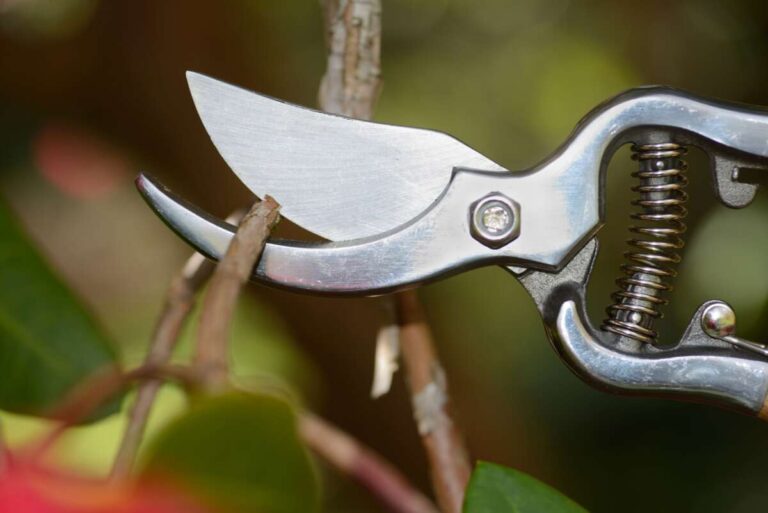
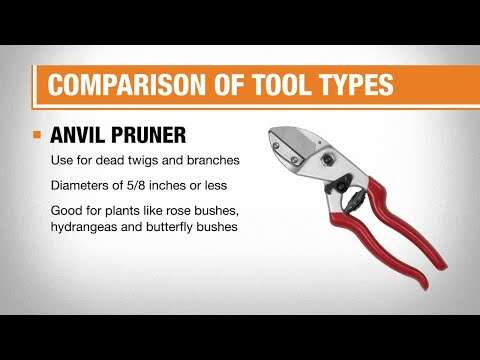
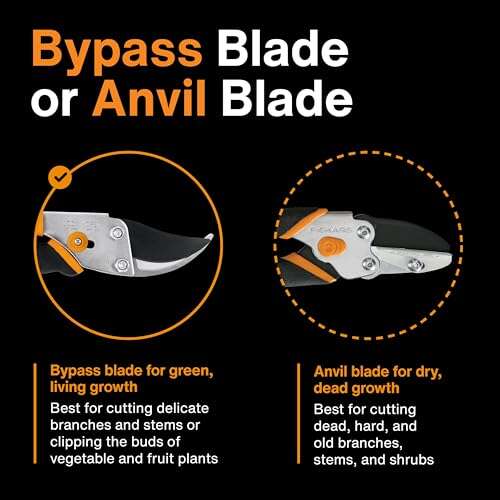
Straight blades are useful for leaves, herbs, flowers, and thin stems. Micro-tip blades give the most control in tight spaces. Bypass blades work better for firm stems because the moving blade passes the fixed blade instead of squeezing from both sides. Anvil-style tools can crush tender stems, so I rarely choose them for routine houseplant work.
Blade sharpness
A sharp blade makes a clean wound. A dull blade can twist, tear, or split plant tissue. Jagged wounds may take longer to dry and can make a plant look ragged. I do not judge sharpness only by how easily a shear cuts paper; I also check whether it leaves a smooth stem end.
Size and reach
Most indoor plants need a six- to seven-inch snip. That size offers good control and fits between leaves. Large indoor trees may need an eight-inch bypass pruner. I would rather use two tools for two jobs than force one oversized shear into delicate foliage.
Grip and hand comfort
Pruning often involves many small cuts. A hard, narrow handle can tire your fingers. Spring-loaded tools may reopen after each cut and reduce hand strain. However, a spring can also get in the way during close work. Choose the handle that matches your hand and the amount of pruning you expect to do.
Cleaning and plant health
Clean tools are part of good plant care. Sap, soil, and plant juice can stick to blades. I wipe the blades with a clean cloth after each plant and disinfect them before moving to a new plant, especially if I see rot, mildew, insects, or a suspicious stem. I also dry metal parts before storage. This simple habit helps reduce the chance of moving problems from one pot to another.
How to Use Pruning Shears on Houseplants
Start by looking at the plant from all sides. Find dead leaves, damaged stems, crossing shoots, and growth that blocks light or air. Do not remove healthy leaves just because they look large. Every green leaf helps the plant make energy.
Make your cut just above a healthy node when you want new growth from that point. A node is the small joint where a leaf or branch meets the stem. Keep the cut clean and avoid leaving a long stub. Do not cut so close that you damage the node itself.
For a dead leaf, follow its stalk back to the main stem. Cut the stalk rather than tearing it away. For a brown leaf tip, you can trim the damaged part while following the natural shape of the leaf. This keeps the plant neat without removing more tissue than needed.
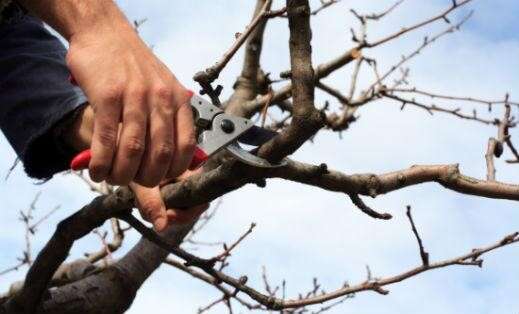
When pruning a thick stem, open the blades fully and position the branch deep in the cutting area. Do not twist the tool. If the shear will not close with normal hand pressure, the branch is likely too large or the blade is not suited to it. Choose a stronger tool instead of crushing the stem.
Care Tips That Extend Shear Life
Wipe sap from the blades soon after pruning. Dried sap can make the tool sticky and may stop the blades from closing well. A soft cloth works for light residue. For stubborn buildup, follow the care instructions for the specific tool and avoid damaging a non-stick coating.
Keep the pivot area clean and dry. If the manufacturer allows it, one small drop of tool oil can help the joint move smoothly. Do not flood the tool with oil near plant tissue. Excess oil can transfer to leaves and attract dust.
Store shears closed and away from humid potting soil. A blade cover or simple tool pouch can protect both the edge and your fingers. Check the screw and pivot from time to time. A loose pivot can cause uneven cuts, while an over-tight pivot can make a good shear feel dull.
Never leave your best pruning shears for indoor plants in a wet sink or a damp tray. Even stainless steel can stain or corrode under poor storage conditions. Dry tools last longer and stay safer to use.
My Recommendation
For fine indoor work, I would choose the Fiskars Micro-Tip Pruning Scissors. The narrow tips offer excellent control around orchids, bonsai, seedlings, and crowded leaves. For sticky plants, the Fiskars Non-Stick Pruning Snips are the better pick because residue is easier to manage. For thick stems and large indoor trees, the Fiskars Bypass Pruning Shears or DECERK 8.5-inch model provide more useful leverage.
The multi-packs are best for beginners, shared homes, and gardeners who want a spare pair ready to go. VIVOSUN offers a balanced single-tool choice, while NEXON covers more sizes with its two bypass shears. Modern Sprout makes a pleasant gift and fits light plant care. The best pruning shears for indoor plants depend on your plant size, hand comfort, and cutting style.
| Best for | Why |
|---|---|
| Fine detail and small plants | Fiskars Micro-Tip scissors reach tight spaces with strong control. |
| Thick stems and indoor trees | Fiskars Bypass or DECERK shears provide more leverage and capacity. |
| Beginners and multi-room plant care | The two- and three-packs provide simple tools plus useful backups. |
FAQs Of best pruning shears for indoor plants
What size pruning shears are best for houseplants?
Six to seven inches works well for most leaves, flowers, herbs, and tender stems. Choose an eight-inch bypass pruner for large indoor trees or thicker branches.
Are bypass shears better than scissors for indoor plants?
Bypass shears are better for firm or woody stems. Small scissors are better for delicate leaves, flowers, seedlings, and tight spaces. Many plant owners benefit from keeping one of each.
How often should I clean indoor plant shears?
Wipe them after every plant. Disinfect them before moving to another plant if you see pests, rot, mildew, or disease symptoms.
Can pruning shears spread plant disease?
Yes. Sap and plant tissue can carry problems from one plant to another. Cleaning and disinfecting the blades lowers that risk.
How do I know if a shear is too large?
If the blades hit nearby leaves or you cannot see the cut clearly, the tool is too large for that job. Use a smaller snip for detail work and save the large pruner for thick stems.
Final Verdict: Which Should You Buy?
For most indoor gardeners, I recommend the Fiskars Micro-Tip scissors for precise daily care. Choose Fiskars Bypass or DECERK for thicker stems. The best pruning shears for indoor plants should match your plant size and hand comfort.
Clean cuts help plants heal and stay neat. Pick the right shear, wipe it after use, and your indoor garden will reward you with healthier growth.

Laura Bennett is a gardening writer at MyGardenLabs who creates beginner-friendly guides focused on solving common plant care and gardening problems.