Are Spade And Trowel The Same: Key Differences Explained
No, a spade and a trowel are different tools, built for different garden jobs.
Many gardeners use the words interchangeably, but their shape, size, and purpose are not the same. Understanding are spade and trowel the same helps you choose the right tool, work with less effort, and avoid damaging roots or soil.
Are spade and trowel the same?
No. A spade and a trowel are both hand tools for working with soil, but they serve different roles.
A spade has a broad blade and a long handle. It is made for digging, lifting, cutting through roots, turning soil, and moving compost. A trowel has a small, narrow blade with a short handle. It is made for planting, weeding, and working in small spaces.
The easiest way to remember the difference is to think of size and reach:
• A spade is a full-size digging tool.
• A trowel is a small planting and finishing tool.
• A spade often uses both hands and body weight.
• A trowel is usually used with one hand.
So, are spade and trowel the same? They are related, but they are not interchangeable in most garden tasks.

What is a spade?
A spade is a garden tool with a flat or slightly curved metal blade, a shaft, and a long handle. The blade may be rectangular, square, or pointed, depending on its design.
Spades are made to handle force. You can place one foot on the top edge of the blade and press it into firm ground. This makes a spade useful for digging beds, moving soil, edging lawns, and cutting through thin roots.
Common spade types include:
• Digging spade: This has a strong blade for breaking and turning soil.
• Border spade: This is smaller and useful in tight flower beds.
• Edging spade: This has a straight edge for cutting clean lawn borders.
• Drain spade: This has a long, narrow blade for trenches and deep holes.
• Sharpshooter spade: This has a pointed blade for hard ground and narrow digging.
A good spade should feel balanced in your hands. The blade should not flex too much under pressure, and the handle should be strong enough for repeated use.
What is a trowel?
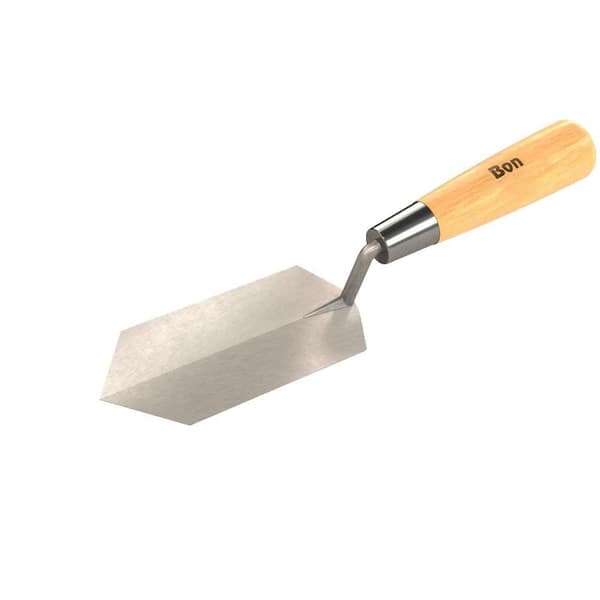
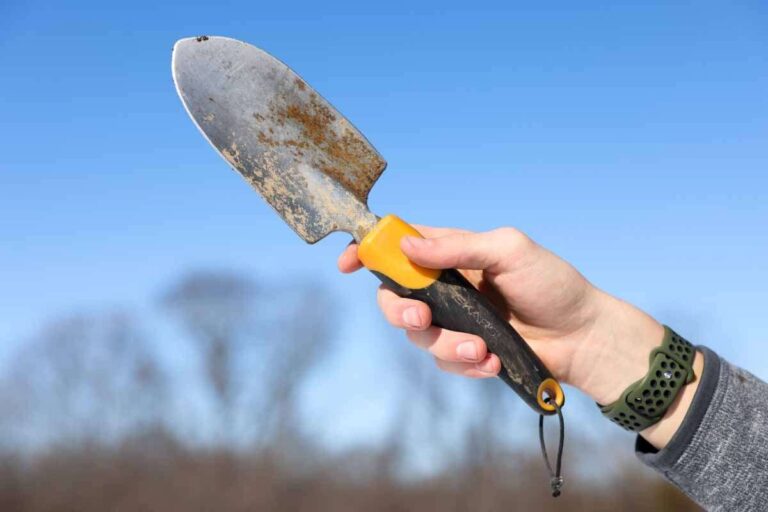
A trowel is a small handheld garden tool with a pointed or rounded metal blade. It usually has a short handle made from wood, plastic, fiberglass, or metal.
Garden trowels are best for light, precise work. You can use one to make planting holes, lift small weeds, mix potting soil, or move seedlings without disturbing nearby plants.
Common trowel designs include:
• Planting trowel: This has a narrow blade for bulbs, seedlings, and small plants.
• Transplanting trowel: This has a longer blade for reaching deeper roots.
• Scoop trowel: This has a wider blade for moving soil, compost, or mulch.
• Weeding trowel: This has a narrow shape for removing weeds near plants.
• Soil knife: This combines a sharp edge with a pointed tip for cutting roots and bags.
A trowel gives you control. It is like using a small paintbrush instead of a large broom when the task requires care and detail.

Spade vs. trowel: key differences
The main difference between a spade and a trowel is the amount of soil and force each tool can handle.
| Feature | Spade | Trowel |
|---|---|---|
| Size | Large | Small |
| Handle | Long | Short |
| Main use | Digging and moving soil | Planting and detailed work |
| Typical grip | Two hands or one hand | One hand |
| Best location | Beds, lawns, trenches, and piles | Pots, borders, and small planting holes |
| Work depth | Medium to deep | Shallow to medium |
| Soil volume | Large amounts | Small amounts |
The blade shape also matters. A spade blade is wide enough to lift a load of soil. A trowel blade is narrow enough to fit between plants.
When people ask, are spade and trowel the same, they may be thinking of their shared purpose. Both enter the soil, but they do not perform the same scale of work.
What is a spade used for?
A spade is useful for jobs that need power, reach, or a large blade. It can make difficult garden work faster when used correctly.
Typical spade tasks include:
• Digging new planting beds
• Turning compacted soil
• Moving compost or mulch
• Cutting the edge of a lawn
• Dividing large clumps of plants
• Removing shallow roots
• Digging trenches for irrigation
• Lifting sod or small sections of turf
• Mixing soil amendments into a bed
For example, use a spade to dig a hole for a shrub. Once the hole is ready, use a trowel to place small annuals around the shrub.
A spade is not always the best choice for delicate plants. Its wide blade can cut roots or disturb nearby seedlings. For close work, switch to a trowel.
What is a trowel used for?
A trowel is ideal when you need accuracy rather than strength. It helps you work close to stems and roots without moving too much soil.
Typical trowel tasks include:
• Planting flowers and herbs
• Setting bulbs at the correct depth
• Moving seedlings
• Filling containers with potting mix
• Removing small weeds
• Mixing fertilizer into a planting hole
• Loosening soil around potted plants
• Digging in raised beds
• Transplanting small vegetables
A trowel also works well for container gardening. In a pot, there is little room for a large blade. A spade may damage the container or remove more soil than you need.
When planting a tomato seedling, for example, a trowel lets you shape a small hole and guide the roots into place. That level of control is one reason a trowel remains a basic tool for new and experienced gardeners.
Can a trowel replace a spade?
A trowel can replace a spade for very small jobs, but it cannot replace a spade for heavy digging.
You may use a trowel to loosen a small patch of soil or plant a few flowers. However, using it to dig a large bed can strain your wrist and take much longer. The short handle also gives you less leverage.
A spade may replace a trowel in some rough tasks, but it is not a good choice for delicate work. Its large blade can crush seedlings, cut roots, or create holes that are too wide.
The best approach is to match the tool to the task:
- Use a spade to break ground or move large amounts of soil.
- Use a trowel to plant, weed, and shape small holes.
- Use a hand fork when you need to loosen soil without slicing through many roots.
- Use a shovel when you need to scoop loose material.
This tool choice saves time and protects both your body and your plants.
Spade, shovel, and trowel: what is the difference?
A spade and a shovel are not exactly the same, either. The terms are often mixed in everyday speech, but their blade shapes usually show the difference.
A spade normally has a flatter, sharper blade. It cuts into soil and gives a clean edge. A shovel usually has a curved blade that holds and lifts loose material such as soil, gravel, snow, or compost.
A trowel is much smaller than both. It is a precision tool for planting and light digging.
Here is a simple comparison:
• Spade: cuts, digs, edges, and turns soil.
• Shovel: scoops, lifts, and moves loose material.
• Trowel: plants, weeds, and works in small spaces.
The names can vary by region and manufacturer. Some products called “garden shovels” have a flat blade and work much like spades. For the clearest answer to are spade and trowel the same, focus on the tool’s size, blade, and intended use rather than its label alone.

How to choose the right garden tool
Choosing the right tool depends on the soil, the plant, and the job. A strong tool is not automatically the best tool.
Consider these points before buying:
Match the blade to the soil
For hard clay, choose a strong spade with a pointed or sharpened blade. For loose potting mix, a small trowel may be enough.
Consider your reach
A long-handled spade reduces the need to bend. A short-handled trowel gives better control but requires more kneeling or bending.
Check the handle
Look for a handle that feels comfortable and secure. A soft grip can reduce pressure on your palm, while a smooth wood handle may feel warmer in cold weather.
Inspect the blade
Stainless steel resists rust and is easy to clean. Carbon steel is strong and can hold a sharp edge, but it needs regular drying and protection from moisture.
Think about the job size
Use a spade for large holes, borders, and soil movement. Use a trowel for pots, seedlings, bulbs, and narrow spaces.
A common mistake is buying one tool for every task. Garden work becomes easier when you keep both a sturdy spade and a reliable trowel nearby.
Common mistakes when using a spade or trowel
The wrong technique can make a simple task painful or harm the tool. These mistakes are easy to avoid.
• Using a trowel to break hard ground: This can bend the blade or strain your wrist.
• Using a spade near delicate roots: The wide blade may cause hidden damage.
• Pushing with your back: Keep your back straight and use your legs when pressing a spade into soil.
• Twisting a tool in hard soil: Lift and reposition the blade instead of forcing it sideways.
• Leaving tools wet: Moisture can lead to rust, especially on carbon steel.
• Ignoring sharp edges: A dull spade needs more force and may slip.
• Choosing a tool that is too heavy: Extra weight creates fatigue during long jobs.
One practical lesson stands out: do not force the wrong tool. If a planting hole feels like a major digging project, you may need a spade first and a trowel second.
How to care for a spade and trowel
Good care helps garden tools last for many seasons. It also keeps them safer and easier to use.
Follow these simple steps:
- Remove soil after each use. A stiff brush works well.
- Rinse the blade if soil is stuck to it.
- Dry the metal before storing the tool.
- Apply a thin coat of oil to carbon steel.
- Sharpen a spade edge when it becomes dull.
- Check handles for cracks, loose joints, or splinters.
- Store tools under cover and away from standing water.
You can sharpen a spade with a hand file. Work along the original bevel and wear eye protection. A trowel usually needs less sharpening, but its tip and edges should still be checked.
Clean tools also help reduce the spread of soil-borne diseases between plants. If you remove diseased plants, disinfect the blade before using it elsewhere.