Can I Prune Fruit Trees In Autumn: Best Pruning Tips
Yes, you can prune many fruit trees in autumn, but timing and tree type matter.
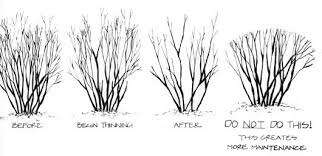
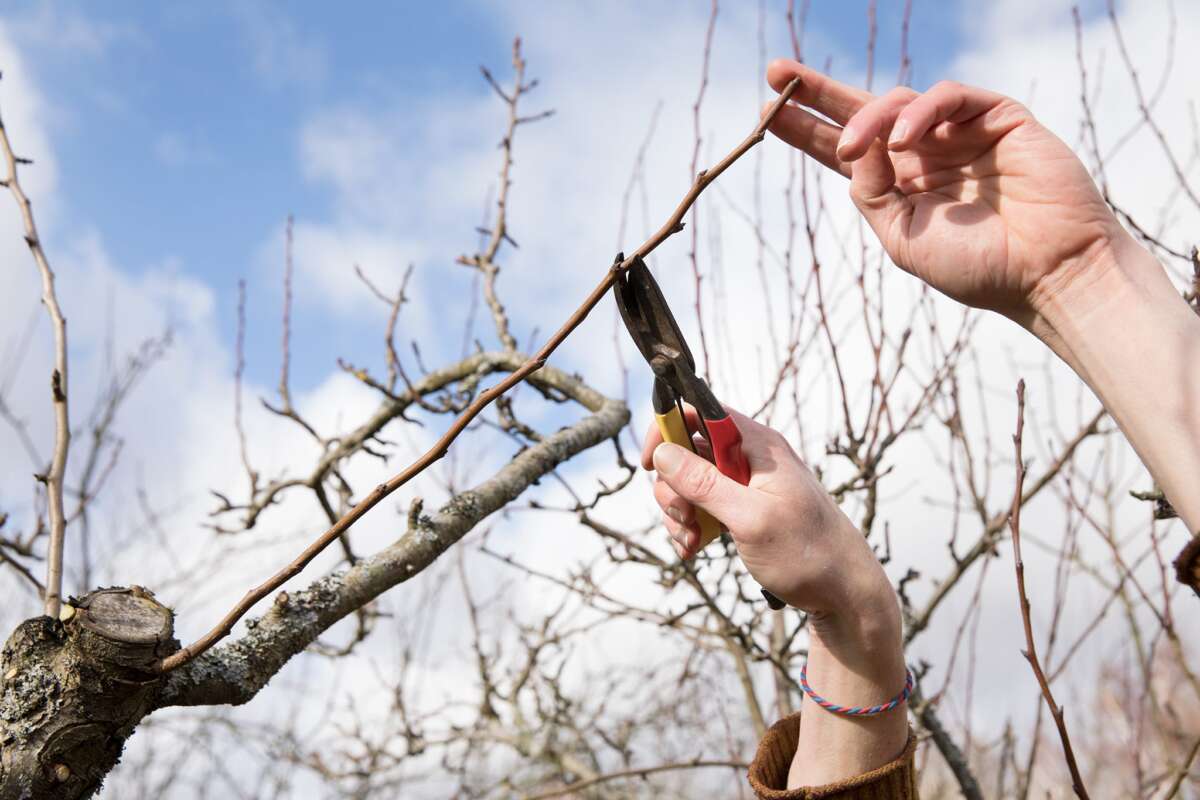
The answer to “can I prune fruit trees in autumn” depends on the species, your local climate, and the reason for pruning. Light pruning can remove dead wood and improve tree health, while heavy cuts may trigger new growth or spread disease. This guide explains when autumn pruning helps, when it hurts, and how to do it safely.

Can I Prune Fruit Trees in Autumn?
Yes, you can prune fruit trees in autumn in many cases. The safest work includes removing dead, damaged, diseased, or crossing branches. You can also remove weak shoots and small amounts of unwanted growth.
However, autumn is not the best pruning season for every tree. Some trees heal slowly as they enter dormancy. Others may respond to pruning by producing soft new shoots that cold weather can damage.
The key question is not only, “Can I prune fruit trees in autumn?” It is also, “What kind of pruning does this tree need?”
Autumn pruning is often suitable when:
• The leaves have fallen or are starting to fall
• The tree is fully dormant or nearly dormant
• You are removing dead, broken, or diseased wood
• You need to remove branches that pose a safety risk
• The weather is dry, calm, and above freezing
Autumn pruning is less suitable when:
• The tree is still growing strongly
• You plan to remove many large limbs
• Rain is likely for several days
• The tree has an active disease or pest problem
• A hard freeze is expected soon
Why Prune Fruit Trees in Autumn?
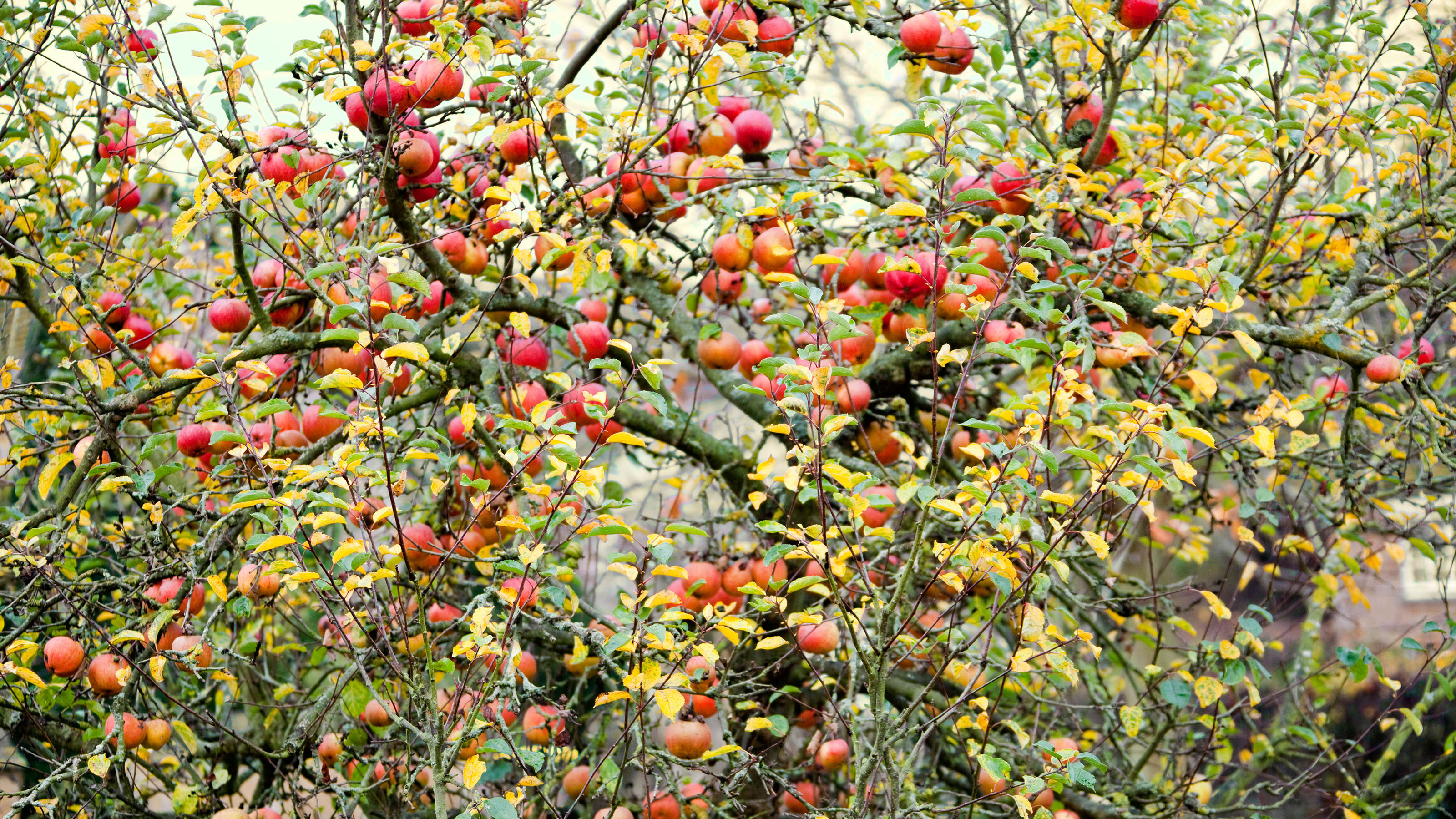
Pruning shapes the tree and helps keep its canopy open. An open canopy lets sunlight and air reach the leaves and fruit. This can support better fruit color, steady growth, and lower disease pressure.
Autumn pruning also makes it easier to inspect the tree. Once leaves fall, you can see branches that rub, cross, or grow toward the center. You can spot dead wood before winter storms turn it into a falling hazard.
The main benefits include:
• Removing dead and damaged branches
• Improving air movement
• Reducing branch rubbing
• Controlling tree size
• Training young trees
• Removing water sprouts and suckers
• Making later winter pruning easier
Still, pruning is a form of stress. Each cut removes stored energy and creates a wound. That is why careful, limited pruning is often better than a major autumn haircut.
A useful rule is simple: prune with a clear goal. Do not cut healthy wood just because the tree looks untidy.

Which Fruit Trees Can You Prune in Autumn?
The best autumn pruning plan depends on the fruit tree species. Apple and pear trees usually tolerate dormant pruning well. Peach, nectarine, cherry, apricot, and plum trees need more care because they are stone fruits.
Apple and pear trees
Apple and pear trees are among the most forgiving fruit trees to prune. After leaf fall, you can remove dead wood, crossing branches, and some crowded growth.
Light structural pruning in autumn is usually safe in mild areas. In cold regions, many growers save major cuts for late winter. This reduces the time that fresh wounds face freezing weather.
Peach and nectarine trees
Peach and nectarine trees are often pruned in late winter or early spring. Heavy autumn pruning can encourage tender growth in areas with a long fall season.
In autumn, limit work to dead, broken, diseased, or dangerous branches. Save most fruiting wood decisions for late winter, when you can see which buds survived.
Cherry trees
Cherry trees can be sensitive to pruning wounds. Sweet cherries and many ornamental cherries are often pruned in summer or after harvest, when dry weather lowers disease risk.
If you prune a cherry tree in autumn, keep cuts small. Remove only clear problem branches unless local guidance recommends otherwise.
Plum and apricot trees
Plum and apricot trees can suffer from fungal and bacterial diseases that enter fresh cuts. In wet climates, autumn pruning may raise this risk.
A small cleanup is often reasonable. Major shaping is usually safer during a dry period recommended for your region.
Citrus trees
Citrus trees are evergreen, so they do not enter true winter dormancy in the same way as apples or pears. Light removal of dead or damaged branches is usually fine, but major pruning should match local frost risk and the tree’s growth cycle.
Fig trees
Figs can bleed sap after pruning, and large cuts may reduce next year’s crop. Remove dead or weak wood in autumn, but avoid heavy cuts unless the tree is overgrown or damaged.
When Should You Prune Fruit Trees in Autumn?
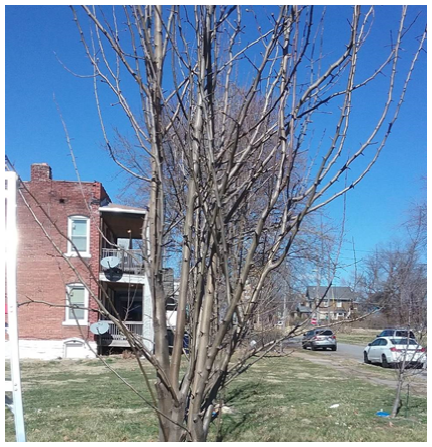
The best time is often after most leaves have fallen but before severe winter weather arrives. At this stage, the tree is slowing down, and its structure is easier to see.
In warm climates, trees may stay active well into autumn. Wait until growth has stopped. Green shoots and soft leaves often mean the tree is not fully dormant.
In cold climates, prune early enough for cuts to dry before hard freezes. Do not prune during wet weather or when ice is likely to form on fresh wounds.
The right timing may look like this:
• Early autumn: remove broken or diseased branches only
• Mid-autumn: perform light structural pruning after leaf fall
• Late autumn: avoid heavy cuts before deep freezing weather
• Late winter: complete major dormant pruning for many deciduous trees
Local climate matters more than the calendar. A November pruning date may be safe in Georgia but too late in Minnesota. USDA hardiness zones can help, but they do not replace local weather knowledge.

How to Prune Fruit Trees in Autumn Safely
If you decide you can prune fruit trees in autumn, use a careful process. Good technique protects the tree and reduces the chance of disease.
1. Check the tree first
Walk around the tree before making a cut. Look for:
• Dead branches with no living buds
• Cracked or split limbs
• Branches that touch or rub
• Shoots growing inward