What Plants Do You Cut Back In The Fall: Pruning Guide
Most herbaceous perennials, dead annuals, and diseased plant parts can be cut back in fall.
Knowing what plants do you cut back in the fall helps you protect next year’s growth, reduce disease, and keep beds tidy. The best approach is not to cut every plant to the ground. Some plants need a trim, while others offer winter shelter, food for birds, or protection from cold. This guide explains the timing, tools, exceptions, and safe methods used by experienced gardeners and university extension specialists.

What plants do you cut back in the fall?
Fall pruning works best when you focus on plants that are finished for the season. Remove weak, broken, diseased, or dead growth first. Then decide whether the plant benefits from a full cutback or a light trim.
The main plants commonly cut back in fall include:
• Peonies after frost turns the leaves brown
• Daylilies after their leaves yellow or collapse
• Hostas after frost damages the foliage
• Bee balm and other mildew-prone perennials
• Garden phlox with powdery mildew
• Irises after leaves decline, while keeping healthy rhizomes covered
• Yarrow, catmint, and some other herbaceous perennials
• Spent annual flowers and vegetable plants
• Diseased stems and leaves from almost any plant
A key rule is simple: cut back plants that are dormant, damaged, or diseased. Leave healthy stems when they add winter interest or provide seeds for wildlife.
Perennials that often benefit from fall cutback
Many herbaceous perennials die back naturally above the soil. Their roots remain alive underground and send up new shoots in spring.
Common examples include:
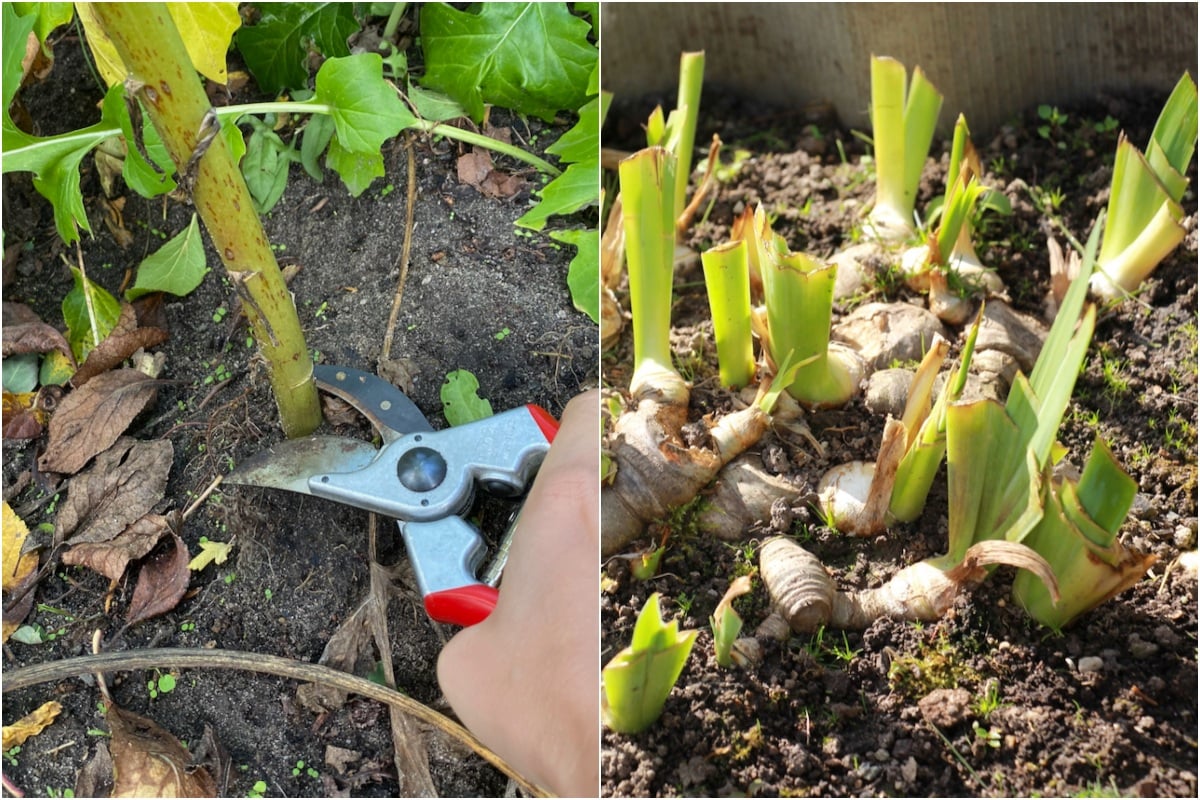
• Peonies: Cut foliage to 1 or 2 inches above the soil after frost. Remove all leaves from the bed if the plant had disease problems.
• Daylilies: Trim brown, collapsed leaves to a few inches tall. Evergreen daylilies in mild climates may need only damaged leaves removed.
• Hostas: Cut leaves when they become soft and brown. Do not cut green leaves simply because the calendar says fall.
• Bee balm: Cut stems to the ground after flowering and frost. This can help reduce powdery mildew spores.
• Garden phlox: Remove infected stems and leaves. Healthy stems can sometimes remain until late winter for wildlife value.
• Salvia and catmint: Cut back after frost or leave a short, tidy framework if the stems remain sturdy.
• False indigo: Leave stems for winter structure, or remove them in late winter when new growth appears.
The exact choice depends on your climate, soil, and the plant’s health. In cold regions, a layer of snow or mulch often protects the crown better than a severe cut.
Plants to cut back because of disease
Disease is one of the strongest reasons to prune in fall. Fungal spores can remain on fallen leaves and old stems. If infected material stays in the garden, it may increase disease pressure next year.
Cut back and remove plants with clear signs of:
• Powdery mildew
• Black spot
• Leaf spot
• Rust
• Botrytis blight
• Severe bacterial leaf disease
Do not compost diseased material in a small backyard pile unless the pile becomes hot enough to kill pathogens. Most home compost piles do not maintain heat evenly. Bagging and disposing of badly infected material is often safer.
Use clean, sharp pruners. If you move from a sick plant to a healthy one, wipe the blades with rubbing alcohol or a household disinfectant labeled for garden tools. Clean cuts heal faster and lower the chance of spreading disease.
In my own garden work, I once left spotted peony leaves in place because the bed looked cleaner that way. The next spring, the new shoots showed problems early. Since then, I remove diseased peony foliage as soon as it dies back and clean the surrounding soil surface.

What plants should you not cut back in the fall?
Not every plant benefits from fall pruning. Some should remain standing through winter because their stems protect the crown, hold snow, or provide seeds for birds and shelter for insects.
Avoid cutting these plants too early:
• Ornamental grasses, such as switchgrass and little bluestem
• Coneflowers
• Black-eyed Susans
• Sedum, especially tall varieties
• Joe-Pye weed
• Asters
• Coreopsis
• Russian sage in cold climates
• Ferns
• Lavender in regions with wet or severe winters
The dry stems of coneflower and black-eyed Susan can feed finches. Ornamental grasses also catch frost and add shape to a winter garden. Their stems act like small fences that slow wind and hold insulating snow around the crown.
Many native plant experts recommend leaving seed heads and hollow stems until late winter or early spring. This supports birds and beneficial insects. You can cut these plants back before new growth begins, usually from late February through April, depending on your area.
Roses are another plant that needs care. Avoid heavy fall pruning because it can encourage tender new growth or expose the plant to winter injury. Remove dead or diseased wood, but save major shaping for late winter or early spring.

When should you cut plants back in the fall?
The best time is usually after several hard frosts, not on the first cool day. A hard frost turns tender leaves black or brown and signals that many plants are entering dormancy.
Use these signs:
• Leaves have lost their color and collapsed
• Stems are dry and brittle
• Flowers have finished and formed seed
• The plant shows no fresh growth