Best Tool For Digging Up Grass: Top Sod Removal Picks
The best tool for digging up grass is a sharp sod cutter, root shovel, or long-handle plugger matched to the job.
If you have ever tried to remove a patch of lawn with a weak trowel, you know the pain. Grass roots hold soil like a woven net, especially when the ground is dry or packed. The right tool cuts below the roots, saves your back, and leaves a cleaner edge. I reviewed these lawn and garden tools for sod removal, root cutting, soil loosening, bulb planting, and turf repair. My picks include stand-up weed pullers, edgers, plug cutters, hoes, shovels, and hand tools for small jobs.
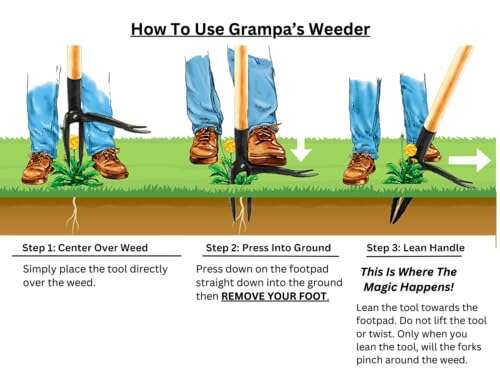
Grampa’s Weeder Stand-Up Weed Puller

Grampa’s Weeder is made for pulling weeds from a standing position. Its long bamboo handle helps you reach deep roots without kneeling or bending over. The tool uses a claw-style head that grips many taproots near the soil line. That design makes it a smart choice for removing isolated weeds from established grass.
I would not call this a full sod cutter. It is better for lifting weeds, grass clumps, and small root masses than for clearing a whole lawn. Use it after rain or watering, when the soil gives more easily. For older users or anyone with back pain, the upright design can make routine lawn work much less tiring.
Pros:
- Lets you work while standing
- Reduces bending and kneeling
- Long bamboo handle feels light in use
- Useful for taproot weeds and small grass clumps
- Leaves little soil disturbance around nearby plants
- Simple design needs no fuel or batteries
Cons:
- Not intended for large areas of sod
- Works best when soil is soft
- May struggle with thick, spreading grass roots
CKLT 41-Inch Lawn Edger

The CKLT Lawn Edger uses a long handle and a tempered spring steel blade to cut a clear line through turf. It suits jobs where you need to separate grass from a flower bed, walkway, driveway, or garden border. A firm step on the blade helps it enter the soil with less hand force. The 41-inch handle also keeps your hands away from mud and sharp pavement edges.
This tool can remove narrow strips of grass, but it is not a wide sod cutter. I like it most for making the first cut before lifting turf with a shovel. Mark your line with a hose or string, then work in short sections. This method gives you a neat edge and helps prevent the lawn from creeping back into the bed.
Pros:
- Creates clean lawn borders
- Long handle reduces bending
- Steel blade can cut through turf and surface roots
- Useful beside paths, beds, and driveways
- Helps divide sod into easy-to-lift strips
- Manual operation keeps maintenance simple
Cons:
- Does not lift large sod sections alone
- Hard ground may require watering first
- Needs careful foot placement on uneven soil
Omesata Sod Plugger and Bulb Planter

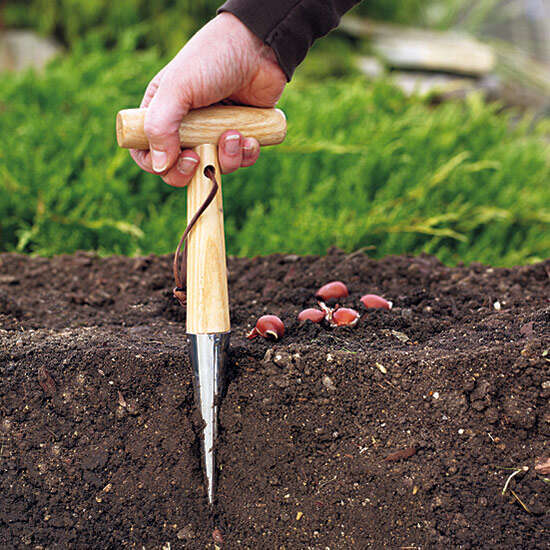
The Omesata Sod Plugger is designed to cut round plugs from turf. That makes it useful for grass repair, bulb planting, and small transplant holes. Instead of scraping away a broad patch, you remove a measured piece of sod and replace it later. This keeps the surrounding lawn intact.
A plugger is one of the best tool choices when the task calls for small, repeated holes. It can help you remove damaged spots before adding fresh soil or a matching grass plug. It is also handy for planting bulbs without turning over a whole bed. For large-scale lawn removal, however, its narrow cutting head means the work will take time.
Pros:
- Cuts tidy round plugs
- Good for patching thin or damaged lawn
- Useful for bulbs and small transplants
- Disturbs less nearby turf than a shovel
- Helps keep plug depth more consistent
- Works well for repeated planting tasks
Cons:
- Slow for removing broad areas of grass
- Hard, dry ground can resist the cutter
- Round holes may not suit every repair project
Rotary Cultivator Hand Tiller and Hoe
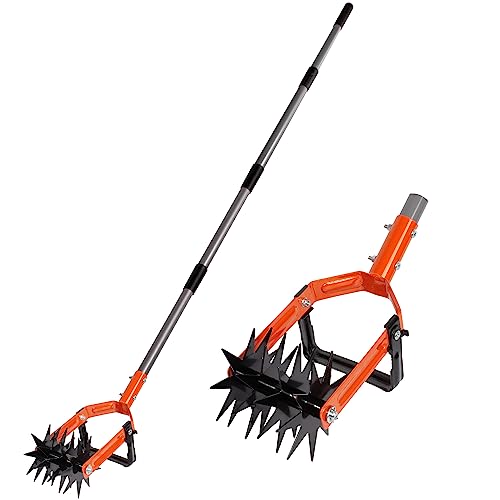
This rotary cultivator combines soil loosening with weeding. Its tines break the upper soil layer, while the stirrup hoe can slice shallow weeds below the surface. That combination makes it helpful when you want to clear grass from a small garden bed or prepare soil after removing turf. It is also easier to store than a large powered tiller.
The tool works best in short passes. I would first cut the grass into strips with an edger or spade, then use the cultivator to loosen roots and soil. It is not the best tool for digging deep, compact clay. Still, for light beds, reseeding areas, and routine weeding, it offers useful two-in-one value.
Pros:
- Combines a cultivator and stirrup hoe
- Loosens shallow roots and surface soil
- Useful for garden beds and small lawn patches
- Needs no gas, cord, or battery
- Helps prepare soil for reseeding
- Compact design is easy to store
Cons:
- Not suited to deep sod removal
- Can clog with long, wet grass roots
- Requires repeated passes in hard soil
BlumeTrec 74-Inch Rotary Cultivator

The BlumeTrec Rotary Cultivator has a long 74-inch handle and large tines for working soil from a standing position. Its design targets soil mixing, reseeding, lawn care, and garden preparation. The long reach can reduce the stooping that makes manual cultivation uncomfortable. It is a practical option for broad beds and shallow turf disturbance.
I see this as a soil-prep tool rather than a true sod cutter. It can loosen grass roots after you score or remove the top layer, but it may not lift a thick mat in one pass. Use it when you want to blend compost, break loose soil, or prepare a bare patch for seed. The extra-large tines may cover ground faster than a small hand cultivator.
Pros:
- Long handle supports upright work
- Large tines cover more soil
- Useful for reseeding and lawn repair
- Helps mix amendments into loose soil
- Good for garden beds and shallow cultivation
- Manual design avoids fuel and motor upkeep
Cons:
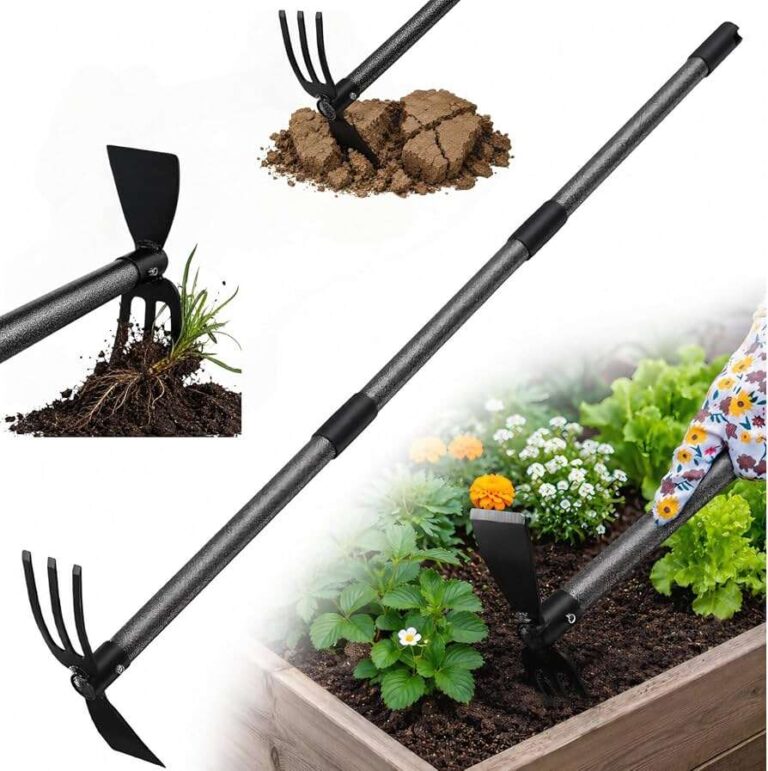
- Not a replacement for a sod cutter
- Hard clay can slow the rotary action
- Long handles need more storage space
Fiskars Steel Garden Knife

The Fiskars Steel Garden Knife is a compact tool for narrow cuts, weeding, and root work. Its pointed steel blade can enter tight soil around flowers, pavers, and shrubs. It is especially useful when grass grows in cracks or reaches into a planting bed. The small size gives you control that a full shovel cannot match.
For small patches, this may be the best tool for digging up grass when precision matters more than speed. I would use it to trace the edge of a bed, cut shallow runners, or lift individual clumps. It will not replace a long-handle shovel for deep roots or a full lawn conversion. Keep the blade clean and dry after use to protect the steel.
Pros:
- Excellent control in tight spaces
- Useful for cutting small roots and runners
- Compact enough for a tool belt or garden tote
- Works around flowers and shrubs
- Sharp point helps enter firm soil
- Good for cracks, seams, and narrow borders
Cons:
- Small blade covers little ground
- Requires kneeling or bending for most tasks
- Not suitable for removing large sod sections
70-Inch Heavy-Duty Garden Hoe

This 70-inch garden hoe is built for standing work. Its metal head can loosen soil, cut weeds, open planting furrows, and help remove shallow grass. The long shaft gives you reach and leverage without forcing you to crawl across the lawn. That makes it a useful choice for garden beds and medium-size patches.
A hoe removes grass by chopping and pulling rather than lifting a complete sod mat. This matters because it leaves loose roots that you may need to rake out. I recommend using it after marking the area and moistening the soil. It is a strong general tool for people who want one handle for digging, planting, ridging, and weed control.
Pros:
- Allows upright digging and weeding
- Useful for loosening shallow soil
- Can cut and pull small grass patches
- Supports planting and furrow work
- Long handle offers useful leverage
- Versatile choice for garden and lawn care
Cons:
- May leave roots behind after chopping
- Less precise than a spade or edger
- Hard ground can make the head bounce
Jardineer Serrated Root Shovel
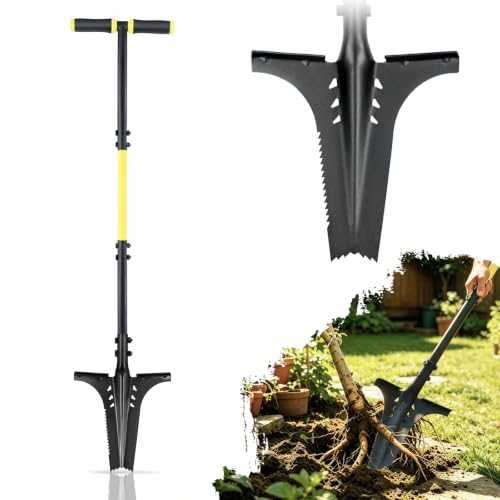
The Jardineer Root Shovel is the most direct match for tough turf and stubborn roots in this group. Its serrated digging edge can saw through roots that stop a smooth spade. The 45-inch handle provides leverage while the narrow shovel shape helps you enter compact soil. It is suited to removing clumps, edging beds, and digging through root-filled ground.
I would choose this shovel when the grass is thick, the soil is firm, or woody roots are mixed into the patch. Cut a narrow outline first, then use the serrated edge to work underneath the sod. Lift small sections instead of forcing one huge piece. Among these options, this is a leading candidate for the best tool for digging up grass when strength and root cutting matter most.
Pros:
- Serrated edge cuts stubborn roots
- Strong choice for thick turf
- Useful for compact and root-filled soil
- Long handle provides digging leverage
- Narrow blade helps make controlled cuts
- Can remove grass clumps and bed edges
Cons:
- Heavier than a small garden trowel
- Needs care around buried irrigation lines
- May be more tool than needed for light weeding
Fiskars Ergo Garden Trowel

The Fiskars Ergo Garden Trowel is a small digging tool for planting, transplanting, and light root work. Its compact blade gives you good control in flower beds and tight lawn edges. The ergonomic grip can make repeated hand digging more comfortable than a thin, straight handle. It is a sensible pick for small repairs and detail work.
This trowel is not designed to clear a large grass patch. I would use it for lifting individual clumps, making small holes, or cleaning turf from around a plant. It works best in loose or recently watered soil. For a small urban yard, container garden, or spot repair, it can be the best tool for digging up grass without disturbing nearby plants.
Pros:
- Good control for small digging jobs
- Useful around plants and narrow borders
- Comfortable ergonomic grip
- Easy to carry and store
- Works for planting and transplanting
- Suitable for small turf repairs
Cons:
- Too small for broad sod removal
- Needs more hand force in hard soil
- Requires kneeling or bending
BeneLabel Adjustable Grass Plugger

The BeneLabel Grass Plugger is made for controlled turf plugs, with an adjustable digging depth from about 3 to 6 inches. That range can help with lawn repair, bulb planting, and seedling transplanting. A long handle lets you work while standing. The plug design also limits damage to the grass around each hole.
Depth control is the main reason to consider this model. Different grass types and planting jobs need different hole depths, so a fixed cutter may not always fit. I would mark the repair spots first and keep the soil slightly damp. This is one of the best tool options for digging up grass in neat, small sections rather than stripping an entire yard.
Pros:
- Adjustable depth supports varied planting jobs
- Creates neat turf plugs
- Long handle supports standing work
- Useful for grass repair and bulb planting
- Disturbs less surrounding lawn
- Helps keep hole depth more consistent
Cons:
- Not efficient for full lawn removal
- Needs moist soil for easier cutting
- Plug size may not match every repair patch
What to Look for in the Best Tool for Digging Up Grass
The right choice depends on the size of the patch and the strength of the roots. A hand trowel can handle one clump, but it will feel slow across a full bed. A root shovel can cut deeper and work through tough soil. A plugger makes clean holes, while an edger creates straight lines before you lift the sod.
Before buying, think about your posture, soil type, and final goal. Do you want to save the grass for reuse? Do you need to remove every root? Are you planting bulbs, repairing bare spots, or making a new bed? These answers matter more than a flashy product label.
Blade Shape and Cutting Edge
A flat spade slides below sod and helps lift a broad section. A serrated blade is better when roots are thick or tangled. A pointed knife gives better control around plants and stones. For a clean lawn border, an edger is usually easier to guide than a wide shovel.
Sharp tools also reduce strain. A dull edge makes you push harder, and that can bend a handle or make your foot slip. Keep cutting tools clean. If the maker allows it, a light coat of protective oil can help guard exposed steel from rust.
Handle Length
Long handles help most people work while standing. They also give more leverage, which matters in firm ground. Short handles offer better control in tight areas but require more bending. If you have back or knee pain, a stand-up tool may be worth the extra space in your shed.
Do not ignore handle fit. A shaft that is too long can feel awkward in a small bed. A shaft that is too short can make every cut feel like a squat. The best tool for digging up grass should match both the ground and your body.
Soil and Moisture
Soil moisture changes the job more than many people expect. Dry soil can turn turf removal into a hard workout. Water the area one day before digging, but avoid working in mud. Wet soil may stick to the blade and smear the cut line.
Most turf cuts become easier when the soil is damp but firm. This simple step can improve the performance of a shovel, edger, plugger, or hoe. It can also help protect the tool from sudden impact.
Safety Before Digging
Check for buried irrigation pipes, lighting cable, and utility lines before cutting deep. In the United States, contact the local utility marking service before digging near known lines. Wear closed shoes with a firm sole, gloves, and eye protection when roots or stones may snap free.
Use your foot only on a stable step surface. Keep both hands on the handle when pulling. Never swing a shovel toward your legs. A slow cut is safer and often cleaner than a hard, rushed strike.
How I Compare These Grass-Digging Tools
I compare lawn tools by the job they can do, not by the longest product name. I look at cutting action, handle comfort, control, likely soil use, and cleanup. I also ask whether a tool removes grass or merely chops it. That difference matters when you plan to replace the sod or stop regrowth.
For broad removal, I favor a sturdy root shovel paired with an edger. For small holes, I favor a plugger. For a single weed or grass runner, a garden knife or trowel gives better control. For soil preparation after removal, a rotary cultivator or hoe makes more sense.
Current turf guidance from university extension programs generally supports cutting sod into manageable sections, keeping roots removed from planting beds, and avoiding work in saturated soil. Those basic practices protect soil structure and make new planting easier. They also explain why no single tool wins every grass-removal task.
Best for Small Grass Patches
A narrow shovel, trowel, or garden knife works well for a small patch. You can trace the edges and lift only the needed area. This approach is gentle around shrubs and flowers. The Fiskars garden knife and Fiskars trowel are especially useful when precision matters.
Best for Thick Roots
The Jardineer serrated root shovel is the strongest match for tough roots in this group. The serrated edge can bite into roots that resist a smooth blade. It also gives you leverage from a standing position. Work in smaller sections to protect your back and keep the shovel under control.
Best for Lawn Repair
A sod plugger is the better answer when you need holes for new plugs, bulbs, or seedlings. The Omesata model suits simple plug work. The BeneLabel model adds adjustable depth, which may help when you switch between planting and turf repair.
Best for Clean Edges
The CKLT edger is the natural choice for borders. It can define a line before you remove the turf with a shovel. A clean cut keeps the new bed looking planned instead of torn. It also makes future trimming easier.
My Recommendation
For most homeowners, the Jardineer Thickened Root Shovel is the best tool for digging up grass when the goal is real turf removal. Its serrated edge is better prepared for roots, and its long handle gives useful leverage. It can remove clumps, cut bed edges, and work in firm ground. Pair it with the CKLT Edger when you want a neat line.
Choose the Grampa’s Weeder for isolated weeds and light grass clumps. Choose the Omesata or BeneLabel plugger for round holes and lawn repair. Choose the Fiskars knife or trowel for small spaces around plants. In my view, the best tool for digging up grass is the one that matches the patch size instead of forcing one tool to do every job.
| Best for | Why |
|---|---|
| Tough sod and roots | Jardineer Root Shovel cuts and lifts stubborn turf. |
| Clean lawn borders | CKLT Edger makes a straight, controlled cut. |
| Small plugs and repairs | BeneLabel or Omesata creates neat planting holes. |
Tips for Removing Grass Without Making a Mess
Start by mowing the grass short. Mark the work area with a hose, spray paint, or string. Water the soil lightly if it is hard and dry, then wait until the surface is damp but not muddy.
Cut a shallow outline around the patch. Next, divide the area into strips or squares that you can lift safely. Slide the shovel below the root mat and use your legs, not your back, to raise each piece.
If you plan to reuse the sod, keep the pieces fairly even. Stack them grass-side down only for a short time, and keep them from drying out. If you are making a new bed, shake loose soil from the roots and remove leftover runners before adding compost or mulch.
Do not bury large pieces of live grass under a thin layer of mulch. Some turf can survive and grow through. Remove the crown and major roots, or use a suitable lawn conversion method. For chemical control, follow the product label and local rules, and consider less harmful methods first.
FAQs Of best tool for digging up grass
What is the best tool for digging up grass by hand?
A serrated root shovel is usually the best hand tool for thick grass and stubborn roots. Use an edger first when you need a clean outline. A trowel or garden knife works better for one small clump.
Can I use a garden hoe to remove sod?
Yes, but a hoe usually chops and loosens sod instead of lifting a full mat. It works well for shallow grass, soft soil, and small beds. You may need to rake out roots after using it.
Is a sod plugger good for removing grass?
A sod plugger is good for small round sections, lawn repair, bulbs, and transplants. It is not efficient for clearing a large lawn because each cut removes only one plug.
Should I water before digging up grass?
Lightly water hard soil one day before digging. Moist soil is easier to cut than dry soil. Avoid digging when the ground is saturated, since wet work can compact the soil.
How deep should I dig to remove grass roots?
For many lawn jobs, cutting below the crown and main root layer is enough. The needed depth varies by grass type and soil. Dig a test section first, then adjust the depth before clearing the full patch.
Final Verdict: Which Should You Buy?
The Jardineer Root Shovel is my top pick for the best tool for digging up grass. Its serrated blade and long handle suit thick turf, roots, and firm soil.
For borders, choose the CKLT Edger. For plugs, choose BeneLabel. Match the tool to the job for faster, cleaner lawn work.

Laura Bennett is a gardening writer at MyGardenLabs who creates beginner-friendly guides focused on solving common plant care and gardening problems.