What Is A Digging Tool Called: Types And Uses
A digging tool is usually called a shovel, spade, trowel, pickaxe, or mattock.
The exact name depends on the tool’s shape, size, and job. A shovel moves loose soil, a spade cuts firm ground, and a trowel handles small planting tasks. This guide explains what a digging tool is called, how each type works, and which one fits your project best.
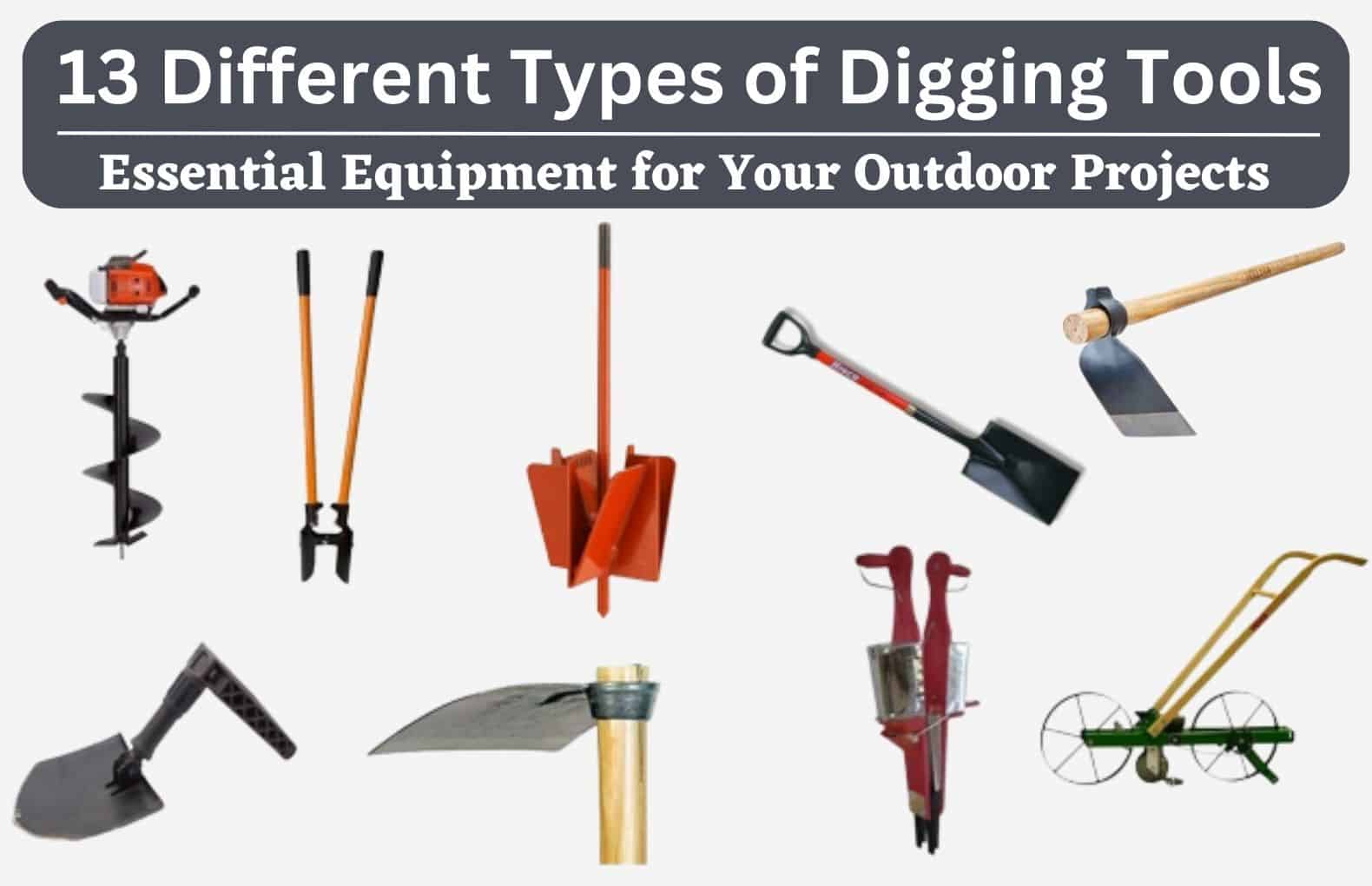
What Is a Digging Tool Called?
The most common digging tool is called a shovel. It has a broad blade and a long handle, so it can scoop, lift, and move soil, sand, gravel, compost, or snow.
However, “digging tool” is a broad term. Many tools can dig, but each one suits a different type of ground or task.
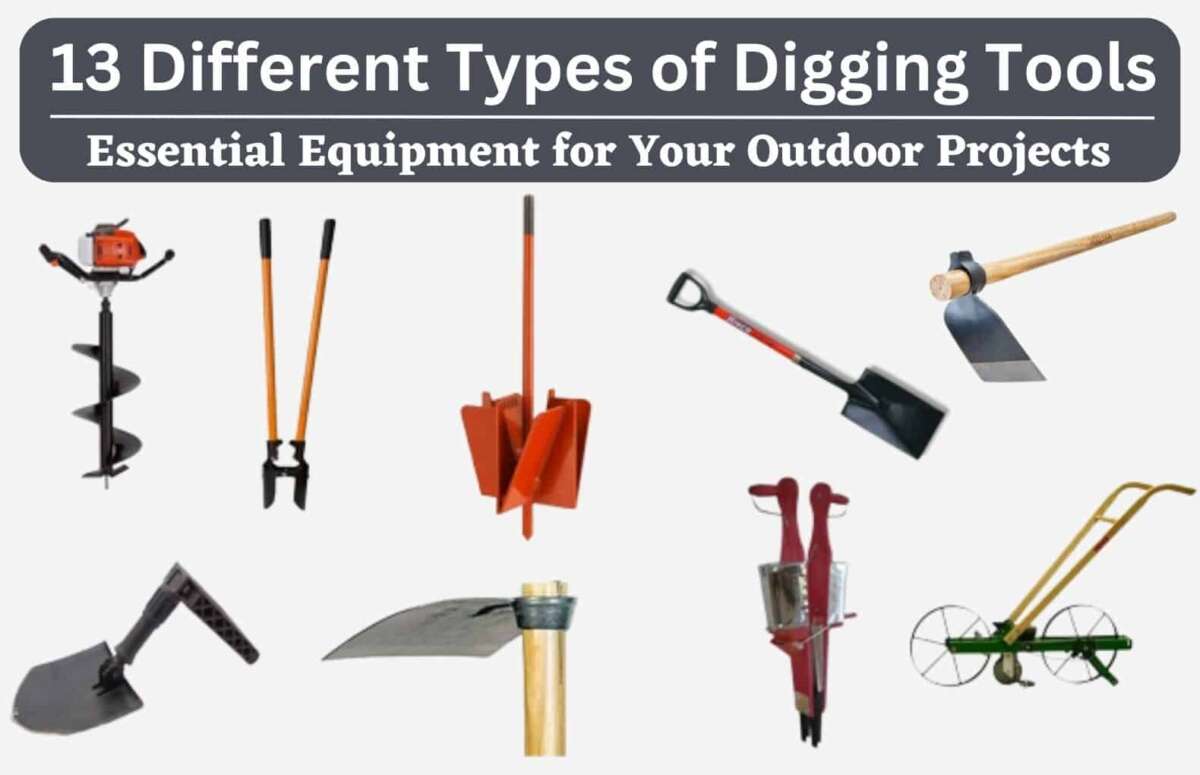
Common names include:
• Shovel: Best for moving loose soil and digging general garden holes.
• Spade: Best for cutting through firm soil and making clean edges.
• Garden trowel: Best for planting flowers, herbs, and small plants.
• Pickaxe: Best for breaking hard soil, rock, and compacted ground.
• Mattock: Best for cutting roots and loosening tough earth.
• Post hole digger: Best for making narrow, deep holes for fence posts.
• Auger: Best for drilling round holes into soil.
• Hand cultivator: Best for loosening shallow soil and removing small weeds.
So, if someone asks, “What is a digging tool called?” the safest short answer is “a shovel.” In a more exact answer, the name depends on the tool’s design and purpose.
Main Types of Digging Tools
Knowing the tool names helps you choose the right equipment. Using the wrong tool can make a simple task slow, tiring, and even unsafe.
Shovel
A shovel usually has a curved blade. The curve helps it hold and move loose material.
Use a shovel for:
• Digging planting holes
• Moving soil or mulch
• Filling garden beds
• Clearing sand or gravel
• Removing snow with the right blade
A round point shovel is a useful all purpose choice. It can cut into soil and scoop material. A square point shovel is better for moving loose material and smoothing surfaces.
Spade
A spade has a flatter, straighter blade than a shovel. Its sharp edge cuts into soil with control.
Use a spade for:
• Creating garden borders
• Dividing plants
• Cutting sod
• Digging straight sided holes
• Turning soil in small areas
Many gardeners prefer a spade when they need clean edges. It works like a knife for the ground.
Garden Trowel
A garden trowel is a small handheld digging tool. It has a narrow blade and a short handle.
Use a trowel for:
• Planting seedlings
• Digging holes for bulbs
• Moving small amounts of potting soil
• Transplanting herbs
• Working in containers
A trowel is often the best answer when someone asks about a small digging tool. It gives the user more control than a full size shovel.
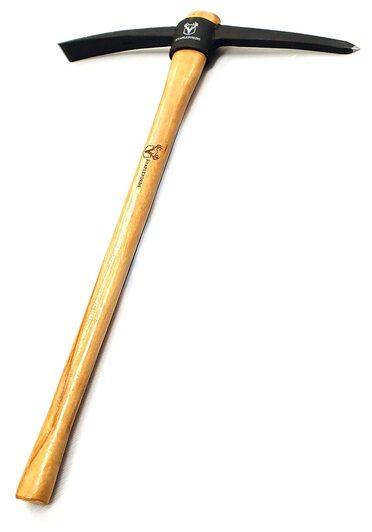
Pickaxe
A pickaxe has a pointed end and a flat or chisel shaped end. The pointed side breaks hard ground, while the flat side can loosen or cut material.
Use a pickaxe for:
• Rocky soil
• Compacted clay
• Frozen ground
• Small stones
• Old hard surfaces
A pickaxe needs careful handling. Its metal head can cause serious injury if it slips or rebounds from hard ground.
Mattock
A mattock looks similar to a pickaxe, but its blade is wider. It is especially useful for roots, clay, and dense soil.
Use a mattock for:
• Cutting thick roots
• Breaking hard clay
• Clearing rough land
• Digging shallow trenches
• Preparing neglected garden beds
A mattock can feel like a power tool for the soil. It removes material well, but it also demands good balance and controlled swings.
Post Hole Digger
A post hole digger has two long handles with narrow blades at the bottom. When you push the handles together, the blades grab soil from a hole.
Use it for:
• Fence posts