What To Use To Get Weeds Out Of Cracks: Best Methods
Use a crack weeder, boiling water, or a targeted herbicide, then seal the gap to stop regrowth.
Knowing what to use to get weeds out of cracks depends on the weed, the crack’s location, and how long you want the result to last. After years of clearing weeds from patios, driveways, and walkways, I have found that the best method combines physical removal, safe treatment, and prevention.
What to Use to Get Weeds Out of Cracks
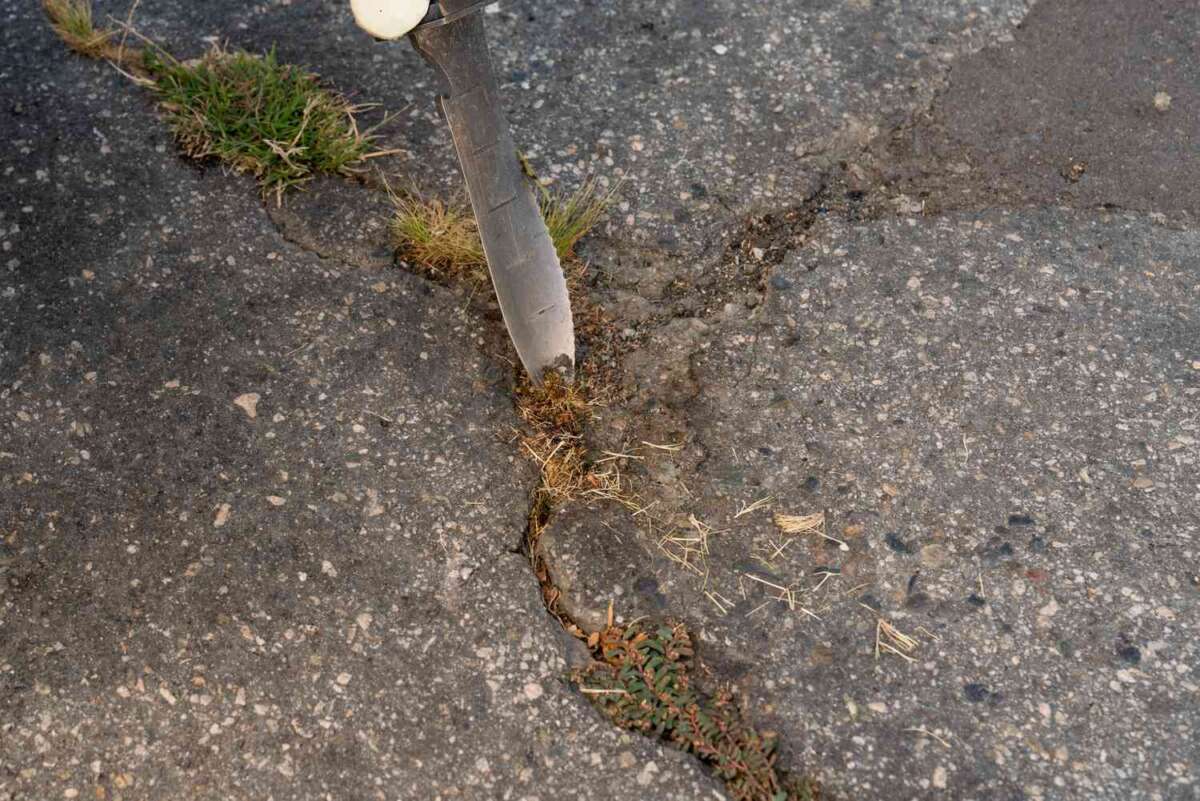
The best tool for most small cracks is a manual crack weeder. This tool has a thin, hooked blade that reaches deep into joints between pavers, concrete, and asphalt. It pulls out the crown and roots better than a wide garden hoe.
For larger areas, combine the tool with a treatment that kills leftover roots. Here are the most useful options:
• Manual crack weeder for precise removal
• Flathead screwdriver for narrow joints
• Stiff wire brush for loose soil and small seedlings
• Boiling water for a simple, chemical-free treatment
• Vinegar-based weed killer for young weeds
• A labeled glyphosate product for persistent perennial weeds
• Polymeric sand or joint sealant to help prevent regrowth
A good method is to remove the weed first, treat any remaining roots, and fill the empty space. Simply cutting off the green leaves often creates a short-term fix. The root stays below the surface and sends up new growth after the next rain.

Best Tools for Removing Weeds From Cracks
Physical removal is usually the safest first step. It gives you control and avoids spraying chemicals near lawns, flower beds, pets, or storm drains.
Crack weeder
A crack weeder is the most effective hand tool for pavement joints. Look for one with a strong steel blade and a comfortable handle. Push the blade below the weed’s crown, then pull toward you.
This works best when the soil is damp. Water the area lightly a few hours before you work, or clear weeds after rain. Avoid working on wet, slippery pavement because it can increase the risk of falls.
Flathead screwdriver
A flathead screwdriver works well for narrow cracks. Use an old one, since gritty soil can dull the tip. Slide it along both sides of the weed, loosen the roots, and lift the plant out.
This tool is especially useful for weeds growing between bricks or along concrete steps. Work slowly so you do not chip the edge of the pavement.
Wire brush
A stiff wire brush removes dry soil, moss, and tiny weed seedlings. It is useful for surface cleanup, but it may not remove deep roots. Use it as a finishing tool after pulling larger weeds.
For delicate stone, test the brush in a hidden spot first. A harsh brush can scratch soft natural stone or remove a surface finish.
Long-handled patio scraper
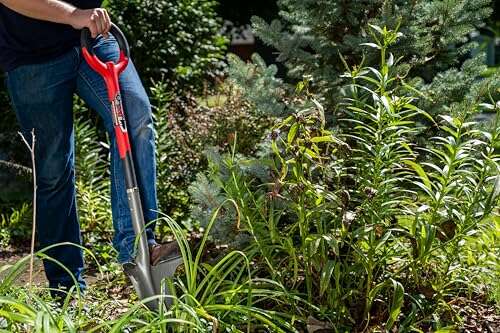
A long-handled scraper helps if you have back pain or a large driveway. Choose a model with a narrow blade made for patio joints. Keep the blade sharp, and use steady pressure instead of swinging it.
In my own yard, I learned that a cheap, dull scraper can make the job harder. A sturdy tool costs more at first, but it saves time and reduces strain.

How to Use Boiling Water for Crack Weeds
Boiling water is one of the simplest answers to what to use to get weeds out of cracks. It kills the plant tissue by heat and works well on young annual weeds.
Follow these steps:
-
Boil a full kettle or pot of water.
-
Carry it carefully in a stable container with a secure handle.
-
Pour the water slowly over the center of the weed.
-
Aim at the leaves and the base of the plant.
-
Wait one or two days, then remove the dead growth.
-
Repeat the treatment if new growth appears.
Boiling water is not selective. It can damage grass, flowers, tree roots near the surface, and beneficial insects that come into contact with the hot liquid. Keep it on the pavement and away from storm drains when possible.
This method may need several applications for deep-rooted weeds such as dandelions, plantain, and thistle. It is most effective when the weed is small and actively growing.

Are Vinegar and Salt Good Weed Killers?
Household vinegar can kill the leaves of small weeds, but it does not always kill the roots. Standard kitchen vinegar contains about 5% acetic acid. Stronger horticultural vinegar can contain much more and may cause skin and eye burns.
Salt can kill plants, but it can also damage soil for a long time. Rain may carry salt into nearby garden beds, lawns, and waterways. For this reason, salt is a poor choice near trees, planting areas, and drainage paths.
If you use a vinegar product, follow the label and wear eye protection and gloves. Do not mix vinegar with bleach, ammonia, or other cleaners. These combinations can create dangerous gases or reactions.
Vinegar works best for:
• Small annual weeds
• Fresh seedlings
• Weeds in isolated pavement joints
• Areas where nearby plants will not be exposed
It is less reliable for woody weeds and plants with deep roots. A product labeled for weed control is usually more predictable than a homemade mixture.

When to Use Herbicide on Crack Weeds
Herbicide may be useful when weeds return quickly or grow deep roots that are hard to pull. Choose a product based on the weed and location. Read the entire label before mixing or spraying.
A nonselective herbicide kills most green plants it touches. It should never be used carelessly near grass, flowers, vegetable beds, or trees. A systemic product moves through the plant and may work better on perennial weeds, but it can take several days to show results.
Use these safety habits:
• Spray only on calm days to reduce drift.
• Keep children and pets away until the label says the area is safe.
• Wear the protective clothing listed on the label.
• Do not spray before heavy rain.
• Never pour leftover herbicide into a drain or onto bare soil.
• Store the product in its original container.
The Environmental Protection Agency requires pesticide labels to provide legal use directions. The label is the most reliable guide for application, waiting periods, and disposal. More herbicide does not mean better control. It can increase risk without improving results.

A Safe Step-by-Step Method That Works
If you are deciding what to use to get weeds out of cracks, use a layered approach. This method balances control, safety, and long-term prevention.
Step 1: Identify the weed
Look at the plant before removing it. A grass-like weed may have shallow spreading roots, while a dandelion may have a long taproot. Knowing the root type helps you choose the right method.
Step 2: Remove the top growth
Use a crack weeder, screwdriver, or scraper. Pull from the base and try to remove as much root as possible. Do not yank sideways, since that can break the stem and leave the root behind.
Step 3: Treat remaining growth
Apply boiling water to a small isolated area, or use a properly labeled product for persistent weeds. Give the treatment time to work before disturbing the area again.
Step 4: Clean the joint
Brush out loose dirt, dead roots, and old seeds. A clean joint gives you a better chance of stopping new growth.