What Tool Is Best For Digging In Hard Dirt: Top Picks
A pick mattock is the best all-around tool for breaking and digging hard, compacted dirt by hand.
When soil feels like concrete, a normal shovel often bends, slips, or wears you out. After testing hand tools in dry clay, rocky beds, and packed construction soil, I find that a pick mattock gives the best mix of impact, control, and digging power. This guide explains what tool is best for digging in hard dirt, when to use other tools, and how to work safely without wasting energy.
The best tool for digging in hard dirt
For most home digging jobs, the best choice is a pick mattock. It has a strong metal head with two useful ends:
• A pointed pick breaks hard ground, clay, roots, and small rocks.
• A broad mattock blade cuts into soil and helps pull it loose.
• A long handle gives you leverage and lets the tool do much of the work.
A pick mattock works like a small hand-powered wedge. The pointed end creates a crack in the soil. The wider end then opens that crack and removes loosened dirt. This makes it far more useful than trying to force a flat shovel into compacted ground.
The answer to what tool is best for digging in hard dirt may change with the soil and job size. Still, a pick mattock is the most useful first tool for planting, trenching, fence posts, drainage work, and breaking old garden beds.

Why hard dirt is difficult to dig
Hard dirt is not always the same type of soil. It may be dry clay, compacted fill, rocky soil, baked topsoil, or ground packed down by foot and vehicle traffic. Each type resists a shovel in a slightly different way.
Dry clay contains tiny particles that stick together tightly. When clay loses moisture, it can become almost brick-like. Compacted soil has less air space, so there is little room for a shovel blade to enter.
Common causes of hard dirt include:
• Long periods without rain
• Heavy foot or vehicle traffic
• Construction equipment pressing the soil
• High clay content
• Tree roots growing through the soil
• Poor drainage and repeated drying
• Layers of gravel, stones, or construction fill
This is why asking what tool is best for digging in hard dirt requires more than naming one tool. The best tool must match the depth, moisture, soil type, and size of the job.

Pick mattock versus other digging tools
A pick mattock is powerful, but it is not the only option. Understanding the strengths and limits of each tool helps you choose wisely.
Pick mattock
A pick mattock is the best general choice for hard ground. It can break crusted soil, cut roots, loosen clay, and move small amounts of dirt.
Choose one with:
• A fiberglass or hardwood handle
• A head weight that you can control safely
• A sharp but not razor-thin blade
• A secure head that does not wobble
For most homeowners, a tool head weighing about 2.5 to 5 pounds offers a useful balance. A heavier head hits harder, but it also causes more fatigue and raises the risk of poor control.
Digging bar
A digging bar is excellent for narrow holes, rocky soil, and packed gravel. Its long steel shaft can split hard layers and pry out stones.
A digging bar is often the best tool for digging in hard dirt when you need to make a deep post hole or break a buried rock. However, it removes little soil by itself, so you will still need a shovel or post hole digger.
Grub hoe
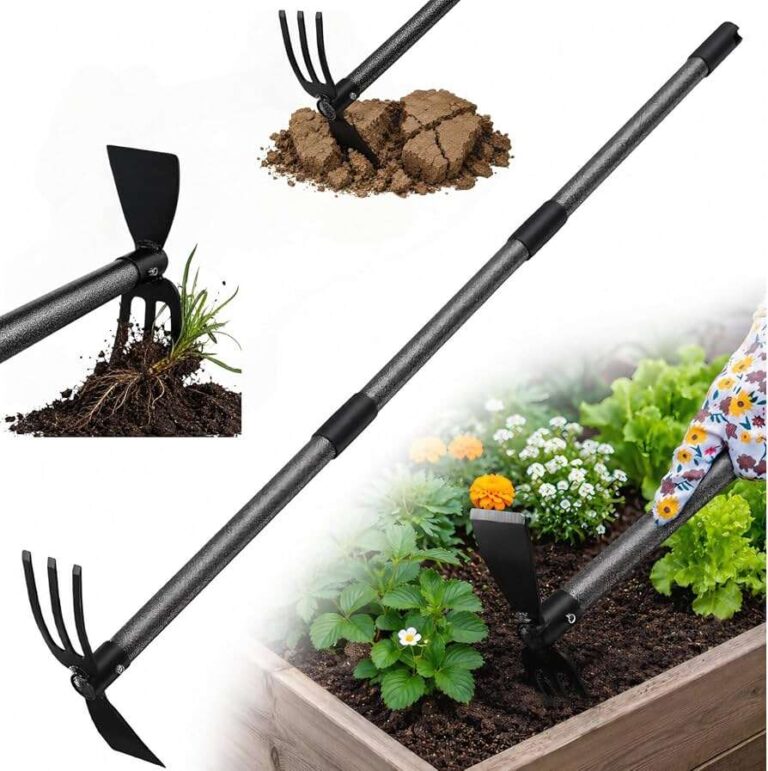
A grub hoe has a wide, heavy blade designed to cut roots and scrape hard soil. It works well in shallow beds and areas with thick grass or weeds.
Use a grub hoe when you need to clear the top layer of ground. It is less effective than a pick mattock for deep, heavily compacted soil.
Spud bar
A spud bar has a long, narrow blade. It is useful for cutting roots, splitting soil, and opening a narrow trench.
It offers good control but may require more effort than a pick mattock for broad areas. It is best for precise work rather than general digging.
Shovel
A sharp trenching shovel or round-point shovel is useful after the ground has been loosened. It is usually not the best first tool for hard dirt.
Trying to force a shovel into dry clay is a common mistake. The blade may bend, the handle may crack, and your back may take the punishment.

The best tool for different types of hard dirt
The question of what tool is best for digging in hard dirt has a different answer for each soil condition.
Dry clay
Use a pick mattock first. Strike with the pointed end to create small cracks, then use the blade to lift chunks. If possible, wet the soil several hours before digging.
Do not flood the area. Too much water can turn clay into sticky mud. A slow soak is better than a sudden heavy spray.
Rocky ground
Use a digging bar and pick mattock together. The bar breaks or pries around stones, while the mattock loosens the soil between them.
Wear eye protection because rocks can chip when struck. Never swing a damaged tool head.
Compacted lawn soil
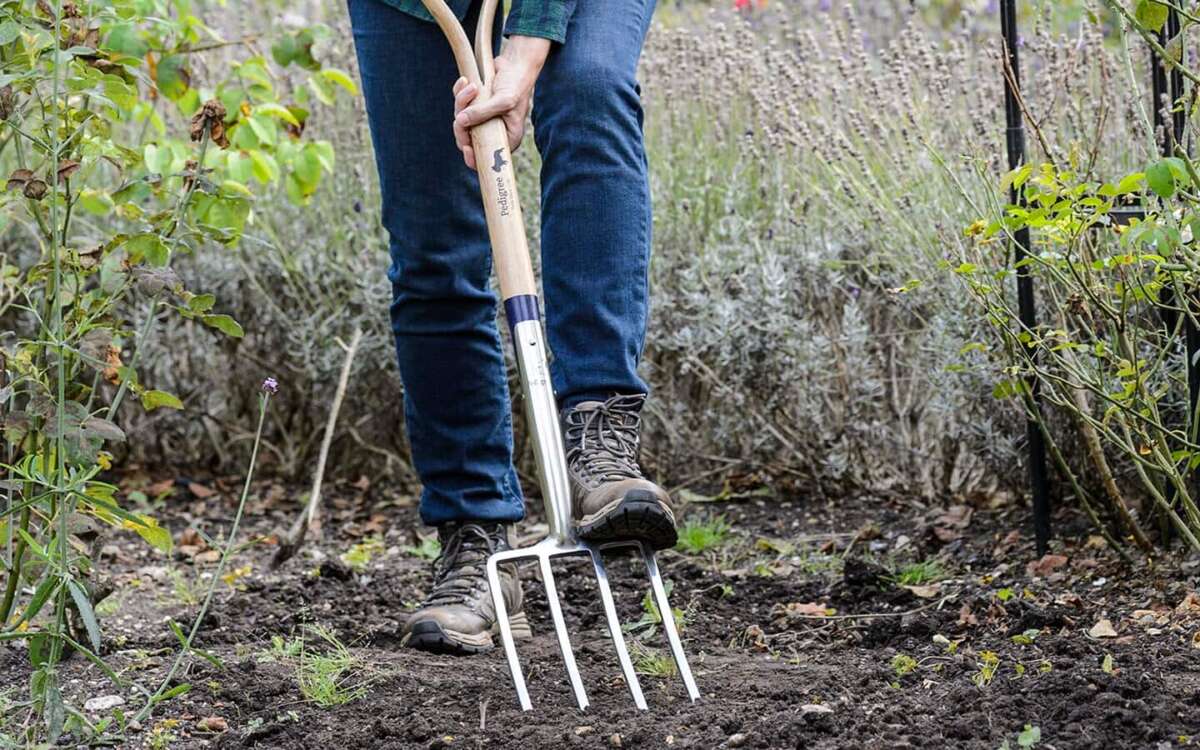
A grub hoe or pick mattock works well for removing the top layer. After loosening the soil, use a garden fork to open the remaining compacted areas.
For large lawns, mechanical aeration is faster and easier. Hand tools make more sense for small patches, garden borders, and planting holes.
Soil with roots
A mattock blade or grub hoe can cut small and medium roots. For thick roots, use a pruning saw rather than striking repeatedly with a metal tool.
Check for buried utility lines before digging near trees, fences, or buildings. In the United States, contact 811 before digging on most residential projects.
Hard construction fill
Use a digging bar, pick mattock, and heavy-duty shovel. Construction fill may contain gravel, broken concrete, and metal scraps, so wear gloves, boots, eye protection, and long pants.
Stop if you find suspected utility lines, pipes, or unusual materials. Guessing can turn a small project into a serious hazard.

How to use a pick mattock correctly
The best tool for digging in hard dirt will still perform poorly if you use it with poor technique. Good form saves energy and protects your joints.
Follow these steps:
-
Mark the digging area and remove loose surface debris.
-
Stand with your feet about shoulder-width apart.
-
Grip the handle firmly, but do not squeeze until your hands tire.
-
Lift the head only as high as you can control.
-
Let the tool fall instead of forcing it down with your arms.
-
Strike the soil at a slight angle.
-
Work in small sections rather than attacking one deep hole at once.
-
Remove broken soil with a shovel or garden hoe.