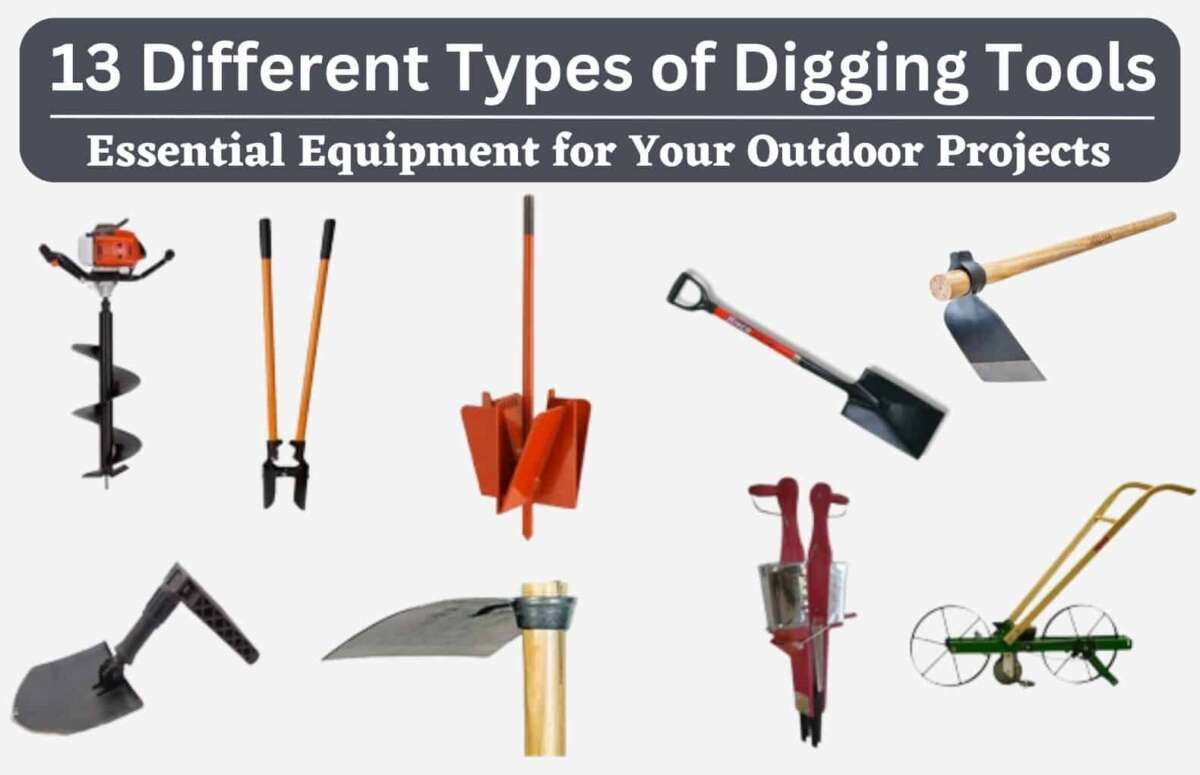
What Is Meaning Of Digging Tools: Easy Guide
Digging tools are hand or powered tools used to break, move, shape, and remove soil or other ground materials.
If you have ever planted a tree, repaired a fence, or cleared a garden bed, you have used a digging tool in some form. Understanding what is meaning of digging tools helps you choose the right tool, work faster, reduce strain, and avoid damage to soil, roots, pipes, or your own body. This guide explains the meaning, types, uses, benefits, limits, and safe handling of digging tools in clear, practical terms.
What Is the Meaning of Digging Tools?
The meaning of digging tools refers to tools made for cutting into, loosening, lifting, moving, or removing soil and other ground materials. These materials may include clay, sand, gravel, compost, snow, packed dirt, and sometimes soft construction material.
Digging tools can be simple hand tools or large powered machines. A hand trowel works well for a small flower pot, while an excavator is better for a building site. Both tools perform the same basic task: they help a person or machine work with the ground.
The meaning of digging tools also includes tools used for related tasks. These tasks include:
• Breaking hard or compact soil
• Making holes for plants, posts, and foundations
• Removing rocks, roots, and unwanted soil
• Moving loose dirt from one place to another
• Shaping trenches, beds, and channels
In simple terms, digging tools are the equipment that helps us work below or around the surface of the earth.

Why Are Digging Tools Important?
Digging by hand without a tool is slow, tiring, and often unsafe. A good tool transfers force from your hands and body to the soil. Its shape helps cut, lift, scrape, or move earth with less effort.
The meaning of digging tools becomes clearer when you look at their role in daily work. Gardeners use them to prepare soil. Builders use them to dig foundations and trenches. Utility workers use them to expose underground cables and pipes.
Digging tools are important because they can:
• Save time and physical energy
• Improve accuracy when making holes or trenches
• Reduce hand and back strain
• Help protect plant roots and nearby structures
• Make hard soil easier to manage
• Support safer work in gardens, farms, and construction areas
The right tool acts like an extra joint in your arm. It gives your effort a sharper edge, a longer reach, or greater lifting power.

Main Types of Digging Tools
Digging tools come in many shapes and sizes. Each design suits a different type of soil or task. Knowing the main categories makes the meaning of digging tools easier to understand.
Hand Digging Tools
Hand tools are common in gardening, landscaping, farming, and home repair. They are easy to carry and usually cost less than powered equipment.
Common hand digging tools include:
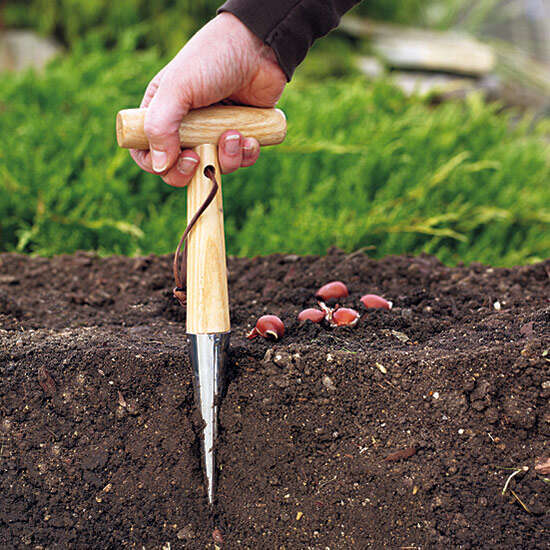
• Trowel: A small, pointed tool used for planting flowers, herbs, and small plants.
• Garden spade: A tool with a flat or slightly curved blade used for cutting soil, edging beds, and planting.
• Shovel: A tool with a broad blade used to dig, lift, and move loose soil, sand, snow, or compost.
• Spade fork: A tool with strong metal tines used to loosen soil, lift plants, and break up compact ground.
• Hand cultivator: A small tool with curved claws used to loosen the top layer of soil.
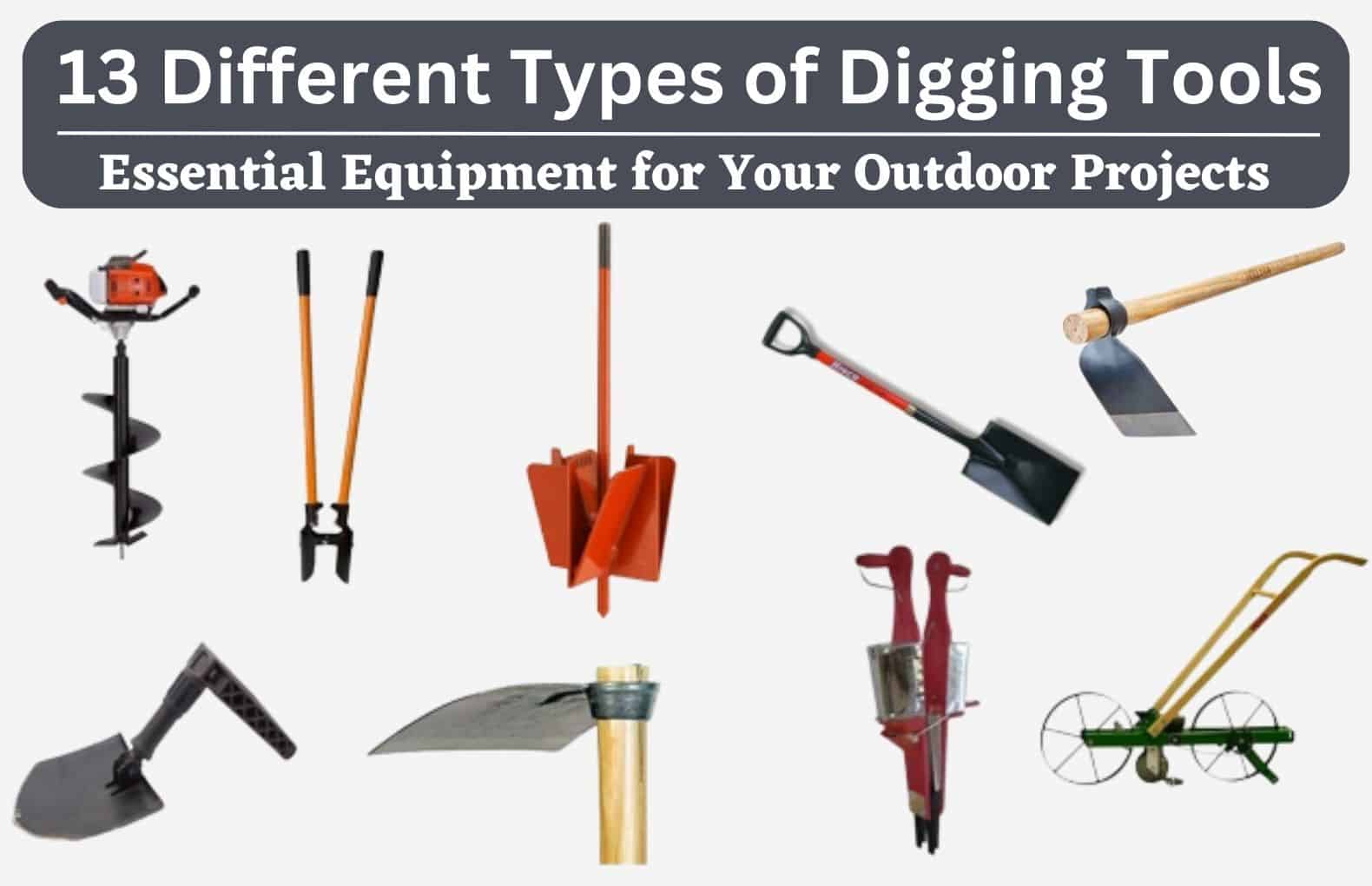
• Post-hole digger: A tool with two long handles and narrow blades used to make deep holes for fence posts.
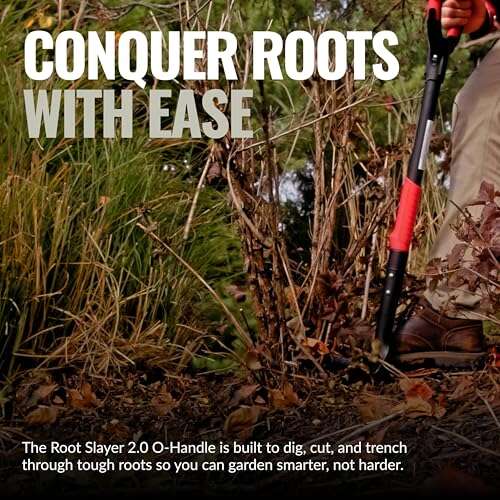
• Mattock: A heavy tool with a pointed end and a broad blade for hard soil, roots, and rocky ground.
Powered Digging Tools
Powered digging tools use electricity, batteries, hydraulic systems, or fuel. They are useful when the ground is hard or the project is large.
Examples include:
• Electric or battery auger: A rotating tool that drills holes in soil.
• Rotary hammer: A power tool that breaks hard ground, concrete, or masonry with a hammering action.
• Trencher: A machine that cuts narrow, deep channels for cables, pipes, or drainage.
• Mini excavator: A compact machine that digs, lifts, and moves soil in small work areas.
• Backhoe: A machine with a digging arm and bucket used for trenches, foundations, and material removal.
• Earth auger: A larger drilling device used for fence posts, planting, and construction work.
The meaning of digging tools includes all these devices because they perform related ground-working functions, even though their power and design differ.

Common Uses of Digging Tools
Digging tools serve many purposes beyond simply making holes. The best tool depends on the soil, depth, size of the project, and level of control required.
Gardening and Landscaping
Gardeners use trowels, spades, forks, and shovels to prepare planting areas. A trowel creates a small hole for a seedling. A spade cuts through turf or divides a garden bed. A fork loosens compact soil without slicing through as many roots as a sharp blade.
For example, planting a shrub may require a shovel for the main hole, a fork to loosen the sides, and a hand tool to place soil around the roots.
Farming and Agriculture
Farmers use digging tools to prepare seed beds, remove weeds, repair irrigation channels, and plant crops. Large farms often use tractors and powered equipment, while small farms may depend on hoes, forks, spades, and mattocks.
Good tools help farmers manage soil without unnecessary disturbance. This matters because excessive digging can damage soil structure and increase erosion.
Construction
Construction workers use digging tools to prepare foundations, footings, drainage systems, and utility lines. Small hand tools help with detail work, while excavators, trenchers, and backhoes handle large volumes of earth.
Before digging near a home or road, workers must identify underground utilities. In the United States, calling 811 before digging is a key safety step for many residential and commercial projects.
Archaeology and Exploration
Archaeologists use small trowels, brushes, picks, and screens to remove soil with care. They work slowly because a large shovel could damage a valuable object or change the position of evidence.
This is an important reminder that the meaning of digging tools also includes precision. The biggest tool is not always the best tool.
Emergency and Utility Work
Digging tools can help workers expose broken pipes, repair cables, clear blocked drains, or remove soil after storms. In these cases, control and safety are often more important than speed.
How Different Digging Tools Work
A digging tool works by applying force to the soil. Its blade, point, edge, or teeth concentrate that force into a smaller area.
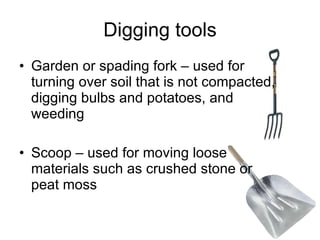
A pointed shovel penetrates soil more easily than a flat shovel. A flat shovel is better for scooping and moving loose materials. A fork uses narrow tines to enter soil and lift it while allowing some dirt to fall through.
Here is a simple comparison:
| Tool | Main action | Best use |
|---|---|---|
| Trowel | Cuts and lifts small amounts of soil | Planting small plants |
| Spade | Cuts and turns soil | Garden beds and edging |
| Shovel | Scoops and moves soil | Loose soil, compost, and snow |
| Garden fork | Loosens and lifts soil | Compact soil and root areas |
| Mattock | Breaks and cuts hard ground | Roots, clay, and rocky soil |
| Post-hole digger | Removes narrow columns of soil | Fence and sign posts |
| Auger | Drills a round hole | Posts and planting |
| Excavator | Digs and moves large amounts | Construction and earthwork |
This design-based view explains the meaning of digging tools better than a simple list of names. Each tool has a working shape that matches a specific job.
Benefits of Using the Right Digging Tool
Choosing the right digging tool can make a difficult job feel simple. It can also protect your health and improve the result.