Best Hand Tool For Cutting Grass: Top Lawn Care Picks
The best hand tool for cutting grass is a sharp grass shear matched to your lawn’s size.
Tall grass by a fence, a rough patch under a tree, or a missed edge can make a neat lawn look untidy fast. A mower may not reach these spots, and a noisy trimmer can damage flowers, spray clippings, or feel like too much work. I tested the main types of manual grass cutters, from small shears to long-handled sickles. This guide will help you choose the best hand tool for cutting grass based on reach, blade style, comfort, and the size of the job.
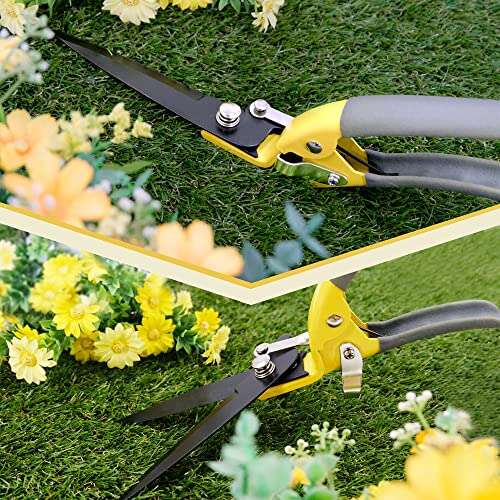
Byhagern Upgraded Grass Shears

The Byhagern Upgraded Grass Shears are made for close work along lawn edges, garden beds, walkways, and fence lines. Their compact form gives you direct control over each cut. I like this style when I need to shape grass without disturbing nearby plants. It is also a sensible choice for small yards, spot trimming, and touch-ups after mowing.
Hand shears require more wrist work than a long-handled tool, but they offer a level of care that powered tools often miss. The cutting action suits thin and medium grass more than woody weeds or thick brush. Keep the blades clean and dry after use, and they should remain useful for many small lawn jobs. For careful edging, this model is a strong candidate for the best hand tool for cutting grass.
Pros:
- Compact shape gives precise control near plants
- Useful for lawn edges and small missed patches
- Quiet operation suits homes and shared spaces
- Needs no fuel, battery, or charging
- Easy to carry around flower beds and borders
- Simple design is easy to clean after use
Cons:
- Can cause hand fatigue during long sessions
- Not the right choice for large lawns
- May struggle with very thick or wet grass
Fiskars Ergo Garden Hand Weeder

The Fiskars Ergo Garden Hand Weeder is not a grass shear, but it earns a place in this guide because many lawn problems begin with weeds. Its pointed working end helps loosen and remove weeds from the root zone. That makes it useful when grass grows around dandelions, crabgrass, or other unwanted plants. Removing the root can reduce the need for repeated cutting.
The ergonomic handle is the key feature here. It gives your hand a more natural position than a thin metal grip, which helps during repeated pulling and prying. I would pair this tool with grass shears rather than use it as a direct grass cutter. For a lawn that needs weed removal before trimming, it adds real value and saves time later.
Pros:
- Targets weeds at the root instead of only cutting tops
- Ergonomic handle feels secure during pulling
- Useful around grass, beds, and garden borders
- Helps prepare rough lawn areas for clean trimming
- Small size makes storage simple
- Works without power or replacement parts
Cons:
- Does not cut lawn grass like shears or a sickle
- Requires bending or kneeling for ground-level work
- Hard soil may require extra force
CKLT 41-Inch Lawn Border Edger

The CKLT Lawn Edger gives you long reach for borders beside sidewalks, driveways, patios, and garden beds. Its 41-inch handle lets you work while standing, so you do not need to bend over for every cut. The tempered spring steel blade is suited to slicing through grass that has crept over a hard edge. This design focuses on a clean boundary rather than broad lawn mowing.
I find long-handled edgers most useful when the lawn is healthy but the borders look soft. You can guide the blade along the line and use steady downward pressure to define the edge. It will not replace a grass whip or mower for tall growth. Still, for curb appeal and routine border care, this tool may be the best hand tool for cutting grass around hard surfaces.
Pros:
- Long handle supports upright work
- Good reach along sidewalks and driveways
- Steel blade creates a clear lawn border
- Reduces kneeling and back strain
- Useful for routine edge maintenance
- Does not need fuel, cords, or batteries
Cons:
- Designed for borders, not open lawn areas
- Hard ground may make cutting more difficult
- Requires careful foot placement during use
YEELOR Adjustable Long-Handle Weeding Sickle
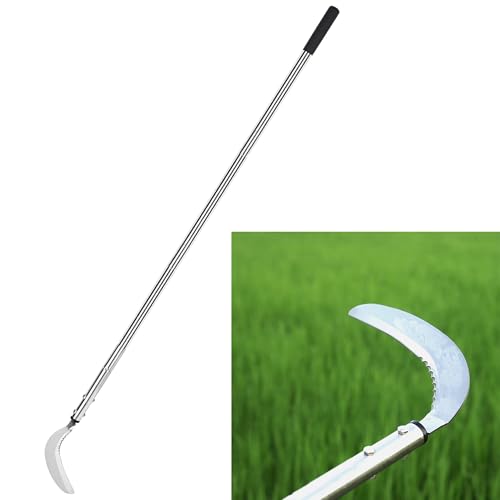
The YEELOR Weeding Sickle combines a long handle with a curved cutting blade. This setup is helpful when tall grass or weeds grow in places that a mower cannot reach. The adjustable handle can help users find a more comfortable working length. It also keeps the blade farther from your feet than a short hand sickle.
A sickle works best with a controlled sweeping motion rather than hard chopping. I recommend starting with light growth and learning the blade path before tackling a larger patch. The tool can reach under shrubs, along slopes, and near rough fence lines. It is a practical choice for people who want the reach of a long tool without starting a gas or electric machine.
Pros:
- Long handle reduces the need to bend
- Adjustable length can suit different users
- Reaches tall grass under shrubs and fences
- Useful for weeds and light brush
- Manual design works in remote areas
- Offers more reach than short grass shears
Cons:
- Needs practice for safe, smooth swings
- Not ideal for close decorative edging
- Dense woody brush may be too tough
True Temper Grass Whip

The True Temper Grass Whip uses a double-edged serrated steel blade and a 22-inch hardwood handle. Unlike small clippers, it is made for a wider cutting path and taller growth. The serrated edge can grip grass and weeds during a pull or sweep. This makes it useful for paths, drainage areas, fence lines, and small overgrown sections.
The shorter handle gives better control than a full-size scythe, while the blade offers more reach than hand scissors. I would use it with a smooth side-to-side motion and avoid striking stones or hidden metal. Hardwood handles can feel warm and natural in the hand, though they benefit from dry storage. For moderate growth, this is one of the strongest manual grass-cutting options in the group.
Pros:
- Double-edged blade increases cutting options
- Serrations grip grass and weeds well
- 22-inch handle balances reach and control
- Useful for paths and rough lawn patches
- Hardwood handle has a traditional feel
- Works without noise, fuel, or charging
Cons:
- Requires room for a safe swing
- Can tire the arms during heavy clearing
- Not suited to fine flower-bed trimming
Walensee 41-Inch Double-Edged Scythe

The Walensee Double-Edged Scythe is built for people who need to clear more than a few blades of grass. Its 41-inch length gives standing reach, and the double-edged design helps cover a broader area with each pass. It can serve on tall grass, weeds, field edges, and unmanaged parts of a property. This is a field tool, not a tiny lawn-detail tool.
Technique matters with a scythe. I get the best results by keeping the blade low, using my hips and arms together, and avoiding rushed swings. A clear work area is essential because rocks and hidden objects can damage the blade or change its path. If you maintain a large rural lot, this may be the best hand tool for cutting grass without fuel or an engine.
Pros:
- Long handle supports standing work
- Double edges can improve cutting coverage
- Suitable for tall grass and broad weeds
- Useful on rural lots and field edges
- Quiet and independent of power sources
- Can clear areas that mowers cannot safely reach
Cons:
- Too large for small detail jobs
- Requires practice and a clear swing zone
- May be tiring for users with limited strength
GARDEN GURU Hand Grass Clipper

The GARDEN GURU Hand Grass Clipper is a classic choice for lawn edges, flowers, shrubs, and fine garden work. Forged steel blades give it a solid feel, while comfort-grip handles make repeated cuts easier. This type of grass shear lets you trim one small section at a time. It is especially helpful where a powered trimmer would be too aggressive.
I prefer hand clippers when the line between grass and a plant must look clean. They let you work slowly and see every cut before moving on. The trade-off is speed, since a small blade cannot match a whip or sickle on tall growth. For gardeners who value control, neat detail, and a quiet tool, this model is a dependable pick.
Pros:
- Forged steel construction feels sturdy
- Good for precise edging around plants
- Comfort-grip handles support repeated cuts
- Useful for shrubs, flowers, and lawn borders
- Quiet enough for early or late yard work
- Simple to rinse, dry, and store
Cons:
- Slow for large areas of grass
- Needs frequent hand movement during long jobs
- Thick stems may require a stronger cutter
TOYPOPOR Carbon Steel Grass Sickle

The TOYPOPOR Carbon Steel Grass Sickle is a compact cutting tool for weeds, grass, and light garden growth. Its shorter form gives you close control around beds, paths, and small patches. A sickle can hook and pull through grass in a way that feels more natural than straight scissors. It is also easy to carry when you move around a garden.
This tool suits users who do not need a long handle but want more cutting power than small clippers. I would use it for weeds near a fence, grass around posts, or a few overgrown spots. Carbon steel should be kept dry and clean to help limit rust. Because the blade is exposed, safe storage and careful handling matter as much as sharpness.
Pros:
- Compact size gives close control
- Useful for weeds and light grass
- Easy to carry across a garden
- Works well in tight spaces
- Manual design has no operating cost
- Hooked shape supports a natural pulling cut
Cons:
- Short reach requires bending or kneeling
- Exposed blade needs careful storage
- Carbon steel needs drying after wet use
ZOOM.LZ Carbon Steel Weeding Sickle

The ZOOM.LZ Weeding Sickle is a heavier garden tool for cutting weeds, grass, and some light brush. Its carbon steel blade gives it a more forceful feel than a small grass shear. This can help when growth has become tall, tangled, or hard to reach with a mower. It is best viewed as a clearing tool rather than a lawn-finishing tool.
I would choose this style for farm work, fence lines, garden edges, and brushy corners. Use controlled cuts and keep your free hand away from the blade path. The tool can make quick work of growth, but it demands more care than a pair of scissors. Clean and dry the blade after use, then store it where children cannot reach it.
Pros:
- Handles heavier weeds than small shears
- Useful for brushy edges and rough ground
- Carbon steel blade supports firm cutting
- Portable for farm and garden tasks
- Does not depend on a power source
- Can clear tight spots near fences and posts
Cons:
- Too aggressive for delicate flower borders
- Requires extra attention to blade safety
- May need regular cleaning to limit rust
Zenport K310 Brush Clearing Sickle

The Zenport K310 is a compact brush-clearing sickle with a 9-inch carbon steel blade and a matching handle. It is made for close clearing in gardens, landscaping areas, and narrow spaces. The short design gives you a direct feel for the blade. That helps when you need to work around posts, roots, stones, or established plants.
This is not my first choice for trimming a finished lawn. Instead, I see it as a useful problem solver for stubborn weeds and rough growth. It can cut where a long tool feels awkward, but the user must stay aware of the sharp edge. With dry storage and basic care, it can remain a handy part of a manual yard tool kit.
Pros:
- Compact design works in narrow spaces
- Useful for brush and tough weeds
- Short handle gives direct blade control
- Carbon steel supports demanding yard work
- Easy to carry and store
- Helpful around roots, posts, and tight borders
Cons:
- Limited reach can require kneeling
- Not designed for broad lawn cutting
- Sharp blade needs secure storage
How I Choose the Best Hand Tool for Cutting Grass
The right tool depends on the grass, not just the product label. Small shears work best for short grass along beds and paths. A grass whip or sickle handles taller growth and rough areas with less repeated hand squeezing. A long-handled edger works best when the main goal is a sharp line beside concrete or stone.
I also look at reach, blade shape, balance, and user comfort. A tool that feels powerful for five minutes may feel heavy after an hour. Manual cutting is quiet and simple, but it still demands safe technique. I always clear away stones, wear closed shoes and eye protection, and keep other people outside the cutting path.
What to Look for Before Buying
First, match the handle length to your body and task. A short tool gives accuracy, while a long tool reduces bending and covers more ground. Next, check the blade style. Smooth shear blades suit fine grass, serrated blades grip rough growth, and curved sickle blades help with sweeping cuts.
Material also matters. Steel blades hold an edge well when you clean and dry them after use. Wood handles feel warm and traditional, while metal or composite handles may resist weather better. No matter which model you choose, do not cut hidden growth until you know what lies beneath it.
My Recommendation
For most homeowners, the GARDEN GURU Hand Grass Clipper is the best hand tool for cutting grass around lawn edges, flowers, shrubs, and small garden spaces. It offers the control needed for neat work without the noise of a powered trimmer. If you need to cut tall grass across a large rough area, choose the Walensee Double-Edged Scythe instead. It offers more reach and a wider cutting path.
The CKLT Edger is the better fit for clean borders beside sidewalks and driveways. The True Temper Grass Whip is a balanced middle option for weeds and medium-height growth. I recommend choosing by job size first, then by handle comfort and storage needs.
| Best for | Why |
|---|---|
| Fine lawn edging | Small grass shears give precise control near plants and paths. |
| Tall grass and rough lots | A long scythe or sickle covers more ground with less bending. |
| Sidewalk and driveway borders | A long-handled edger creates a clear line while you stand upright. |
How to Use a Manual Grass Cutter Safely
Before cutting, walk through the area and remove stones, wire, sticks, and toys. Hidden objects can damage a blade or move suddenly when struck. Wear sturdy shoes, long pants, and eye protection. Gloves can improve grip, but they do not replace careful handling.
Keep the blade below knee level unless the tool design calls for another position. Use smooth cuts instead of wild swings. Stop when the handle, blade, or ground becomes slippery. Children and pets should stay away until the work is complete and the tool is stored.
How to Maintain Hand Grass-Cutting Tools
Maintenance is simple but important. Brush off grass after each job, then wipe moisture from the blade. A light coat of suitable oil can help protect carbon steel from rust. Check screws, joints, and handles before the next use.
Sharpen only when you understand the blade angle and have the right file or sharpener. A dull blade makes you push harder, which can reduce control. Store every sickle, whip, and shear with its blade protected and its handle dry.
FAQs Of best hand tool for cutting grass
What is the best hand tool for cutting grass around flower beds?
Small grass shears are usually the best choice. They offer close control and help you trim grass without hitting flowers or stems. The GARDEN GURU and Byhagern shears suit this task well.
Which manual tool cuts tall grass fastest?
A long-handled scythe or grass whip usually cuts tall grass faster than small scissors. The Walensee Double-Edged Scythe suits broad rough areas, while the True Temper Grass Whip offers easier control in smaller sections.
Can a hand sickle replace a lawn mower?
It can replace a mower for small patches, rough corners, slopes, and areas where a mower cannot reach. It is not efficient for maintaining a large, even lawn every week.
Are hand grass tools safe to use?
They can be safe when you clear the work area, wear protective gear, control the blade, and keep people away. Always follow the product instructions and store sharp tools out of reach of children.
How often should I sharpen a grass-cutting hand tool?
Sharpening needs depend on use and the material you cut. If the tool tears grass, needs extra force, or slips from stems, inspect the edge. Clean the blade first, then sharpen it with the correct method for that tool.
Final Verdict: Which Should You Buy?
For most small lawn jobs, the GARDEN GURU Hand Grass Clipper is the best hand tool for cutting grass. Choose the Walensee scythe for tall growth, or the CKLT edger for hard borders.
Match the blade to the job, work slowly, and keep it dry. The right manual grass cutter can keep your yard neat, quiet, and easy to manage.

Laura Bennett is a gardening writer at MyGardenLabs who creates beginner-friendly guides focused on solving common plant care and gardening problems.