Can I Prune Shrubs In Fall: Best Timing And Tips
Yes, you can prune some shrubs in fall, but timing and shrub type determine whether it helps or harms.
If you are asking, “can I prune shrubs in fall,” the honest answer is: sometimes. Fall pruning can remove dead wood, improve safety, and tidy an overgrown plant. However, a heavy cut at the wrong time may remove next spring’s flowers or encourage tender new growth before freezing weather. This guide explains which shrubs to prune, what to leave alone, and how to make clean, safe cuts.
Can I prune shrubs in fall?
Yes, light pruning is often safe in fall. The best work includes removing dead, broken, diseased, or dangerous branches. You can also cut back a branch that blocks a walkway or touches your home.
Fall is not the best season for every type of pruning. Many shrubs set flower buds on old wood during late summer and fall. If you cut those stems, the shrub may grow well but produce few or no flowers the next year.
A useful rule is simple: prune for health and safety in fall, but save major shaping for the right season.
Why pruning time matters
Shrubs follow a yearly growth cycle. In spring and summer, they grow leaves, stems, and flowers. In late summer and fall, many plants slow down and prepare for winter.
A hard cut can interrupt that process. It may stimulate fresh shoots that do not have time to mature. These soft shoots are more likely to suffer winter injury.
Pruning also affects flower buds. Some shrubs bloom on old wood, which means they form next year’s buds on branches made during the current year. Other shrubs bloom on new wood, so they form flowers on new growth next spring.
Understanding this difference helps answer “can I prune shrubs in fall” with more accuracy.
Old wood versus new wood
Shrubs that bloom on old wood often flower in early spring. Examples include:
• Forsythia
• Lilac
• Flowering quince
• Bridal wreath spirea
• Weigela
• Mock orange
• Bigleaf hydrangea
These plants should usually be pruned just after they finish blooming. Fall pruning may remove flower buds that are already waiting on the branches.
Shrubs that bloom on new wood often flower in summer. Examples include:
• Rose of Sharon
• Potentilla
• Summer-blooming spirea
• Panicle hydrangea
• Smooth hydrangea
• Butterfly bush
These plants can often handle dormant-season pruning. Still, late winter or early spring is usually better than fall for major cuts.

What shrubs can be pruned in fall?
You can usually prune most shrubs in fall for cleanup. The safest cuts remove problems rather than change the plant’s basic shape.
Good fall candidates include shrubs with:
• Dead branches
• Broken limbs
• Diseased wood
• Rubbing or crossing branches
• Growth that blocks a path
• Branches that touch siding, windows, or roofs
• Weak stems that could fall in snow or ice
Many deciduous shrubs also benefit from removing a few old stems at the base. This opens the center and improves air movement without creating a flush of new growth.
Evergreen shrubs need more care. You may remove dead or damaged branches, but avoid cutting deeply into bare wood. Many evergreen shrubs do not produce new buds from old, leafless stems.
Light trimming of yew, arborvitae, and some junipers may be possible in early fall. Stop well before hard freezes arrive. Never shear an evergreen simply because it looks untidy if the cut exposes large areas of brown inner wood.

Which shrubs should you avoid pruning in fall?
Avoid heavy pruning on shrubs that bloom in early spring. Their flower buds may already be set. Cutting them in fall can reduce the spring display.
You should also avoid severe pruning when the plant is stressed. Drought, heat, disease, insect damage, or recent transplanting can weaken a shrub. A hard cut adds more stress when the plant needs recovery.
Do not prune during wet weather if you can wait. Wet branches and tools can spread some plant diseases. Wet ground can also become compacted when you walk around the shrub.
Avoid pruning when:
• The shrub is still pushing soft, green growth
• A freeze is expected within a few days
• The plant has fresh frost damage
• You cannot identify the shrub
• The plant is diseased and you lack clean tools
• You plan to remove more than one-third of the plant
If you are unsure, take a photo and ask a local extension office, certified arborist, or experienced nursery professional. Local climate matters. A fall pruning date that works in Georgia may be too late in Minnesota.

The best time to prune shrubs in fall
Early fall is often safer than late fall. Choose a dry day when the shrub has slowed down but the ground is not frozen.
The ideal timing depends on your USDA hardiness zone, local weather, and the shrub’s growth pattern. In warm regions, plants may keep growing well into fall. In cold regions, winter can arrive quickly.
Use these general timing tips:
• Early fall: Remove dead, damaged, or unsafe branches. Lightly correct a problem branch.
• Mid-fall: Limit pruning to cleanup and disease control.
• Late fall: Avoid major cuts, shaping, and shearing.
• Before a hard freeze: Stop pruning unless a branch presents an immediate hazard.
Pruning too early can trigger new growth. Pruning too late can leave fresh cuts exposed to freezing temperatures. The safest window is usually after active growth slows and before severe cold settles in.

How to prune shrubs in fall safely
Good technique matters as much as timing. Clean cuts heal more quickly and reduce damage to the remaining wood.
1. Check the weather
Pick a dry day with mild temperatures. Give the shrub time to dry before nightfall. Avoid pruning during a period of heavy rain, extreme heat, or an immediate deep freeze.
2. Inspect the shrub
Walk around the plant first. Look for dead stems, cracks, rubbing branches, disease symptoms, and shoots that grow toward the center.
Do not begin cutting before you know what you want to remove. A short inspection can prevent a large mistake.
3. Clean your tools
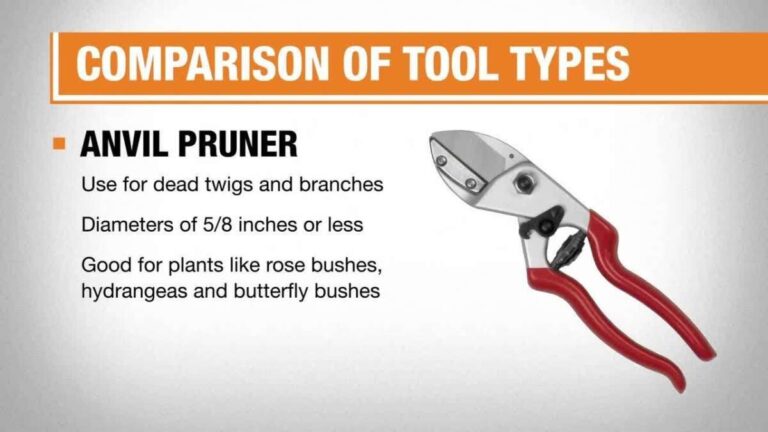
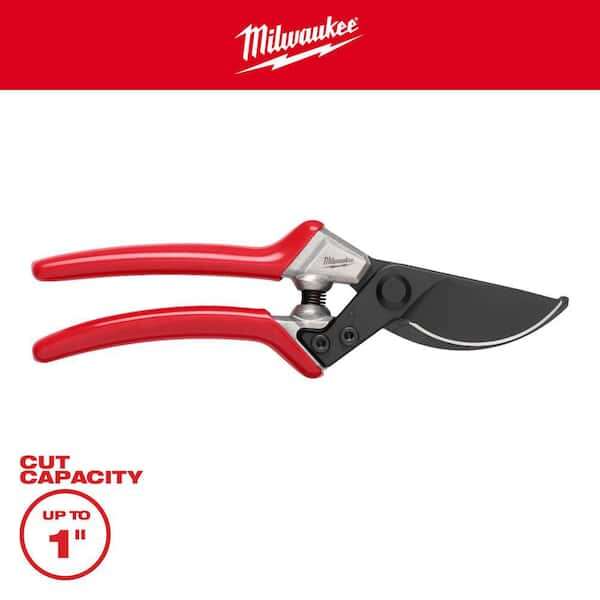
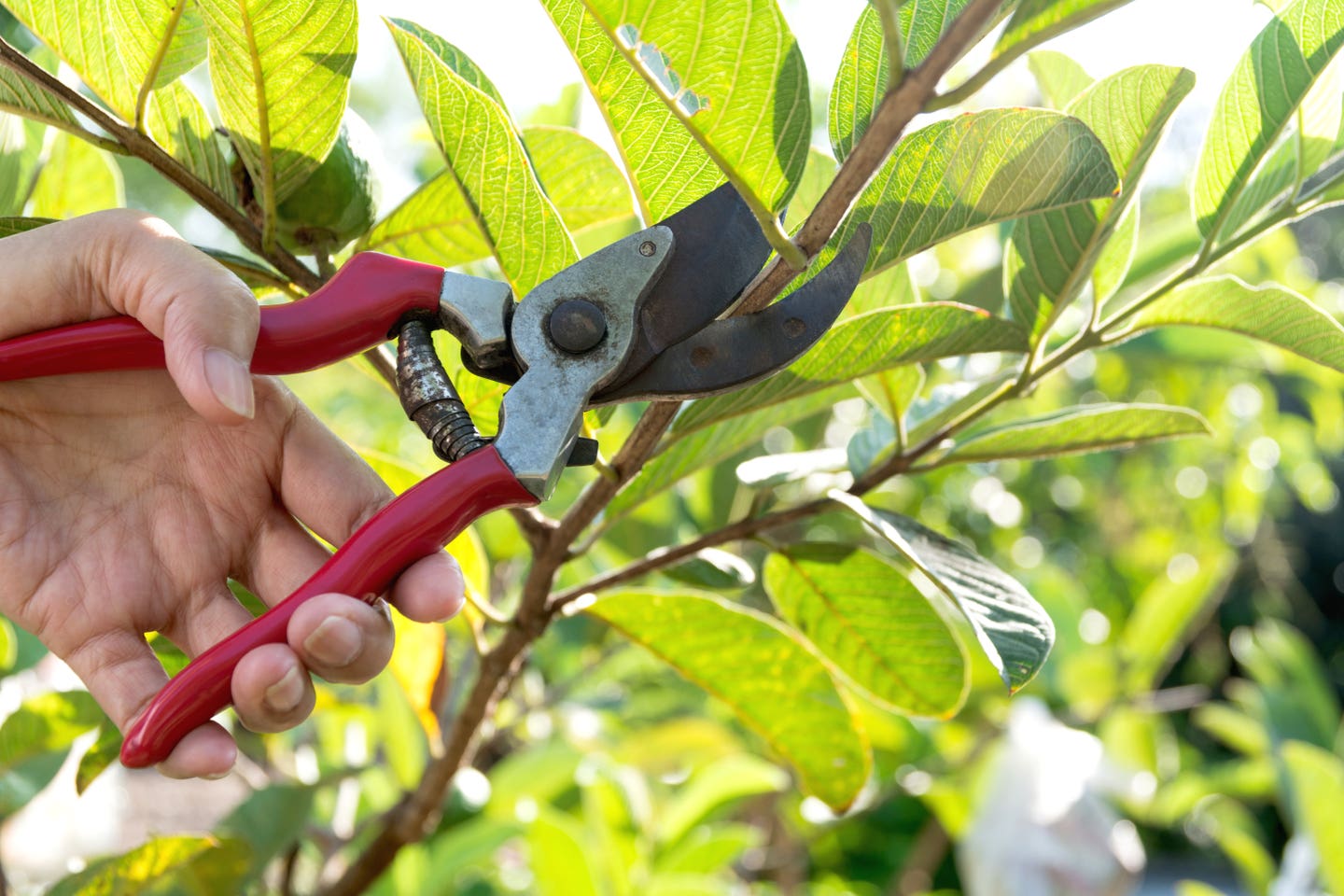
Use sharp bypass pruners for small stems and loppers for thicker branches. A pruning saw is safer for large limbs than forcing loppers beyond their rated capacity.
Disinfect tools between diseased plants. A household disinfectant labeled for tools or a suitable alcohol-based cleaner can help reduce disease spread. Follow the product label, and let blades dry before cutting.
4. Remove problem branches first
Cut dead and broken stems back to healthy wood. Healthy wood is usually firm and shows a normal color beneath the bark.
Remove a branch at its point of origin when possible. Do not leave a long stub. Also, do not cut flush against the trunk or main stem. Preserve the branch collar, which is the slightly swollen area where the branch joins the larger stem.
5. Thin crowded growth
If needed, remove a few weak or crossing stems at ground level. Thinning is usually better than shearing because it keeps the shrub’s natural form.
Try not to remove more than one-third of the total growth in one season. If the shrub needs major renovation, spread the work over two or three years.
6. Step back often
Look at the shrub from several angles as you work. A branch that seems out of place up close may help balance the plant from a distance.
This approach is especially useful when asking “can I prune shrubs in fall” for a mature foundation plant. The goal is a healthy shrub, not a perfectly geometric shape.

How much can you cut from a shrub in fall?
For most shrubs, light pruning means removing a small amount of growth. A safe target is often less than 10 to 20 percent unless you are removing a clear hazard.
The one-third rule is a useful limit, but it is not a license for severe pruning. A weak or drought-stressed shrub may tolerate much less. A vigorous, established shrub may recover more easily.
Use these guidelines:
• Remove all dead, broken, or diseased wood when needed.
• Remove one or two old stems to improve airflow.
• Avoid cutting every branch to the same height.
• Do not leave large stubs.
• Never top a shrub into a flat, unnatural shape.
• Delay renovation pruning until the plant’s recommended season.
Rejuvenation pruning is different from routine trimming. It may involve cutting many old stems close to the ground. This can work for certain multi-stemmed shrubs, but it should usually happen in late winter or early spring.
Fall pruning for flowering shrubs
Flowering shrubs deserve special attention because pruning can affect next year’s blooms.
Spring-flowering shrubs
Prune spring-flowering shrubs after they bloom. This timing lets you enjoy the flowers and gives the plant time to produce new branches before the next season.
Fall pruning is limited to dead, damaged, or dangerous wood. If you cut healthy branches, expect fewer flowers in spring.
Summer-flowering shrubs
Many summer-flowering shrubs bloom on new wood. They can often tolerate more pruning during dormancy. Even so, late winter is commonly the best time for a hard cut because you can see the structure clearly and avoid leaving fresh wounds before winter.