Bypass Vs Anvil Pruner: Which One Should You Choose?
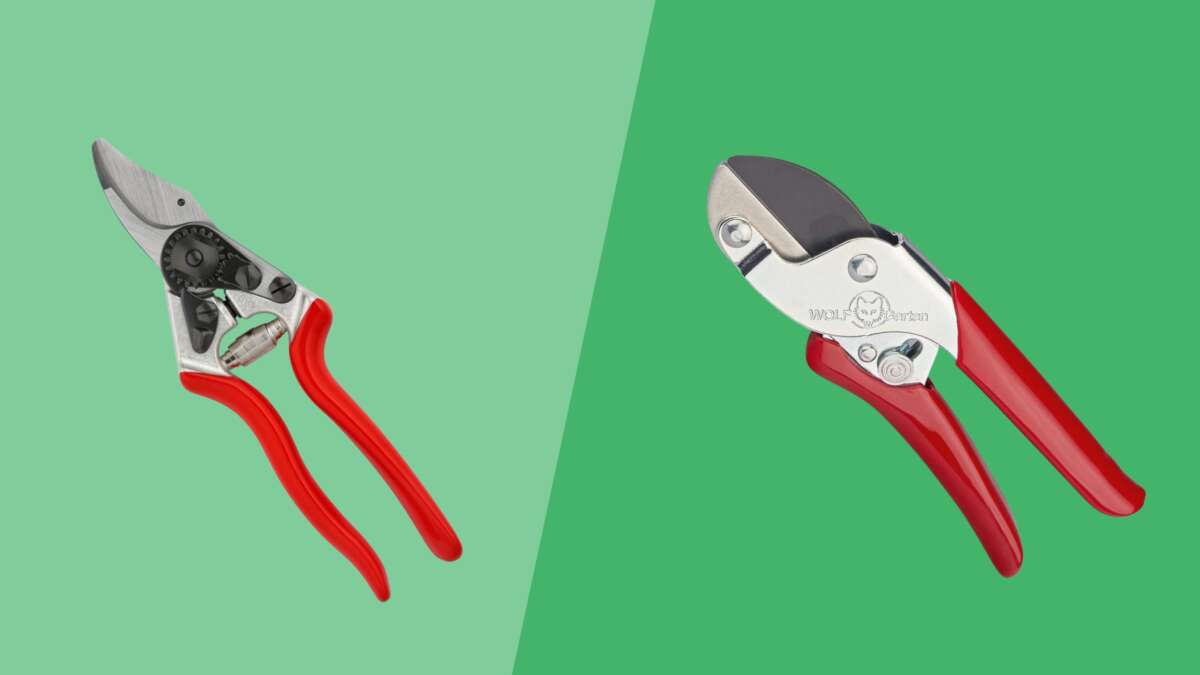
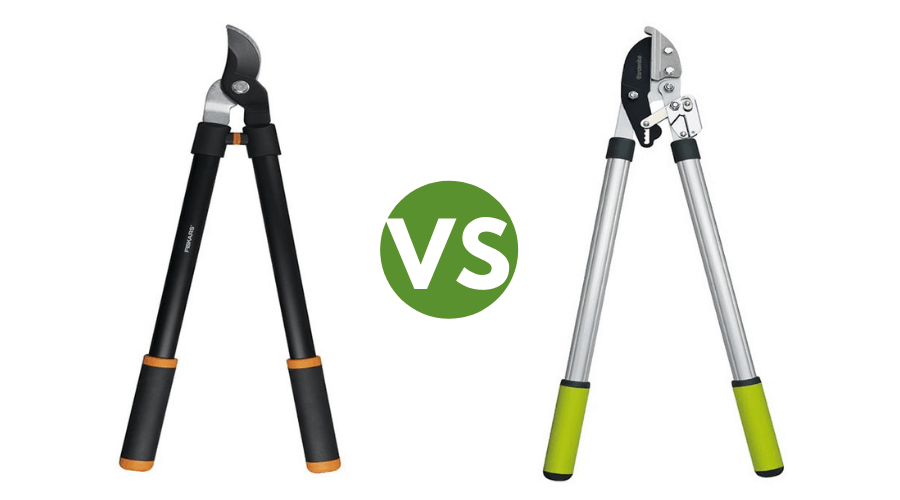
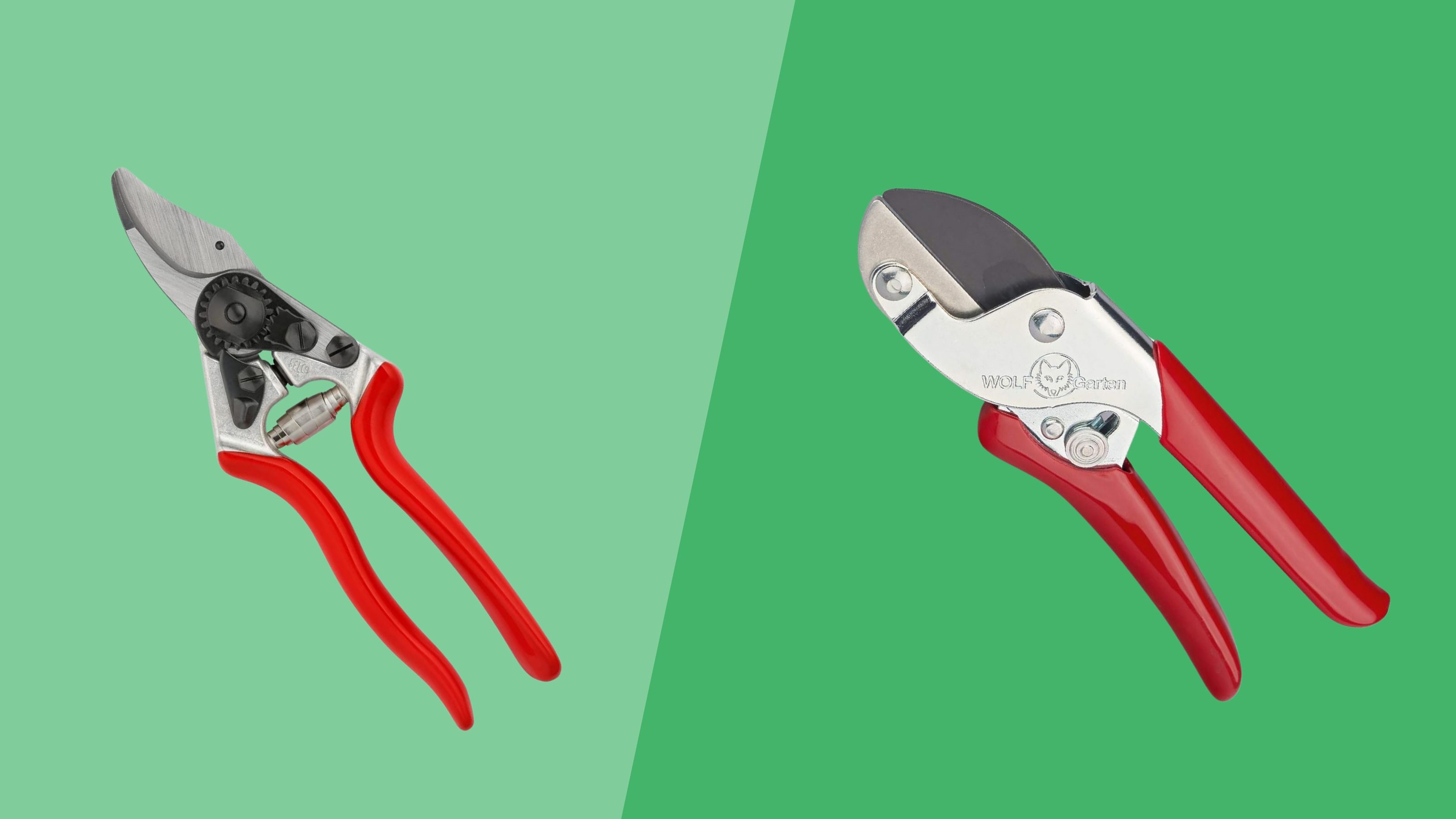
A bypass pruner uses two curved blades, while an anvil pruner cuts against a flat surface.
Understanding what is the difference between a bypass and anvil pruner helps you choose the right tool for cleaner cuts, healthier plants, and safer pruning. Both tools look similar, but their blades work in very different ways. That small design change affects cut quality, plant damage, comfort, and the type of branch each pruner can handle. This guide explains the differences in simple terms and offers practical advice for choosing, using, and caring for each type.
What Is a Bypass Pruner?
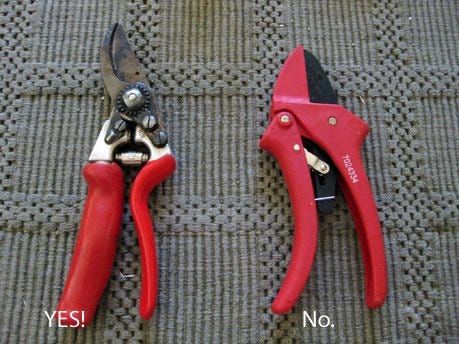
A bypass pruner has two curved blades that pass by each other, much like scissors. One blade is sharp and thin. The other blade is thicker and supports the cut. As you squeeze the handles, the sharp blade slides past the thicker blade and slices through the stem.
This design creates a clean, narrow cut. It does not crush the branch as much as an anvil tool can. For this reason, bypass pruners are the most common choice for green stems, live branches, flowers, herbs, shrubs, and young fruit trees.
A bypass pruner works best when the branch fits deep inside the cutting jaws. Placing the branch near the base of the blades often gives you more power and reduces hand strain.
Main features of a bypass pruner
• Two blades pass each other during the cut.
• One blade is sharp and usually curved.
• The cut is clean and precise.
• It works well on living, flexible wood.
• It is useful for shaping plants and removing unwanted growth.
• It usually causes less crushing of plant tissue.
In simple terms, a bypass pruner acts like a small pair of strong garden scissors. It is designed to slice rather than smash.
What Is an Anvil Pruner?
An anvil pruner has one sharp blade that closes against a wide, flat surface called the anvil. Instead of passing another blade, the sharp blade presses the branch onto the anvil and cuts through it.
The anvil supports the stem and provides strong cutting force. This makes the tool useful for hard, dry, or dead wood. It can also help people with weaker hands because the cutting action often requires less precision.
However, anvil pruners can crush or split soft, living stems. The flat surface pushes against the plant tissue while the blade cuts. That damage may leave a rough wound that takes longer to seal.
Main features of an anvil pruner
• One sharp blade closes against a flat anvil.
• It produces strong pressure at the cutting point.
• It works well on dead, dry, or tough wood.
• It may crush fresh green stems.
• It is useful for removing old growth and small dead branches.
• It can suit gardeners with limited grip strength.
An anvil pruner is more like a knife and cutting board than a pair of scissors. The board supports the material while the blade applies force.

What Is the Difference Between a Bypass and Anvil Pruner?
The main difference is how the blades meet. A bypass pruner uses two blades that slide past each other. An anvil pruner uses one blade that presses the branch against a flat block.
Here is a simple comparison:
| Feature | Bypass pruner | Anvil pruner |
|---|---|---|
| Blade action | Blades pass each other | Blade closes against an anvil |
| Best use | Live, green stems | Dead, dry, or hard wood |
| Cut quality | Clean and narrow | Strong but sometimes crushed |
| Plant damage | Usually low | Higher on soft stems |
| Cutting power | Good for precise cuts | Good for tough material |
| Best users | Gardeners who need accuracy | Users who need extra force |
| Common tasks | Roses, shrubs, herbs, and fruit trees | Dead branches, dry stems, and old growth |
If you are asking what is the difference between a bypass and anvil pruner for everyday gardening, the answer is simple: choose bypass for healthy living growth and anvil for dead or tough wood.
Neither design is automatically better. The right tool depends on the material, the plant, and the type of cut you need to make.

Bypass vs. Anvil Pruner: Cutting Performance
Cut performance depends on the branch’s condition, thickness, and moisture. A sharp bypass pruner usually gives the best result on fresh branches that bend slightly under pressure.
The passing blades make a narrow cut with less tearing. This matters because a smooth cut can reduce damaged tissue and help the plant recover. Proper pruning technique still matters, since even the best tool can harm a plant if you cut too far from the branch collar or tear the bark.
Anvil pruners have a different advantage. Their flat base supports the branch, so the blade can apply strong pressure to hard material. They are often effective on dry twigs that would resist a small bypass tool.
The limitation is that the anvil may crush the lower side of a fresh stem before the blade finishes the cut. Crushing is especially common when the pruner is dull, the branch is too large, or the tool is used at an awkward angle.
Which pruner makes the cleaner cut?
A bypass pruner usually makes the cleaner cut on live branches. Its slicing action leaves less crushed tissue and is better for stems that will continue to grow.
An anvil pruner can make a clean cut on dry wood. On green wood, it may leave a flattened, split, or ragged end. If the stem bends instead of cutting, the pruner may be too small or too dull.

When Should You Use a Bypass Pruner?
Use a bypass pruner for most routine plant care. It is the better choice when the branch is alive, green, flexible, or close to a valuable bud.
Common uses include:
• Deadheading roses and flowering plants.
• Cutting herbs and soft perennial stems.
• Removing suckers from fruit trees.
• Shaping shrubs and small hedges.
• Pruning young branches.
• Removing damaged but living stems.
• Harvesting grapes, flowers, and small fruits.
When pruning near a bud, position the blade so the cutting edge faces the part of the branch you plan to keep. Make a clean cut slightly above the bud, and avoid leaving a long stub.
A bypass pruner is also helpful for selective pruning. You can remove one small branch without damaging the nearby stem. That level of control is useful when training young plants or opening the center of a shrub.

When Should You Use an Anvil Pruner?
Use an anvil pruner for dead, dry, brittle, or unusually tough stems. Its strong closing action can save effort when a bypass pruner struggles with old wood.
Good uses include:
• Cutting dead rose canes.
• Removing dry shrub branches.
• Trimming brittle perennial stems.
• Cutting small pieces of hard wood.
• Removing old growth during seasonal cleanup.
• Handling branches that are too tough for a light bypass tool.
Avoid using an anvil pruner on valuable green branches unless the manufacturer clearly recommends it. A crushed stem can create a larger wound than a clean slice.
If the branch is larger than the tool’s rated capacity, stop and use loppers or a pruning saw. Forcing a hand pruner can damage the tool, strain your wrist, and split the branch.
Are Bypass or Anvil Pruners Better for Roses?
A bypass pruner is usually better for roses. Rose canes are living wood, and a clean cut helps reduce crushing around the wound.
Use the sharp blade to cut just above an outward-facing bud. This encourages new growth to develop away from the center of the plant. Wear thick gloves because rose thorns can cause painful punctures, even during a short pruning job.
An anvil pruner may work for completely dead rose canes. Still, a bypass model is more versatile because it can handle both small living stems and many dead stems when it is sharp and strong enough.
The same principle applies to fruit trees, berry bushes, and ornamental shrubs. Living growth generally benefits from the slicing action of a bypass blade.

Can an Anvil Pruner Damage Plants?
Yes, an anvil pruner can damage plants when it crushes or splits a living stem. The risk is greater when the tool is dull, dirty, poorly aligned, or too small for the branch.
Crushed tissue may dry out unevenly. It can also create a rough surface where water and debris collect. This does not mean every anvil cut will harm a plant, but it does mean you should match the tool to the material.
To reduce damage:
• Use the anvil design mainly on dead or dry wood.
• Keep the blade sharp and properly aligned.
• Cut branches within the tool’s rated capacity.
• Support the branch and avoid twisting the handles.
• Make one firm cut instead of rocking the tool back and forth.
If a fresh branch shows a crushed end, trim the damaged area with a sharp bypass pruner. Make a smooth cut without removing more healthy wood than necessary.

How to Choose the Right Pruner
When deciding what is the difference between a bypass and anvil pruner for your garden, begin with the work you do most often. A gardener who trims roses, herbs, and shrubs will usually get more value from a bypass model. Someone who clears dry growth may prefer an anvil model.
Consider these factors:
Branch type
Choose bypass for green and flexible branches. Choose anvil for dead and brittle wood.
Branch size
Check the manufacturer’s cutting capacity. Capacity claims can vary based on wood type and user strength. A pruner rated for a certain diameter may struggle with dense hardwood.
Hand strength
An anvil pruner can feel easier when you need strong pressure. Ratcheting bypass pruners are another option for people with arthritis or limited grip strength.
Hand comfort
Look for padded handles, a smooth spring, and a locking mechanism that is easy to operate. A tool that fits your hand can reduce fatigue and improve control.
Blade quality
High-quality steel can hold an edge longer, but all blades need care. A premium pruner will still perform poorly if its blade is dull or dirty.
Left or right hand use
Some pruners are made for one hand. If you are left-handed, check the handle shape and blade position before buying.
My Practical Lessons From Using Both Pruner Types
The biggest lesson is not to judge a pruner only by its maximum cutting size. I have found that a tool rated for a thick branch can still struggle if the wood is hard, dry, or placed near the tip of the jaws.
Another common mistake is using an anvil pruner because it feels powerful. That extra force is useful, but it can flatten a living stem before you notice the damage. For delicate work, I reach for a bypass pruner even when the branch is small and easy to cut.
Blade position also makes a major difference. Cutting close to the hinge gives more leverage. Cutting near the tip often requires more hand force and can leave a rough result.
My practical routine is simple:
-
Identify whether the branch is living or dead.
-
Choose bypass for living growth and anvil for dry wood.
-
Check the branch diameter against the tool rating.
-
Place the branch deep in the jaws.
-
Make one controlled cut.
-
Clean and store the pruner after use.
These habits prevent many problems before they start.
How to Maintain a Bypass or Anvil Pruner
Good maintenance keeps both pruner types safe and effective. Sap, dirt, and moisture can cause rust, increase friction, and spread plant disease between cuts.
After pruning, wipe the blades with a clean cloth. Remove sticky sap with a suitable solvent approved for tool care, then dry the metal fully. Apply a small amount of light machine oil to the pivot and moving parts.
Sharpen the cutting blade when it begins to crush stems or requires more force than usual. Use a sharpening stone or file at the original bevel angle. Do not sharpen the flat anvil surface like a blade.
Inspect the tool before each use:
• Check that the blade is not chipped.
• Confirm that the pivot bolt is secure.
• Look for cracks in the handles.
• Make sure the spring opens the handles smoothly.
• Test the safety lock before carrying the tool.
Disinfect the blades when moving between plants, especially if you are pruning diseased growth. Cleaning helps reduce the chance of spreading pathogens through fresh cuts.
Common Mistakes to Avoid
Even a good tool can cause poor results when used incorrectly. Most pruning mistakes come from choosing the wrong blade style or cutting beyond the tool’s limits.
Avoid these errors:
• Using an anvil pruner on soft green stems.
• Using a bypass pruner on branches that need a saw.
• Cutting with a dull blade.
• Twisting the tool while the branch is still trapped.
• Leaving torn stubs behind.
• Cutting too close to the main stem.
• Ignoring signs of disease.
• Failing to clean the tool between plants.
Do not use a hand pruner as a substitute for loppers or a pruning saw. If you need to squeeze with both hands or feel the handles flex, the branch is likely too large.
The cleanest cut is not always the fastest cut. Take a moment to identify the branch collar, choose the correct tool, and make a controlled motion.
Frequently Asked Questions About What Is the Difference Between a Bypass and Anvil Pruner
What is the difference between a bypass and anvil pruner?
A bypass pruner has two blades that slide past each other, while an anvil pruner has one blade that closes against a flat surface. Bypass pruners suit living stems, and anvil pruners work best on dead or dry wood.
Is a bypass pruner better than an anvil pruner?
Neither tool is best for every job. A bypass pruner is usually better for clean cuts on living plants, while an anvil pruner can provide more force on hard, dead branches.
Can I use an anvil pruner on green branches?
You can, but it may crush or split the stem. For healthy green growth, a sharp bypass pruner is usually the safer choice.
Which pruner is easier for weak hands?
An anvil pruner may feel easier because its blade presses the branch against a solid surface. A ratcheting bypass pruner can also reduce hand strain while still making a cleaner cut.
Do bypass pruners need sharpening?
Yes. A bypass pruner needs a sharp cutting blade to slice through stems cleanly. Sharpen it when cuts become ragged or require unusual force.
Can a bypass pruner cut dead wood?
Yes, if the branch is small enough and the blade is strong and sharp. However, an anvil pruner or pruning saw may work better on thick, dry, or brittle wood.
How do I know which pruner to buy?
Choose a bypass pruner if you mainly trim live stems, flowers, herbs, and shrubs. Choose an anvil pruner if your main task is removing dead, dry, or tough growth.
Conclusion
The difference between a bypass and anvil pruner comes down to blade action and the type of branch each tool handles best. Bypass pruners slice between two passing blades, making them ideal for living stems and precise plant care. Anvil pruners press one blade against a flat surface, giving them extra force for dry and dead wood.
For most home gardens, a bypass pruner is the more versatile first choice. Add an anvil pruner when you regularly clear tough, dry growth. Keep either tool clean, sharp, and within its cutting limit, and your plants will receive cleaner cuts with less stress.
Choose the pruner that matches your plants, test it on a small branch, and share your pruning results or questions in the comments.

Laura Bennett is a gardening writer at MyGardenLabs who creates beginner-friendly guides focused on solving common plant care and gardening problems.