What Does A Garden Cultivator Do: Uses And Benefits
A garden cultivator loosens soil, removes weeds, mixes compost, and prepares garden beds for healthy plant growth.
Knowing what does a garden cultivator do can help you choose the right tool for each stage of gardening. A cultivator is more than a small hand tool or motorized machine. Used well, it improves soil texture, protects plant roots, and makes routine garden work faster and easier.
What Does a Garden Cultivator Do?
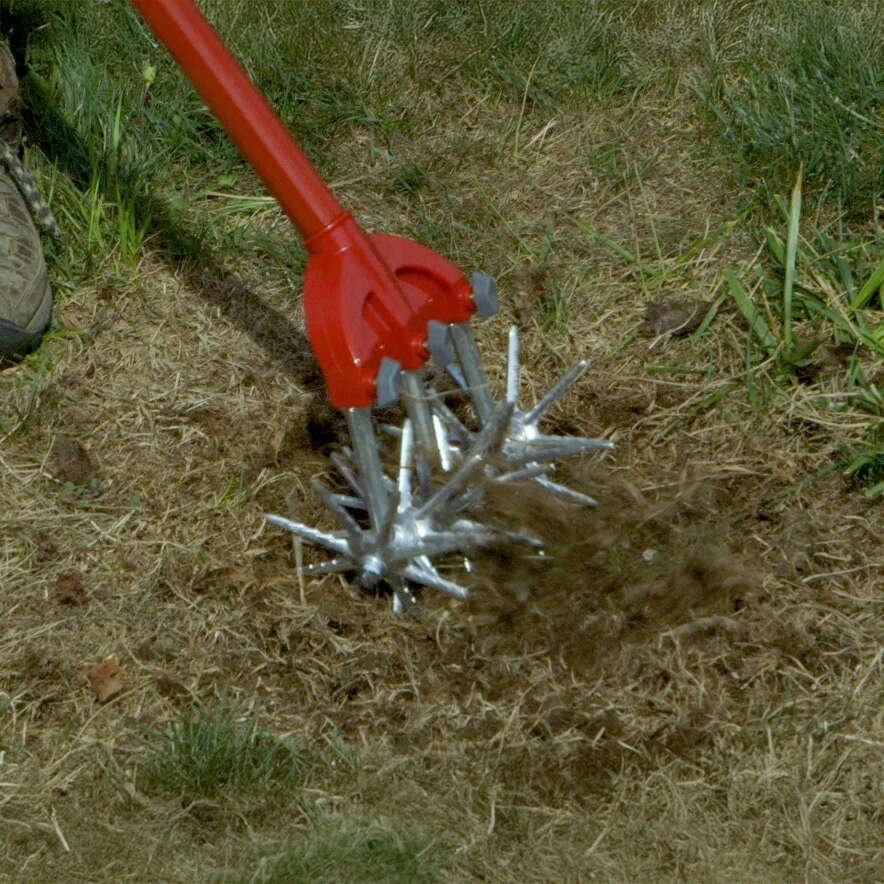
A garden cultivator breaks up the top layer of soil and helps prepare it for planting. It uses small tines, blades, or rotating teeth to loosen soil, remove young weeds, and blend in organic matter such as compost.
In simple terms, a cultivator works like a comb for the soil. It opens compact areas without turning over the entire garden bed. This makes it useful for flower gardens, vegetable plots, raised beds, and narrow spaces between plants.
The main jobs of a garden cultivator include:
• Loosening hard or crusted soil
• Removing small weeds
• Mixing compost, fertilizer, or mulch into the surface
• Preparing seedbeds
• Improving air and water movement near plant roots
• Breaking apart small soil clumps
• Creating a smoother surface for planting
A cultivator usually works in the top few inches of soil. It is not designed to dig as deeply as a garden fork or a full-size tiller.

How a Garden Cultivator Works
A garden cultivator uses pointed teeth or rotating tines to disturb the soil. When you pull a hand cultivator through the ground, the teeth scratch and loosen the surface. When you use a powered cultivator, spinning blades do the work with less physical effort.
The tool does not simply “dig.” Its value comes from controlled soil movement. It breaks a hard crust while leaving much of the deeper soil structure in place.
Here is how the process works:
-
The tines enter the top layer of soil.
-
The teeth break apart small clumps.
-
The movement lifts shallow weed roots.
-
Compost or fertilizer becomes mixed into the surface.
-
The soil becomes easier to plant and water.
A good gardener uses light pressure. Pushing too hard can make the tines dig too deep, damage roots, or disturb helpful soil life. Slow, shallow passes often produce better results than aggressive digging.
In my experience, the biggest mistake is treating a cultivator like a mini excavator. It works best as a light soil tool, not as a replacement for a shovel, spade, or garden fork.

Garden Cultivator vs. Tiller
Many people use the words cultivator and tiller as if they mean the same thing. They are related, but they serve different purposes.
A garden tiller is usually larger and more powerful. It can break new ground, turn compact soil, and prepare a large area. A cultivator is smaller and better suited to maintaining an existing garden.
| Feature | Garden cultivator | Garden tiller |
|---|---|---|
| Main task | Loosen surface soil and remove weeds | Break and turn larger areas |
| Typical depth | About 1 to 4 inches | Often 6 to 12 inches, depending on the model |
| Best use | Existing beds and narrow rows | New beds and large plots |
| Size | Handheld or compact powered tool | Usually larger and engine powered |
| Plant safety | Easier to control near plants | More likely to damage roots |
| Soil disturbance | Light to moderate | Moderate to heavy |
A cultivator is often the better choice after plants are established. A tiller may be useful before planting, but repeated deep tilling can harm soil structure and disturb earthworms and other organisms.
Many soil experts recommend limiting unnecessary tillage. Digging only as deeply as needed helps preserve natural soil layers and reduces the risk of erosion and compaction.

Types of Garden Cultivators
Garden cultivators come in several forms. The best type depends on your garden size, soil condition, strength, and comfort.
Hand Cultivator
A hand cultivator has a short handle and three or more metal tines. It is ideal for containers, raised beds, and small areas.
Use a hand cultivator to:
• Loosen soil around flowers and vegetables
• Remove small weeds
• Mix compost into the top layer
• Prepare holes for seeds
This tool gives you excellent control. It also lets you work close to plants without using a large machine.
Handheld Rotary Cultivator
A rotary cultivator has a wheel or rotating star-shaped blade. You push or pull it through the soil by hand.
It works well for:
• Long garden rows
• Light, loose soil
• Shallow weed control
• Gardeners who want more speed than a three-tine tool provides
Rotary models may struggle in rocky, wet, or heavily compacted soil.
Electric Garden Cultivator
An electric cultivator uses a cord or battery to power rotating tines. It is quieter and usually easier to start than a gas model.
Electric cultivators are useful for small and medium gardens. Battery models offer good movement, while corded models can run as long as they have power. Always keep cords away from wet areas and moving blades.
Gas-Powered Cultivator
A gas cultivator offers more power for tough soil and larger beds. It can handle longer work sessions, but it creates more noise, fumes, and maintenance needs.
Before choosing one, consider storage, fuel, oil changes, vibration, and local rules about outdoor equipment.
Stirrup Hoe and Similar Tools
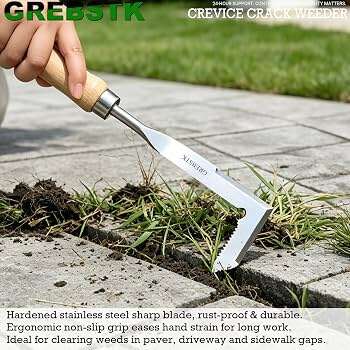
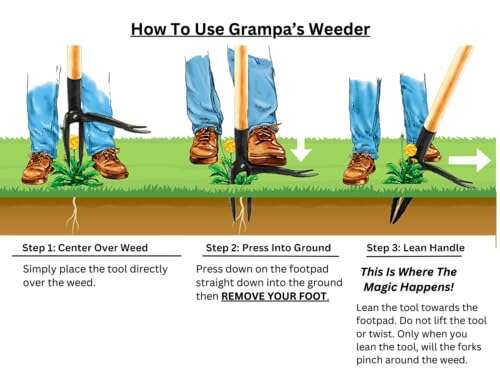
Some gardeners group stirrup hoes, winged weeders, and three-tine tools under the broad idea of cultivation tools. These tools do not all work in the same way, but they share a goal: shallow soil disturbance and weed control.

When Should You Use a Garden Cultivator?
The timing matters as much as the tool. A garden cultivator is most useful when the soil is slightly moist but not wet.
Test the soil by squeezing a handful. If it forms a sticky ball, wait. Working wet soil can create hard clumps and long-lasting compaction. If the soil falls apart easily, it may be too dry for comfortable cultivation.
Good times to use a cultivator include:
• Before sowing seeds
• After light rain, once the soil has drained
• When small weeds first appear
• After watering, when the surface has dried slightly
• When soil develops a hard crust
• When adding a thin layer of compost