What Are Garden Trowels Made Of: Materials Explained
Garden trowels are mainly made of stainless steel, carbon steel, aluminum, plastic, wood, or fiberglass.
Knowing what are garden trowels made of helps you choose the right tool for digging, planting, and moving soil. Each material changes the trowel’s strength, weight, rust resistance, comfort, and price. After using many types in flower beds, containers, and hard clay soil, I’ve learned that the best trowel is not always the most expensive one. It is the one that matches your soil and workload.
What Are Garden Trowels Made Of?
Most garden trowels have two main parts: a blade and a handle. The blade does the digging, while the handle gives you grip and control. Some trowels also have a metal shaft, a grip coating, or a hanging hole.
The most common blade materials include:
• Stainless steel
• Carbon steel
• Aluminum
• High-strength plastic
• Reinforced nylon
• Forged steel
Handles are often made from wood, plastic, rubber, fiberglass, or a mix of these materials. The material choice affects how the trowel feels in your hand and how long it lasts.
When people ask what are garden trowels made of, they often expect one simple answer. In reality, a trowel is a small combination of materials designed to balance strength, weight, comfort, and cost.

Stainless Steel Garden Trowels
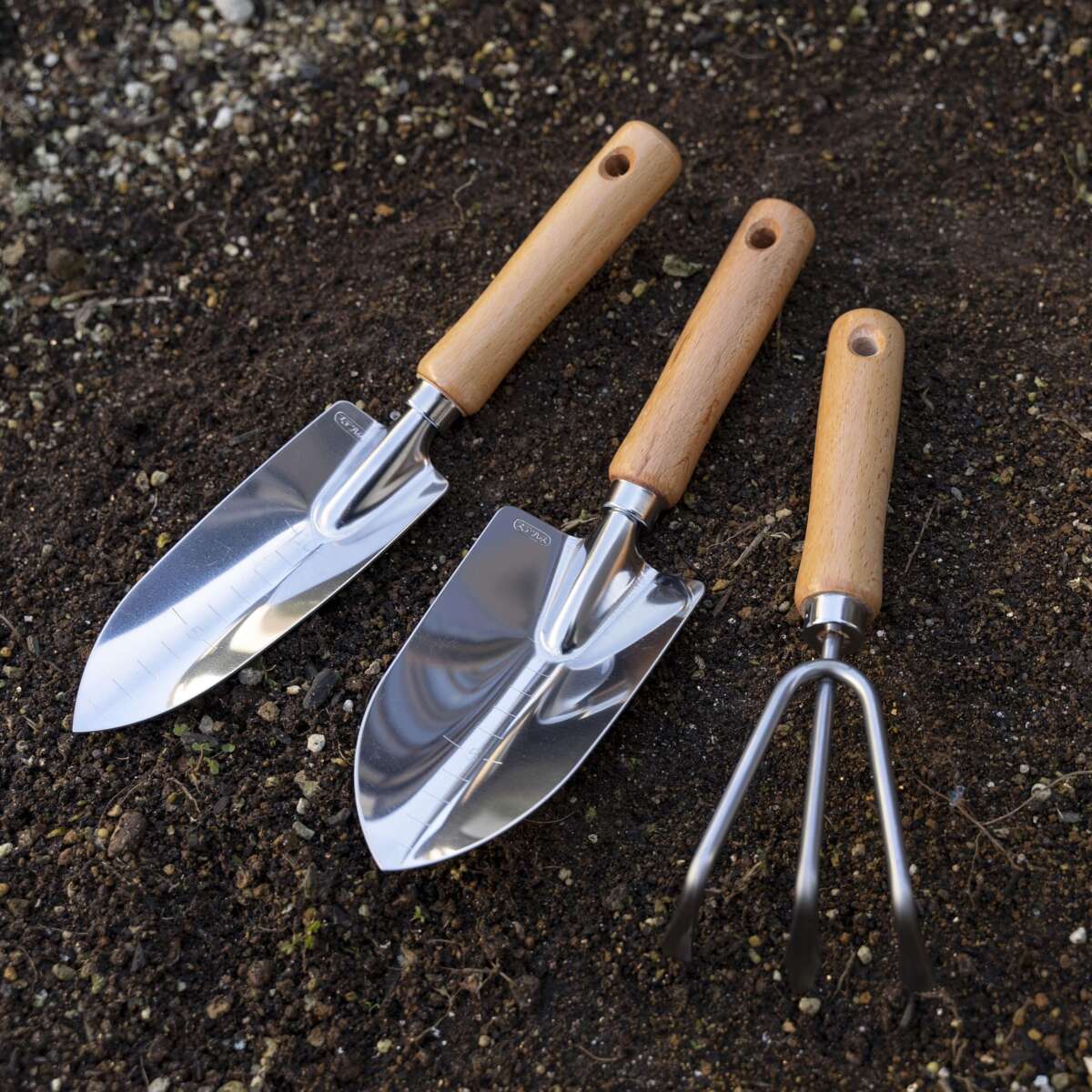
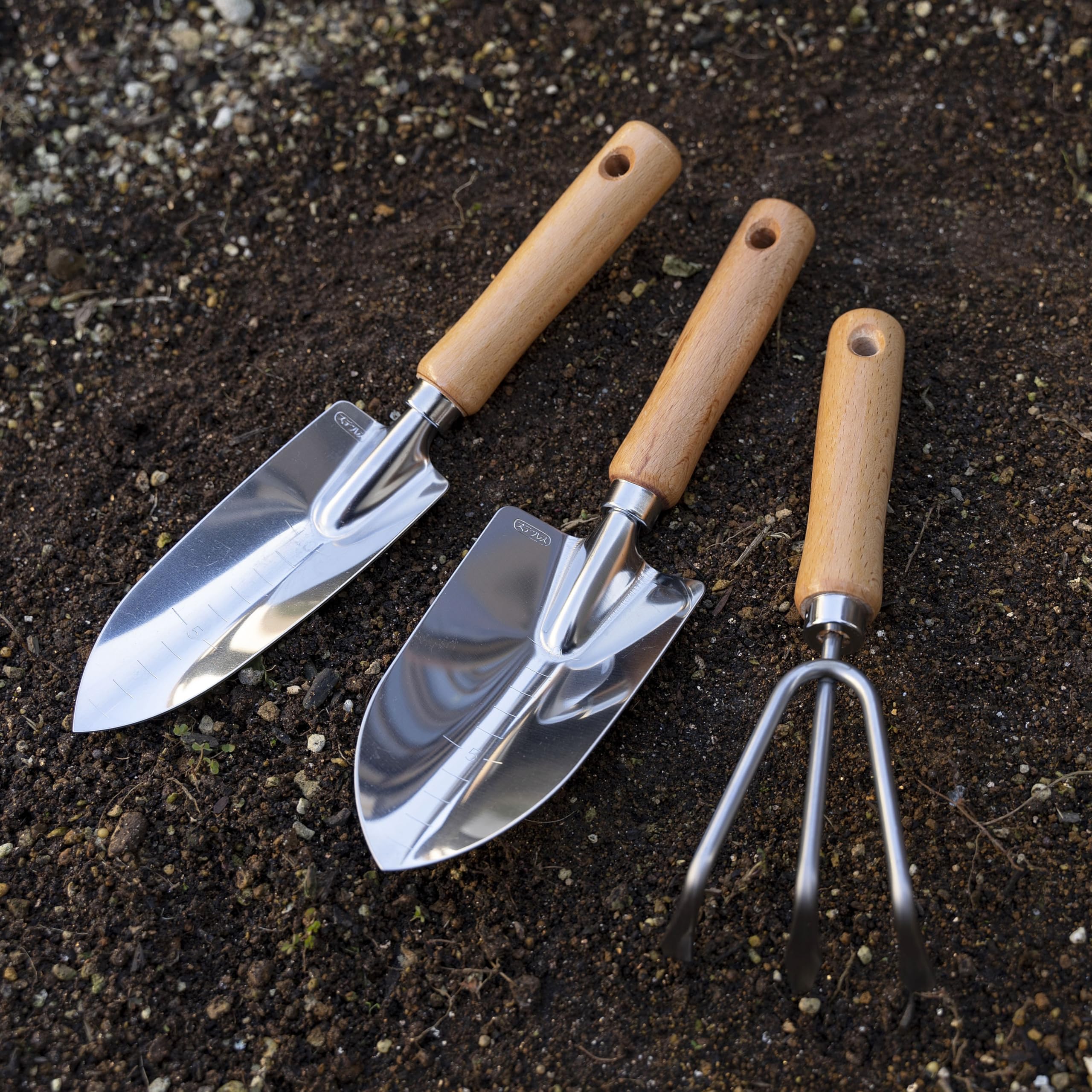
Stainless steel is one of the most popular materials for garden trowel blades. It contains iron mixed with chromium. The chromium forms a thin protective layer that helps the metal resist rust and stains.
A stainless steel trowel works well for everyday gardening. It can dig in potting soil, compost, sandy soil, and many garden beds. It also cleans quickly because wet soil tends to slide off its smooth surface.
Main benefits include:
• Strong resistance to rust
• Easy cleaning
• Smooth surface
• Good long-term value
• Suitable for damp garden work
Stainless steel is not completely rustproof. Low-quality steel may stain, especially if it stays wet or touches fertilizer salts. Wipe the blade after use and store it in a dry place.
In my experience, a stainless steel trowel is the best general choice for most home gardeners. It handles routine planting without demanding much care.
Carbon Steel and Forged Steel Trowels
Carbon steel contains more carbon than ordinary mild steel. This makes it hard and strong. Forged steel is shaped under heat and pressure, which can create a dense, durable blade.
Carbon steel trowels are useful when the soil is tough. They can cut through compacted earth, dense roots, and heavy clay better than many lightweight tools. A well-made forged trowel may last for decades with proper care.
However, carbon steel can rust faster than stainless steel. It needs more attention after use. Dry the blade, remove soil, and apply a thin coat of oil before long-term storage.
Benefits of carbon or forged steel include:
• High strength
• Excellent digging power
• Good resistance to bending
• Better performance in hard soil
• Long service life with care
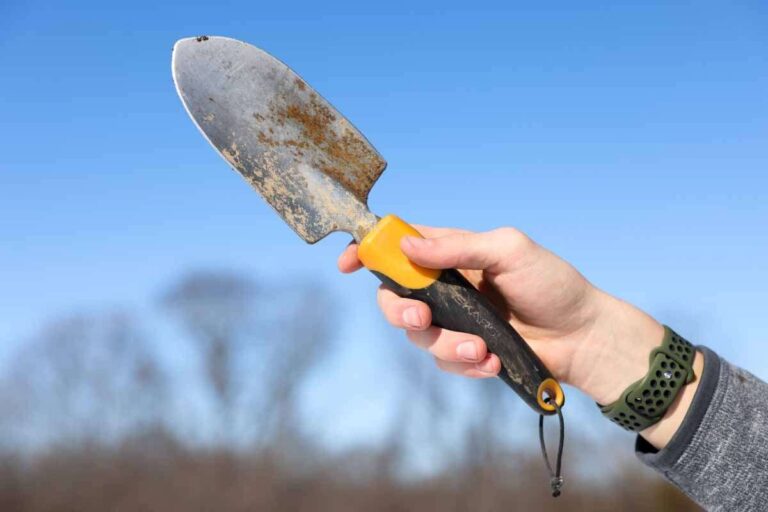
The main drawback is maintenance. A carbon steel trowel may develop surface rust if left outside in rain. This does not always ruin the tool, but deep rust can weaken the blade over time.
If you garden in hard clay or rocky soil, carbon steel may be worth the extra care. This is one of the most important points to understand when researching what are garden trowels made of.
:max_bytes(150000):strip_icc()/spr-tier-3-primary-best-garden-trowels-ebrockob-001-cc3f414e7f904fc5beaf6f3a4aeec062.jpeg)
Aluminum Garden Trowels
Aluminum is a light metal that resists rust. It is often used in small hand tools because it reduces hand and wrist strain.
An aluminum trowel is easy to carry and comfortable for long planting sessions. It works well for container gardens, raised beds, balcony planters, and soft soil. Many people with limited hand strength prefer its lighter weight.
Still, aluminum is softer than steel. A thin aluminum blade may bend when you force it into hard ground. It can also become marked or scratched more easily.
Choose an aluminum trowel when you value:
• Low weight
• Easy handling
• Rust resistance
• Comfortable container gardening
• Reduced wrist fatigue
Avoid using a lightweight aluminum trowel as a pry bar. A trowel is made for digging, not for lifting stones or breaking thick roots.

Plastic, Nylon, and Composite Trowels
Plastic garden trowels are light, affordable, and resistant to rust. They are common in children’s gardening sets and indoor plant kits.
Basic plastic tools work best in loose potting mix. They may struggle in compact soil because the blade can flex, crack, or break. Reinforced nylon and composite materials offer better strength than ordinary plastic.
Composite trowels may contain:
• Reinforced nylon
• Glass fiber
• Polypropylene
• Polymer resin
• Other blended plastics
These tools can be useful near wet areas because they do not rust. They are also gentle around delicate roots and lightweight enough for small containers.
The limits are clear. Plastic cannot usually match forged steel for cutting roots or digging hard clay. It may also become brittle after long exposure to intense sunlight, depending on its formulation.
For indoor plants and soft soil, plastic can be a practical choice. For serious outdoor digging, metal is usually more reliable.
What Are Garden Trowel Handles Made Of?
The handle matters as much as the blade. A strong blade is difficult to use if the handle is slippery, poorly shaped, or too small.
Common handle materials include:
Wood Handles
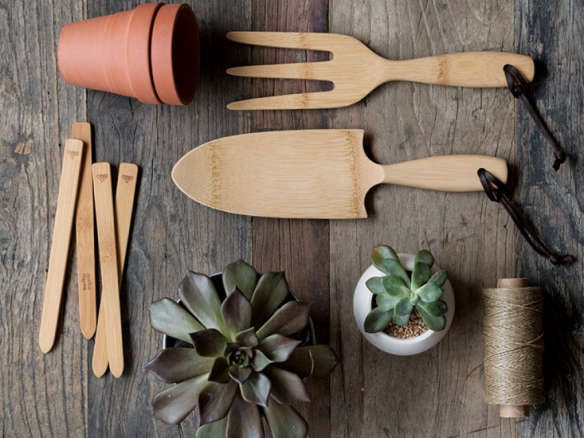
Wood has a warm, natural feel. Ash, beech, and hardwood blends are often used in quality garden tools. Wood can absorb some vibration, which helps during repeated digging.
Wood needs care. Do not leave it in standing water, and check for cracks or splinters. A light coat of linseed oil can help protect unfinished wood.
Plastic Handles
Plastic handles cost less and resist moisture. They are easy to clean and often come in bright colors. Their comfort depends on the design and quality of the plastic.
Hard plastic may feel uncomfortable during long use. Look for a curved grip or a textured surface if you plan to garden for several hours.
Rubber and Soft-Grip Handles
Rubber and elastomer grips improve comfort and reduce slipping. They can help people with arthritis or weak grip strength.
Soft grips may wear down faster than solid plastic. They can also become sticky or cracked after years in heat and sunlight.
Fiberglass Handles
Fiberglass is light, strong, and resistant to moisture. It is more common in larger tools, but some hand trowels use fiberglass-reinforced handles.
A fiberglass handle does not swell like wood. However, damaged fiberglass can create sharp fibers, so replace a tool if the handle becomes cracked or frayed.

How Blade Construction Affects Trowel Quality
The answer to what are garden trowels made of is only part of the story. The way the blade is formed matters too.
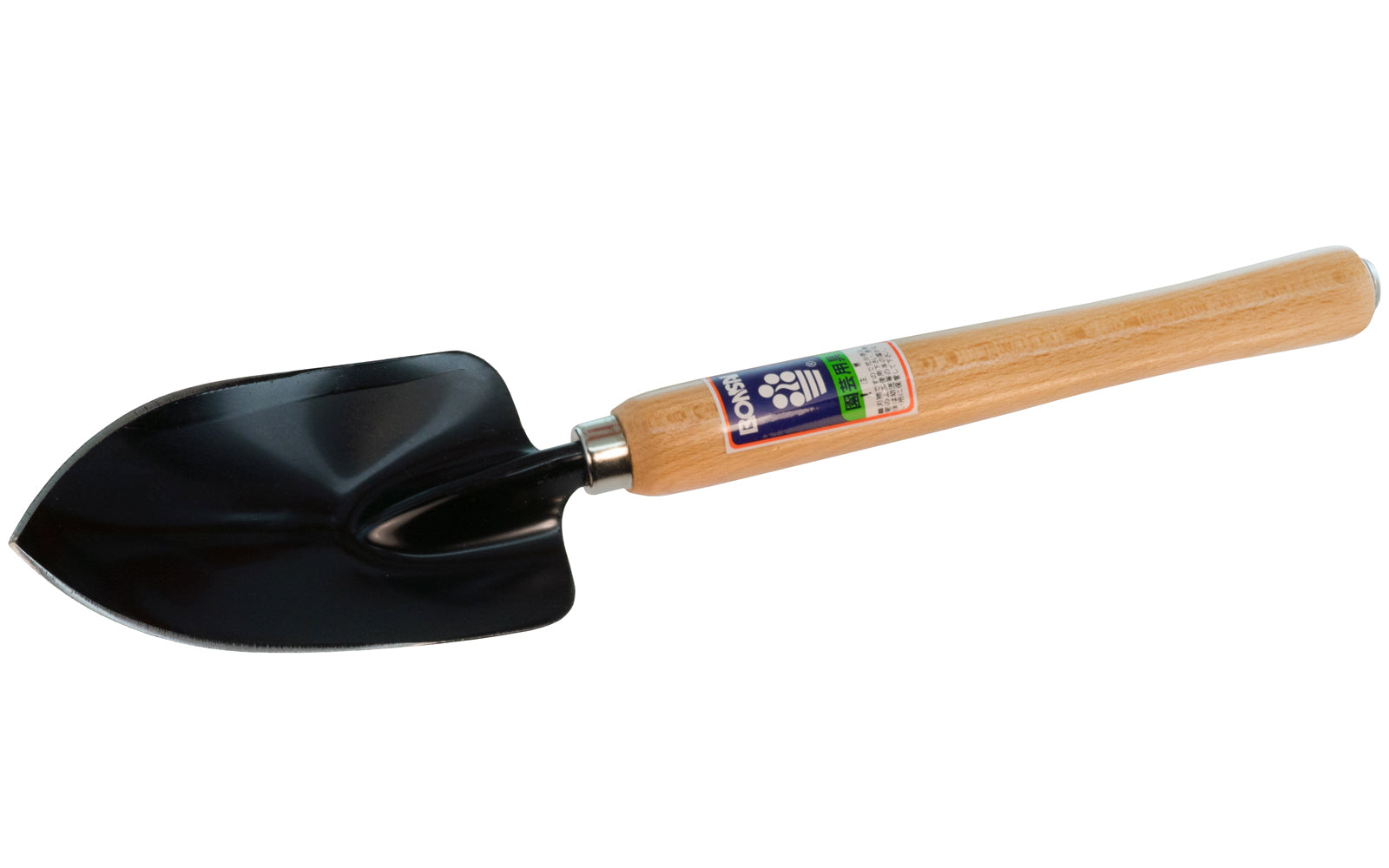
A stamped blade is cut from a sheet of metal. It is often affordable and suitable for light garden work. A forged blade is shaped with heat and pressure. It is usually denser and better suited to demanding soil.
Check these construction details before buying:
• Blade thickness: A thicker blade is less likely to bend.
• Blade shape: A narrow blade fits tight spaces. A wide blade moves more soil.
• Shaft connection: A full tang or strong welded joint improves durability.
• Edge design: A sharpened edge helps cut roots and compacted soil.
• Finish: A smooth coating can reduce soil sticking.
• Grip shape: A curved, textured grip improves control.
The shaft is the part that joins the blade to the handle. A weak connection can fail even when the blade itself is strong. Look closely at this area before buying a trowel.
One common mistake is choosing a very thin blade because it looks sleek. In hard soil, that blade may bend on the first day. A slightly heavier tool often offers better value.
Which Garden Trowel Material Is Best?
There is no single best material for every gardener. The right choice depends on your soil, strength, climate, and type of work.
| Gardening need | Recommended material | Reason |
|---|---|---|
| General planting | Stainless steel | Strong and rust resistant |
| Hard clay soil | Carbon or forged steel | Better digging strength |
| Container gardening | Aluminum or stainless steel | Light and easy to control |
| Indoor plants | Plastic or stainless steel | Clean and gentle on roots |
| Wet climates | Stainless steel or plastic | Better moisture resistance |
| Heavy root cutting | Forged steel | Strong blade and edge |
| Arthritis-friendly use | Aluminum with soft grip | Lower weight and better comfort |
If you want one dependable trowel, choose a stainless steel model with a comfortable grip. If your soil is very hard, step up to forged carbon steel.
When deciding what are garden trowels made of, think about the work first. A light tool may feel pleasant in a planter but fail in a dry, compact bed.

How to Care for Different Trowel Materials
Good care can add years to a garden trowel’s life. The routine is simple and takes less than a minute.
- Knock off loose soil after use.
- Rinse the blade if soil remains.
- Dry all metal parts.
- Remove sap or plant residue.
- Apply a light oil coat to carbon steel.
- Store the tool indoors or under cover.
- Check the handle and shaft for damage.
Stainless steel needs less protection than carbon steel, but it still benefits from drying. Aluminum should be kept away from harsh chemical cleaners that may damage its surface.
Do not store a wet trowel in a sealed toolbox. Trapped moisture can cause rust, odors, and handle damage. If rust appears, scrub it with a wire brush or abrasive pad, then dry and oil the blade.
I have seen more tools fail from neglect than from normal digging. A cheap trowel that is cleaned and stored well can outlast an expensive one left in the rain.
Safety and Environmental Considerations
Material choice can affect safety. A cracked plastic handle, loose shaft, or bent blade may cause slips and hand injuries. Inspect your trowel before using force.
Wear gloves when handling rusty metal or damaged fiberglass. Keep sharp blades pointed away from your body, and never use a hand trowel as a lever for large rocks.
Sustainability also matters. Metal trowels can often last for many years and may be recyclable at the end of their useful life. A durable tool creates less waste than a series of low-cost tools that break each season.
Plastic tools are not automatically bad, but quality and lifespan matter. Choose a strong product when possible, repair it when safe, and dispose of broken materials according to local recycling rules.
How to Choose a Durable Garden Trowel
Use this simple buying checklist:
• Choose stainless steel for low maintenance.
• Choose carbon steel for maximum digging strength.
• Choose aluminum for a light tool.
• Choose reinforced plastic for soft soil or indoor use.
• Look for a secure blade-to-handle connection.
• Pick a grip that fits your hand.
• Avoid blades that flex easily under light pressure.
• Check for a warranty from the maker.
• Match the blade width to your planting tasks.
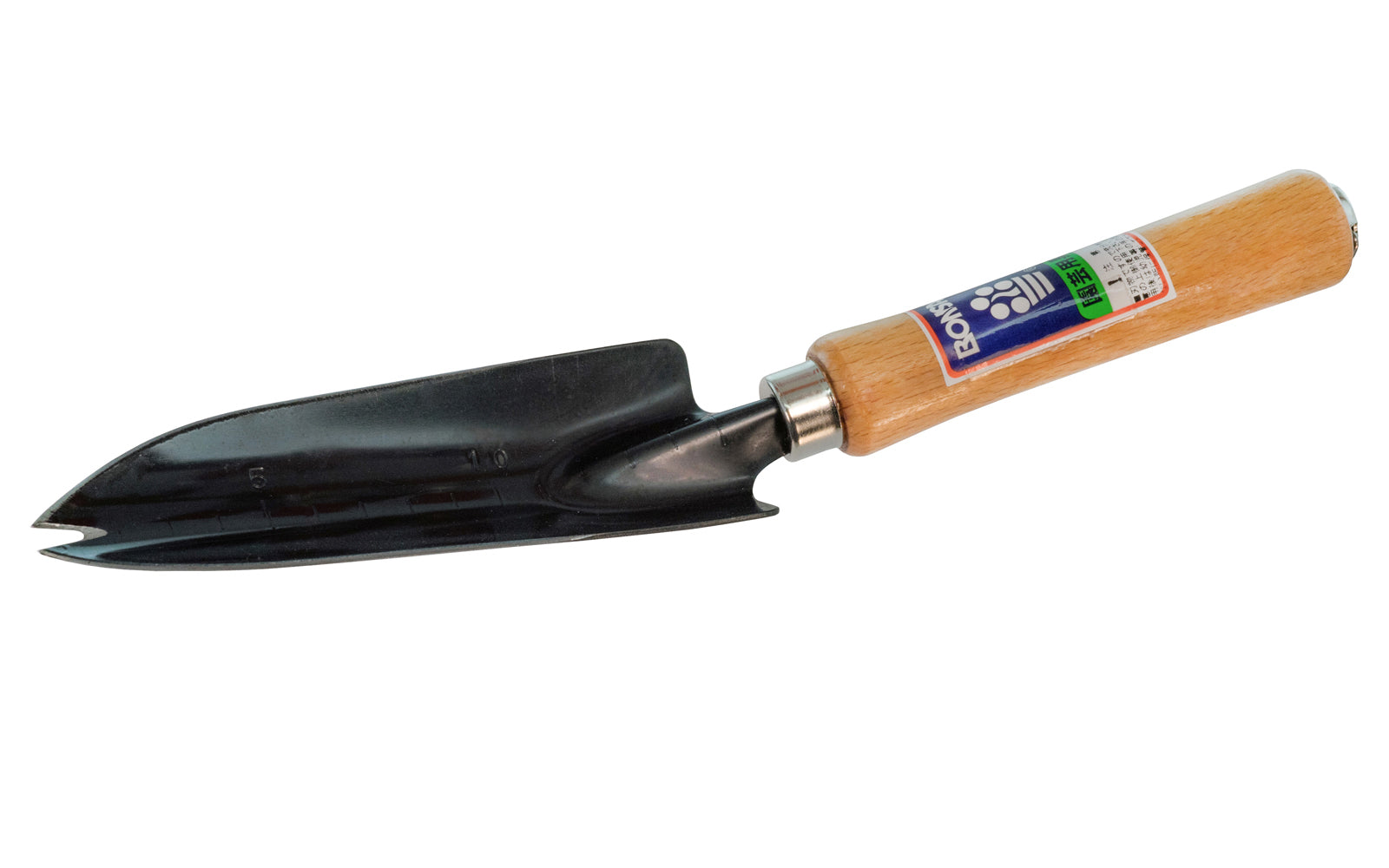
A narrow blade is useful for bulbs, seedlings, and crowded beds. A wide blade is faster for moving potting mix. A depth mark can also help with planting bulbs at the correct level.
Do not judge quality by weight alone. A heavy trowel may be strong, but it can cause fatigue. A light trowel may be comfortable, but it may not survive hard ground.
The best answer to what are garden trowels made of depends on your personal balance between power and comfort.
Frequently Asked Questions About What Are Garden Trowels Made Of
What is the most common material for garden trowels?
Stainless steel is one of the most common materials for garden trowel blades. It offers a useful mix of strength, rust resistance, easy cleaning, and reasonable cost.
Are garden trowels made of aluminum durable?
Aluminum trowels can last for years when used in soft soil and containers. They are light and rust resistant, but they may bend in hard clay or rocky ground.
Is carbon steel better than stainless steel for a trowel?
Carbon steel is often stronger and better for tough soil, but it can rust more easily. Stainless steel needs less maintenance and is usually better for general home gardening.
What are garden trowel handles made of?
Garden trowel handles may be made from wood, plastic, rubber, fiberglass, or composite materials. The best option depends on grip comfort, moisture exposure, and how long you use the tool at one time.
Can plastic garden trowels work in hard soil?
Basic plastic trowels are best for loose potting mix and soft soil. Reinforced nylon may handle more pressure, but metal is a safer choice for compacted earth and thick roots.
How do you stop a carbon steel trowel from rusting?
Clean and dry the blade after each use. Apply a thin coat of protective oil before storage, especially during wet weather or the off-season.
Conclusion
Garden trowels are made from several materials, but stainless steel, carbon steel, aluminum, plastic, and reinforced composites are the main choices. Steel provides strength, aluminum reduces weight, plastic resists rust, and quality handle materials improve comfort and control.
For most gardeners, a stainless steel trowel with a secure shaft and comfortable grip is a smart starting point. Choose forged carbon steel for hard soil, or lightweight aluminum for containers and long planting sessions.
Now that you know what are garden trowels made of, inspect the tools in your shed and match each one to the job. Choose wisely, care for the blade, and share your favorite trowel material in the comments.

Laura Bennett is a gardening writer at MyGardenLabs who creates beginner-friendly guides focused on solving common plant care and gardening problems.