What Tool Is Used For Planting Bulbs: Top Tools Guide
A bulb planter is the best tool for planting bulbs, while a hand trowel works well for small or uneven planting areas.
Knowing what tool is used for planting bulbs makes fall gardening faster, cleaner, and more accurate. The right tool helps you create a hole at the correct depth without damaging the bulb, disturbing nearby roots, or turning your garden bed into a muddy mess. This guide explains which bulb planting tools work best, how to use them, and when to choose one tool over another.
What tool is used for planting bulbs?
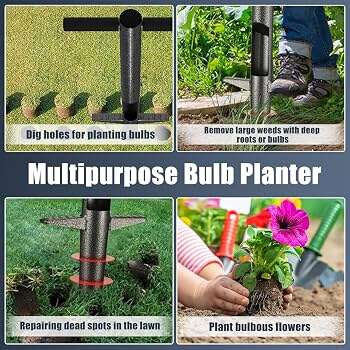
The main tool used for planting bulbs is a bulb planter. It has a narrow, cylindrical blade that removes a plug of soil and creates a hole suited to tulips, daffodils, crocuses, hyacinths, and other spring or fall bulbs.
A hand trowel is another useful choice. It is often better for loose soil, rocky beds, containers, and spots where you need to adjust the hole size by hand.
The best tool depends on your soil, planting area, and the number of bulbs you plan to grow.
Common bulb planting tools include:
• Bulb planter: Best for making quick, uniform holes in prepared soil.
• Hand trowel: Best for small gardens, containers, and mixed planting beds.
• Garden dibber: Best for small bulbs and soft soil.
• Long-handled bulb planter: Best for gardeners who prefer not to kneel or bend.
• Garden spade: Best for planting many bulbs in groups or naturalized drifts.

Types of bulb planting tools
Each bulb planting tool has a different design. Choosing the right one can save time and help bulbs develop strong roots.
Bulb planter
A bulb planter usually has a metal cup or cylinder with a sharp rim. Many models include depth markings and a spring-loaded handle. You press the tool into the soil, twist it, lift out a soil plug, place the bulb, and replace the plug.
This tool works best in soil that is already loose and free of large stones. It is ideal for planting tulips and daffodils in lawns, borders, and raised beds.
Some bulb planters have short handles. Others have long shafts and foot plates. A long-handled model can reduce knee and back strain.
Hand trowel
A hand trowel has a small pointed blade and a short handle. It is one of the most useful garden tools because it can dig holes, move soil, and mix compost.
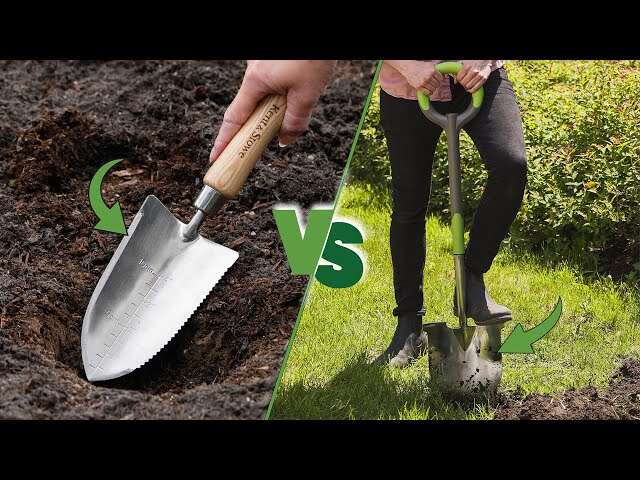
A trowel offers more control than a bulb planter. You can make the hole wider, adjust the depth, and avoid existing roots. This makes it a strong choice for perennial borders and crowded beds.
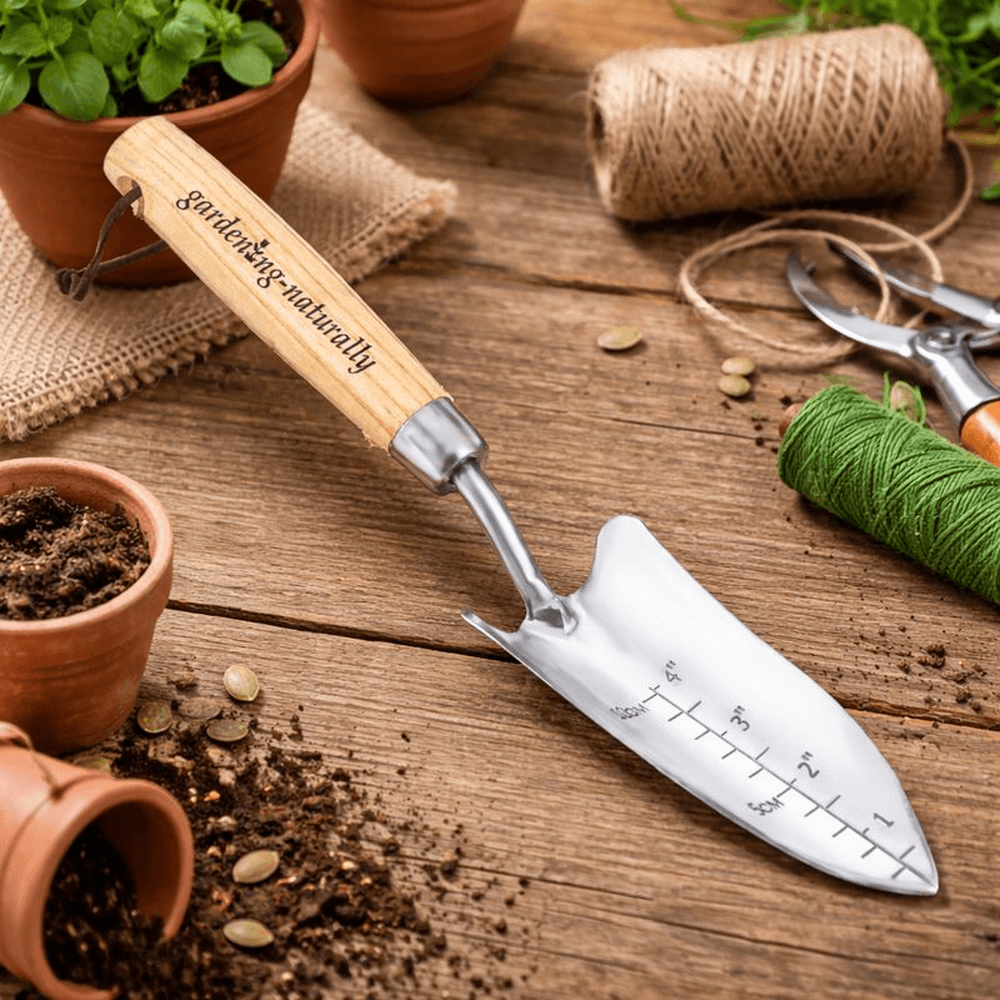
Look for a trowel with a sturdy stainless steel blade and a comfortable grip. A depth guide on the blade is helpful when planting bulbs at different levels.
Garden dibber
A dibber is a pointed tool used to make narrow holes in soil. It may have a wooden, metal, or plastic shaft. Some dibbers include depth marks.
Dibbers work well for small bulbs, such as crocuses, snowdrops, and grape hyacinths. They are less useful in hard or dry soil because the tip may not create a wide enough hole.
Garden spade
A spade has a broad, flat blade. It is not the first tool most people choose for one bulb, but it is useful for planting large groups.
You can lift a section of soil, place several bulbs at once, and replace the soil. This method works well for woodland-style planting or large drifts of daffodils.

How to choose the right tool for planting bulbs
The right tool for planting bulbs depends on the soil and the planting plan. A tool that works well in soft garden soil may struggle in clay or gravel.
Consider these factors before you buy or use a tool.
Soil type
Loose, crumbly soil is ideal for a bulb planter. The blade can enter the ground with little force.
Heavy clay may stick inside the planter. In this case, a sharp trowel or spade may work better. Improve clay soil with organic matter before planting, but do not add large amounts of fresh manure directly around bulbs.
Rocky soil also favors a trowel. You can remove stones as you dig and place the bulb at a safe depth.
Number of bulbs
A bulb planter is efficient when you need to plant many bulbs one at a time. It creates similar holes and reduces repetitive digging.
For hundreds of bulbs, a spade or trench method may be faster. Dig one broad area, arrange the bulbs, and cover them together.
Bulb size
Small bulbs need small holes. A dibber may be enough for crocus or snowdrop bulbs.
Large bulbs need wider holes. Tulips, daffodils, and ornamental onions often fit best in holes made with a bulb planter or trowel.
Your comfort
Gardening should not leave you with back or knee pain. A long-handled bulb planter lets you work while standing. A padded kneeling mat can also make a short-handled tool more comfortable.
Choose a tool that feels balanced. A heavy tool may seem strong, but it can tire your wrist during a long planting session.
How to use a bulb planter correctly
Learning how to use the tool is just as important as choosing it. A bulb planter is simple, but small mistakes can affect drainage and root growth.
Follow these steps:
-
Prepare the soil. Remove weeds, stones, and thick roots from the planting area.
-
Check the bulb label. Use the recommended depth and spacing for that plant.
-
Hold the bulb planter upright. Press it straight into the soil.
-
Twist the planter gently. This cuts a clean plug without disturbing a wide area.
-
Lift out the soil plug. Keep the soil nearby so you can replace it.
-
Place the bulb with its pointed end facing up. Roots usually grow from the flatter base.
-
Replace the soil plug. Press the soil lightly, but do not pack it hard.
-
Water the area if the soil is dry. Moist soil helps roots begin to grow.
A common planting rule is to place a bulb at a depth about two to three times its height. However, planting depth varies by bulb type, soil, climate, and local guidance. Always check the bulb package when possible.
For bulbs planted in lawns, avoid making a pattern that looks too regular. Random spacing often creates a more natural display.

Bulb planter versus hand trowel
Both tools can plant bulbs well, but they suit different tasks.
| Tool | Best use | Main benefit | Main limitation |
|---|---|---|---|
| Bulb planter | Many individual bulbs | Fast, even holes | Can struggle in rocky soil |
| Hand trowel | Small beds and containers | Precise control | Slower for large jobs |
| Dibber | Small bulbs | Quick narrow holes | Poor for hard soil |
| Garden spade | Large groups | Moves more soil at once | Less precise |
| Long-handled planter | Standing work | Reduces bending | Costs more and may be bulky |
For most home gardeners, a bulb planter and hand trowel make a useful pair. Use the bulb planter for open areas and the trowel near roots, stones, or established plants.
In my hands-on planting work, I have found that forcing one tool to do every job creates more effort, not less. A bulb planter saves time in open soil, while a trowel gives better control in crowded beds.

How deep should you plant bulbs?
Planting depth affects root growth, stem strength, flowering, and winter protection. Bulbs planted too shallow may dry out or become exposed to frost. Bulbs planted too deep may struggle to reach the surface.
Use the bulb’s height as a starting guide:
• Small bulbs: Plant about 2 to 3 inches deep, depending on the species.
• Medium bulbs: Plant about 4 to 6 inches deep.
• Large bulbs: Plant about 6 to 8 inches deep.
These are general ranges, not strict rules. Tulips and daffodils often need deeper planting than small crocuses. Soil type also matters. In heavy clay, slightly shallower planting may improve drainage, while sandy soil may allow deeper planting.
Measure from the soil surface to the top of the bulb. This is a detail many new gardeners miss. The depth is not measured from the bottom of the hole to the bottom of the bulb.