What Is The Function Of Hand Trowel: Uses And Benefits
A hand trowel digs, plants, loosens, weeds, mixes, and moves small amounts of soil with control.
If you have ever planted flowers, removed a stubborn weed, or filled a pot with fresh soil, you have likely used a hand trowel. Understanding what is the function of hand trowel helps you choose the right tool, work more safely, and care for plants with greater accuracy. This small garden tool may look simple, but its narrow blade and comfortable handle make it one of the most useful tools for everyday gardening.
What Is a Hand Trowel?
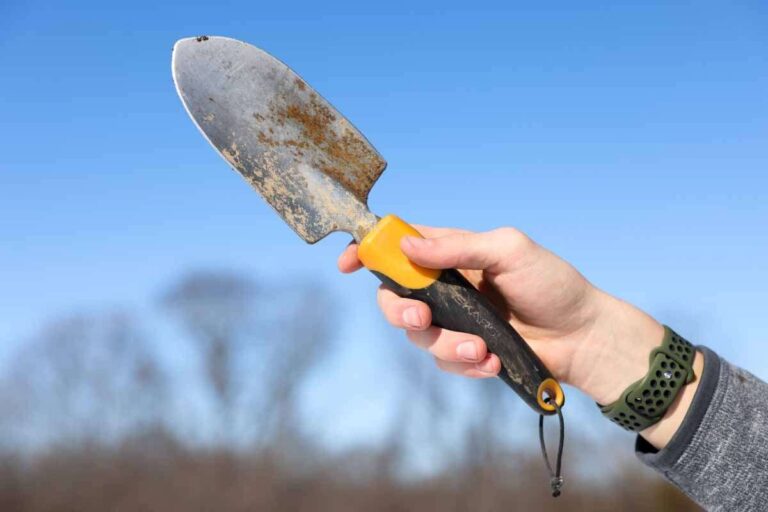
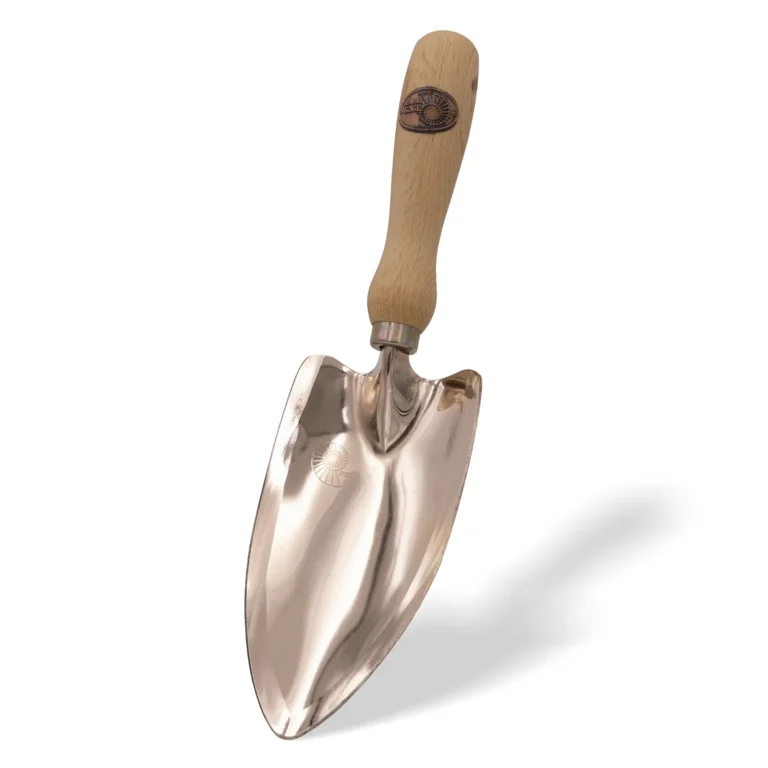
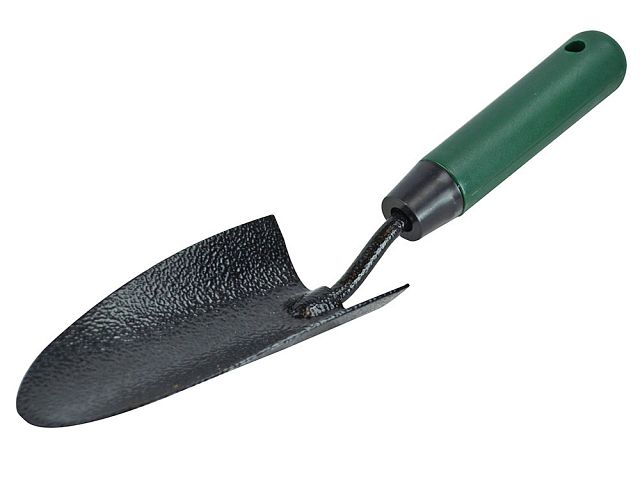
A hand trowel is a small gardening tool with a pointed or rounded metal blade and a short handle. It is designed for one-handed work in soil, pots, raised beds, and small planting areas.
The blade is usually made from stainless steel, carbon steel, or aluminum. The handle may be made from wood, plastic, rubber, or fiberglass. Most blades are between 3 and 8 inches long, although sizes vary by brand and purpose.
The answer to what is the function of hand trowel begins with its basic role: it helps you perform small digging and planting tasks that would be difficult with a full-size shovel.
Unlike a shovel, a hand trowel offers close control. You can work around plant roots, bulbs, seedlings, and garden decorations without disturbing nearby soil.
What Is the Function of Hand Trowel?
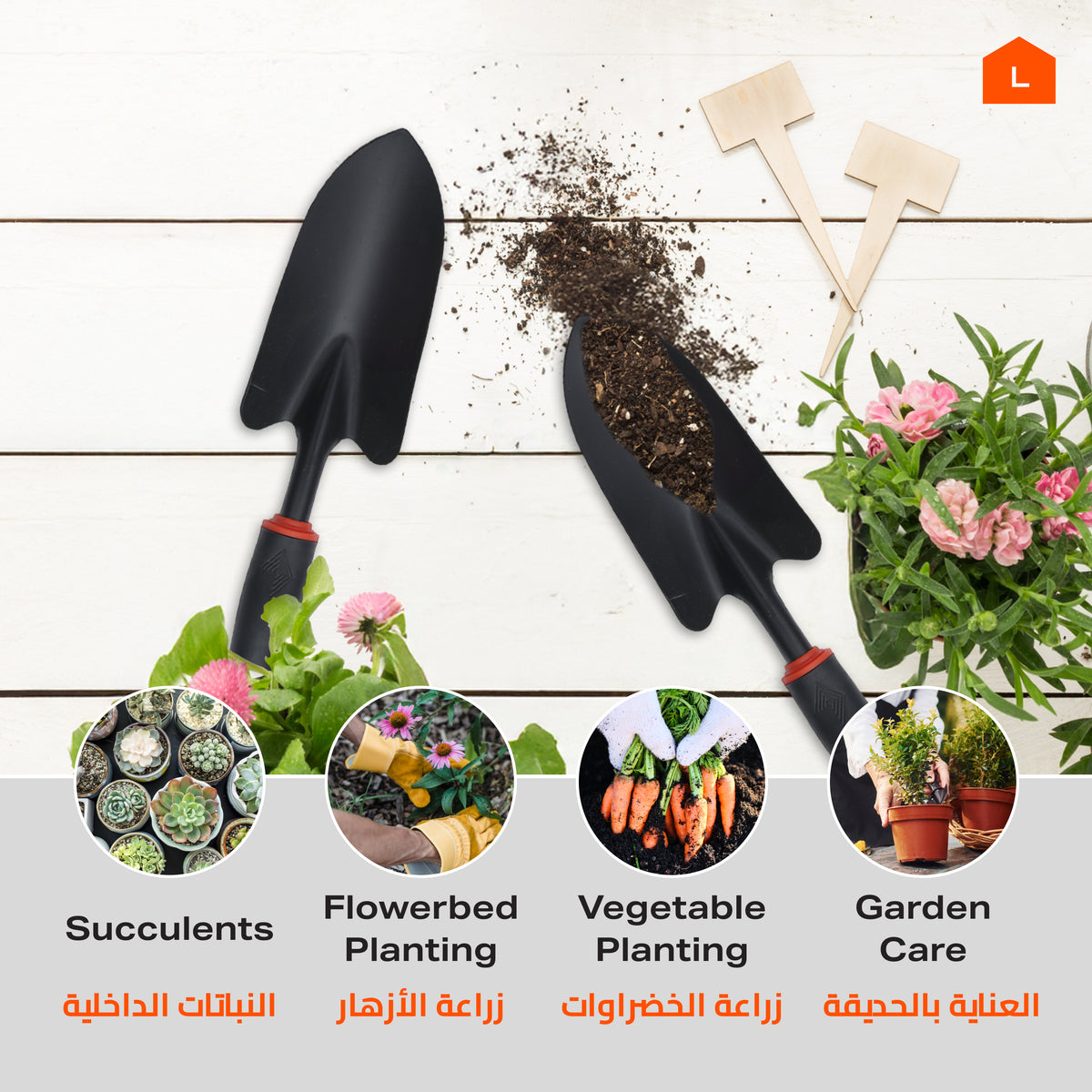
The main function of a hand trowel is to dig small holes and move small amounts of soil. Gardeners use it for planting, transplanting, weeding, mixing soil, and many other detailed tasks.
Here are the main functions of a hand trowel:
- Digging holes for flowers, herbs, vegetables, and small plants
- Transplanting seedlings without using a large shovel
- Removing weeds from loose or compact soil
- Scooping potting mix into containers
- Dividing small plants and separating roots
- Planting bulbs at the correct depth
- Mixing compost, fertilizer, and soil in small areas
- Creating narrow channels for seeds
- Loosening soil around plant roots
- Filling holes after planting
Knowing what is the function of hand trowel makes it easier to use the tool well. It is not meant to replace every garden tool. Instead, it handles small jobs where care and precision matter most.
Think of a hand trowel as a gardening spoon. A spoon moves food with control, while a trowel moves soil with control. Both tools are small, simple, and useful because they match the size of the task.

How a Hand Trowel Helps With Planting
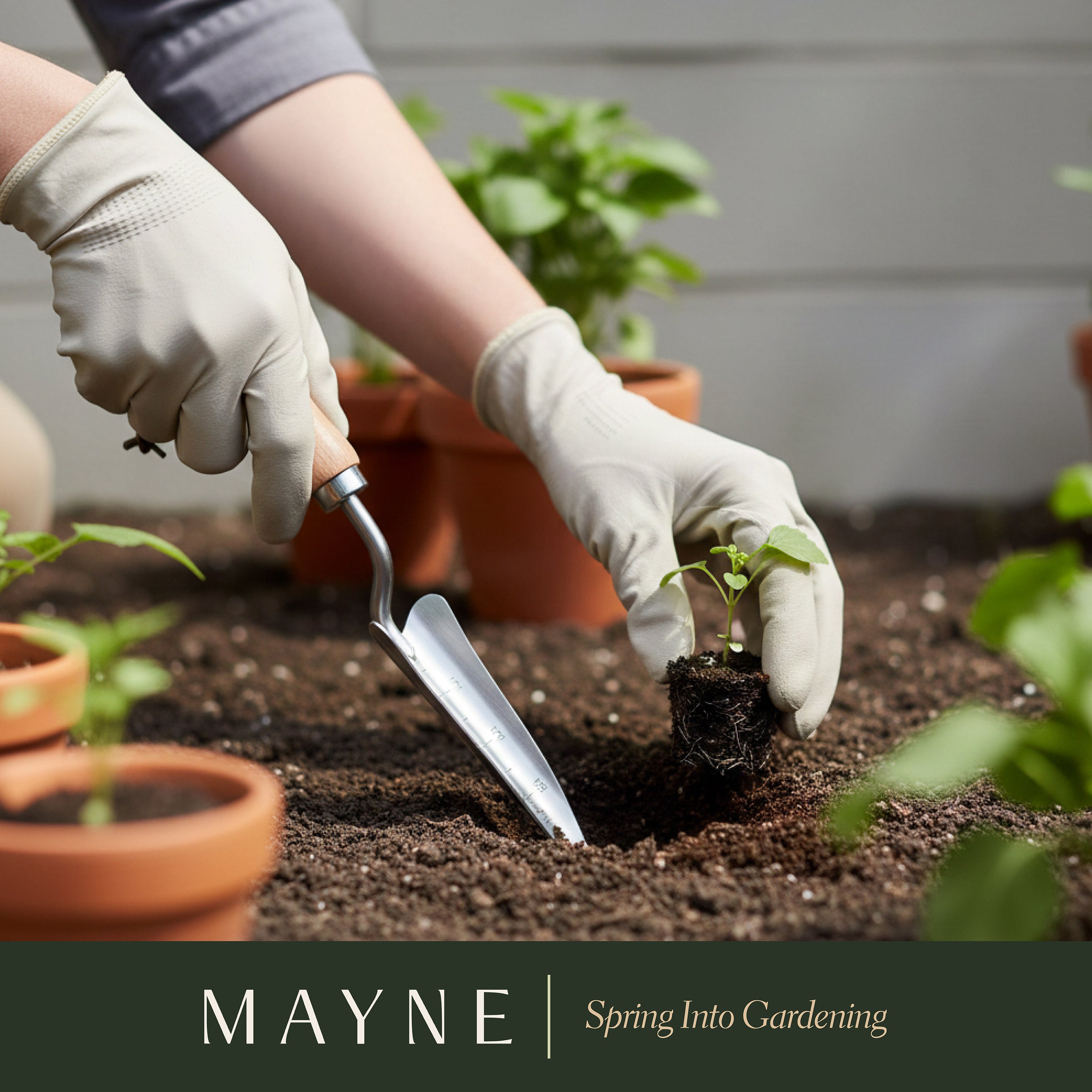
Planting is one of the most common uses of a hand trowel. Its narrow blade allows you to create a hole that is deep and wide enough for a plant’s root ball.
To plant a flower or vegetable seedling, follow these steps:
- Loosen the soil in the planting area.
- Use the trowel blade to dig a hole slightly wider than the root ball.
- Check the recommended planting depth.
- Place the plant in the hole.
- Fill the space with soil.
- Press the soil gently around the roots.
- Water the plant well.
A hand trowel is especially useful when planting in a crowded bed. You can place the blade between nearby plants instead of using a large shovel that may damage roots.
When planting bulbs, many trowel blades include depth marks. These marks help you place bulbs at a suitable depth. If the blade has no marks, use a ruler or follow the planting instructions for that bulb.
One common mistake is digging a hole that is too deep. The plant may sit below the proper soil level, which can lead to poor growth or stem rot. A hand trowel gives you better control, but you still need to check the depth before covering the roots.
Using a Hand Trowel for Weeding
A hand trowel can remove weeds when you need to loosen soil around the roots. It works best on young weeds and weeds growing in soft or damp soil.
Push the blade into the soil beside the weed. Then angle the blade under the root system and lift gently. Try to remove the full root, not only the leaves.
This method is important for weeds with long or spreading roots. If you only pull off the top, the weed may grow back quickly.
A trowel is also useful for weeds growing between paving stones, along garden borders, or in small containers. However, it may not be the best tool for large areas filled with weeds. In those cases, a hoe or long-handled cultivator can save time and reduce strain.
The function of hand trowel in weeding is based on control. You can target one weed without turning over a whole bed or harming nearby plants.

Using a Hand Trowel in Containers and Raised Beds
Container gardening often requires careful soil work. A hand trowel fits easily inside pots, window boxes, grow bags, and raised beds.
You can use it to:
- Fill containers with potting mix
- Make holes for seedlings
- Remove old roots
- Mix compost into the top layer
- Move soil away from plant stems
- Replace compacted soil
- Create space for companion plants
When filling a pot, use the trowel to add soil in small amounts. This prevents spills and helps you keep the soil level even.
In raised beds, a hand trowel can loosen soil without disturbing the structure of the bed. It is also useful when you need to work between rows of lettuce, carrots, or herbs.
From my practical gardening perspective, one of the most useful lessons is to avoid forcing a trowel into very dry soil. The blade may bend, the handle may crack, or your wrist may become sore. Water the area lightly first, then wait a short time for the soil to soften.
Hand Trowel Parts and Their Functions
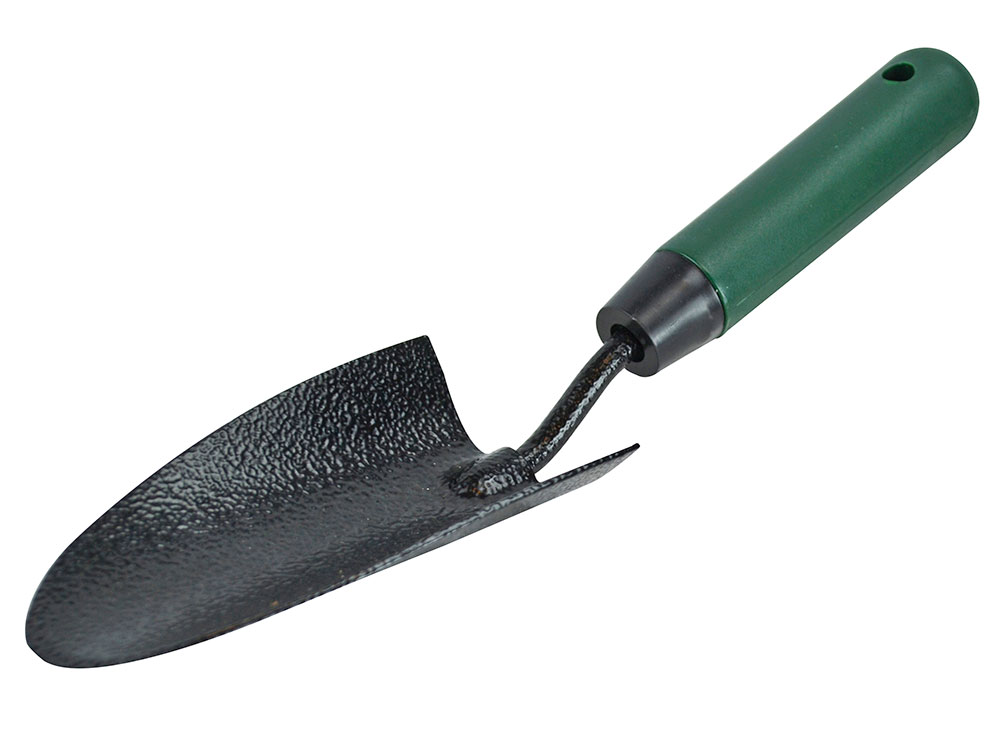
Each part of a hand trowel supports a different task. Knowing these parts helps you select a strong and comfortable tool.
Blade
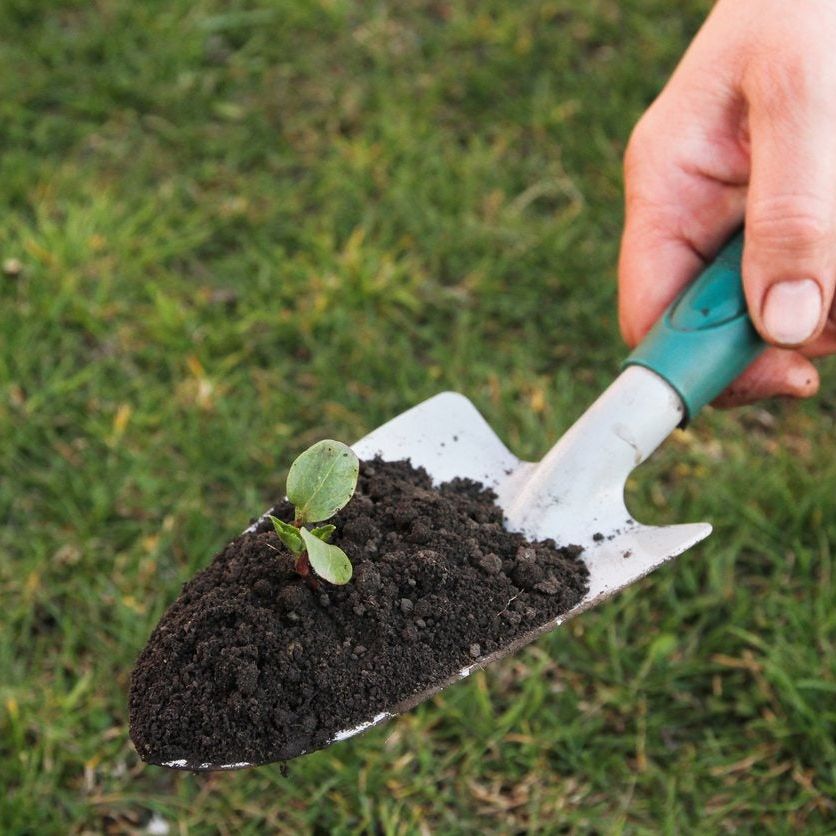
The blade is the working part of the trowel. It cuts into soil, lifts roots, and moves planting material.
A pointed blade works well in firm soil. A rounded blade is useful for scooping and moving loose soil. A narrow blade is helpful in tight spaces, while a wide blade moves more soil with each scoop.
Handle
The handle gives you grip and control. A curved handle can reduce wrist pressure, while a straight handle may provide more direct force.
Look for a handle that feels secure but not too large. If your fingers cannot close around it comfortably, long tasks may cause fatigue.
Tang
The tang connects the blade to the handle. A full tang extends farther through the handle and often provides better strength. A partial tang can still work well for light gardening, but its durability depends on the construction.
Ferrule
The ferrule is the collar that joins the blade and handle. A strong ferrule helps keep the blade from twisting or pulling away during use.
Grip
Some handles include rubber or textured surfaces. These features can improve comfort, especially when the tool becomes wet or when you work for a long time.
Understanding these parts adds useful detail to what is the function of hand trowel. The tool works well because its parts combine strength, control, and comfort in a compact design.
Types of Hand Trowels
Hand trowels come in several designs. The best type depends on your soil, plants, and preferred gardening tasks.
Standard Hand Trowel
A standard trowel has a medium-width blade and works well for general planting, digging, and potting.
Narrow-Blade Trowel
A narrow blade fits between closely spaced plants. It is useful for bulbs, small pots, and dense garden beds.
Wide-Blade Trowel
A wide blade scoops more soil at once. It can speed up container filling and general soil movement.
Transplanting Trowel
A transplanting trowel often has a long, narrow blade with depth markings. It is made for seedlings and small plants.
Ergonomic Trowel
An ergonomic trowel has a shaped handle designed to place the wrist in a more natural position. It may help people with weak grip strength or joint pain.
Soil Knife and Trowel Combination
Some tools combine a trowel blade with a serrated edge. The serrated edge can cut roots, bags, twine, or tough soil. Use care because this design may be sharper than a standard trowel.