What Does A Root Shovel Do: Essential Uses Explained
A root shovel is a narrow digging tool made to cut through roots, loosen packed soil, and remove plants with less disturbance to nearby ground. In the United States, homeowners and gardeners often use one for transplanting shrubs, dividing perennials, planting in tight beds, and cutting small roots that block a regular shovel.
The name can describe more than one tool. Some root shovels have a narrow, pointed blade. Others have sharp side edges, saw teeth, or a blade built like a spade. The best choice depends on the root size, soil type, and job.

What Is a Root Shovel?
A root shovel is a compact shovel with a blade designed to enter soil and cut through plant roots. Its narrow shape gives you more control than a wide digging shovel. It can also fit into small spaces between plants, stones, fences, and tree trunks.
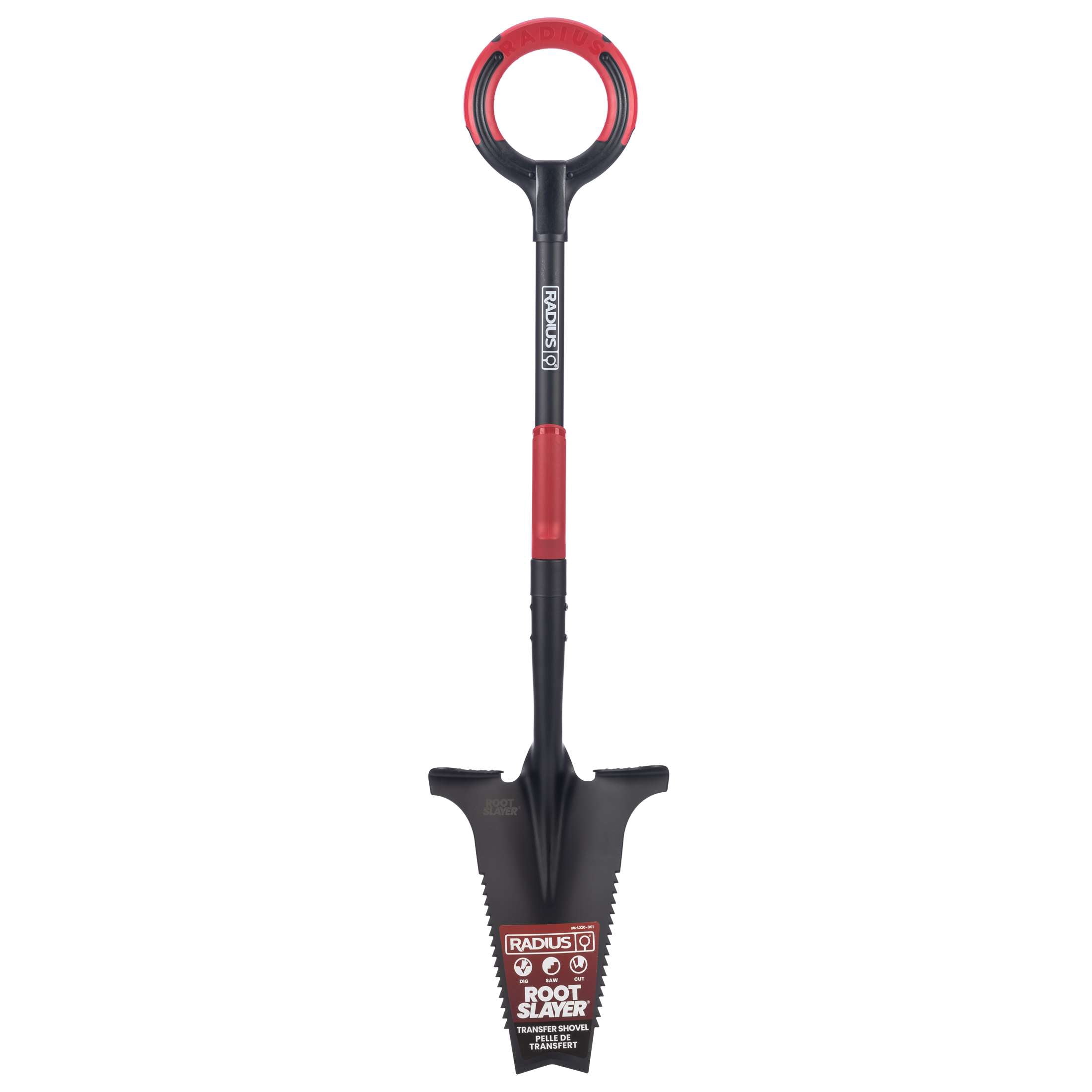
A root shovel may include:
- A pointed blade for hard or rocky soil
- A narrow blade for tight planting beds
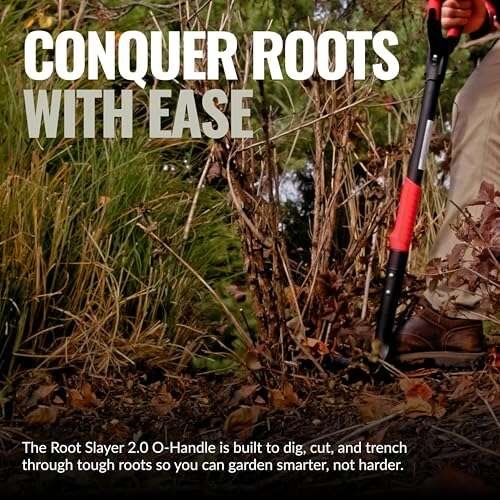
- Serrated edges for cutting roots
- A strong shaft for prying and lifting
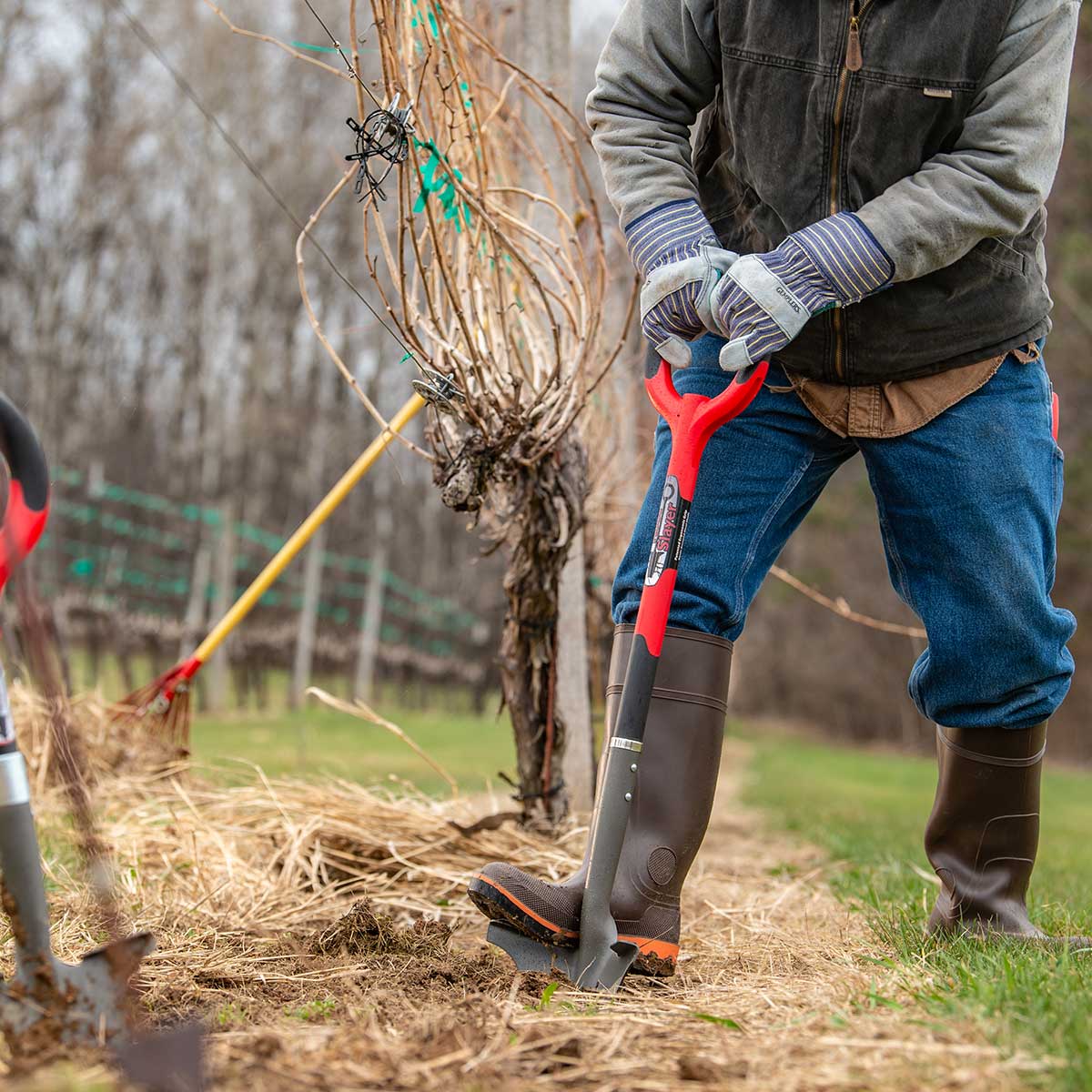
- A foot step for pushing the blade into the ground
- A short handle for close control
The term is not a single, regulated tool category. One manufacturer may call a narrow spade a root shovel, while another may use the name for a root cutter or transplanting shovel.
A root shovel is different from a shovel made only for moving loose soil. Its main purpose is controlled digging and root cutting, not fast removal of large amounts of dirt.

What Does a Root Shovel Do?
A root shovel cuts through small to medium roots while opening a narrow hole in the soil. This makes it useful when a normal shovel is too wide or when roots are blocking a planting or removal job.
Common uses include:
Transplanting shrubs and small plants
A narrow root shovel can help you dig around a plant’s root ball. The slim blade lets you work close to the plant without cutting as many roots as a wide shovel might.
For best results, dig a circle around the plant before lifting it. Keep as much soil attached to the roots as possible. This reduces drying and helps limit transplant shock.
Dividing perennials
Many perennial plants spread through dense roots or underground stems. A root shovel can split a mature clump into smaller sections.
Use the blade to separate the clump at natural gaps when possible. Do not force the tool through thick, woody crowns unless the plant can safely be divided.
Cutting small roots
Root shovels can cut roots that interfere with fence posts, edging, garden beds, or small planting holes. A sharp blade may slice through thin roots with one push. Tougher roots may need a root saw instead.
Digging in compact soil
The pointed tip of some root shovels can enter clay, dry soil, and ground filled with small stones. The narrow blade focuses force in one area, much like the tip of a wedge.
This does not mean the tool will easily break every type of soil. Very dry clay, buried rock, and heavy gravel can bend a weak blade or strain your back.
removing weeds with deep roots
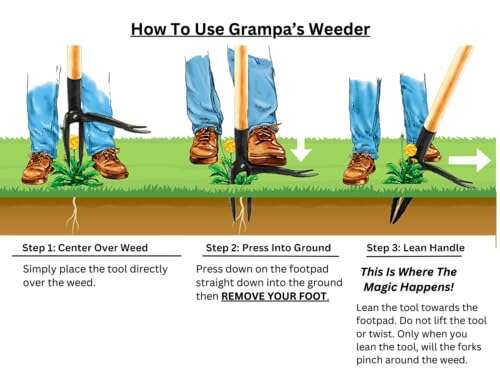
A root shovel can loosen plants such as taprooted weeds. Insert the blade beside the root, push down, and lift the plant while keeping the root as intact as possible.
For small weeds, a hand weeder may be faster. A root shovel is more useful when the plant has a large crown or deep root system.

How Does a Root Shovel Work?
A root shovel works by concentrating force at the blade tip and edge. Your foot pushes the blade into the soil. The shaft then transfers your hand and body force to the blade as you press, pry, or lift.
Its narrow form provides three main benefits:
- It enters tight spaces. You can dig between plants or near a wall.
- It limits soil disturbance. You remove less soil than with a wide spade.
- It gives better control. You can target a root instead of cutting a large section of ground.
The blade shape affects the job. A pointed blade works well in hard ground. A flat blade creates a cleaner slice through soft soil. Serrated edges can grip and cut roots, but they may also tear thin roots instead of making a clean cut.
A root shovel is not a replacement for every root-cutting tool. A hand pruner works well on thin exposed roots. A pruning saw is usually better for thick, woody roots. An ax or powered cutter may be needed for large roots, but those tools carry more risk and should not be used near underground utilities.

Root Shovel vs. Regular Shovel
A regular digging shovel moves more soil. A root shovel offers more control in narrow or root-filled areas.
| Feature | Root shovel | Regular digging shovel |
|---|---|---|
| Blade width | Usually narrow | Usually wider |
| Main purpose | Cut roots and dig in tight spaces | Move soil and dig broad holes |
| Soil disturbance | Lower | Higher |
| Root control | More precise | Less precise |
| Best for | Transplanting, dividing, root cutting | Beds, trenches, planting, general digging |
| Speed on large jobs | Often slower | Often faster |
Choose a root shovel when precision matters. Choose a standard shovel when you need to move a large amount of soil.
Many gardeners keep both. The regular shovel handles the bulk of the digging. The root shovel handles the careful work near plants and roots.

How to Use a Root Shovel Safely
Use a root shovel with controlled pressure rather than sudden force. The following method works for many garden tasks.
1. Check the digging area
Before you dig, look for irrigation lines, landscape lighting, buried cables, pipes, and utility markers. In the United States, contact 811 before digging where required or recommended in your state. The 811 service helps arrange utility marking, but private lines may need a separate locating service.
Do not assume that a line is safe because it is not marked. Stay within the clearance guidance given by the utility locator.
2. Identify the root or plant
Decide whether you are cutting a small feeder root, dividing a plant, or removing a root ball. Avoid cutting first and identifying later.
If the root belongs to a mature tree, stop and assess the risk. Large roots can support the tree and may carry water and nutrients. Cutting them can cause instability, decay, or long-term tree damage.
3. Clear loose debris
Remove stones, sticks, and surface mulch from the area. This helps the blade enter cleanly and lowers the chance of the tool slipping.
Wear sturdy shoes, gloves, and eye protection when roots or stones may snap upward.
4. Push the blade into the soil
Place one foot on the shovel step if the tool has one. Keep your back straight and use your leg to drive the blade down.
Do not jump on the blade. Do not twist your body while the blade is stuck.
5. Cut or loosen the root
Press down in a controlled motion. For a tough root, make several shallow cuts rather than forcing the blade through it.
If the root is woody or thicker than the shovel can safely cut, switch to a root saw or pruning saw.
6. Lift with care
Use the shaft to loosen soil, but avoid using a thin-handled shovel as a heavy pry bar. Excessive prying can bend the blade or break the handle.
For a plant, lift from beneath the root ball. Do not pull the plant by its stems.
7. Inspect the result
A good cut is controlled and leaves the surrounding soil mostly intact. If the root is badly torn, use a clean pruning tool to make a neat cut when the plant and root size allow it.

How Big a Root Can a Root Shovel Cut?
A root shovel can often cut small, flexible roots. It may also handle some larger roots if the blade is strong and sharp, but there is no safe universal diameter limit.
The answer depends on:
- Root species and age
- Whether the root is soft or woody
- Blade thickness and sharpness
- Soil moisture
- Handle strength
- Your body position
- Whether the root supports a tree
A useful rule is to stop when the tool stops making progress with moderate pressure. Do not turn a shovel into an ax by swinging it or forcing it sideways.
For roots that are too thick for the shovel, use a pruning saw made for the job. If the root belongs to a mature tree, consult a certified arborist before cutting. The International Society of Arboriculture provides an arborist search tool through its consumer site, TreesAreGood.org.

Can You Use a Root Shovel Around Trees?
You can use a root shovel around trees for shallow planting and light soil work, but tree roots require caution. A shovel can sever roots that the tree needs for support, water uptake, or nutrient storage.
Avoid cutting:
- Large roots
- Roots close to the trunk
- Roots that lift or support the tree
- Roots under a major branch
- Roots exposed after erosion
- Roots near a leaning or damaged tree
Tree roots can spread well beyond the area beneath the branches. The visible trunk does not show the full root system.
If you must install a small plant near a tree, use a narrow tool and work slowly. Stop when you meet a large root. Relocating the plant is often safer than cutting the root.

How to Choose a Root Shovel
Choose the tool based on the job, not the name on the label.
Blade shape
A pointed blade is useful for firm soil and narrow holes. A flat or squared blade can make a clean cut through soft soil and plant clumps.
Blade width
A narrow blade offers better control near existing plants. A wider blade removes more soil but may damage more roots.
Edge design
A sharpened edge can slice roots. Serrated edges may help with fibrous roots, but they can be harder to clean and may cause rough cuts.
Handle length
A long handle gives more leverage and lets you work without bending as much. A short handle gives close control but may increase back strain during long jobs.
Material and build
Look for a blade that does not flex under normal pressure. A secure connection between the blade and shaft matters as much as the blade steel.
Avoid using a lightweight transplanting trowel as a heavy root cutter. It may bend or break.
Grip and foot step
A comfortable grip reduces hand fatigue. A wide foot step helps you push the blade into firm soil without placing your foot directly on a sharp edge.
Common Root Shovel Mistakes
The most common mistake is treating a root shovel as a tool for unlimited force. A shovel is designed for digging and controlled leverage, not for striking like a chopping tool.
Other mistakes include:
- Digging without checking for underground utilities
- Cutting tree roots without assessing the tree
- Using a dull blade and then adding more force
- Twisting the handle while the blade is buried
- Pulling plants by the stem
- Leaving cut roots exposed to sun and wind
- Using the tool in frozen ground
- Ignoring a bent blade or loose handle
- Working without gloves or sturdy footwear
Clean soil from the blade after use. Dry it before storage, and follow the manufacturer’s care instructions. A sharp, sound blade is easier to control than a damaged one.

When Should You Use Another Tool?
Use another tool when the root shovel cannot complete the job safely or cleanly.
| Task | Better tool |
|---|---|
| Cutting thin exposed roots | Bypass pruners |
| Cutting thick woody roots | Pruning saw |
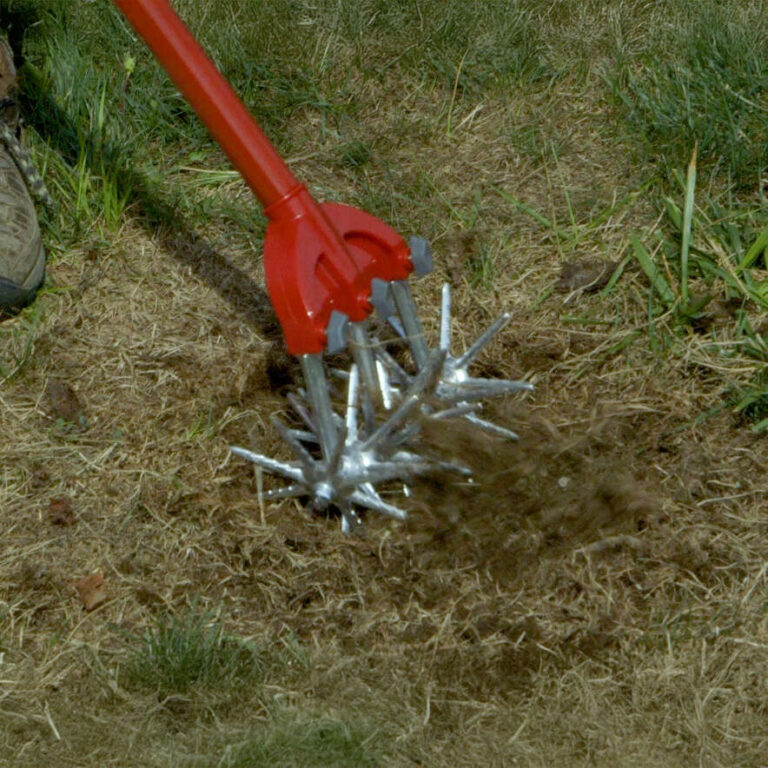
| Removing a deep taproot | Root weeder or narrow shovel |
| Moving large amounts of soil | Standard digging shovel |
| Breaking hard, rocky ground | Mattock or digging bar, with care |
| Cutting large tree roots | Professional assessment and suitable saw |
| Digging near marked utilities | Hand tools and utility clearance guidance |
Do not use a digging bar, ax, or powered cutter near buried utilities unless the area has been properly located and the work method is safe.
Key Takeaways
- A root shovel is made for controlled digging and root cutting.
- Its narrow blade works well around plants and in tight spaces.
- It can help with transplanting, dividing perennials, weeds, and small roots.
- It is not a safe substitute for a saw when roots are large or woody.
- Do not cut major tree roots without qualified advice.
- In the United States, check for underground utilities before digging by contacting 811.
Frequently Asked Questions
Is a root shovel the same as a root cutter?
Not always. Some root shovels have sharp or serrated edges and can cut roots. A root cutter may be a more specialized tool with a reinforced blade or teeth. Check the tool’s design and intended use.
Can a root shovel remove tree roots?
It can cut some small tree roots, but cutting large or structural roots can harm the tree or make it unstable. Ask a certified arborist before cutting major roots.
Is a root shovel good for clay soil?
A pointed, strong root shovel can enter some clay soil. The soil should not be soaking wet or frozen. For very hard clay, loosen the area in small sections instead of forcing the blade.
Should a root shovel be sharp?
Yes. A reasonably sharp edge makes cleaner cuts and requires less force. Do not create a dangerously thin edge. Follow the manufacturer’s sharpening guidance.
Can a root shovel replace a garden spade?
No. It can handle many small digging jobs, but a standard spade or shovel is usually better for broad beds, deep holes, and moving large amounts of soil.
Conclusion
A root shovel gives you control where a regular shovel is too wide or blunt. It can cut small roots, open narrow holes, divide plants, and loosen soil around established growth.
Use it with steady pressure, inspect the area before digging, and stop when a root is too large or important to cut safely. For major tree roots, buried utilities, or difficult ground, the safest next step is professional guidance rather than more force.

Laura Bennett is a gardening writer at MyGardenLabs who creates beginner-friendly guides focused on solving common plant care and gardening problems.