What Is A Spade Used For In Gardening: Uses And Tips
A garden spade is used to dig, cut roots, move soil, plant, edge beds, and divide tough clumps.
If you have ever tried to dig a deep hole with a small hand trowel, you know how much the right tool matters. A spade has a flat or slightly curved blade, a strong shaft, and a footrest that helps you push into firm soil. This guide explains what is a spade used for in gardening, how it differs from a shovel, and how to use it safely for cleaner, easier work.
What Is a Spade Used for in Gardening?
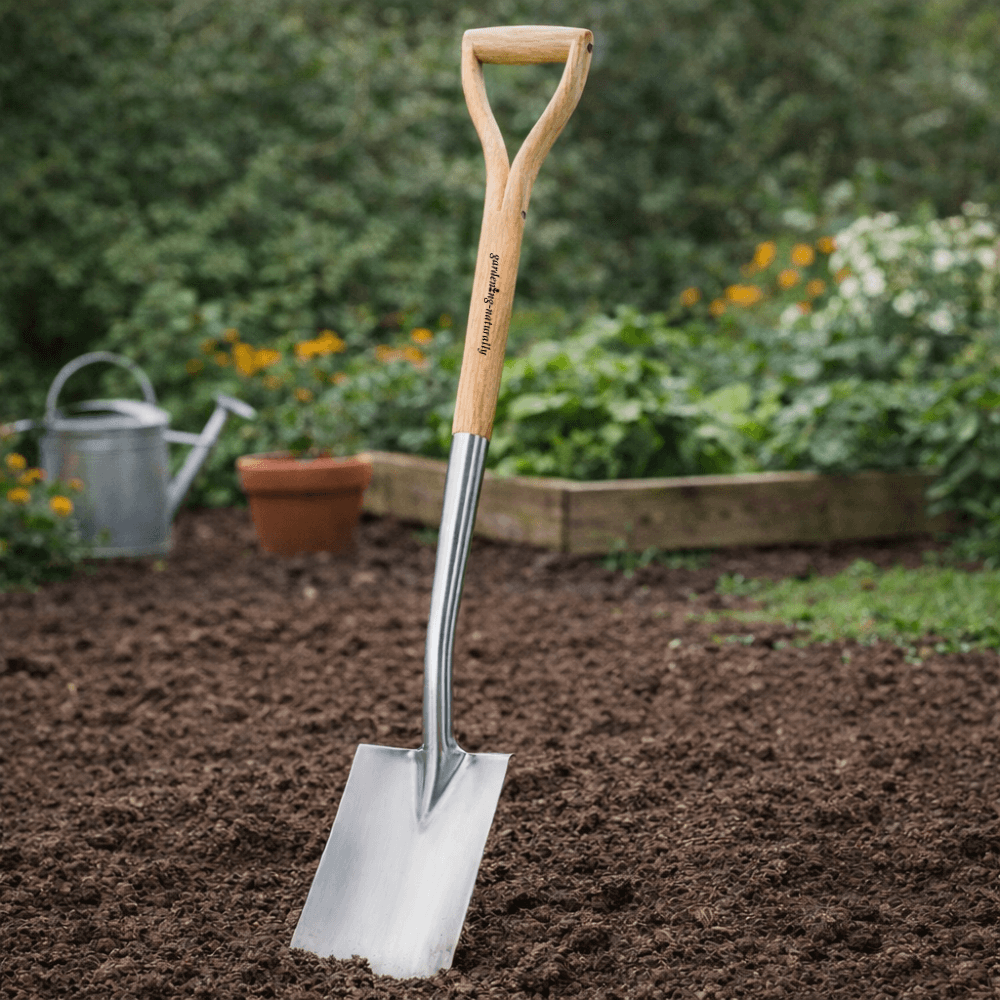
A garden spade is a digging tool made for cutting into soil and moving small amounts of earth with control. Its blade is usually flat, square, or slightly rounded. This shape makes it useful for tasks that need a clean cut rather than a wide scoop.
What is a spade used for in gardening? Gardeners commonly use it to:
- Dig planting holes for flowers, shrubs, and small trees
- Turn and loosen compact soil
- Cut through roots and sod
- Move soil, compost, and mulch
- Divide perennials and crowded plants
- Create straight bed edges
- Lift small plants for transplanting
- Dig trenches for bulbs, irrigation, or garden borders
A spade works like a firm metal extension of your foot and arm. It gives you more force than a hand trowel but more control than a large shovel.

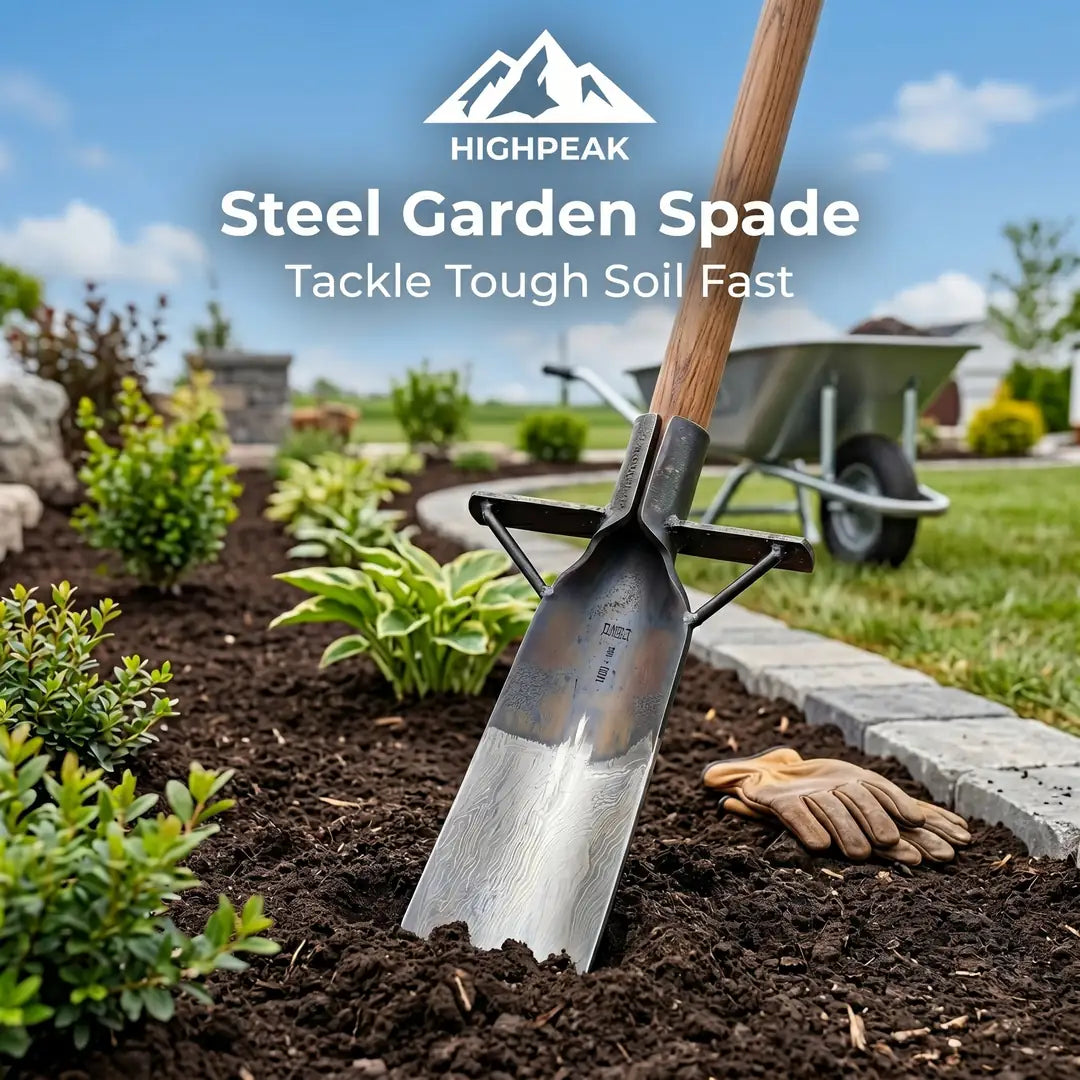
Main Parts of a Garden Spade
Understanding the parts of a spade helps you choose the right model and use it well. Each part affects comfort, strength, and digging performance.
Blade
The blade is the metal part that enters the soil. It may be made from stainless steel, carbon steel, or coated steel.
A stainless steel blade resists rust and cleans easily. Carbon steel is often very strong and holds a sharp edge, but it needs more care. A broad blade moves more soil, while a narrow blade is better for tight spaces and root work.
Shaft
The shaft connects the blade to the handle. It may be made from wood, fiberglass, or metal.
A wooden shaft can feel warm and comfortable in the hands. Fiberglass is light and resists weather damage. A strong shaft is important because bending or twisting puts stress on the tool.
Handle
Many spades have a D-shaped handle. This design gives you a firm grip and helps you control the blade.
A straight handle can provide more reach. A D-handle can offer better control when lifting, edging, or breaking hard soil. The best choice depends on your height, strength, and gardening style.
Footrest
The footrest is the flat ledge at the top of the blade. It lets you press down with your foot without placing your shoe directly on a sharp metal edge.
A wide footrest is helpful when digging clay, rocky soil, or hard ground. It also reduces pressure on the sole of your shoe.

What Is a Spade Used for in Gardening Compared With a Shovel?
Many people use the words spade and shovel as if they mean the same tool. They are related, but their shapes and jobs are different.
A spade usually has a flat, straight-edged blade. It is made for cutting, shaping, and controlled digging. A shovel often has a curved blade with raised sides. It is designed to scoop and carry loose materials.
Here is a simple comparison:
| Feature | Garden spade | Garden shovel |
|---|---|---|
| Blade shape | Flat or slightly curved | Deep and curved |
| Main job | Cutting and digging | Scooping and moving |
| Best material | Firm soil and roots | Loose soil, compost, and mulch |
| Edge | Often straight or sharp | Usually rounded or pointed |
| Control | High precision | Greater carrying capacity |
What is a spade used for in gardening when compared with a shovel? It is usually the better choice for making a neat cut, opening a planting hole, or dividing a plant. A shovel is often better when you need to move a large pile of loose soil.
Neither tool replaces the other. A well-equipped gardener often keeps both.

Common Gardening Jobs for a Spade
The answer to what is a spade used for in gardening becomes clearer when you see how many daily tasks it can handle.
Digging Planting Holes
A spade can make a clean hole for annuals, perennials, shrubs, and young trees. Use the blade to cut the sides of the hole, then lift out the soil.
The hole should usually be wider than the plant’s root ball. For many plants, the top of the root ball should sit level with or slightly above the surrounding soil. Planting too deep can reduce air around the roots and lead to poor growth.
Turning Soil
A spade can loosen soil before planting. Push the blade down, step on the footrest, and lift the soil with a controlled motion.
Avoid turning soil when it is wet enough to stick heavily to the blade. Working wet clay can create hard clods and damage soil structure. A simple test is to squeeze a handful of soil. If it forms a sticky, shiny ball, wait until it dries slightly.
Cutting Roots
A sharp spade can cut through thin roots and old plant growth. This is useful when removing weeds, clearing beds, or dividing mature perennials.
Do not force the blade through thick tree roots. Cutting major roots can weaken or harm a tree. When in doubt, stop and identify the root before applying more pressure.
Dividing Perennials
Many plants become crowded after several seasons. A spade can split the root mass into smaller sections.
Dig around the plant first. Lift it with as much of the root system as possible, then place the blade into the crown and press down with care. Each division should have healthy roots and several shoots.
Edging Garden Beds
A straight-edged spade is excellent for creating crisp lines around lawns, flower beds, and paths. Push the blade down along a string line or garden hose.
Edging improves the look of a garden and helps stop grass from spreading into planting beds. Repeat the cut once or twice each season as needed.
Digging Trenches
A spade can make narrow trenches for bulbs, drainage lines, irrigation tubing, and garden borders. Its flat blade helps create even sides.
For a long trench, mark the path first. Dig in short sections rather than trying to remove all the soil at once. This keeps the trench more accurate and reduces strain.
How to Use a Garden Spade Correctly
Good technique makes digging safer and protects both your body and your tool. Follow these steps:
- Check the area for cables, pipes, irrigation lines, and large roots.
- Stand with your feet apart for balance.
- Place one foot on the footrest.
- Push the blade straight down using your leg.
- Keep your back as upright as possible.
- Lift small amounts of soil at a time.
- Turn your whole body instead of twisting your spine.
- Place the soil beside the hole or into a wheelbarrow.
- Stop if the ground is too hard for safe digging.
Try not to yank the handle toward your body. This can strain your back and bend the shaft. A better method is to loosen the soil in small sections.
Wear sturdy shoes with good grip. Gloves can protect your hands from blisters, but they should not replace safe handling. If the soil is rocky, eye protection is also a wise choice.

Choosing the Right Spade for Your Garden
The best spade depends on the type of soil, plants, and work you do. Do not choose by appearance alone.
Look for these features:
- A strong blade that does not flex easily
- A comfortable handle that fits your hand
- A shaft length that lets you work without bending too much
- A wide footrest for hard soil
- A sharp edge for cutting roots and sod
- A secure connection between the blade and shaft
- A weight you can lift without tiring quickly
A smaller spade may suit raised beds, containers, and narrow borders. A full-size spade is better for open ground and deep digging. People with limited strength may prefer a lighter fiberglass model.
Try holding the tool before buying it. The grip should feel secure, and the handle should not force your wrist into an awkward angle.
A common mistake is buying the heaviest spade because it looks stronger. Weight does not always mean quality. A tool that is too heavy can cause fatigue and poor technique.
Spade Blade Shapes and Their Best Uses
Spades come in several blade shapes. Each design suits a different task.
Flat-Bladed Spade
A flat blade is ideal for edging, cutting sod, dividing plants, and making square planting holes. It gives you a clean line and good control.
Pointed Spade
A pointed blade enters hard or stony soil more easily. It is useful when you need to break ground or work around roots.
Narrow Spade
A narrow blade fits between plants and works well in crowded borders. It removes less soil with each lift, but it offers excellent precision.
Border Spade
A border spade is often smaller and lighter than a digging spade. It is made for flower beds, borders, and detailed garden work.
Drain Spade
A drain spade has a long, narrow blade. Gardeners use it for planting bare-root plants, digging narrow trenches, and working in tight spaces.
Knowing what is a spade used for in gardening also means knowing which blade fits the task. The wrong shape can make simple work slow and frustrating.

Spade Maintenance and Storage
A clean, sharp spade works better and lasts longer. Maintenance does not need to take much time.
After each use:
- Rinse off soil and plant matter.
- Dry the blade to reduce rust.
- Remove stuck dirt with a stiff brush.
- Check the shaft for cracks or loose joints.
- Apply a light coat of oil to carbon steel.
- Store the tool under cover and away from standing water.
Sharpen the blade when it begins to slide across soil instead of cutting into it. Use a hand file and follow the original bevel. Wear gloves and eye protection while sharpening.
Do not leave a spade outside with the blade buried in wet soil. Moisture can cause rust, and repeated pressure can weaken the joint between the blade and shaft.
One practical lesson from regular garden work is that a dull spade often leads people to use more force. More force increases the chance of back strain, slips, and tool damage. A sharp edge is safer because it does more of the work.