How To Prepare Soil For Gardening Beginners: Top Guide 2026
Test your soil, loosen it gently, and enrich with compost and minerals.
If you’re curious about how to prepare soil for gardening beginners, you’re in the right place. I’ve helped new gardeners turn stubborn ground into thriving beds, and I’ll show you the exact steps. We’ll blend simple science with hands-on tips so you know what to do, why it works, and how to avoid common mistakes. Stick with me, and you’ll learn how to prepare soil for gardening beginners with confidence and ease.
Understand your soil: texture, structure, and life
Healthy soil is a living system. It holds air, water, nutrients, and billions of microbes. The right balance lets roots breathe, drink, and feed.
Texture is your sand, silt, and clay mix. Sandy soil drains fast. Clay holds water and nutrients but compacts. Most gardens do best with loam, a balanced blend that crumbles in your hand.
Structure is how particles clump into crumbs. Good structure builds pores for air and water. Organic matter and roots create this. This foundation is key in how to prepare soil for gardening beginners.

Tools and materials you need
You do not need fancy gear. Start simple and add as you grow.
- Spade or shovel for turning and moving soil
- Garden fork or broadfork for loosening without mixing layers
- Rake for leveling beds
- Hand trowel for tight spots
- Wheelbarrow or bucket for hauling compost
- Soil test kit or lab test for pH and nutrients
- Compost, aged manure, leaf mold, or worm castings
- Mulch like straw, shredded leaves, or wood chips
When people ask how to prepare soil for gardening beginners on a budget, these basics cover 90% of the work.
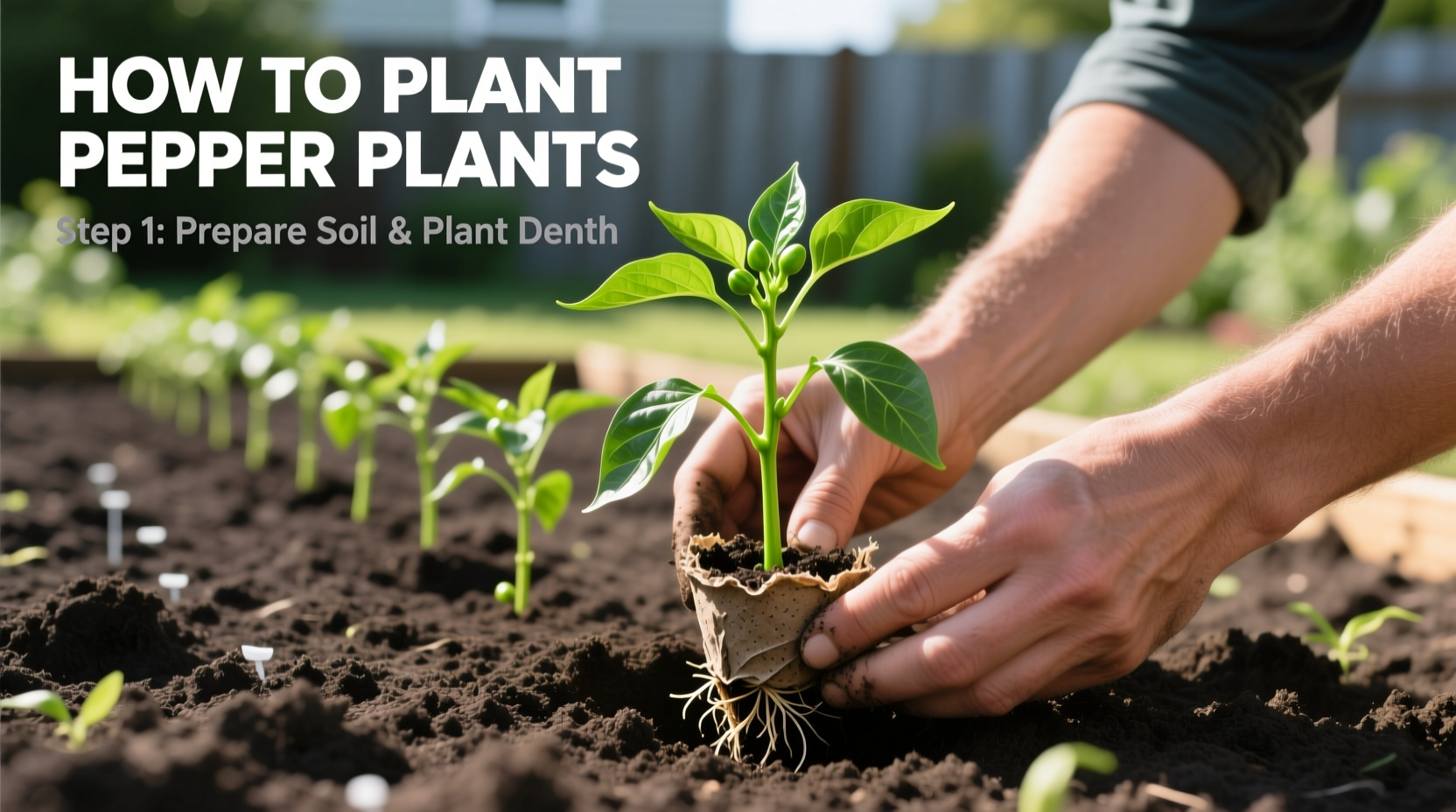
Step-by-step: how to prepare soil for gardening beginners
Follow this simple sequence. It works for new beds and refreshes old ones.
-
Test and observe
Take a soil test. Note how water drains after rain. Check for weeds that hint at compaction or poor fertility. -
Clear the area
Remove big rocks, roots, and deep weeds. Leave fine roots that will decompose. -
Loosen, don’t pulverize
Use a fork to gently loosen 8 to 12 inches deep. Lift and wiggle. Do not flip all the soil. This protects layers and soil life. -
Add organic matter
Spread 2 to 3 inches of compost over the top. In my early gardens, this one step made the fastest difference. Plants grew deeper roots and needed less water. -
Amend as needed from your test
Low nitrogen? Add compost or a gentle organic fertilizer. Low calcium with low pH? Lime helps. High pH? Elemental sulfur in small doses. -
Blend lightly
Fork or rake the top 4 to 6 inches to mix compost and amendments. Leave deeper soil mostly undisturbed. -
Shape and level
Form beds about 3 to 4 feet wide so you can reach the center without stepping on them. A flat, even surface waters better. -
Water and rest
Water well to settle the soil. If you can, let beds rest a week. Microbes get to work. Then plant.
If someone asks how to prepare soil for gardening beginners fast, this checklist is your reliable path.
Testing soil: pH, nutrients, and organic matter
A test saves money and guesswork. It tells you what to add and what to skip. Home kits are fine for a start. Lab tests give more detail on pH, phosphorus, potassium, and organic matter.
Aim for pH 6.0 to 7.0 for most vegetables. Blueberries and azaleas like more acid. Lime raises pH, sulfur lowers it. Add in small amounts and re-test over time.
Organic matter fuels soil life and improves structure. University extension research shows 4 to 6 percent organic matter is a sweet spot for many gardens. This is core in how to prepare soil for gardening beginners who want long-term results.

Building healthy soil: compost, amendments, and mulch
Compost is your best friend. It adds nutrients, improves texture, and boosts microbes. Use well-aged compost that smells earthy, not sour.
Targeted amendments can fill gaps. Use only what your test supports:
- Worm castings for a gentle nutrient boost
- Aged manure for nitrogen and organic matter
- Rock phosphate or bone meal for phosphorus
- Greensand or sulfate of potash for potassium
- Lime or gypsum for calcium (lime also raises pH)
- Elemental sulfur for pH reduction
Mulch keeps moisture, blocks weeds, and feeds soil as it breaks down. Straw, shredded leaves, and wood chips work well. Mulch paths and around perennials. This simple stack is a smart way in how to prepare soil for gardening beginners without overthinking it.

Fixing drainage and compaction
Poor drainage starves roots of air. Compaction makes it worse. The fix is simple: loosen, add organic matter, and avoid walking on beds.
- Use a garden fork to aerate compacted spots
- Add 2 to 3 inches of compost and blend the top layer
- Create raised beds if your soil stays wet after rain
- Keep paths for walking and beds for planting
When clients asked how to prepare soil for gardening beginners on heavy clay, raised beds plus compost gave quick wins. For sand, compost plus a layer of mulch slows water loss and holds nutrients.

Simple soil mixes and recipes
Use these easy guides as starting points. Adjust with your test.
Vegetable beds (in-ground or raised)
- 60% native soil
- 30% compost
- 10% drainage add-ins like coarse sand or perlite if needed
Herb beds
- 50% native soil
- 40% compost
- 10% coarse sand for better drainage
Containers
- 50% high-quality potting mix
- 30% compost
- 20% perlite or pine bark fines
Root crops (carrots, beets)
- Sift big chunks out of the top 4 inches
- Aim for light, even texture
- Keep nitrogen moderate to avoid forked roots
Acid-loving plants (blueberries, azaleas)
- Mix peat-free acidic materials with composted bark
- Test pH and aim for 4.5 to 5.5
- Mulch with pine needles or shredded bark
These simple blends support how to prepare soil for gardening beginners who want predictable, healthy growth.
Seasonal soil care plan
Good soil is not a one-time job. Keep it growing with the seasons.
Early spring
- Test soil and refresh compost
- Loosen top layer and shape beds
- Add targeted amendments based on test
Mid-season
- Top-dress with a half-inch of compost around plants
- Mulch to keep roots cool
- Spot-feed with worm castings if growth slows
Fall
- Add 1 to 2 inches of compost over beds
- Sow cover crops like clover or rye where possible
- Keep soil covered to protect structure
This rhythm is the heart of how to prepare soil for gardening beginners who want lasting fertility and fewer problems each year.
Avoid these beginner mistakes
I made most of these early on. You can skip them.
- Over-tilling into dust that collapses and crusts after rain
- Adding lime or sulfur without a test
- Using fresh manure that burns roots and spreads weeds
- Walking on beds and compacting the root zone
- Leaving soil bare, which bakes and erodes
When you keep it simple and test first, how to prepare soil for gardening beginners becomes easy, safe, and repeatable.
Frequently Asked Questions of how to prepare soil for gardening beginners
How much compost should I add to new beds?
Spread 2 to 3 inches on top, then mix the top 4 to 6 inches. More is not always better; re-test and add each season.
Can I skip a soil test the first year?
You can, but it’s guesswork. A basic test saves money, prevents mistakes, and speeds up results in how to prepare soil for gardening beginners.
How soon after adding compost can I plant?
Right away if the compost is mature and smells earthy. Water the bed, let it settle for a day or two, and plant.
What if my soil is pure clay?
Loosen with a fork, blend in 2 to 3 inches of compost on top, and use raised beds. Keep beds mulched and avoid walking on them.
Do I need different soil for containers?
Yes. Use a potting mix with compost and perlite for air and drainage. Garden soil alone compacts in pots.
Conclusion
Healthy soil is simple: test, loosen, add organic matter, and keep it covered. You now know how to prepare soil for gardening beginners in a way that is clear, proven, and easy to repeat. Start small, stay curious, and let your soil get better each season.
Go prep one small bed this week. Then tell me how it went, subscribe for more guides, and explore related resources to keep growing.

Laura Bennett is a gardening writer at MyGardenLabs who creates beginner-friendly guides focused on solving common plant care and gardening problems.