What Size Auger For Planting Bulbs: Pick The Right Fit
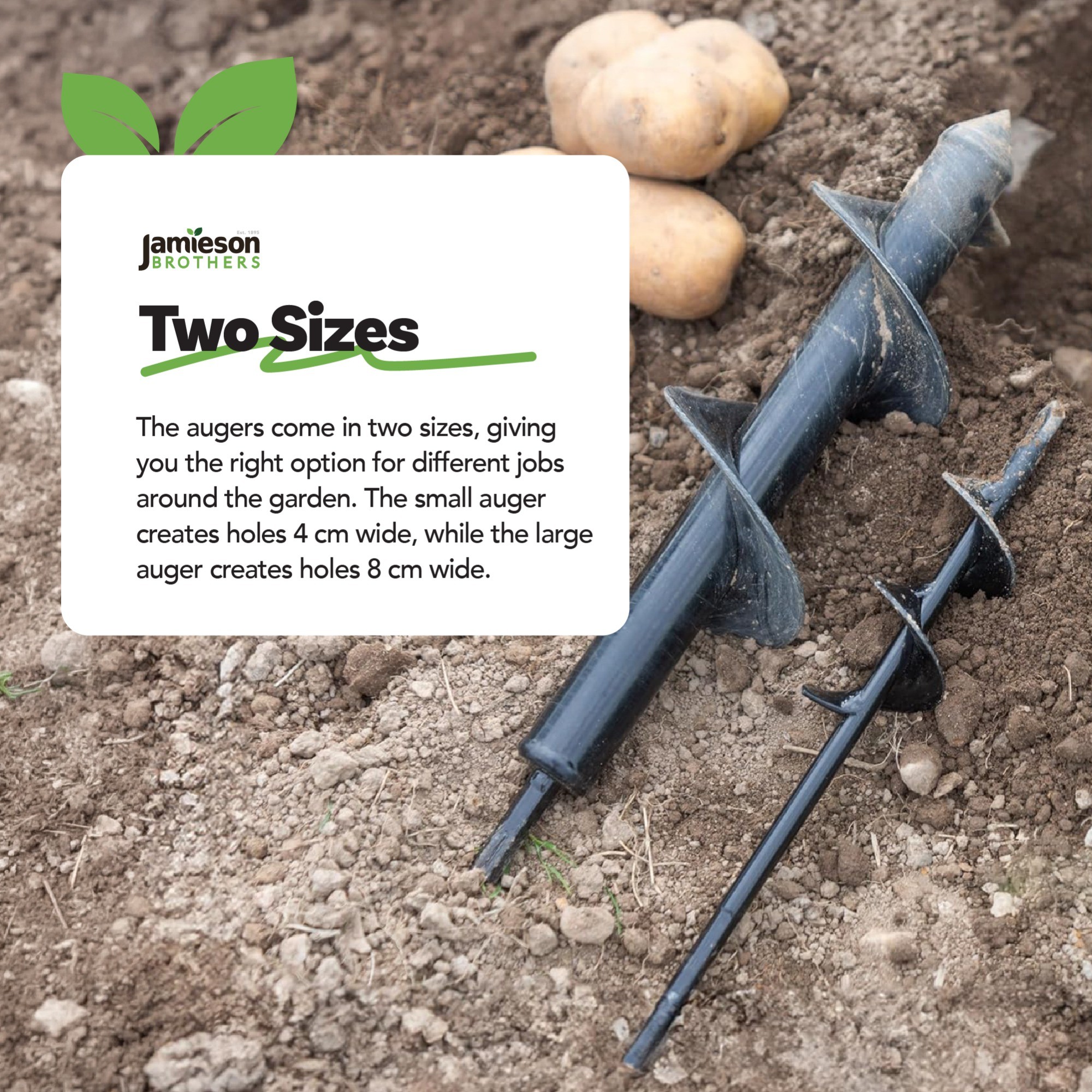
For most bulbs, use a 2 to 3 inch auger; choose 1.5 inches for small bulbs and 4 inches for large bulbs.
Choosing the right auger makes bulb planting faster, cleaner, and easier on your back. After testing different drill bits in garden beds, clay soil, and loose compost, I have found that auger diameter matters as much as planting depth. This guide explains what size auger for planting bulbs, how to match the bit to each bulb, and how to avoid common planting mistakes.
What Size Auger for Planting Bulbs?
For most home gardens, a 2-inch or 3-inch auger is the best choice. It creates a hole wide enough for common bulbs without removing too much soil or disturbing nearby roots.
The right size depends on the bulb’s width and the soil around it. A hole should give the bulb room to sit flat, but it should not be so wide that the bulb shifts or loses firm soil contact.
Use this basic guide:
• 1 to 1.5 inch auger: Crocus, snowdrops, small iris bulbs, and minor bulbs
• 2 inch auger: Tulips, daffodils, hyacinths, and small ornamental bulbs
• 2.5 to 3 inch auger: Large tulips, large daffodils, lilies, and mixed bulb planting
• 4 inch auger: Large lily bulbs, alliums, elephant garlic, and bulbs needing extra room
A 2-inch auger is often the best starting point for new gardeners. If you plant many types of bulbs, a 2-inch and a 3-inch bit will cover most needs.

How Auger Diameter Matches Bulb Size
An auger hole should be slightly wider than the bulb. This gives you enough space to place the bulb without forcing it into the soil.
For example, a tulip bulb may measure about 1.5 to 2 inches across. A 2-inch auger usually works well. A large daffodil bulb may need a 2.5-inch hole, especially in hard soil.
The hole does not need to be much wider than the bulb because bulbs do not need a large planting pocket. They need firm soil beneath them and good contact around their roots.
A useful rule is to choose an auger that is:
• About ¼ to ½ inch wider than the bulb
• Wide enough for the bulb to sit upright
• Narrow enough to keep the soil firm around the bulb
Using an auger that is too large can create loose soil around the bulb. Water may collect in that space, which can increase the risk of rot in poorly drained soil.
Best Auger Size for Common Flower Bulbs
Different bulbs vary in size and planting depth. This chart gives a practical starting point for common garden bulbs.
| Bulb | Typical auger size | Typical planting depth |
|---|---|---|
| Crocus | 1 to 1.5 inches | 3 to 4 inches |
| Snowdrop | 1 to 1.5 inches | 3 to 4 inches |
| Grape hyacinth | 1.5 inches | 3 to 4 inches |
| Tulip | 2 inches | 6 to 8 inches |
| Daffodil | 2 to 2.5 inches | 6 to 8 inches |
| Hyacinth | 2 inches | 5 to 6 inches |
| Allium | 2 to 3 inches | 6 to 8 inches |
| Lily | 3 to 4 inches | 6 to 10 inches |
| Ornamental garlic | 2 to 3 inches | 4 to 6 inches |
These depths are general ranges. Always check the planting directions for the specific variety, since bulb size and local climate can change the recommendation.
When deciding what size auger for planting bulbs, measure the bulb itself rather than relying only on its name. A large tulip bulb may need a wider hole than a small tulip bulb.
How Deep Should the Auger Hole Be?
Auger diameter controls the width of the hole. The bit’s length and the depth setting control how deep you plant the bulb.
For many spring bulbs, the standard rule is to plant the bulb at a depth equal to two or three times its height. A bulb that is 2 inches tall may need a hole 4 to 6 inches deep.
Some gardeners measure from the bottom of the bulb to the soil surface. Others measure from the bulb’s top. Because instructions can vary, use the package directions when available.
Keep these points in mind:
• Plant large bulbs deeper than small bulbs
• Place the pointed end upward
• Set flat-bottomed bulbs with the roots down
• Avoid planting too shallow in warm areas
• Avoid planting too deep in heavy, wet soil
An auger bit that is 7 to 12 inches long is useful for many bulbs. However, the full bit length is not always the working depth. Soil may compress, and the drill chuck may limit how far the bit enters the ground.
Choosing Between a Bulb Auger and a Standard Auger Bit
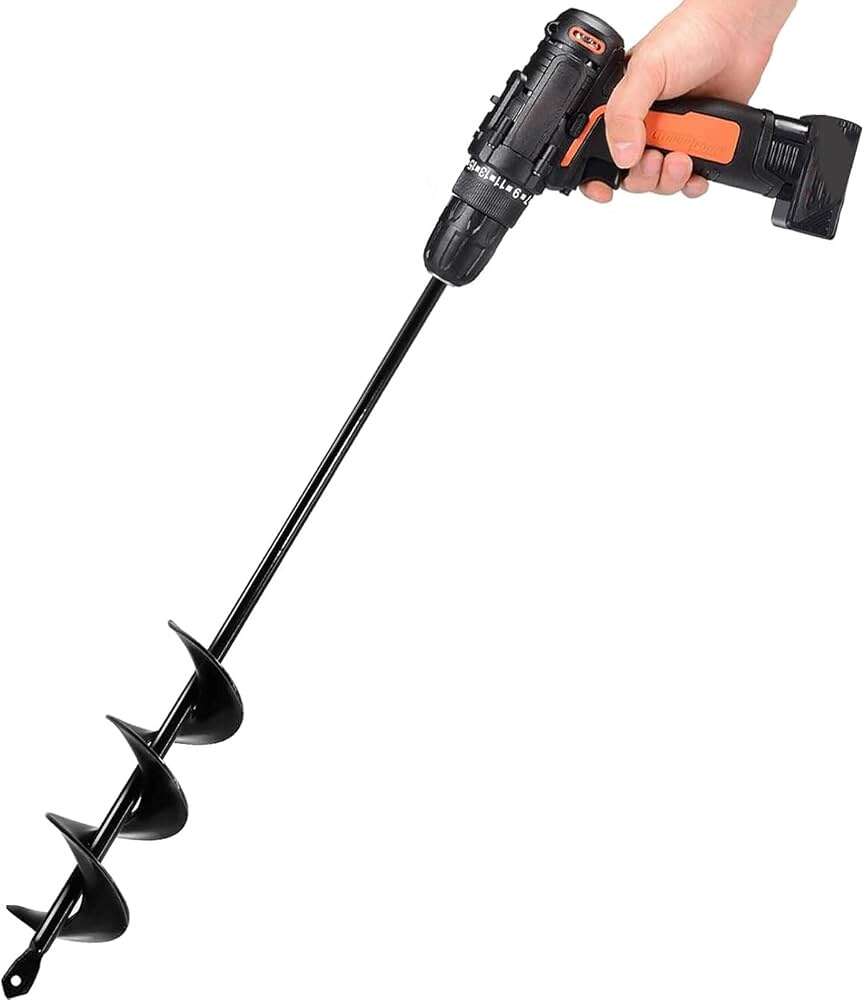
A bulb auger is made for planting. It usually has a pointed tip and a spiral shape that pulls soil upward as it turns. Many attach to a cordless drill.
A standard wood auger bit may also work, but it is not always designed for soil. Soil contains stones, roots, and hard grit that can dull a wood bit or damage the drill.
Look for these features in a garden auger:
• A strong steel shaft
• A pointed lead screw or cutting tip
• A spiral large enough to lift soil
• A length of at least 7 inches for common bulbs
• A shaft that fits your drill chuck
• A design rated for soil or garden use
Small drill bits are not a good substitute for a garden auger. They may clog quickly and create narrow holes that make bulb placement difficult.
In my own garden work, the best results came from a dedicated soil auger with a 3/8-inch shaft. It handled tulip and daffodil planting well, while a thin wood bit struggled in compacted ground.

The Best Auger Size for Different Soil Types
Soil texture affects the auger size you should use. Loose soil is easy to drill, while clay may need a slower approach and a slightly wider hole.
Sandy soil
Sandy soil drains well and usually accepts a 2-inch auger with little effort. The main concern is that the hole may collapse before you place the bulb.
Work quickly, or press a small amount of soil back into the bottom of the hole. Do not pack the soil too tightly.
Loamy soil
Loam is often the easiest soil for bulb planting. A 2-inch auger works well for tulips, daffodils, and hyacinths.
This soil holds its shape while still allowing drainage. It is also less likely to damage the bit or overload the drill.
Clay soil
Clay can become sticky when wet and very hard when dry. Do not use an auger in saturated clay because it may smear the sides of the hole and create a smooth, sealed surface.
Let the soil become slightly moist but not wet. Use a strong 3-inch auger for large bulbs, and pause often to clear packed soil from the bit.
Rocky or compacted soil
Rocks can stop an auger suddenly and twist your wrist. Use a drill with a side handle, wear eye protection, and remove large stones by hand.
In very rocky beds, a hand trowel or bulb planter may be safer than a power auger. The best answer to what size auger for planting bulbs may sometimes be no auger at all if the soil could damage the tool.
How to Use an Auger for Planting Bulbs
A few simple steps make the process safer and more accurate.
-
Mark the planting spots before drilling. Keep enough space between bulbs for mature growth.
-
Select the auger based on the bulb’s width.
-
Set the drill to low speed. High speed can overheat the bit and throw soil.
-
Hold the drill straight. A vertical hole helps the bulb sit correctly.
-
Drill to the required depth. You can place tape on the bit as a depth marker.