Can You Prune Mountain Laurel In The Fall: Timing & Tips
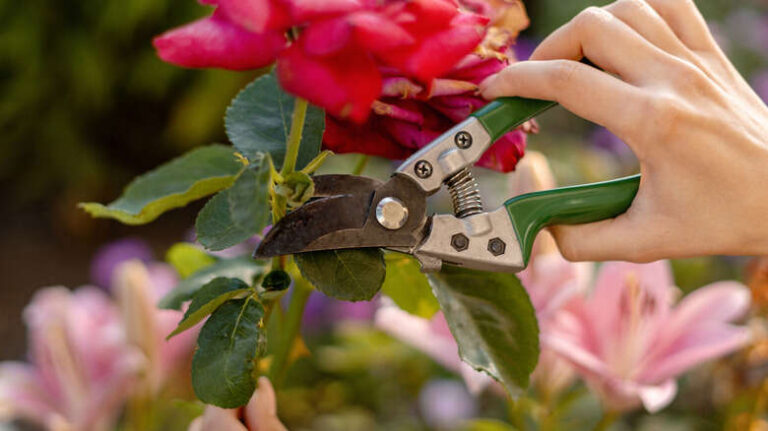
You can prune mountain laurel in the fall, but only remove dead, damaged, or hazardous branches.
The better time for major pruning is usually right after flowering, because mountain laurel forms next year’s flower buds soon after blooms fade. Knowing when and how to prune helps protect those buds, keep the shrub healthy, and maintain its natural shape. This guide explains whether you can prune mountain laurel in the fall, what cuts are safe, what to avoid, and how to handle overgrown plants.
Can You Prune Mountain Laurel in the Fall?
Yes, you can prune mountain laurel in the fall, but fall is not the best time for heavy shaping or major branch removal. Mountain laurel, or Kalmia latifolia, is an evergreen shrub that often blooms in late spring. It sets its flower buds on older growth, so pruning in fall can remove many of next year’s flowers.
Fall pruning is usually safe when you need to:
• Remove dead branches
• Cut out broken or storm-damaged limbs
• Remove diseased wood
• Trim a branch that blocks a path or touches a building
• Cut away weak growth that may break under snow
Avoid cutting healthy stems unless there is a clear reason. A light cleanup is much safer than reducing the shrub’s size in autumn.

Why Fall Pruning Can Reduce Flowers
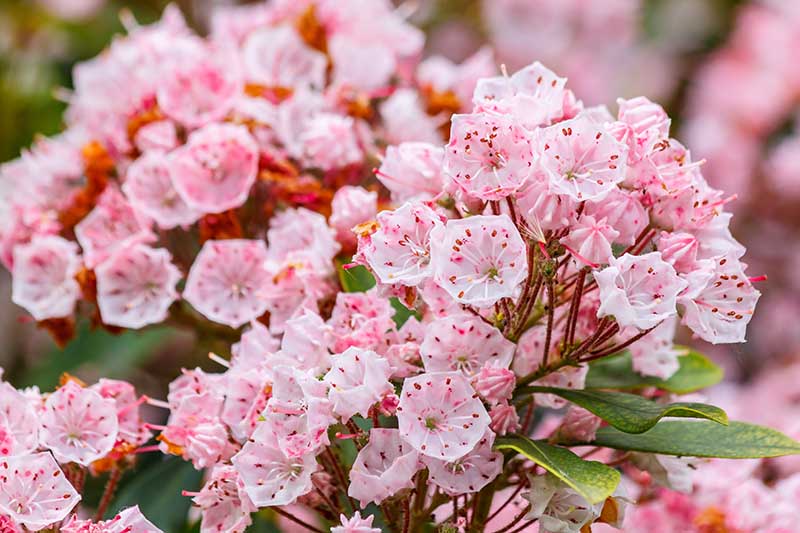
Mountain laurel flower buds develop during the summer and remain on the shrub through fall and winter. These buds open the following spring. If you cut the branch tips in autumn, you may remove the very buds that would have produced flowers.
Think of the flower buds as next year’s savings. The shrub stores them in advance, and fall pruning can spend them before spring arrives.
Heavy fall pruning may also encourage tender new growth in areas with a long, warm autumn. That new growth may not harden before freezing weather. Cold damage can then leave the shrub with brown tips, split stems, or weakened branches.
The main risks of fall pruning include:
• Fewer flowers the next spring
• New growth damaged by frost
• More stress before winter dormancy
• An uneven or unnatural shape
• Slow recovery after large cuts
For these reasons, most major pruning should wait until the flowering period ends.
The Best Time to Prune Mountain Laurel
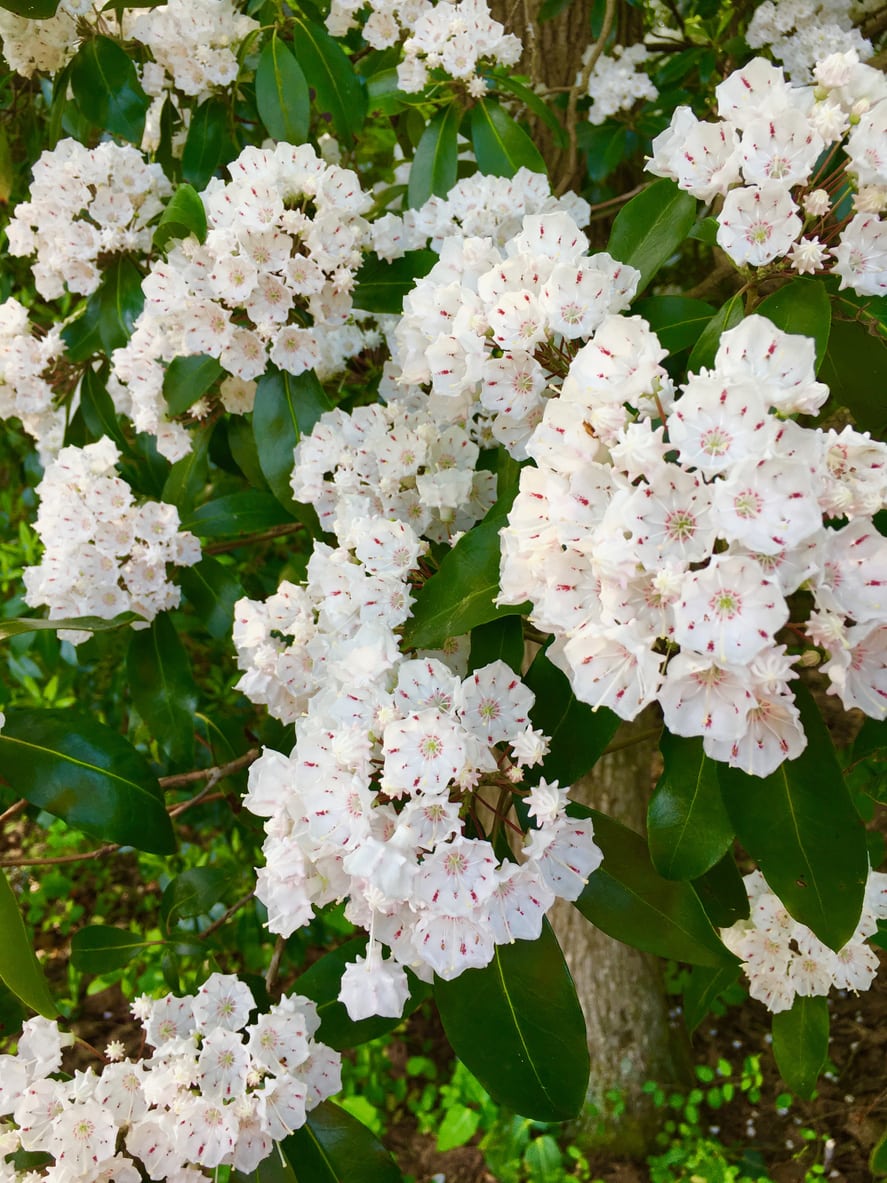
The best time to prune mountain laurel is usually right after it finishes blooming. In many areas, this means late spring or early summer. At that point, you can see which flowers have faded and shape the shrub before it sets many new buds.
Pruning soon after flowering gives the plant time to heal and produce fresh growth during the active growing season. It also lets you remove spent flowers before the shrub directs energy into seed production.
A useful seasonal guide is:
• Spring: Remove winter damage after new growth begins. Avoid cutting off developing flower buds.
• Early summer: Perform most shaping and size control after flowering ends.
• Late summer: Make only light cuts, since new flower buds may already be forming.
• Fall: Remove dead, broken, diseased, or dangerous branches only.
• Winter: Avoid pruning during freezing weather, especially on brittle branches.
The exact timing depends on your climate and the variety. In warmer regions, mountain laurel may bloom earlier. In colder areas, flowering can occur later in spring or early summer.

What You Can Safely Prune in the Fall
Fall pruning should be selective. Before making a cut, ask whether the branch is dead, damaged, diseased, or creating a safety problem. If the answer is no, it is often better to wait.
Look for these problems:
Dead branches
Dead wood is dry, brittle, and often gray or dark brown. It may snap easily when bent. Cut dead branches back to healthy wood or remove them at the branch collar.
Broken branches
Storm damage can leave jagged ends that invite decay. Make a clean cut just outside the branch collar. Do not leave a long stub, but do not cut into the trunk either.
Diseased wood
Remove branches with signs of spreading disease, such as unusual cankers, sunken bark, or progressive dieback. Disinfect your pruning tools between cuts if you suspect disease.
Crossing branches
Two branches that rub together can damage the bark over time. If one must be removed in fall, choose the weaker or less useful branch. Save broader shaping for after flowering.
Hazardous growth
Branches that touch power lines, block a walkway, or press against a roof may need immediate attention. For branches near utility lines, contact a qualified professional instead of pruning them yourself.

How to Prune Mountain Laurel in the Fall
Use sharp, clean tools and make each cut carefully. A clean cut heals more easily than a crushed or torn cut.
Follow these steps:
- Walk around the shrub and identify only the branches that need removal.
- Check each branch for living tissue before cutting.
- Remove small twigs with hand pruners.
- Use loppers for thicker branches that you can reach safely.
- Make cuts just outside the branch collar.
- Remove branches in stages if they are long or heavy.
- Step back often to check the plant’s shape.
- Clean and store your tools after the job.
Do not coat normal pruning cuts with paint or pruning sealer. These products usually do not improve healing and may trap moisture. Clean cuts and good air movement are more helpful.
When pruning mountain laurel in the fall, limit the total amount you remove. Taking out a few problem branches is usually fine. Removing one-third or more of the shrub can cause unnecessary stress, especially before winter.

Tools You Need
The right tool helps you make smaller, cleaner cuts. Dull tools can crush stems and tear bark.
Use:
• Hand pruners for young stems up to about three-fourths of an inch thick
• Loppers for branches up to about one and one-half inches thick
• A pruning saw for larger limbs
• Rubbing alcohol or a household disinfectant for cleaning tools
• Gloves and eye protection for safety
Avoid using hedge trimmers on mountain laurel unless you are maintaining a formal hedge. Hedge trimming cuts many branch tips at once. This can remove flower buds and create a dense outer shell with weak growth inside.
Mountain laurel looks best when pruned with selective cuts. Remove individual branches instead of shearing the whole plant.

Should You Prune an Overgrown Mountain Laurel in Fall?
Usually, no. An overgrown mountain laurel may need renovation, but fall is rarely the best season for a major reduction. Large cuts can expose older wood, reduce flower production, and leave the shrub more vulnerable to cold weather.
If the plant is badly overgrown, wait until after flowering. Then remove no more than about one-third of the oldest stems at a time. Cut them close to the ground to encourage new growth from the base.
A three-year renovation plan often works well:
• Year one: Remove the oldest, weakest, or most crowded stems.
• Year two: Remove another group of old stems after flowering.
• Year three: Finish the cleanup and shape the new growth.
Mountain laurel can recover from hard pruning, but it may grow slowly. Do not expect a large shrub to become full and attractive again in a single season.
A common mistake I have seen in garden maintenance is treating every woody shrub like a hedge. Mountain laurel usually responds better to patience. Small, well-placed cuts often produce a healthier plant than one dramatic haircut.

How Much Can You Remove?
For light fall pruning, remove only what is necessary. A useful rule is to keep the work below 10 percent of the plant’s total growth when possible. This is not a strict scientific limit, but it helps prevent over-pruning before winter.
For major pruning after flowering, many healthy shrubs can tolerate more. Still, avoid removing large amounts unless the plant truly needs renovation.
Never remove more than you can identify clearly. When in doubt, wait and observe the shrub through winter. A branch that looks unimportant in fall may carry many flower buds.
Large, old branches deserve special care. Use the three-cut method for heavy limbs:
- Make a small undercut several inches from the final cut.
- Make a second cut from above, slightly farther out, to remove the branch weight.
- Make the final cut just outside the branch collar.
This method prevents the bark from tearing down the trunk.
Fall Pruning and Mountain Laurel Health
Pruning does not replace basic plant care. A stressed shrub may struggle to seal wounds and prepare for winter.
Before pruning mountain laurel in the fall, check its growing conditions. Mountain laurel prefers:
• Acidic, well-drained soil
• Partial shade or filtered sunlight
• Consistent moisture without standing water
• A layer of organic mulch over the root zone
• Protection from harsh winter wind in exposed areas
Do not pile mulch against the trunk. Keep it a few inches away from the main stems to reduce the risk of rot and pest problems.
Water the shrub deeply if autumn has been dry and the ground is not frozen. Avoid heavy fertilizer late in the season, since it may encourage soft growth that is more likely to suffer winter injury.
Good care makes pruning less stressful. A healthy mountain laurel can handle a few careful cuts. A drought-stressed or diseased plant may need more conservative treatment.
Common Mistakes to Avoid
Even experienced gardeners can prune at the wrong time. Mountain laurel has a naturally attractive form, so excessive cutting is often unnecessary.
Avoid these mistakes:
• Pruning heavily in late fall
• Cutting off every faded flower during the growing season
• Using dull or dirty tools
• Leaving long stubs
• Cutting flush against the trunk
• Shearing the shrub into a tight ball
• Removing too many branches at once
• Fertilizing heavily after pruning
• Pruning during freezing or wet weather
• Ignoring branches near electrical wires
One mistake worth highlighting is removing all interior branches to “open up” the shrub. Some thinning can improve air circulation, but too much can expose the inner structure to sun and cold. Make a few thoughtful cuts rather than clearing the center aggressively.
Fall Pruning by Climate
Your location matters when deciding whether you can prune mountain laurel in the fall. The same date can bring mild weather in one region and hard freezes in another.
In mild climates, a small amount of corrective pruning may be possible in early fall. However, avoid cuts that stimulate a flush of new growth before winter rain and cold weather.
In colder climates, finish any necessary cleanup early enough for the plant to begin hardening off. Late-season cuts are more risky when freezing weather is close.
In areas with heavy snow, remove weak or damaged branches that may fail under snow load. Do not reshape the entire shrub simply because winter is coming. Support healthy branches when possible, and remove only clear hazards.
Local extension guidance can help you adjust timing for your area. Plant variety, elevation, soil, and exposure can all affect the best pruning window.
When to Call a Professional
Most light pruning jobs are simple, but some situations require professional help. Contact an arborist if the mountain laurel is very large, near a structure, or close to electrical wires.
Professional help is also wise when:
• A large branch is split but still attached
• The trunk has major decay
• The shrub is leaning toward a building
• You cannot reach the upper branches safely
• Several large limbs must be removed
• You suspect a serious disease
• The plant is part of a protected landscape or natural area
Do not climb a ladder while holding a saw or loppers. Many pruning injuries happen because people try to manage heavy branches from unstable positions.
Frequently Asked Questions About Pruning Mountain Laurel in the Fall
Can you prune mountain laurel in the fall without harming it?
Yes, light pruning is usually safe if you remove only dead, broken, diseased, or hazardous branches. Avoid major shaping because fall cuts can remove next year’s flower buds.
What is the best month to prune mountain laurel?
The best time is generally soon after flowering, often in late spring or early summer. The exact month depends on your climate and when the shrub blooms.
Can I cut mountain laurel back to the ground?
You can use ground-level cuts for a planned renovation, but this is not ideal in fall. Major rejuvenation is safer after flowering and should usually be spread over several years.
Why did my mountain laurel lose its flowers after pruning?
You may have removed flower buds that formed on older wood. Fall and late-winter pruning can reduce spring flowers because those buds were already present on the branch tips.
Should I remove faded flowers from mountain laurel?
Removing faded flower clusters after blooming can improve appearance and may help the plant direct energy toward new growth. Do this soon after flowering, before making any major shaping cuts.
Can I prune mountain laurel with hedge trimmers?
Hedge trimmers are not the best choice for a naturally shaped mountain laurel. Selective pruning preserves the shrub’s form and removes fewer flower buds.
How do I know if a mountain laurel branch is dead?
Scratch the bark lightly with a clean fingernail. Green tissue beneath the bark usually means the branch is alive, while brown, dry tissue may indicate dead wood. Test several spots because a branch can be dead at the tip but alive closer to the base.
Conclusion
You can prune mountain laurel in the fall, but keep the work light. Remove dead, broken, diseased, or unsafe branches, and save heavy shaping or renovation for the period right after flowering. This timing protects flower buds, reduces winter stress, and helps the shrub keep its natural beauty.
Use clean tools, make careful cuts, and avoid treating mountain laurel like a hedge. If your plant is badly overgrown or stands near wires and buildings, get professional help. Apply these tips this season, and share your mountain laurel pruning experience or explore more practical shrub-care guides.

Laura Bennett is a gardening writer at MyGardenLabs who creates beginner-friendly guides focused on solving common plant care and gardening problems.