How Often Should I Prune My Plants: Easy Guide
Most plants in U.S. gardens need pruning once or twice a year, but the best time depends on the plant, its growth cycle, and your goal. Remove dead or damaged growth at any time. Prune flowering shrubs after they bloom, fruit trees during dormancy, and many houseplants when they become leggy or crowded.
A good rule is simple: prune with a reason, not on a fixed calendar. The right schedule can vary by USDA hardiness zone, plant type, bloom time, and local weather.

How Often Should You Prune Different Plants?
Pruning frequency depends more on the plant than on the season. A rose, tomato plant, young tree, and indoor pothos all need different care.
| Plant type | Typical pruning schedule | Best time |
|---|---|---|
| Deciduous trees | Once a year or as needed | Late winter or early spring |
| Flowering shrubs | Once a year, if needed | After flowering or during dormancy |
| Roses | Several light sessions or one main pruning | Depends on rose type and climate |
| Fruit trees | Once a year | Late winter in most regions |
| Perennial flowers | Once or twice a year | After flowering or in late winter |
| Ornamental grasses | Once a year | Late winter or early spring |
| Houseplants | As needed, often once or twice a year | Any season with active growth |
| Herbs | Frequent light trimming | During active growth |
| Tomato plants | Weekly checks during growth | Spring through fall |
| Hedges | Two or more trims | During active growth |
These are starting points, not strict rules. A plant that grows fast may need more frequent trimming. A slow-growing plant may need almost none.
The U.S. Department of Agriculture plant hardiness zone map can help you understand your local winter conditions. However, hardiness zones do not tell you the best pruning date by themselves. Local frost dates, rainfall, plant variety, and bloom time also matter.
Prune when the plant needs it
You may need to prune sooner if you see:
- Dead, broken, or diseased branches
- Branches that rub against each other
- Growth blocking a walkway, window, or driveway
- Weak stems that cannot support flowers or fruit
- Suckers growing from the base of a tree or shrub
- Long, thin growth caused by low indoor light
- A hedge that has lost its shape
Avoid cutting healthy growth just to keep a strict schedule. Every cut removes leaves, buds, or stored energy.

When Is the Best Time to Prune Plants?
The best time to prune depends on whether the plant flowers on old wood or new wood. “Old wood” means stems that grew in a prior season. “New wood” means growth produced during the current season.
Prune spring-flowering shrubs after they bloom
Plants such as lilac, forsythia, and many weigelas form flower buds on old wood. If you cut them in late winter, you may remove the buds that would have opened in spring.
Prune these shrubs soon after flowering ends. This gives them time to grow new stems and form next year’s flower buds.
Prune summer-flowering shrubs in late winter or early spring
many summer-flowering shrubs bloom on new wood. Examples include:
- Butterfly bush
- Rose of Sharon
- Some spirea varieties
- Beautyberry
- Panicle hydrangea
These plants often tolerate pruning in late winter or early spring, before strong new growth begins. Check the plant label or a reliable extension guide first because varieties within the same group can differ.
Prune trees during dormancy
Late winter is often the safest time to prune many deciduous trees in the United States. The tree has no leaves, so you can see its structure. Wounds may also be less attractive to some pests and diseases before warm weather arrives.
Do not wait for winter if a branch is broken, dead, or dangerous. Remove safety hazards promptly, or hire a certified arborist for large or high branches.
The International Society of Arboriculture advises against topping trees. Topping removes large sections of the canopy and can create weak, poorly attached shoots.
Prune houseplants during active growth
Most houseplants can be pruned whenever they are actively growing. For many homes in the United States, that means spring and summer.
Trim indoor plants when they become:
- Leggy
- Uneven
- Too large for their container or space
- Crowded in the center
- Damaged by pests or dry air
Avoid heavy pruning when a houseplant is already stressed by cold, low light, root problems, or overwatering. Fix the stress first, then trim lightly.

A Simple Pruning Schedule by Plant Type
A plant-by-plant approach gives better results than one rule for the whole garden.
Trees
Inspect trees once or twice a year. Remove dead, damaged, or crossing branches when you find them.
For structural pruning, late winter is often a good window for deciduous trees. Young trees may need a few careful corrections as they develop. Mature trees usually need less routine pruning than many gardeners expect.
Do not remove large limbs without proper equipment and training. Tree work can cause serious injury and property damage. Use a qualified arborist for branches near power lines, roofs, or other structures.
Flowering shrubs
Most flowering shrubs need pruning once a year or less. The timing depends on when they bloom.
Use this guide:
- Blooms in early spring: prune after flowering.
- Blooms in summer: prune in late winter or early spring.
- Does not need shaping: remove only dead or weak growth.
- Overgrown shrub: reduce it gradually over two or three seasons when possible.
Avoid shearing a naturally rounded shrub into a tight box unless it is meant to be a formal hedge. Shearing cuts the outer surface and can leave dense growth on the outside with weak, shaded growth inside.
Roses
Roses often benefit from regular inspection and seasonal pruning, but the exact schedule varies by type.
In many U.S. regions, gardeners prune repeat-blooming roses in late winter or early spring. Remove dead wood, weak stems, and branches that cross. Make cuts just above a healthy outward-facing bud.
Do not apply the same method to every rose. Climbing roses, shrub roses, ramblers, and old garden roses may bloom on different types of wood.
Fruit trees
Fruit trees usually need an annual pruning plan. The goal is not only shape. Pruning also improves light, air movement, branch strength, and fruit quality.
For many apple and pear trees, late winter is a common pruning period. Stone fruits such as peaches, plums, cherries, and apricots may have different disease risks and timing needs. Local university extension guidance is useful because climate and disease pressure vary by state.
Remove:
- Dead or diseased branches
- Suckers from the trunk or roots
- Water sprouts, which are fast, upright shoots
- Branches that rub
- Growth that crowds the center
Avoid removing too much at once. Heavy pruning can trigger excessive water-sprout growth and reduce fruit production.
Perennial flowers
Cut back herbaceous perennials once or twice a year, depending on the plant and your garden goals.
Many plants can be cut near the ground in late winter or early spring. Others provide winter shelter and food for wildlife if left standing until spring.
After flowering, you can remove faded blooms to improve appearance or encourage another flush of flowers. This is called deadheading. It is a light trim, not the same as major pruning.
Herbs and vegetables
Herbs often need frequent light trimming. Pinch basil, mint, oregano, and similar herbs to encourage branching and prevent early flowering.
Tomatoes may need weekly checks during active growth. Remove yellow leaves, damaged growth, and unwanted shoots only when the variety and training system call for it. Indeterminate tomatoes often benefit from support and selective removal of suckers. Determinate tomatoes usually need less pruning.
Do not remove large amounts of healthy foliage. Leaves make the energy the plant needs for growth and fruit.

How Much Should You Prune at One Time?
For routine maintenance, remove no more than about one-quarter of a plant’s live growth at one time unless a trained professional recommends otherwise. This is a cautious guideline, not a rule for every plant.
The safe amount depends on:
- Plant age
- Plant health
- Season
- Species
- Root system
- Type of cut
- Reason for pruning
A stressed, newly planted, or drought-affected plant may recover slowly. It is usually better to make a few small cuts over time than one severe cut.
Use the three-cut method for large branches
For branches too large for a single cut, use a three-cut method:
- Make a small undercut a few inches from the branch collar.
- Make a second cut from the top, farther out, to remove most of the branch.
- Make the final cut just outside the branch collar.
The branch collar is the slightly swollen area where a branch joins the trunk or a larger limb. Do not cut flush against the trunk, and do not leave a long stub.
Large cuts should be left open. Tree wound paint is generally not needed for routine pruning and may interfere with the tree’s natural response.
Use clean, sharp tools
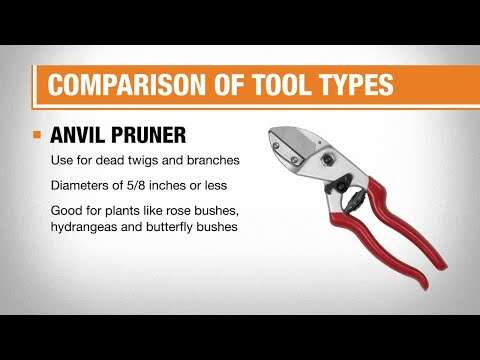
Sharp bypass pruners work well for small live stems. Loppers handle thicker branches. A pruning saw is safer for large limbs than forcing hand pruners beyond their capacity.
Clean tools between plants when disease may be present. Wipe away plant material and disinfect tools according to the product label. Wear gloves and eye protection, and keep both feet on stable ground.

Signs You Are Pruning Too Often or Too Much
Your plant may be receiving too much pruning if it produces lots of long, weak shoots but few flowers or fruits. Other warning signs include sunburned branches, slow recovery, exposed inner stems, and a thin or unnatural shape.
Common causes include:
- Shearing the same plant every few weeks
- Removing flower buds before bloom
- Cutting into old, slow-growing wood
- Pruning during heat, drought, or severe cold
- Removing too much leafy growth
- Using dull tools that crush stems
- Making cuts that leave long stubs
If this happens, stop pruning and let the plant recover. Water during dry periods according to the plant’s needs, add mulch without touching the trunk, and correct light or soil problems.
Do not fertilize heavily to force recovery. Excess fertilizer can create soft growth and may add stress. First identify the cause of the weak growth.

Common Pruning Mistakes to Avoid
The most common mistake is treating every plant as if it follows the same calendar.
Avoid these errors:
Pruning by date alone
A calendar date may work in one U.S. region but fail in another. A late frost, early spring, or warm winter can change the plant’s growth stage.
Cutting a spring bloomer in late winter
This removes flower buds from old wood. Wait until flowering ends unless the plant label gives different advice.
Topping trees
Topping creates large wounds and weak shoots. Remove a whole branch at its point of origin, or ask an arborist for help.
Making flush cuts
Cutting into the trunk or parent branch damages the branch collar. Leave the collar intact.
Leaving stubs
Long stubs can die back and invite decay. Make the final cut just outside the branch collar.
Pruning diseased plants without cleaning tools
Disease can spread from one plant to another on contaminated blades. Clean tools before moving to healthy plants.
Pruning during extreme stress
Heat, drought, flooding, frost, and transplant shock all reduce recovery. Remove hazards, but delay major shaping until conditions improve.

A Quick Decision Guide
Use this short process whenever you are unsure:
- Identify the plant. Find the exact species or cultivar if possible.
- Check when it flowers. Early spring bloomers often need pruning after flowering.
- Look for a clear reason. Remove dead, damaged, diseased, crossing, or unsafe growth first.
- Check the weather. Delay major work during heat, drought, or freezing conditions.
- Start small. Make a few clean cuts and reassess the shape.
- Watch the response. Healthy new growth, strong stems, and normal flowering suggest the timing was suitable.
- Get help when needed. Use an arborist for tall trees, power-line conflicts, or large hazardous branches.
For local advice, consult your state’s land-grant university extension service. Extension resources often provide pruning calendars for specific fruit trees, shrubs, and USDA regions.

Frequently Asked Questions
Can I prune plants at any time of year?
You can remove dead, broken, or diseased growth at any time. Delay major shaping when the plant is flowering, under drought stress, newly planted, or exposed to extreme weather.
Should I prune plants before or after flowering?
Prune spring-flowering plants after they bloom. Prune many summer-flowering plants in late winter or early spring. The key question is whether the plant flowers on old wood or new wood.
How often should I prune indoor plants?
Inspect indoor plants every few weeks, but prune only when needed. Most houseplants need light trimming once or twice a year. Remove dead leaves and damaged stems as soon as you see them.
Does pruning make plants grow faster?
Pruning can encourage new growth near a cut, but it does not solve poor light, bad soil, pests, or watering problems. Heavy pruning may produce many weak shoots instead of healthy growth.
Should I prune plants in the fall?
Fall pruning is safe for removing dead or dangerous growth. Avoid heavy pruning of many trees and shrubs in fall because it can encourage tender new growth or leave fresh wounds before winter. The best timing varies by plant and region.
When should I hire an arborist?
Hire a qualified arborist for large trees, high branches, branches near power lines, storm damage, or any job that requires climbing or a chainsaw. Never prune near power lines yourself.
Final Takeaway
Most plants do not need constant pruning. Inspect them often, but make cuts only when there is a clear reason. In general, prune spring-flowering shrubs after bloom, summer-flowering shrubs in late winter or early spring, deciduous trees during dormancy, and houseplants during active growth.
Start with dead and damaged growth, use clean tools, and make small cuts. If you are unsure, identify the plant first and use guidance from a U.S. university extension service or certified arborist.

Laura Bennett is a gardening writer at MyGardenLabs who creates beginner-friendly guides focused on solving common plant care and gardening problems.