Best Garden Tool For Ornamental Grass Cutting: Top Picks
The best garden tool for ornamental grass cutting is a sharp sickle or long-handled grass shear.
If your ornamental grass has turned into a dry, tangled mound, you know how hard it can be to cut cleanly. A weak blade bends stems, while a bulky power tool can scatter sharp leaves and damage nearby plants. I tested these hand tools with control, blade reach, comfort, and seasonal cleanup in mind. The right choice depends on grass height, stem thickness, and how close you must work around flowers. Below, I compare ten useful tools so you can find the best garden tool for ornamental grass cutting in your yard.
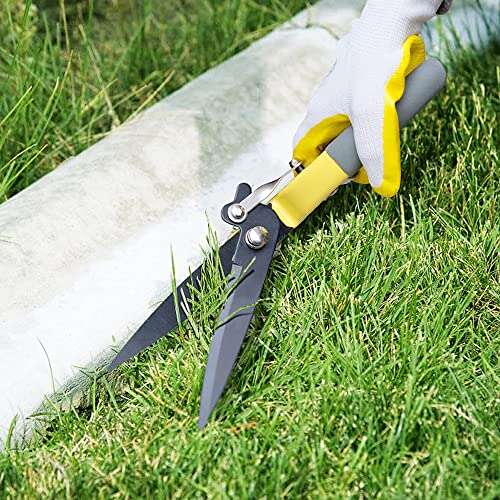
CKLT 41-Inch Border Edger

The CKLT 41-inch edger uses a tempered spring steel blade for firm cuts along beds, paths, and lawn borders. Its long shaft lets me work while standing, which helps reduce back strain during long spring cleanup jobs. The broad blade is made for slicing through turf and light grass growth rather than making fine pruning cuts. It works best when ornamental grass has spread into a border or formed a dense outer ring.
I like the extra reach around large clumps because I do not need to kneel in dry leaves. The tool also gives good foot pressure when the soil is soft enough to accept the blade. It is not a true sickle, so it will not be the fastest option for cutting a tall clump from top to bottom. Still, it can serve as the best garden tool for ornamental grass cutting when clean bed lines matter as much as removal speed.
Pros:
- Long 41-inch reach helps protect the back
- Tempered steel blade handles repeated edging work
- Useful around borders and garden paths
- Standing design reduces kneeling
- Simple manual tool needs no fuel or charging
- Good control near established plants
Cons:
- Not designed for very thick, woody grass stems
- Requires foot pressure and firm soil technique
- Less useful for tight trimming inside a grass clump
My Recommendation
I recommend the CKLT for gardeners who cut ornamental grass beside sidewalks, raised beds, and lawn edges. It is especially useful for larger landscapes where repeated bending becomes tiring. If your main goal is to remove a whole tall clump, choose a sickle instead. For shaping the border around that clump, this is a strong value and is usually easy to keep available for routine yard work.
| Best for | Why |
|---|---|
| Bed borders | The long handle gives strong reach and clear control. |
| Back-sensitive users | You can work while standing. |
| Routine edge repair | The steel blade cuts small grass growth near borders. |
Byhagern Upgraded Grass Shears

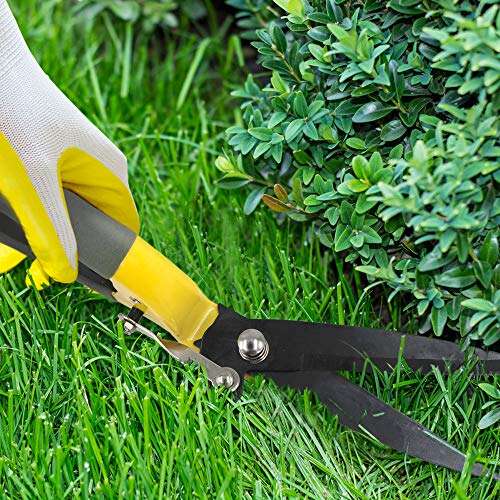
Byhagern grass shears are compact hand clippers for detail work along lawn edges and small ornamental grass plants. Their short blades offer more precision than a long cutting tool. I find this style useful when I need to remove a few brown blades without cutting healthy green growth nearby. The hand-held shape also makes it easier to see exactly where each cut lands.
These shears suit light work, not major fall renovation. Thick, dry pampas grass can quickly tire the hand if you try to cut an entire mature clump with small blades. Use a steady rhythm and avoid forcing the jaws through stems that feel woody. For small beds, touch-up cuts, and container grasses, this can be the best garden tool for ornamental grass cutting because it offers excellent control.
Pros:
- Compact size gives precise control
- Useful for small grass clumps and spot cuts
- Easy to carry around the garden
- Works well near flowers and stones
- No motor noise or battery upkeep
- Good choice for quick touch-ups
Cons:
- Slow for large ornamental grass beds
- Hand fatigue may appear during long sessions
- Small blades may struggle with thick dry stems
My Recommendation
I recommend Byhagern shears for patio gardeners, small yards, and anyone who values careful trimming over speed. They are also handy after a larger cut because they remove stray blades that stand out from the main shape. Keep them clean and dry after use, especially when cutting green growth. Their low cost and simple design make them a practical addition to a small garden tool set.
| Best for | Why |
|---|---|
| Small clumps | Short blades provide close, careful cuts. |
| Container grass | The compact body fits tight spaces. |
| Detail trimming | You can remove single brown blades with control. |
Fiskars 5-Inch Power-Lever Grass Shears

Fiskars Power-Lever grass shears use a compact lever design to help improve cutting force. The five-inch blades suit lawn edges, narrow beds, and light ornamental grass cleanup. I appreciate this type of shear when a standard scissor action feels weak. It gives a crisp cut without requiring a large tool or a noisy motor.
The shears are best for green blades and dry stems that remain fairly thin. They can handle more resistance than basic hand scissors, but they are still not a replacement for a long sickle on a six-foot grass clump. Hold the tool near the base of the target stems and make smooth cuts. For gardeners who need extra hand power in a small package, this is a reliable candidate for the best garden tool for ornamental grass cutting.
Pros:
- Power-lever action improves cutting force
- Five-inch blade reaches small grass patches
- Suitable for lawn edging and garden detail work
- Lightweight compared with long-handled tools
- Easy to store in a shed or tool box
- Good control around delicate plants
Cons:
- Not ideal for very tall or dense grass
- Requires repeated hand squeezes for large jobs
- Short reach means more bending or kneeling
My Recommendation
I recommend these Fiskars shears for users who want more leverage than ordinary grass scissors provide. They fit small and medium touch-up jobs well, especially along a driveway or flower border. They are a better match for controlled cuts than full seasonal removal. As a durable, familiar hand tool, they offer good value for gardeners who want quick access to a dependable trimmer.
| Best for | Why |
|---|---|
| Extra hand leverage | The Power-Lever design helps with resistant stems. |
| Lawn edges | The short blade makes narrow cuts neat. |
| Small to medium jobs | It balances reach, weight, and control. |
ZOOM.LZ Carbon Steel Weeding Sickle

The ZOOM.LZ sickle is built for brush clearing, weeds, and grass cutting. Its carbon steel blade gives it the reach and bite needed for tall ornamental grass. A curved sickle works by pulling the blade through a bundle, so it can cut many stems in one motion. That makes it more efficient than small shears when you face a large dry clump.
I would use this tool with gloves, eye protection, and a clear cutting path. Dry ornamental grass can hide stones, wire, and old plant stakes, so inspect the area before swinging. Keep the blade moving away from your body and never rush a cut. Among these choices, this is one of the strongest options for the best garden tool for ornamental grass cutting when speed and reach matter most.
Pros:
- Long curved blade covers more stems per stroke
- Carbon steel suits demanding brush work
- Useful for tall and dry ornamental grass
- Requires no fuel, cord, or battery
- Can clear weeds and light brush too
- Good reach around large garden areas
Cons:
- Needs careful handling and safe storage
- Can damage nearby plants if used carelessly
- May require sharpening after heavy use
My Recommendation
I recommend the ZOOM.LZ sickle for experienced gardeners who need to cut tall, dense grass without a powered machine. It is a strong choice for late-winter cutback before new growth starts. Beginners should first practice on open ground and learn a controlled pull stroke. If you respect the blade and wear safety gear, this tool offers excellent cutting speed and broad usefulness.
| Best for | Why |
|---|---|
| Large dry clumps | The curved blade gathers and cuts many stems. |
| Brush clearing | Its carbon steel blade handles light overgrowth. |
| Off-grid work | It needs no outlet, fuel, or charge. |
JARDINEER Sharp Hand Grass Shears

JARDINEER handheld grass shears are made for close lawn and garden trimming. Their compact form helps me work around stepping stones, shrubs, and flowers without bringing a large blade into a crowded space. They are useful for cutting stray ornamental grass leaves after a main seasonal trim. The simple manual action also gives instant feedback through the handles.
These shears perform best when the blades stay sharp and the stems remain within their working capacity. Do not twist the tool through a bundle, because twisting can bend stems and strain the pivot. Instead, cut small groups with smooth, even pressure. This makes JARDINEER a good best garden tool for ornamental grass cutting for careful gardeners who prefer accuracy over rapid clearing.
Pros:
- Compact shape offers close control
- Useful around rocks and plant borders
- Good for stray blades and small patches
- Simple design is easy to use
- No battery or motor creates low upkeep
- Light weight helps with quick jobs
Cons:
- Not suited to tall, heavy clumps
- Can tire the hand during long trimming
- Short reach may require kneeling
My Recommendation
I recommend JARDINEER shears for detail work and small beds. They are a sensible pick for people who want a basic hand grass cutter that stores easily. Pair them with a sickle if you maintain tall ornamental grass each year. On their own, they offer the best value for neat finishing cuts rather than full plant removal.
| Best for | Why |
|---|---|
| Fine edging | The hand-held design gives accurate blade placement. |
| Small gardens | The tool is light and easy to store. |
| Finishing cuts | It removes stray leaves after bulk trimming. |
Half Moon Adjustable Lawn Edger

This half moon edger combines a sharp saw-tooth blade with an adjustable handle. The wide footplate helps transfer body weight into the soil, while the T-grip can improve control. I find this format useful when ornamental grass has crossed into a path or when a bed needs a fresh, clean line. The adjustable length can also help different users find a more comfortable working position.
This is an edging tool first, not a stem-by-stem pruner. It cuts roots, runners, and turf at the ground, so use it around the outside of a grass clump. Avoid driving it into the crown of a plant you plan to keep. For landscape shaping and border repair, it can be the best garden tool for ornamental grass cutting when the real problem is spread rather than height.
Pros:
- Adjustable handle supports different user heights
- Wide footplate improves downward force
- Saw-tooth edge cuts soil and turf cleanly
- Useful for paths, beds, and sidewalks
- Long handle reduces bending
- Manual operation keeps maintenance simple
Cons:
- Not intended for cutting tall grass leaves
- Needs suitable soil for easy penetration
- May disturb roots if used too close to the crown
My Recommendation
I recommend this half moon edger for gardeners who need to contain spreading ornamental grass. It is especially useful beside walkways where a crisp line improves both looks and access. Use it with care around shallow-rooted plants and irrigation lines. Its adjustable handle and sturdy footplate make it a useful long-term border tool at a fair price.
| Best for | Why |
|---|---|
| Grass containment | The blade cuts turf and runners at the border. |
| Path edges | The half moon shape creates a clear line. |
| Tall users | The adjustable handle can reduce back strain. |
Fiskars Ergo Garden Hand Weeder

The Fiskars Ergo hand weeder is not a primary grass cutter, but it can help with the cleanup that follows cutting. Its shape is made for pulling weeds and roots from garden soil. After removing an unwanted grass runner, I can use a weeder to lift leftover roots near the surface. This helps stop stray growth from returning between ornamental plants.
The ergonomic handle feels more comfortable than a thin metal shaft during small jobs. Still, gardeners should understand its limits: it will not replace shears, an edger, or a sickle for cutting leaves. Think of it as a support tool in a complete grass-care kit. It may be the best garden tool for ornamental grass cutting only when the task includes root removal and bed cleanup.
Pros:
- Useful for pulling roots after grass removal
- Ergonomic handle supports a firm grip
- Helps clean small beds without chemicals
- Compact and easy to carry
- Works on weeds around ornamental grasses
- Useful beyond seasonal grass maintenance
Cons:
- Does not cut tall ornamental grass
- Works best in soil that is not rock hard
- Requires kneeling or close ground work
My Recommendation
I recommend the Fiskars Ergo weeder as a companion tool, not as your only grass cutter. It suits gardeners who remove unwanted runners or weeds around established grass. Use a sickle or shears first, then use this tool to loosen roots left in the soil. Its broader garden use gives it good value for anyone building a practical hand-tool collection.
| Best for | Why |
|---|---|
| Root cleanup | The pointed design helps lift roots from soil. |
| Weed control | It handles weeds near ornamental grass clumps. |
| Tool kits | It supports many garden tasks beyond grass work. |
GARDEN GURU Forged Steel Grass Clippers

GARDEN GURU grass clippers use a classic forged steel design with comfort-grip handles. They are made for hand edging, trimming shrubs, and cutting small patches of grass. The forged construction gives the tool a solid feel, which I value when a cheap scissor flexes under pressure. These clippers are easy to guide and work well when a clean visual finish matters.
They are best used on reachable stems and small areas. A mature fountain grass clump can contain hundreds of stiff blades, so cutting it all by hand may take time. I would use these clippers for shaping, stray growth, and areas where a powered tool feels too aggressive. For patient gardeners, this can be the best garden tool for ornamental grass cutting when comfort and finish are the main goals.
Pros:
- Forged steel gives a sturdy cutting feel
- Comfort grips help during repeated cuts
- Useful for grass, shrubs, and flowers
- Good control around delicate borders
- Quiet and simple to operate
- Suitable for detailed landscape work
Cons:
- Slow for large or tall grass clumps
- Hand use may cause fatigue over time
- Short reach requires close access to the plant
My Recommendation
I recommend GARDEN GURU clippers for gardeners who enjoy careful hand trimming and want one tool for several light tasks. They suit formal beds where a few uneven blades can spoil the look. They are not the right pick for clearing a large winter mass. For small landscapes and finish work, the strong feel and comfortable handles provide good overall value.
| Best for | Why |
|---|---|
| Formal beds | Hand control helps create a neat final shape. |
| Mixed garden work | The clippers handle grass, flowers, and shrubs. |
| Comfort-focused users | Grip handles make repeated light cuts easier. |
Fiskars 5-Inch Shear Ease Grass Shears
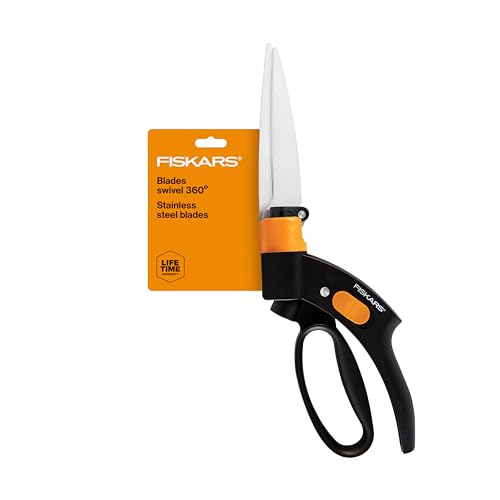
Fiskars Shear Ease grass shears are designed to help reduce sticking during cutting. That feature matters when grass fibers collect between the blades and slow the work. The five-inch size gives a useful middle ground between tiny detail scissors and a long-handled cutter. I find this style helpful for lawn edges, small ornamental grasses, and cleanup after a larger cut.
These shears work best when you keep the blade path clear and avoid oversized bundles. Their compact shape offers strong visual control, so I can trim close to a bed without sweeping into nearby flowers. They will not match a sickle for speed on tall grass, but they can be more comfortable for repeated small cuts. For low-maintenance hand trimming, they are a strong choice for the best garden tool for ornamental grass cutting.
Pros:
- Shear Ease design helps limit blade sticking
- Five-inch blades suit small garden areas
- Good control near flowers and edging
- Useful for repeated light trimming
- Quiet manual operation
- Easy to store and carry
Cons:
- Not suitable for thick woody stems
- Short handles require close work
- Large clumps take many cuts
My Recommendation
I recommend these shears for people who dislike blades that bind during grass trimming. They are a good fit for small yards, narrow borders, and finishing work. Choose a longer sickle if you cut large ornamental grasses once each year. For frequent light use, the reduced sticking and familiar Fiskars design make this a sensible buy.
| Best for | Why |
|---|---|
| Clean small cuts | The blade design helps reduce sticking. |
| Narrow borders | The short shears fit close spaces. |
| Frequent touch-ups | They are quick to grab and easy to store. |
Walensee 41-Inch Double-Edged Scythe

The Walensee 41-inch double-edged scythe is the most purpose-built option here for cutting weeds and tall grass. Its long handle gives reach, while the two-sided blade can improve the number of useful cutting angles. A scythe works with a smooth sweeping motion rather than a hard chop. Once I find the right rhythm, it can clear a broad patch with less repeated bending.
This tool needs space, patience, and safe technique. Cut only where you can see the ground, and keep people and pets well away from the swing area. It is especially useful for dormant ornamental grass before fresh shoots appear, but it can also handle light green growth. In my view, this is the best garden tool for ornamental grass cutting for large clumps when you want manual power without a gas engine.
Pros:
- Long 41-inch handle improves reach
- Double-edged blade supports broad cutting action
- Well suited to tall grass and weeds
- Manual design avoids fuel and battery costs
- Standing operation can reduce back strain
- Useful for larger open garden areas
Cons:
- Needs a clear and safe swing path
- May feel difficult for first-time users
- Requires blade care and safe storage
My Recommendation
I recommend the Walensee scythe for experienced gardeners with tall ornamental grass and open space around the plants. It gives more cutting reach than hand shears and more control than a fast power tool. Practice the motion before working near prized flowers. When used with gloves, eye protection, and sound footing, it offers excellent seasonal value and strong cutting capacity.
| Best for | Why |
|---|---|
| Large grass clumps | The long blade clears many stems per sweep. |
| Standing work | The 41-inch handle limits deep bending. |
| Manual yard care | It works without fuel, cords, or charging. |
How to Choose the Best Garden Tool for Ornamental Grass Cutting
The best tool depends on the grass, not just the product label. A short shear can make a perfect detail cut but struggle with a mature maiden grass plant. A sickle can clear a large clump fast but needs more safety awareness. I look at five key points before choosing a tool: blade type, reach, stem thickness, work area, and user comfort.
Match the tool to the grass type
Soft, narrow grasses such as blue fescue usually need only small shears. Taller grasses such as switchgrass, fountain grass, and maiden grass may have tough, dry stems. A curved sickle or scythe handles those stems better. If the plant has become woody at the base, hand shears may leave ragged cuts or require too much force.
Choose the right cutting season
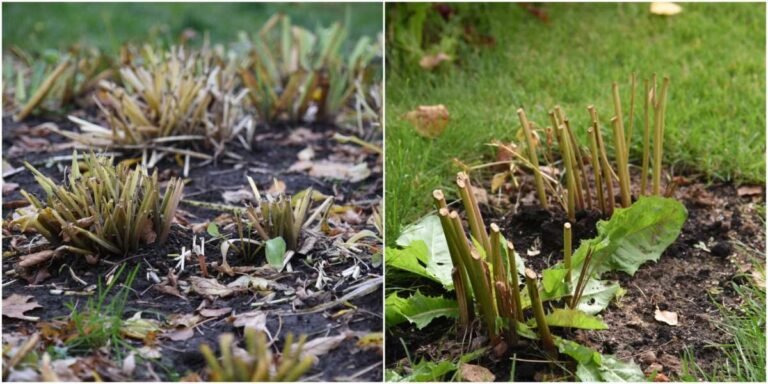
Many warm-season ornamental grasses look best when left standing through winter. Their seed heads add shape, and the dry leaves shelter small wildlife. Cut them back in late winter or early spring before new shoots rise through the old material. Cool-season grasses often need lighter trimming, since they can grow earlier and may keep green leaves through winter.
Local weather changes the best timing. In a cold region, wait until the worst winter weather passes but before strong new growth begins. In a mild region, the window may arrive earlier. University extension guidance commonly supports removing dead growth before the new season, but gardeners should protect fresh shoots and avoid cutting into the crown.
Consider reach and body comfort
Short shears force you to kneel or bend. That is fine for a few plants, but it becomes tiring across a large bed. A 41-inch edger or scythe lets you work from a standing position. Long tools also keep hands farther from sharp, dry leaves, which can scratch skin.
However, long reach does not always mean better control. A compact shear is safer around roses, young shrubs, and crowded borders. I often use one long tool for bulk work and one short tool for the final cleanup. This two-step method is faster and leaves a cleaner result.
Check safety before every cut
Dry ornamental grass leaves can have sharp edges. Wear long sleeves, sturdy gloves, closed shoes, and eye protection. Tie or bundle tall grass before cutting if the tool and plant allow it. A loose bundle can make the job easier by keeping stems together and reducing scattered debris.
Inspect the area for stones, wire, irrigation tubes, and hidden stakes. Never swing a sickle or scythe toward your legs. Keep children and pets away until the work ends. After trimming, place sharp tools in a dry location where the blade cannot contact skin or other equipment.
Keep blades sharp and clean
A sharp blade cuts rather than crushes. Clean blades after each job to remove sap, dust, and plant residue. Dry the metal before storage, then apply a light protective oil if the manufacturer permits it. Check screws and pivots for looseness before the next use.
Do not use a file or sharpening stone unless you understand the correct edge angle. A poor sharpening job can make a blade unsafe or reduce its cutting ability. Replace badly bent or cracked parts. Simple care can extend the life of a manual tool for many seasons.
Manual Tools Versus Electric Trimmers
Electric trimmers can save time on a large property, but they also bring noise, charging, cords, and more risk near stones. Manual tools give slower but more controlled cuts. They also produce no exhaust and need little maintenance. For one or two ornamental grass clumps, a hand tool is often simpler than setting up a powered machine.
A manual sickle is useful when the grass is dry and the area is open. Hand shears are better near flowers and hardscape. An edger helps when grass spreads into a path. I would not use one tool for every job. The best garden tool for ornamental grass cutting is the one that matches the plant and the space around it.
Common Mistakes to Avoid
- Cutting too late after new shoots begin to rise
- Using small shears on a large, dense clump
- Forcing a dull blade through thick stems
- Cutting into the plant crown
- Ignoring hidden stones, wires, or irrigation lines
- Working without gloves or eye protection
- Leaving wet tools in a shed
- Swinging a long blade near people or pets
FAQs Of best garden tool for ornamental grass cutting
What is the best garden tool for ornamental grass cutting?
A long-handled sickle or scythe is usually best for tall, dry ornamental grass. Small grass shears work better for short plants, narrow beds, and detail cuts. Choose based on stem thickness and the space around the plant.
Can I use regular pruning shears on ornamental grass?
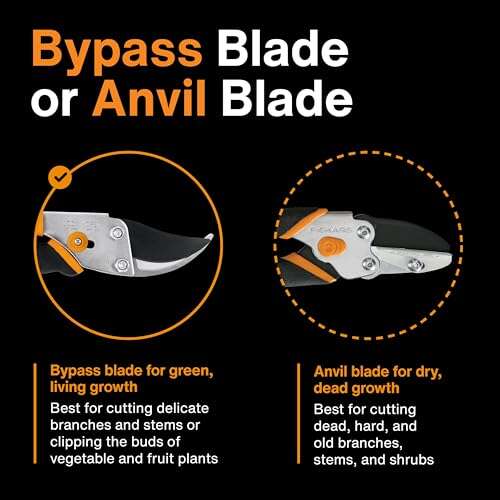
Yes, regular pruning shears can cut a few thin stems. They become slow and tiring on a large clump. For heavy seasonal cutback, use a sickle, scythe, or long grass shear instead.
When should I cut ornamental grass?
In many regions, cut dormant grass in late winter or early spring before new shoots grow through the old leaves. The exact time depends on your climate and grass type. Avoid cutting into fresh green growth.
Should I cut ornamental grass with a lawn mower?
A mower is not ideal near flower beds, rocks, or woody crowns. It can scatter dry debris and damage nearby plants. Hand tools give better control and are safer for small or mixed borders.
How can I cut tall ornamental grass safely?
Wear gloves, long sleeves, closed shoes, and eye protection. Clear the work area, bundle the stems if helpful, and cut away from your body. Keep children and pets out of the area while using a sickle or scythe.
Final Verdict: Which Should You Buy?
For large, tall clumps, I would choose the Walensee scythe. For small beds, Fiskars or Byhagern shears give better control. The Walensee is the best garden tool for ornamental grass cutting when reach and speed matter most.
Match the blade to the grass, cut at the right season, and keep it sharp. With the right tool, seasonal grass cleanup becomes safer, faster, and much neater.

Laura Bennett is a gardening writer at MyGardenLabs who creates beginner-friendly guides focused on solving common plant care and gardening problems.