What Are Anvil Pruners Used For: Uses And Best Tips
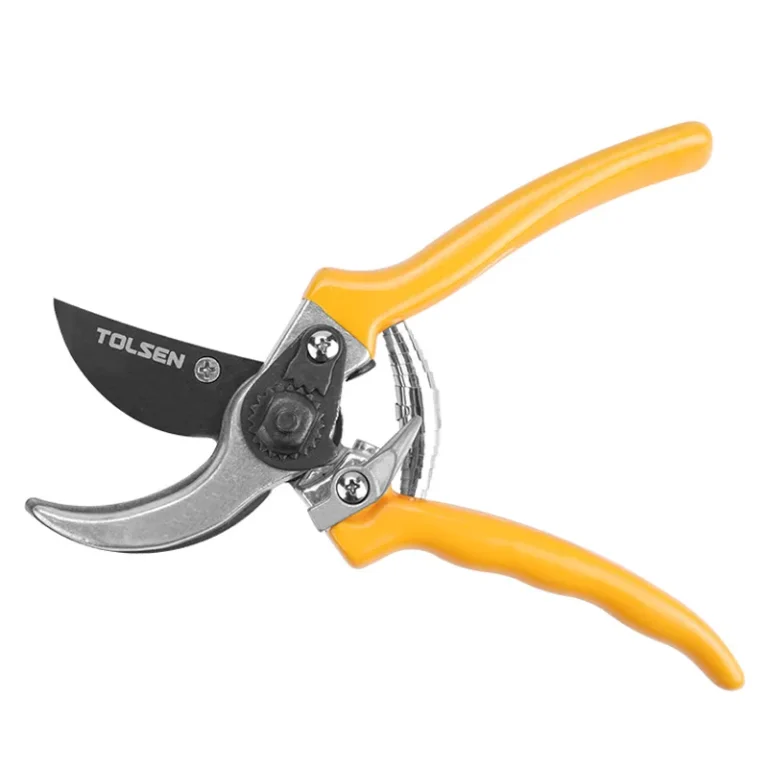
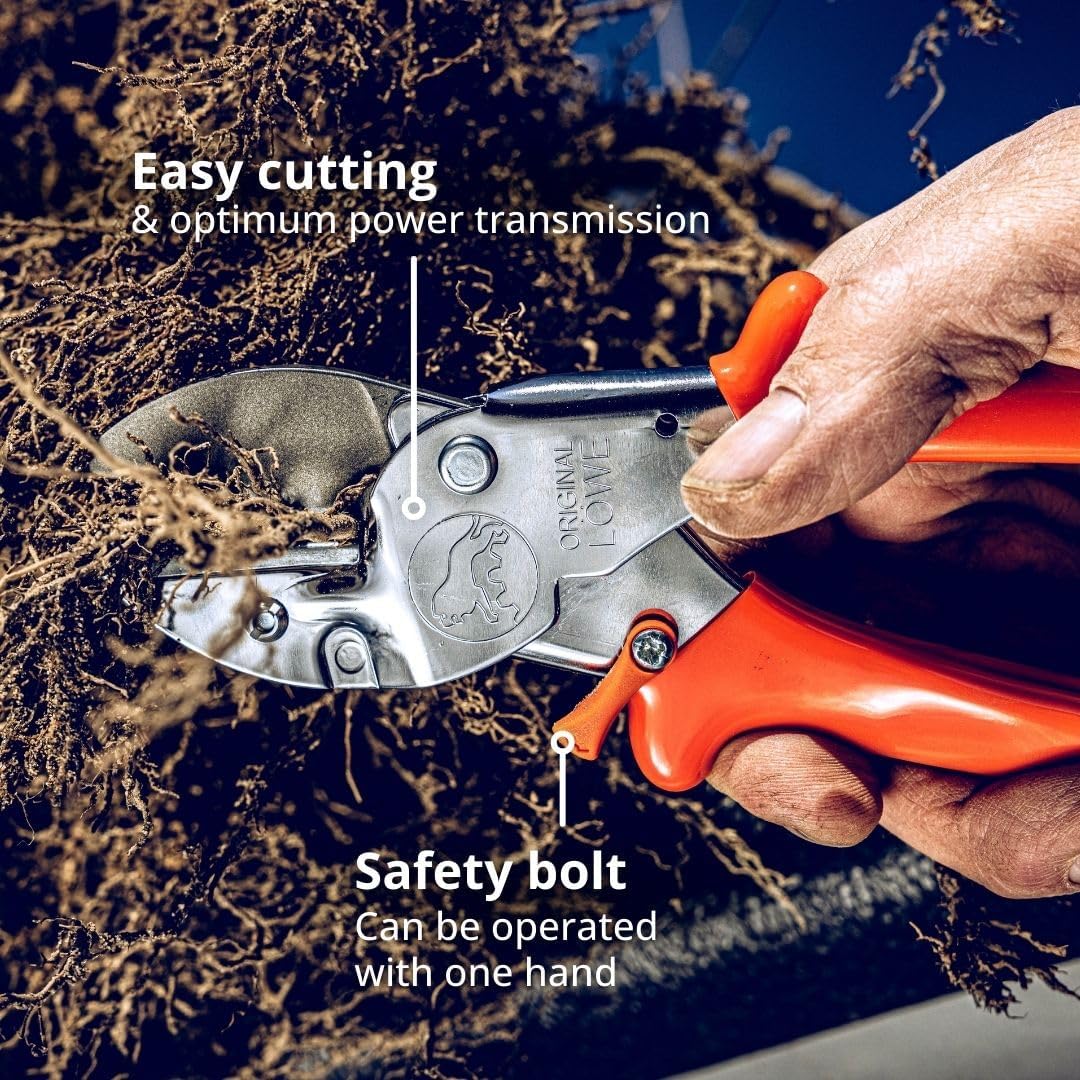
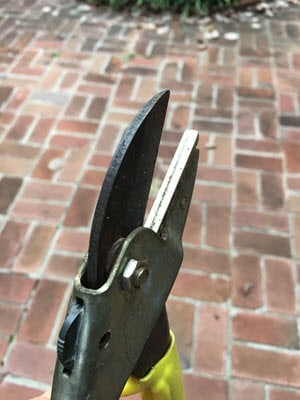
Anvil pruners are hand tools made to cut dry, hard, or dead branches. They have one sharp blade that presses wood against a flat metal or plastic surface called an anvil. This design gives strong cutting force, but it can crush soft, green stems.
For most live plants, bypass pruners are the better choice. Their curved blades pass each other like scissors and make a cleaner cut. Anvil pruners work best when you need power more than a fine cut, such as when removing dead wood, trimming dry branches, or cutting thick stems within the tool’s rated size.
This guide explains what anvil pruners are used for, when to avoid them, how to use them safely, and how they compare with bypass pruners.
What Are Anvil Pruners?
Anvil pruners have two main parts:
- A sharp cutting blade
- A flat anvil that supports the branch
When you close the handles, the blade moves down onto the anvil. The branch is held between these parts and cut by pressure from the blade.
This design differs from bypass pruners. Bypass pruners have two curved blades that slide past each other. That action is much like a pair of scissors.
The flat anvil gives the tool more support. It also spreads force across the branch. This can make anvil pruners easier to use on tough, dry wood. The trade-off is that they may crush or split green wood instead of making a clean cut.
Many anvil pruners also have a compound action. This means the blade moves through more than one pivot point. Compound models can increase cutting force, but they may also have wider handles and more parts to clean and maintain.

What Are Anvil Pruners Used For?
Anvil pruners are mainly used for cutting dead, dry, brittle, or woody plant material. Common uses include the following.
Removing dead branches
Dead twigs and branches often become dry and hard. Anvil pruners can give you the force needed to remove this material.
Use them on:
- Dead rose canes
- Dry berry canes
- Dead shrub branches
- Small dead tree twigs
- Dried flower stalks
- Old, brittle vines
First, check that the branch is within the pruner’s stated cutting capacity. Do not force a small hand pruner through a branch that needs loppers or a pruning saw.
Cutting dry stems and canes
Anvil pruners are useful for cutting back dry garden growth at the end of the season. They can also help clear old stems before new growth begins.
For example, you may use them to cut:
- Dry perennial stems
- Brown raspberry canes
- Dead ornamental grass stems
- Dry sunflower stalks
- Small woody weeds
Wear gloves when the plant has thorns, sharp edges, or brittle parts.
Cutting thick, tough stems
Anvil pruners can handle some thick stems that feel hard to cut with light bypass pruners. Their support surface helps keep the branch from moving during the cut.
Still, “thick” does not mean unlimited. Cutting capacity varies by model, blade shape, wood type, and the user’s strength. Follow the manufacturer’s limit. A branch that is too large can damage the blade, bend the anvil, or strain your hand.
breaking down small dry branches
Anvil pruners can help prepare dry branches for yard waste collection or composting. However, large or very hard branches should go to loppers, a pruning saw, or a suitable cutting tool.
Do not use anvil pruners to cut metal wire, nails, plastic, or other materials unless the tool maker says they are designed for that job.

Anvil Pruners vs. Bypass Pruners
The main difference is how the blades meet the branch.
| Feature | Anvil pruners | Bypass pruners |
|---|---|---|
| Blade action | Sharp blade presses onto an anvil | Two blades pass each other |
| Best use | Dead and dry wood | Live green stems |
| Cutting effect | May crush soft material | Usually makes a cleaner cut |
| Main strength | High pressure and support | Clean, precise cuts |
| Common risk | Crushing live stems | Less force on very hard dry wood |
Choose anvil pruners when the branch is dead, dry, or tough.
Choose bypass pruners when the branch is alive and you want to protect the cut surface. Clean cuts help limit torn bark and damaged tissue. Guidance from the University of Maryland Extension and Iowa State University Extension and Outreach favors sharp, suitable tools and clean cuts for pruning work.
A simple rule works well:
Dead wood: anvil pruners may fit. Live wood: bypass pruners usually fit better.
There are exceptions. Some gardeners use anvil pruners on live stems when the model is sharp and the cut is clean. But if the tool crushes the stem, switch to bypass pruners.
How to Use Anvil Pruners Correctly
Use anvil pruners with the blade facing the part of the branch you want to keep. This helps place the cut with more control.
1. Check the branch
Confirm that the branch is:
- Dry or dead
- Within the tool’s cutting limit
- Free from wire, nails, and other hard objects
- Stable enough to cut without sudden movement
If the branch is alive and flexible, bypass pruners may be a better choice.
2. Inspect the pruner
Before cutting, check that:
- The blade is sharp
- The anvil is not cracked
- The handles move freely
- The locking catch works
- No part is loose
Do not use a damaged tool. A loose blade can slip and cause a poor cut or hand injury.
3. Place the branch near the blade base
The area near the pivot often gives the most leverage. Place the branch deep in the cutting zone if the manufacturer allows it.
Do not place your fingers near the blade. Keep your other hand behind the cutting head.
4. Make one steady cut
Close the handles with steady pressure. Avoid twisting the pruner while the blade is under load.
If the branch does not cut, stop. Do not bounce on the handles or strike the tool. Use a larger pruner or a saw.
5. Check the cut
A good cut should not leave a long split or crushed section. If the wood is still attached, make a second controlled cut rather than tearing it away.
When cutting a dead branch from a shrub or tree, avoid removing healthy tissue. For larger tree branches, use accepted pruning methods and consider help from a qualified arborist.

When Should You Not Use Anvil Pruners?
Do not use anvil pruners as your default tool for all garden cuts. They are not the best choice for delicate or living growth.
Avoid them when:
- The stem is green and flexible
- The plant has thin, soft tissue
- You need a very clean cut
- The branch is larger than the rated capacity
- The branch contains wire or metal
- The tool cannot reach the cut safely
- The handles require extreme force
Crushing can damage the stem below the cut. It may also leave torn bark that takes longer to heal. For live roses, fruit trees, shrubs, and young shoots, bypass pruners usually offer better control.
Anvil pruners also have limits around tree work. They are not a replacement for loppers or a pruning saw. If a branch is too large for one smooth cut, choose a tool made for that size. Never climb a ladder while using a hand pruner with one hand if the cut could affect your balance.

How to Maintain Anvil Pruners
Basic care keeps anvil pruners safer and more effective.
Clean the blade
Wipe plant sap and dirt from the blade after use. Sap can make the blade sticky and may hold plant debris against the cutting head.
If you move between plants, clean the blade when disease spread is a concern. The University of Minnesota Extension recommends cleaning and maintaining pruning tools as part of good pruning practice.
Use the disinfectant method recommended by the tool or plant-care authority. Some products can damage metal if left on the blade.
Sharpen the cutting edge
A dull blade needs more force. It may also crush wood instead of cutting it.
Sharpen only the bevelled cutting edge unless the manufacturer gives different instructions. Do not sharpen the flat anvil as if it were a knife. Replace the anvil if it becomes badly worn or damaged.
Lubricate the pivot
Apply a small amount of suitable tool oil to the pivot. Open and close the handles several times, then wipe away excess oil.
Oil can collect dirt, so use only enough to keep the joint moving smoothly.
Store the tool safely
Lock the handles closed and store the pruners in a dry place. Keep the blade away from children and loose items that could catch on it.

How to Choose the Right Pruner
The best pruner depends on the plant material and the type of cut.
| Your main task | Better tool |
|---|---|
| Cutting dead, dry twigs | Anvil pruner |
| Cutting live green stems | Bypass pruner |
| Cutting thick live branches | Bypass lopper or pruning saw |
| Cutting large dead branches | Lopper or pruning saw |
| Cutting thin flowers and soft stems | Fine bypass pruner |
| Cutting thorny or brittle growth | Anvil pruner, with gloves |
Look for a comfortable grip, a secure lock, a replaceable blade or anvil, and a cutting rating that matches your work. A tool that fits your hand can reduce strain, but comfort does not make an undersized pruner safe for large branches.
Left-handed users should check the handle shape and blade position. Some designs work for either hand, while others feel more natural in one hand.
Common Mistakes With Anvil Pruners
The most common mistake is using anvil pruners on live wood simply because they feel strong. More force does not always mean a better cut.
Other mistakes include:
- Cutting branches above the tool’s rated size
- Using a dull blade
- Twisting the tool during a cut
- Leaving sap on the blade
- Cutting wire or metal
- Holding the branch close to the cutting head
- Pulling down on a branch while cutting
- Using the pruner from an unstable ladder
- Ignoring crushed or split cuts
If a cut looks crushed, stop and inspect the blade and anvil. Sharpen or repair the tool. If the branch is alive, use a sharp bypass pruner instead.

Frequently Asked Questions
Are anvil pruners better than bypass pruners?
Neither design is better for every task. Anvil pruners suit dead and dry wood because they provide strong support. Bypass pruners usually suit live stems because they make cleaner cuts.
Can you use anvil pruners on green branches?
You can, but the result may be poor. Anvil pruners may crush or split green branches. Use them only if the cut stays clean and the tool maker permits that use.
Can anvil pruners cut thick branches?
They can cut some thick branches, but the safe limit depends on the model and the wood. Check the manufacturer’s capacity. Use loppers or a pruning saw when the branch needs excessive force.
Do anvil pruners need sharpening?
Yes. A sharp blade makes the cut easier and reduces crushing. Sharpen the cutting edge as directed by the manufacturer, and replace a badly damaged blade or anvil.
Are anvil pruners good for roses?
They can cut dead rose canes, but bypass pruners are usually better for live rose canes. Wear gloves because rose thorns can cause punctures and scratches.
What is the next tool to use when an anvil pruner cannot cut a branch?
Use loppers for branches that are too large for hand pruners but still within lopper capacity. Use a pruning saw for larger branches or wood that resists a clean lopper cut.
Final Answer
Anvil pruners are used mainly for dead, dry, and tough branches. Their sharp blade presses the material against a flat anvil, which gives strong cutting force but may crush soft, living stems.
Use bypass pruners for most green growth. Use anvil pruners for dry wood, dead canes, and brittle stems within the tool’s stated capacity. Keep the blade sharp, avoid metal, and switch to loppers or a pruning saw when the branch is too large.
The next step is simple: examine the branch. If it is dry and hard, anvil pruners may be the right tool. If it is green and flexible, reach for bypass pruners instead.

Laura Bennett is a gardening writer at MyGardenLabs who creates beginner-friendly guides focused on solving common plant care and gardening problems.