How To Grow Plants Naturally Without Chemicals: Top Tips
Build living soil, choose resilient plants, water well, and welcome biodiversity.
You’re here to master how to grow plants naturally without chemicals, and you’re in good hands. I’ve grown thriving gardens in city balconies and backyard plots, all without a drop of synthetic fertilizer or pesticide. In this guide, I’ll show practical steps, share real wins and fails, and back it with research so you can grow strong, clean food and flowers with confidence.
Build living soil
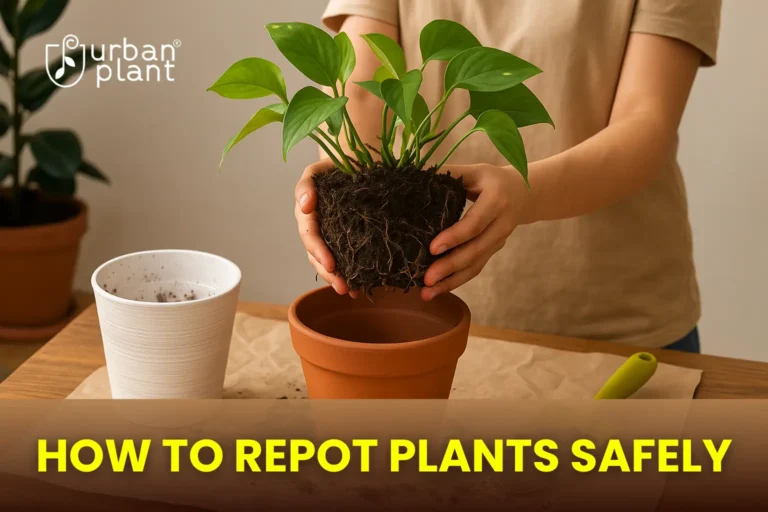
Healthy plants start with living soil. Think of soil as a busy city of microbes, fungi, and tiny insects. When that city is strong, plants feed well and resist stress. If you want to learn how to grow plants naturally without chemicals, start by feeding the soil, not the plant.
- Add compost. Mature compost adds slow, steady nutrition. It also holds water and improves structure.
- Keep soil covered. Use mulch like leaves, straw, or wood chips. Mulch stops weeds, saves water, and feeds soil life.
- Disturb less. Avoid deep tilling. It breaks fungal networks that help roots bring in nutrients.
- Test and adjust. Aim for a pH of 6.0 to 7.0 for most crops. Mix in compost to steady pH swings.
Personal tip: My first raised bed was weak and dry. After two seasons of compost and leaf mulch, worms moved in, and my tomatoes doubled in size. That is the power of living soil.
Choose the right plants and seeds
Right plant, right place. This one rule saves time and trouble. It also makes how to grow plants naturally without chemicals much easier.
- Match plants to your climate and light. Check your zone and hours of sun.
- Favor native and adapted plants. They resist local pests and bounce back faster.
- Pick disease-resistant varieties. Look for tags that note resistance to blight, mildew, or rust.
- Use open-pollinated or heirloom seeds. You can save seed and keep traits you like.
If your summers are hot and dry, try peppers, okra, and zinnias. If it’s cool and damp, choose kale, peas, and calendula. Fit the plant to the place, not the other way around.
Water the natural way
Water like rain does: slow and deep. Shallow sips make shallow roots. Deep drinks make strong roots.
- Water in the morning. Leaves dry fast and disease stays low.
- Aim for the roots. Drip lines or soaker hoses reduce waste.
- Check with your finger. If soil is dry two inches down, it’s time to water.
- Mulch to reduce loss. A thick mulch layer can cut watering in half.
In my dry summers, I water deep twice a week. Mulch keeps the top cool. Plants stay steady, and this supports how to grow plants naturally without chemicals.

Feed with compost and simple natural inputs
Plants need steady, gentle food. Compost is your best friend. It offers a balanced mix and supports microbes.
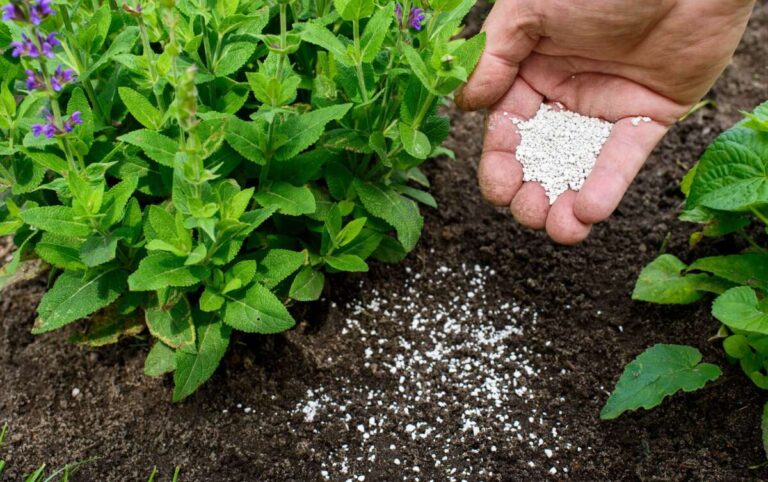
- Use finished compost around plants. One to two inches in spring and fall works well.
- Try worm castings for seedlings. It helps roots and reduces stress.
- Brew simple compost extract. Soak a small bag of compost in water for a day. Water the soil, not the leaves.
Compost is slow-release. It will not burn roots. Research shows rich organic matter boosts yield and plant health. This is a core step in how to grow plants naturally without chemicals.
Manage pests and disease without sprays
Skip the sprays. Build strength and block problems early. That is how to grow plants naturally without chemicals and still get results.
- Plant diversity. Mix flowers and herbs with crops. This invites helpful insects that eat pests.
- Use barriers. Row covers, collars on stems, and netting protect plants without harm.
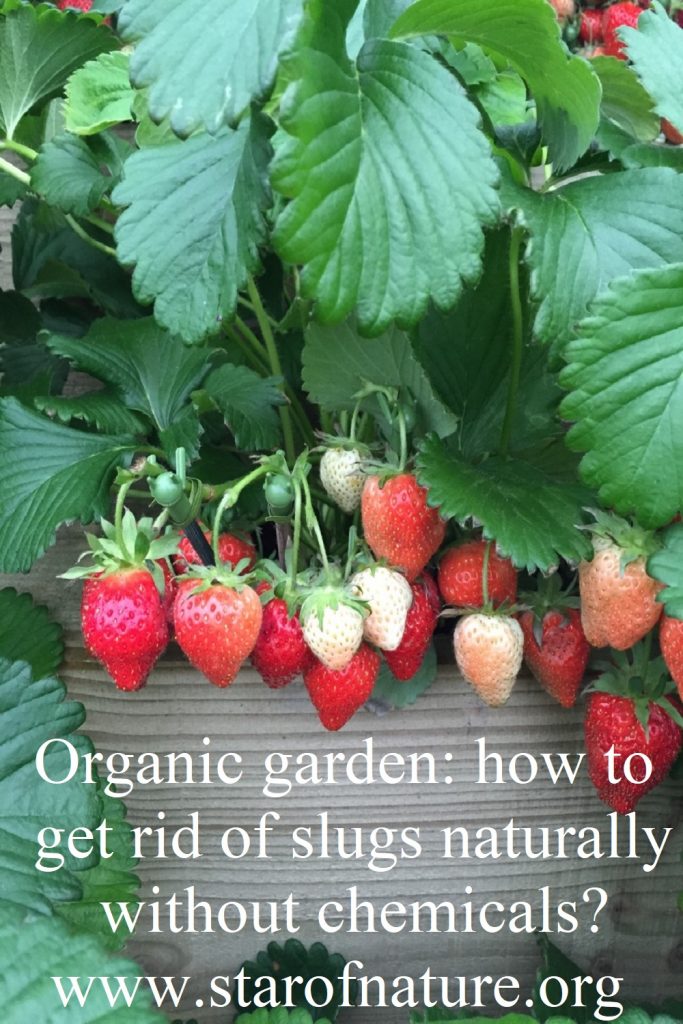
- Hand-pick and trap. Knock off beetles into soapy water. Use simple slug traps and copper tape.
- Prune for airflow. Good spacing lowers mildew and blight.
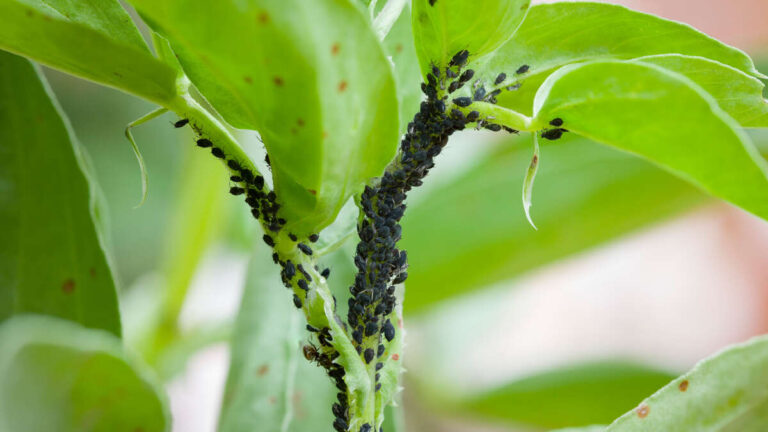
If you see aphids, do not panic. A quick water blast and a few days often bring in ladybugs. When plants are healthy, nature helps you out.

Design for biodiversity and pollinators
A diverse garden is a stable garden. More life means fewer swings and fewer problems.
- Plant for a season-long bloom. Early, mid, and late flowers keep bees around.
- Add native shrubs and perennials. They host beneficial insects and birds.
- Leave a small wild corner. Hollow stems and leaf litter make safe homes.
I keep thyme, yarrow, and sunflowers near my beds. Pollinators flock in. Yields rise, and this supports how to grow plants naturally without chemicals with less effort.

Rotate crops, succession plant, and space well
Rotation keeps soil in balance. It reduces disease and pest build-up.
- Rotate plant families every year. Follow tomatoes with beans. Follow beans with greens.
- Use succession planting. Sow small patches every few weeks. Keep harvests steady.
- Give plants proper space. Tight spacing invites disease. Read the seed packet and follow it.
Good spacing, rotation, and timing help you learn how to grow plants naturally without chemicals while keeping the garden calm and clean.

Seasonal care and simple routines
Small habits beat big fixes. A few minutes a week saves hours later.
- Walk your garden weekly. Look under leaves. Catch issues early.
- Top up mulch as it thins. Keep soil covered year-round.
- Add compost in spring and fall. Think of it as a tune-up.
- Keep notes. Track what worked and what did not.
These simple steps make how to grow plants naturally without chemicals feel easy and repeatable.

Troubleshooting: common problems, fast fixes
Even in a healthy garden, things happen. Here is how I respond.
- Yellow leaves. Check watering first. Too wet or too dry causes stress.
- Stunted growth. Improve soil with compost. Make sure plants have enough light.
- Holes in leaves. Look at night for slugs. Use barriers and traps.
- Blossom end rot on tomatoes. Keep watering even. Add compost for steady calcium.
When in doubt, slow down, observe, and adjust. This calm approach is key to how to grow plants naturally without chemicals.
Frequently Asked Questions of how to grow plants naturally without chemicals
What does “no chemicals” really mean here?
We avoid synthetic fertilizers and pesticides. We focus on compost, mulch, diversity, and simple, physical controls.
Can I still get high yields without synthetic fertilizer?
Yes. Compost, cover crops, and good watering support strong yields. Healthy soil feeds plants all season.
How do I deal with pests if I won’t spray?
Use barriers, traps, hand-picking, and plant diversity. Most outbreaks pass once natural predators arrive.
Do I need to test my soil?
It helps. A basic test shows pH and key nutrients so you can adjust with compost and organic matter.
How long until soil improves?
You can see changes in one season with mulch and compost. It keeps getting better every year.
Will mulch attract pests?
Not if used well. Keep mulch a few inches from stems and avoid soggy piles.
Can I make compost in a small space?
Yes. Use a sealed bin or a small worm bin. Feed with kitchen scraps and dry leaves.
Conclusion
Growing clean, healthy plants is simple when you work with nature. Build living soil, choose the right plants, water deep, and welcome diversity. Small, steady steps beat quick fixes.
Start today. Add compost, lay mulch, and plant a mix of herbs and flowers. Your garden will thank you with strong growth and steady harvests. Want more tips on how to grow plants naturally without chemicals? Subscribe, share your wins and questions, and let’s grow better together.

Laura Bennett is a gardening writer at MyGardenLabs who creates beginner-friendly guides focused on solving common plant care and gardening problems.