How To Grow Plants In Shade Areas: Best Guide For 2026
Choose shade-loving plants, enrich the soil, and manage moisture and light.
Shade is not a dead zone. It is a gentler canvas. I’ve spent years turning dim corners into lush, calm spots that thrive. This guide shows how to grow plants in shade areas step by step, with clear tips, research-backed advice, and lessons I learned the hard way. If you want real results, stay with me—I’ll make how to grow plants in shade areas simple and doable for any yard, balcony, or porch.
:strip_icc()/hosta-87f1ec11-c2583f7a4f8d4f7693831fc34f8dac53.jpg)
Understand Your Shade: Types, Seasons, and Patterns
Shade is not one thing. It changes by the hour, season, and the trees above. If you want to know how to grow plants in shade areas, first learn how much light your space gets.
Use this quick test. Stand in the spot at 9 a.m., noon, and 3 p.m.
- Full shade means less than 2 hours of direct sun.
- Part shade means 2 to 4 hours of direct sun.
- Dappled shade means moving light through leaves, often ideal.
Track light for a week in spring and again in summer. Light shifts as the sun rises higher. A cheap light meter or a phone app helps. If you master shade types, you master how to grow plants in shade areas.
Plan Your Site: Soil, Airflow, Roots, and Water
Before you plant, look under the surface. Tree roots can be heavy drinkers. Airflow can be weak. These two issues decide a lot of success with how to grow plants in shade areas.
Check these points:
- Drainage: Dig a small hole and fill it with water. If it drains in 2 to 4 hours, you are good.
- Compaction: If soil is hard like a brick, add organic matter. Avoid deep tilling under trees.
- Roots: Plant between major roots. Use shallow, wide holes.
- Air: Still air boosts disease. Give space between plants for airflow.
I learned this in a maple-shaded bed. Plants sulked until I mulched and spaced them well. Once airflow improved, powdery mildew dropped. Small tweaks matter when you plan how to grow plants in shade areas.
:strip_icc()/heuchera-midnight-bayou-2af3c0c3-d7f31fd6147449d384e2f35f6ee72718.jpg)
Build Better Shade Soil
Shade soil stays cooler and can hold water longer. It also fights for nutrients with tree roots. To succeed at how to grow plants in shade areas, improve the soil each season.
Do this:
- Add 2 to 3 inches of compost or leaf mold in spring and fall.
- Keep mulch 3 inches deep, but pull it 3 inches away from stems.
- Test soil pH every 2 to 3 years. Many shade plants like slightly acidic soil.
- Avoid deep digging near trees. Spread compost on top and let worms work it in.
Research shows organic matter improves structure, moisture balance, and microbial life. In my beds, leaf mold made ferns fuller and hostas richer in color within one season. Soil is the engine behind how to grow plants in shade areas.

Choose Plants That Love Shade
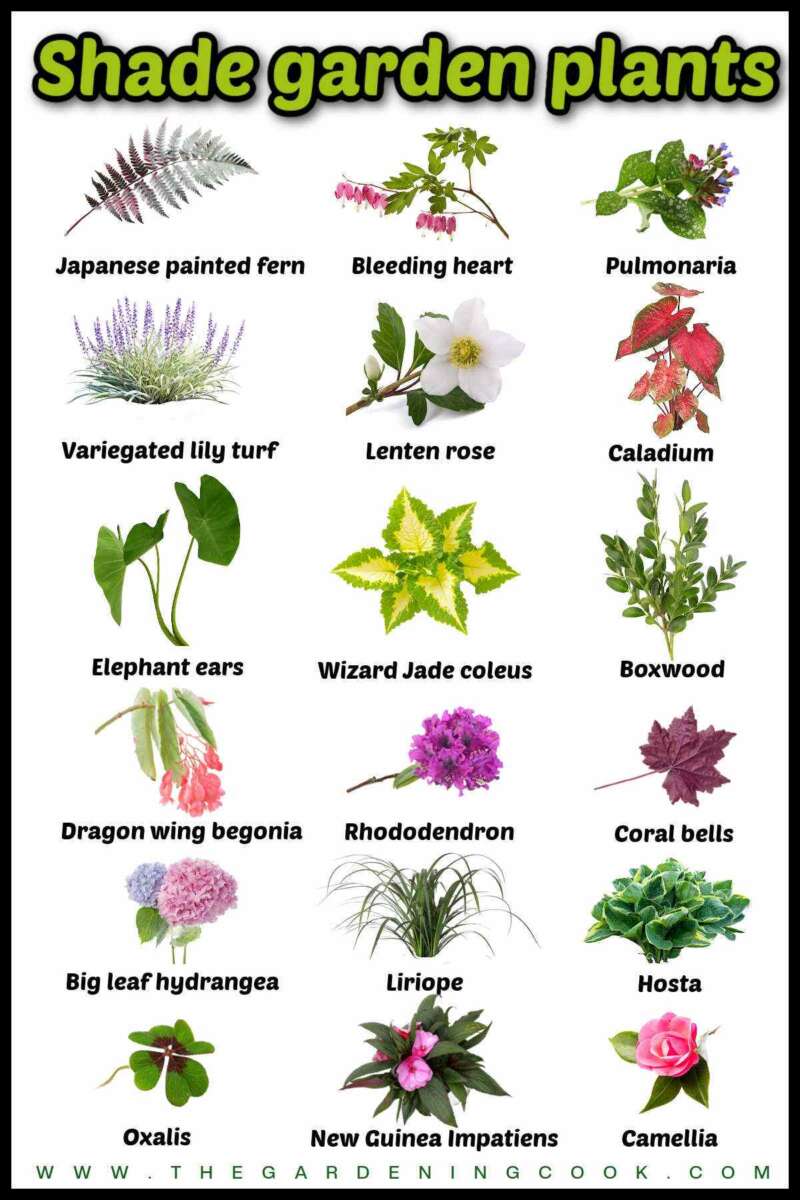
Picking the right plants makes shade easy. The best answer to how to grow plants in shade areas is to grow plants built for it.
Great picks by group:
- Shrubs: Hydrangea, camellia, azalea, mountain laurel, Oregon grape.
- Perennials: Hosta, heuchera, astilbe, hellebore, lungwort, bleeding heart.
- Ferns: Lady fern, Japanese painted fern, Christmas fern.
- Groundcovers: Lamium, sweet woodruff, pachysandra, wild ginger.
- Annuals: Impatiens, coleus, begonias, torenia, caladium.
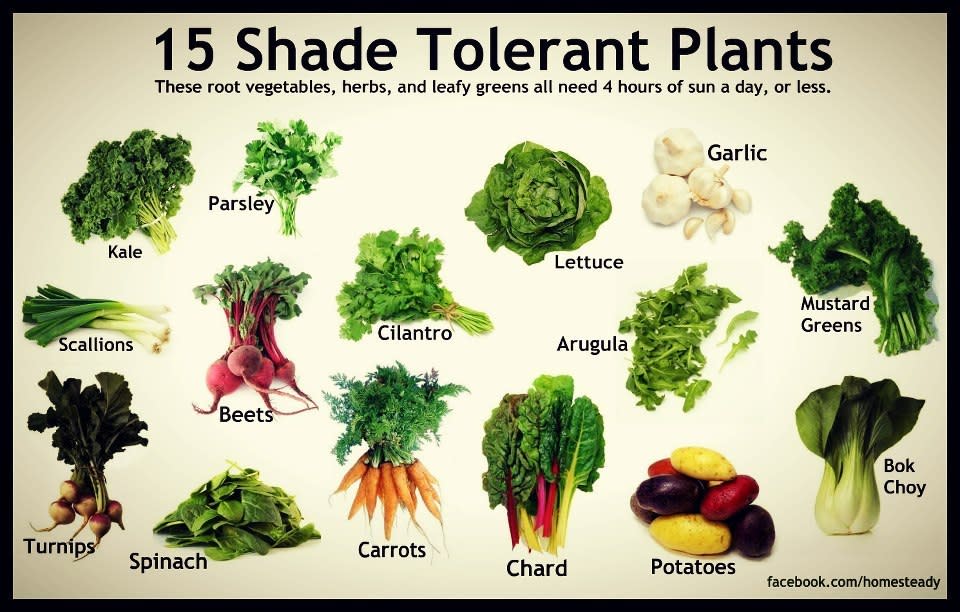
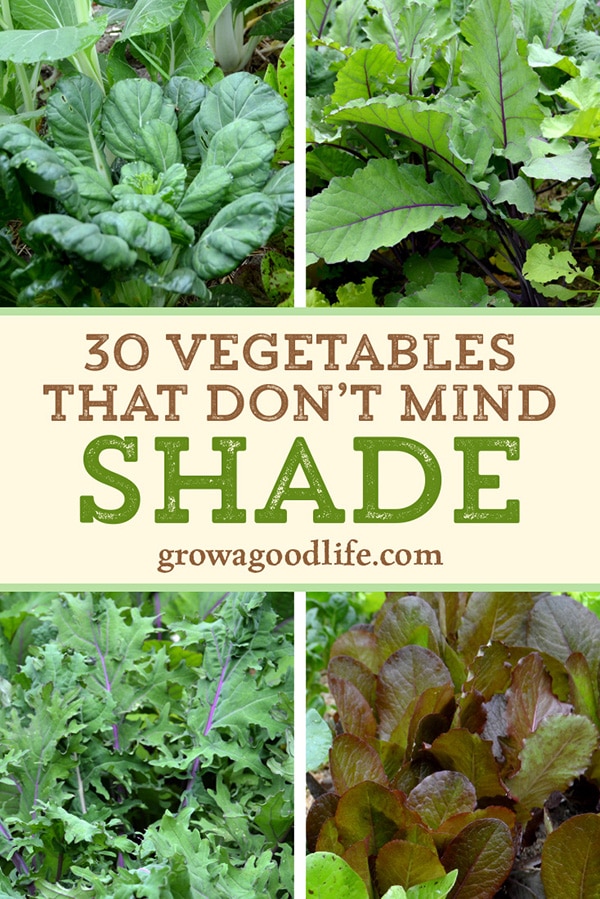
- Edibles: Lettuce, spinach, arugula, mint, cilantro, chives.
Tip: Mix textures. Ferns add air. Hostas add big leaves. Heuchera adds color. When people ask how to grow plants in shade areas, I tell them to match plant to light first, style second.
:strip_icc()/astilbe-de2ee3f7-0078f2ed57ac4b0ab115e5df8ed70583.jpg)
Planting Techniques That Work in Low Light
Plant on a day with mild weather. Soak the root ball. Dig a hole twice as wide as the pot, but not deeper.
Follow these steps:
- Set the plant level with the soil surface.
- Backfill with native soil mixed with compost.
- Water well to settle roots.
- Finish with mulch, leaving space at the stem.
Under trees, go wide and shallow. Build gentle berms if soil is thin. This simple method makes how to grow plants in shade areas more reliable and less risky.
:max_bytes(150000):strip_icc()/vegetables-thrive-in-shade-lead2-getty-0723-887d71d001a84e62b74c6b3b98db4f2f.jpg)
Watering and Feeding in Shade
Shade dries slower, but roots still need steady moisture. Tree roots can outcompete your plants. That is why timing matters when learning how to grow plants in shade areas.
Use this plan:
- Water deeply, less often. Aim for moist, not wet soil.
- Use drip lines or soaker hoses to avoid wet leaves.
- Check moisture with your finger down to the second knuckle.
- Feed light. Use slow-release or compost. Too much nitrogen makes weak, floppy growth.
Trials show slow, deep watering builds stronger roots and lowers disease. I set my drip to run long but rare. Growth became steady and leaf color improved.
:max_bytes(150000):strip_icc()/great-shade-plants-for-container-gardens-847944-08-31551015d3214bc5b2bfcad041e8a891.jpeg)
Ongoing Care: Prune, Mulch, and Keep Air Moving
Sun is not the only lever. Light pruning of overhead branches can invite dappled sun. Never top trees. Hire a pro for big cuts.
Keep up with these habits:
- Refresh mulch each spring.
- Remove disease-prone leaves fast.
- Space plants to avoid leaf-to-leaf contact.
- Hand-pick slugs or use traps.
I learned the hard way that crowded beds get mildew. A little space and clean edges made how to grow plants in shade areas much easier.
Shade in Containers and on Balconies
Containers shine in low light. You can move them, tweak soil, and water on cue. This is a great way to practice how to grow plants in shade areas.
Tips for success:
- Use a high-quality potting mix, not garden soil.
- Pick larger pots to buffer moisture swings.
- Try self-watering planters for even moisture.
- Mix thriller, filler, spiller plants: coleus, impatiens, ivy.
On a north balcony, I rotate pots every two weeks for even growth. Reflective walls or light-colored pots boost brightness a bit.
Design Tips: Color, Texture, and Year-Round Interest
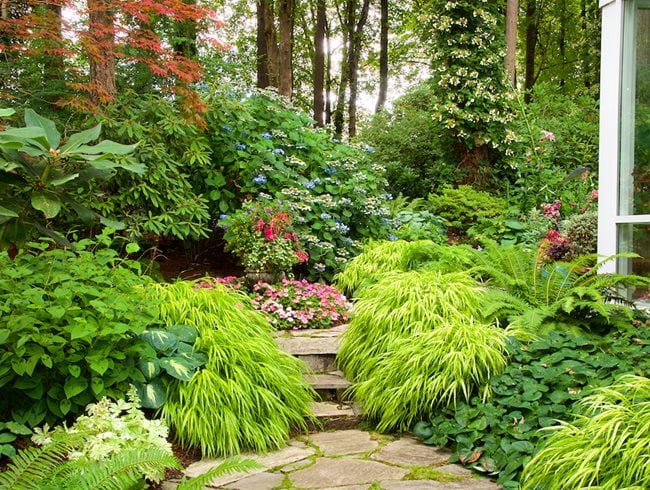
Shade gardens glow with texture and contrast. Large leaves next to feathery fronds create depth. White and pastel flowers glow at dusk.
Design moves I use:
- Variegated foliage to brighten dim corners.
- Bold leaves near paths for drama.
- Evergreen structure for winter bones.
- Stones, wood, and gravel as calm anchors.
These choices do more than look nice. They guide the eye, making small shade spaces feel rich. This is the art part of how to grow plants in shade areas.
Seasonal Calendar and Checklist
A simple plan keeps shade gardens on track. Use this quick calendar to manage how to grow plants in shade areas across the year.
Spring:
- Add compost and renew mulch.
- Plant perennials and early greens.
- Divide hostas and ferns.
Summer:
- Water deeply during dry spells.
- Deadhead annuals to keep blooms coming.
- Watch for slugs after rain.
Fall:
- Plant shrubs and many perennials.
- Top-dress with leaf mold.
- Clean up spent leaves to reduce disease.
Winter:
- Protect tender crowns with light mulch.
- Plan upgrades and review notes.
- Prune trees while dormant if needed.
Troubleshooting Common Shade Problems
Even the best plans need fixes. Here is how to solve the most common snags in how to grow plants in shade areas.
Leggy growth:
- Cause: Too little light or excess nitrogen.
- Fix: Move to brighter shade, prune tips, reduce feeding.
Yellow leaves:
- Cause: Poor drainage or hungry roots.
- Fix: Improve soil, add compost, adjust water.
Sparse blooms:
- Cause: Plant not suited to your shade level.
- Fix: Switch variety or increase dappled light.
Slugs and snails:
- Cause: Cool, moist cover.
- Fix: Hand-pick, use beer traps, remove hiding spots, try barriers.
Fungal spots:
- Cause: Wet leaves, tight spacing.
- Fix: Water at soil level, increase airflow, remove infected leaves.
These small changes add up fast. They can turn a dull corner into a lush, low-stress space. That is the heart of how to grow plants in shade areas.
Frequently Asked Questions of how to grow plants in shade areas
What grows best in deep shade?
Try ferns, hellebores, wild ginger, and hostas. Add texture with Japanese painted fern and evergreen groundcovers.
Can I grow vegetables in shade?
Yes, leafy greens do well. Lettuce, spinach, arugula, and herbs like mint and cilantro can thrive.
How often should I water shade plants?
Water when the top inch is dry. Use deep, slow watering and keep leaves dry to prevent disease.
Do I need special soil for shade?
You need rich, well-drained soil with lots of organic matter. Compost and leaf mold work wonders.
How can I get more light without cutting a tree down?
Thin small branches to create dappled light. Use light-colored hardscape to reflect brightness and place plants in the brightest part of the shade.
Conclusion
Shade can be a gift. With the right plants, better soil, and steady care, you can turn dim spaces into calm, green rooms. Start small today: pick two shade lovers, add compost, and set a deep-watering routine.
Use what you learned here and share your wins. Subscribe for more guides, ask a question, or drop your own tips in the comments. Your journey with shade starts now.

Laura Bennett is a gardening writer at MyGardenLabs who creates beginner-friendly guides focused on solving common plant care and gardening problems.