How To Save Seeds For Next Season: Best Guide 2026
Choose open-pollinated plants, harvest mature seeds, dry well, label, and store cool.
If you want a steady flow of strong, true-to-type plants, you need a simple, reliable system. This article shows how to save seeds for next season with clear steps, pro tips, and hard-won lessons. I’ve saved seeds for years in home gardens and small plots, and I’ll help you do it with confidence.

Why seed saving matters and the core principles
Seed saving keeps your best traits. It cuts costs. It builds a garden that fits your climate and taste. And it links you to local resilience and flavor. If you want to know how to save seeds for next season, start with a few simple rules.
Core principles to remember:
- Save from open-pollinated or heirloom plants. Hybrids do not grow true from seed.
- Choose your healthiest, most vigorous plants. You are breeding your own line.
- Let seeds reach full maturity. Immature seeds have poor germination.
- Dry seeds well. Moisture is the top reason for failure.
- Store cool, dark, and dry. Label everything.
Think of seeds like living time capsules. Treat them well now, and they reward you later. Master these basics and you already know how to save seeds for next season.
Know your plant types before saving seeds
Understanding plant types prevents surprises. It also keeps your saved seed pure and reliable.
Open-pollinated and heirloom vs hybrid
- Open-pollinated and heirloom plants make seeds that grow true. This is ideal for how to save seeds for next season.
- Hybrid seeds (F1) come from two distinct parent lines. Their saved seeds are unpredictable.
Self-pollinated vs cross-pollinated
- Self-pollinated: tomatoes, peas, beans, lettuce. These are easy. They rarely cross.
- Cross-pollinated: squash, cucumbers, melons, corn, carrots, beets, brassicas, peppers. These can cross with nearby varieties.
Isolation and purity
- Keep one variety flowering at a time, or space them apart.
- Bag flowers, hand-pollinate, or use caging to control pollen.
- Wind-pollinated crops like corn need more distance. In small gardens, plant only one corn variety for seed.
For how to save seeds for next season, choose self-pollinating crops first. Then try cross-pollinated plants as your skills grow.
Plan your garden for seed saving
A little planning saves months of regret. Map space, timing, and variety choice.
Steps that work:
- Pick open-pollinated varieties you love. Grow enough plants for a good gene pool.
- Note bloom times to avoid overlaps in cross-pollinated crops.
- Set a “seed row.” Do not harvest from it for eating; let it mature.
- Choose the best plants early. Tag them to remind yourself.
Personal tip: I tag my seed plants with bright ribbon. It keeps me from picking the best pods for dinner by accident. Planning is half of how to save seeds for next season.
How to harvest seeds by crop type
Here is how to save seeds for next season from common crops. The steps are simple and repeatable.
Dry-seeded crops
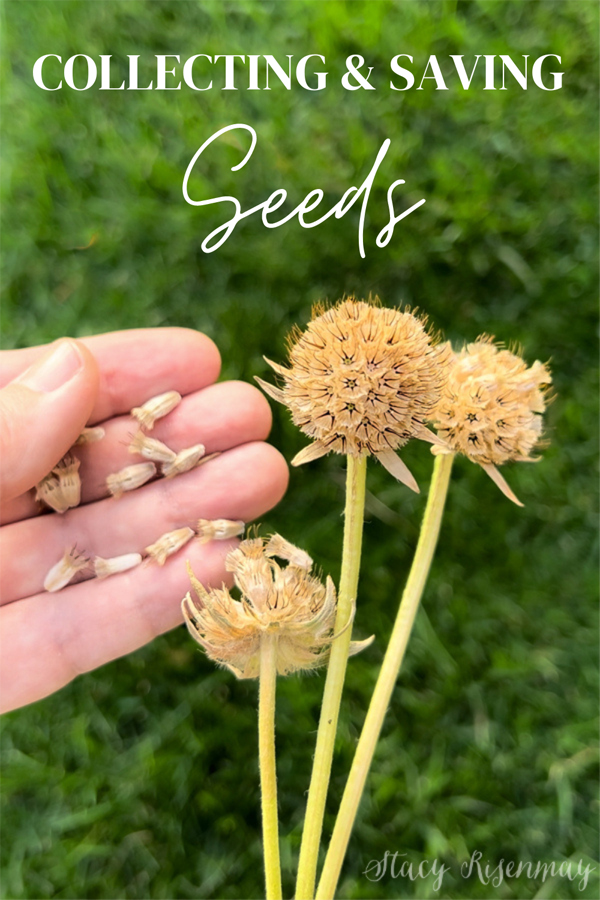
Beans, peas, lettuce, brassicas, many herbs, and flowers:
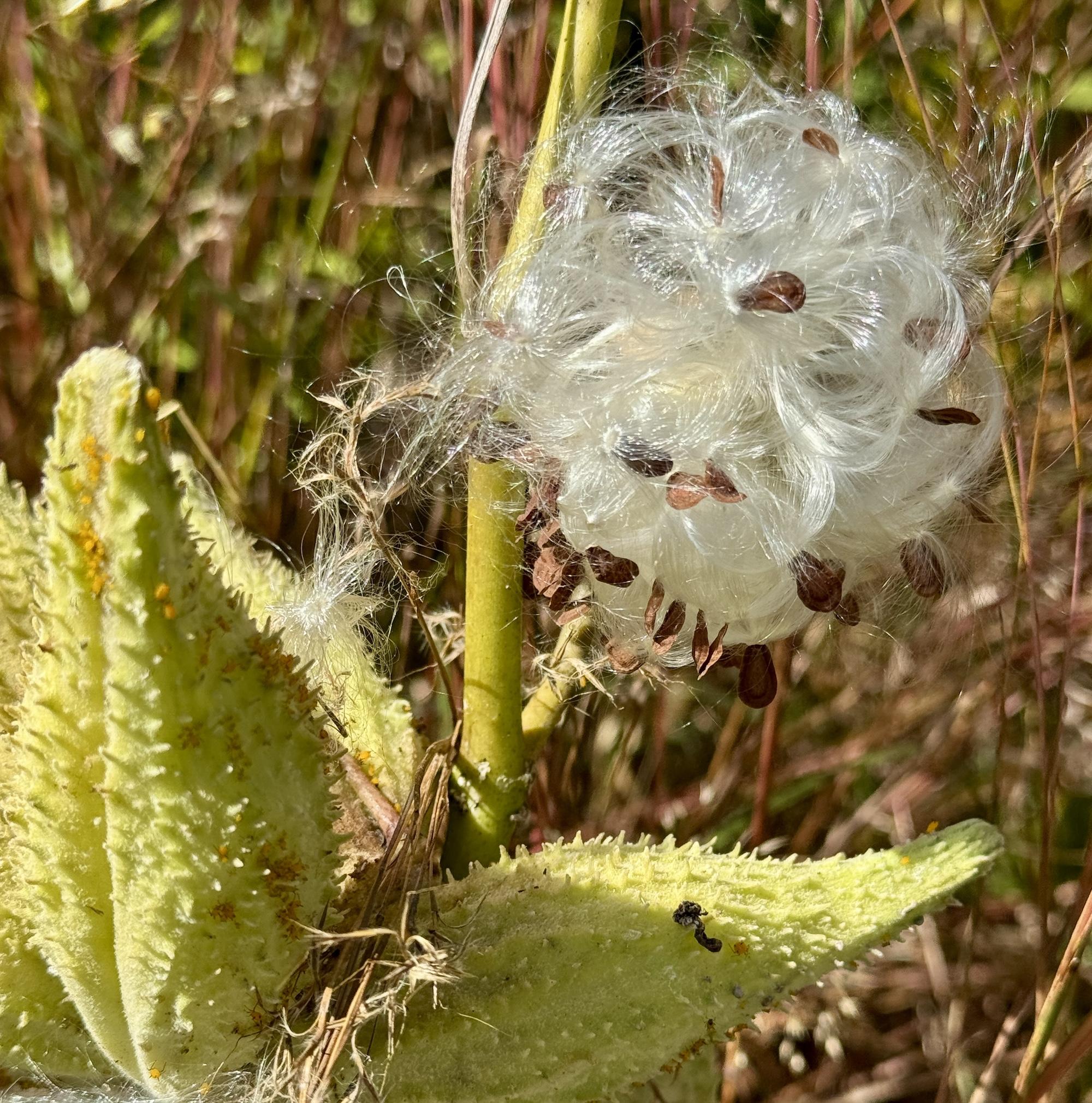
- Let pods or seed heads dry on the plant until brown and rattling.
- Harvest on a dry day. If rain threatens, pull the plant and hang upside down inside.
- Strip seeds into a clean container. Remove big bits of chaff.
Crop notes:
- Beans and peas: pick when pods are tan and crisp. Seeds should be hard.
- Lettuce: wait for fluffy tufts to form. Rub them off and winnow chaff.
- Dill, cilantro, and basil: cut umbels when most seeds are brown; finish drying indoors.
Wet-seeded crops
Tomatoes, cucumbers, squash, melons, and many peppers:
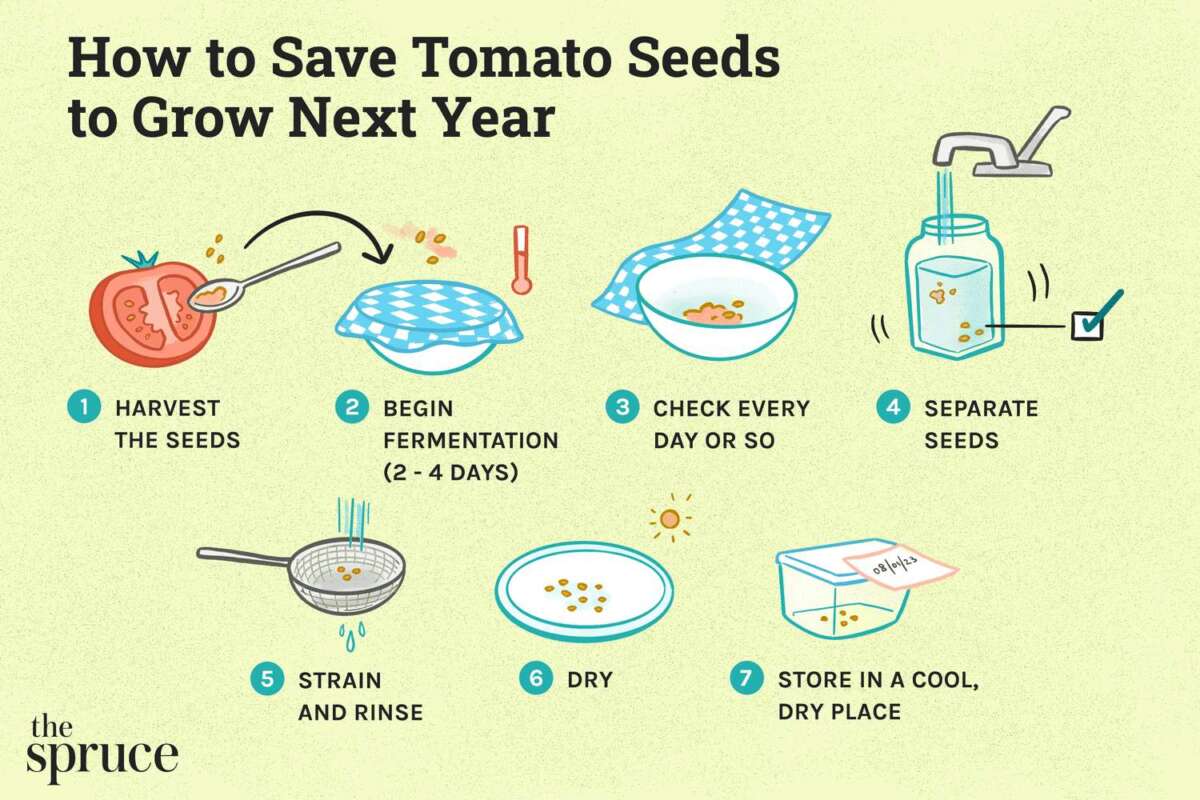
- Tomatoes: scoop seeds with gel into a jar. Add water. Let ferment 2 to 3 days until a light mold forms. Rinse well. Dry on a plate.
- Cucumbers and melons: save from fully ripe fruit. Scoop, wash in a mesh sieve, and dry well.
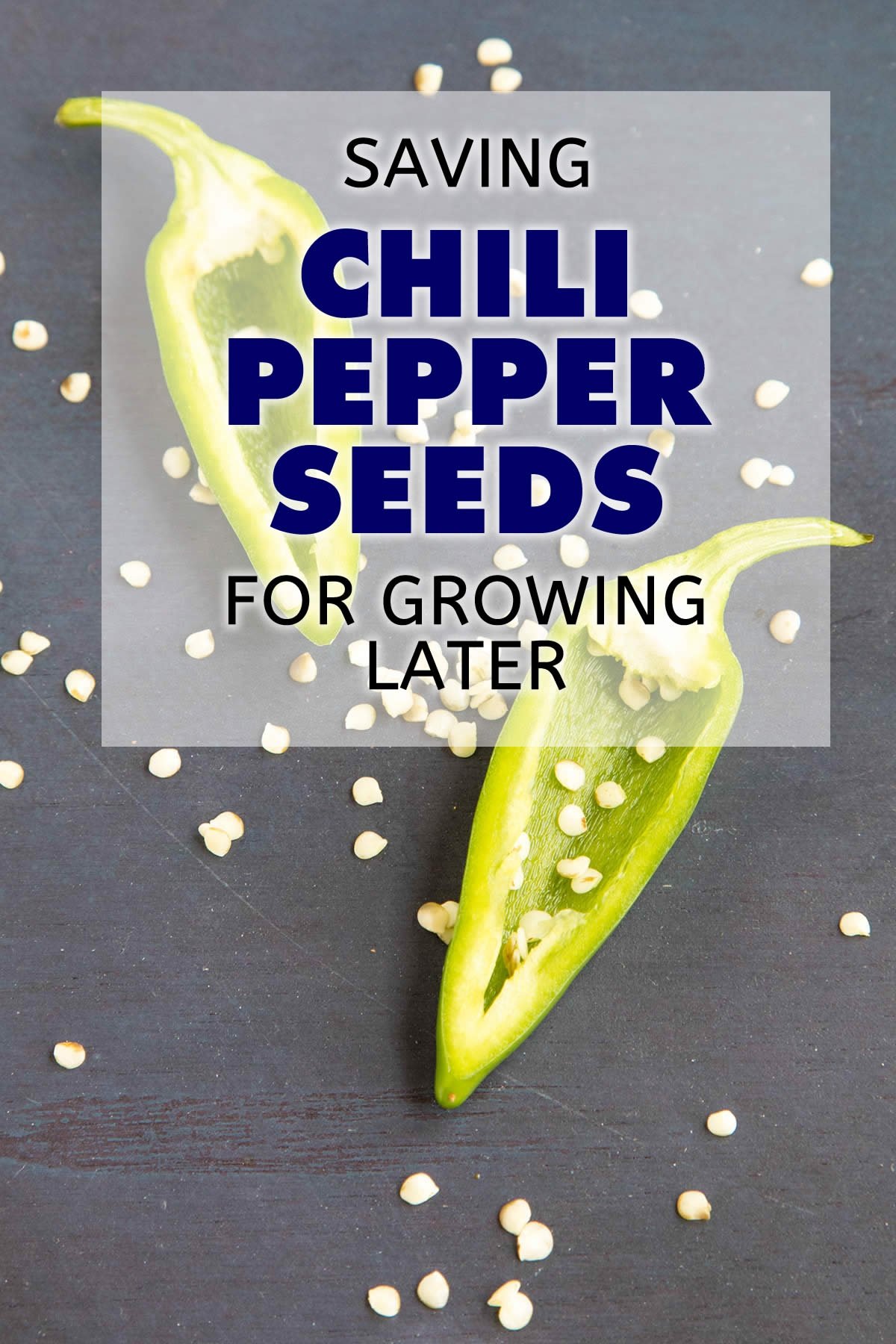
- Peppers: let fruits fully color on the plant. Scrape out seeds and dry.
- Squash and pumpkins: save from mature fruit with hard skin. Rinse seeds. Dry on screens.
Personal tip: In my zone 6 garden, a 3-day tomato seed ferment has been the sweet spot. Longer can cut germination.

Drying and cleaning seeds the right way
Drying is the quiet key in how to save seeds for next season. Aim for clean, dry, and cool.
Do this:
- Spread seeds thin on screens or paper plates. Keep out of sun and away from high heat.
- Stir once a day for even drying. Most small seeds need 7 to 14 days.
- Test dryness: a bean seed should shatter under a hammer, not mash. Small seeds should snap, not bend.
- Clean seeds. Use screens, a fan for winnowing, or the jar-and-blow method for light chaff.
For climate with high humidity:
- Dry seeds in a room with a dehumidifier or a fan.
- Use food-grade silica gel in a sealed bin to finish-dry seeds before storage.
- Keep pets and fruit flies away. They cause mold issues.
I learned the hard way that “almost dry” is not dry. One damp jar of beans turned fuzzy in a week. Now I always use a small fan and dry a few extra days.
Store seeds for high germination next year
Storage makes or breaks how to save seeds for next season. Keep seeds cool, dark, and dry.
Best practices:
- Use airtight containers: glass jars with tight lids, metal tins, or heavy plastic with a gasket.
- Add a desiccant pack. Recharge it in a low oven when needed.
- Follow the rule of 100. Temperature in Fahrenheit plus relative humidity should total under 100 for longer life.
- Refrigeration is great for many seeds. Freezing is fine if seeds are very dry. Avoid thaw-refreeze cycles.
Typical seed life when stored well:
- Onion, parsnip: 1 to 2 years.
- Corn, pepper, carrot: 2 to 3 years.
- Bean, pea, brassicas, lettuce: 3 to 5 years.
- Tomato: 4 to 6 years.
A small notebook or a digital sheet helps track dates and test results. This is the “insurance policy” that keeps your seed stash strong.

Label, organize, and track your seeds
Good labels prevent mystery packets. Good notes save seasons of guesswork.
Do this every time:
- Label with variety, species, harvest date, and any trait notes.
- Add isolation method used, like bagging or distance.
- Store by crop type and year for easy access.
- Run a small germination test each spring. Note the result and adjust planting rates.
I keep one box for current year and one for long-term. Clear bins and big, simple labels save time when it is planting day. Labels help you remember how to save seeds for next season without stress.
Common mistakes to avoid and quick fixes
These mistakes can ruin how to save seeds for next season. Here is how to fix them fast.
- Saving from hybrid plants. Fix: choose open-pollinated and heirloom varieties.
- Harvesting too soon. Fix: wait for full maturity and dry-down on the plant when possible.
- Poor drying. Fix: use airflow, low humidity, and the snap test.
- Bad storage. Fix: airtight containers, desiccant, and a cool, dark place.
- Cross-pollination surprises. Fix: isolate, bag blooms, or plant one variety for seed.
- Weak parent plants. Fix: select only from your healthiest, best-tasting plants.
My biggest leap in success came when I stopped rushing. I let seed plants finish strong and kept a fan running during drying. The difference in germination was huge.
Frequently Asked Questions of how to save seeds for next season
Can I save seeds from store-bought produce?
Yes, if the produce is open-pollinated and mature. Many store items are hybrids, so results may vary. For reliable results, start with known open-pollinated seed.
How dry do seeds need to be before storage?
Very dry. They should snap or shatter, not bend. Use a cool room with airflow and a desiccant pack for the last few days.
Will tomatoes cross and ruin my saved seed?
Tomatoes are mostly self-pollinating, so they rarely cross in small gardens. If you want high purity, bag a few blossoms and mark those fruits.
What is the simplest way to learn how to save seeds for next season?
Start with beans, peas, lettuce, or tomatoes. They are forgiving and teach the core steps fast. Then move to squash, cucumbers, and corn.
Can I freeze seeds to make them last longer?
Yes, but only if they are very dry and sealed. Thaw inside the sealed container to prevent condensation before opening.
How many plants should I save seed from for strong genetics?
More is better, but even 10 to 20 plants can help for many crops. For cross-pollinated crops, aim higher to keep vigor and diversity.
How do I avoid cross-pollination in squash?
Grow one variety per species, separate by distance, or hand-pollinate and tape blossoms shut. Label those fruits for seed.
Do I need to test germination each year?
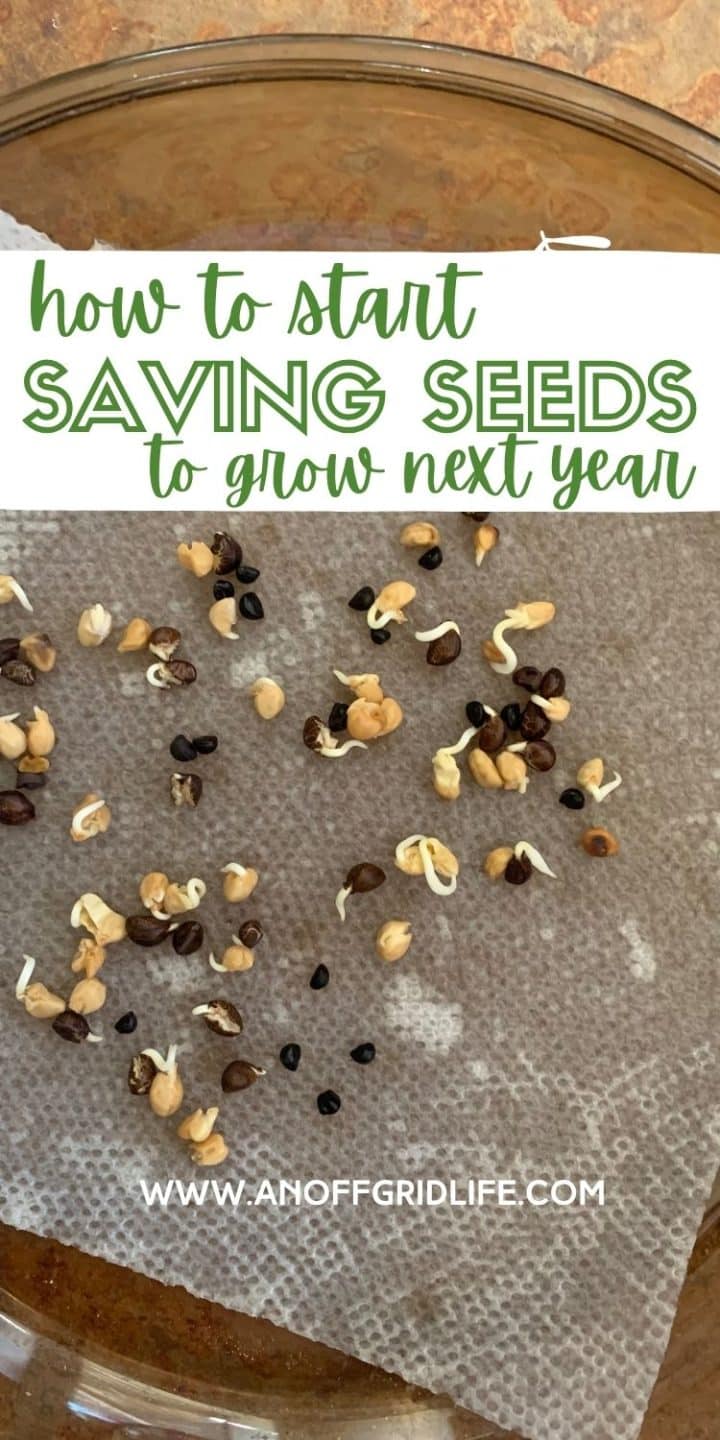
A quick test helps set your planting rate. Soak and sprout 10 seeds on a paper towel and count how many sprout.
Conclusion
Seed saving is a simple habit that compounds over time. Pick the right plants, let seeds mature, dry them well, and store them smart. Use these steps on how to save seeds for next season and you will see stronger, tastier crops year after year.
Start small. Tag one row this week for seed. If you found this guide useful, subscribe or leave a comment with your next seed-saving goal.

Laura Bennett is a gardening writer at MyGardenLabs who creates beginner-friendly guides focused on solving common plant care and gardening problems.