What Do You Call A Plant Scoop: The Gardening Tool Name
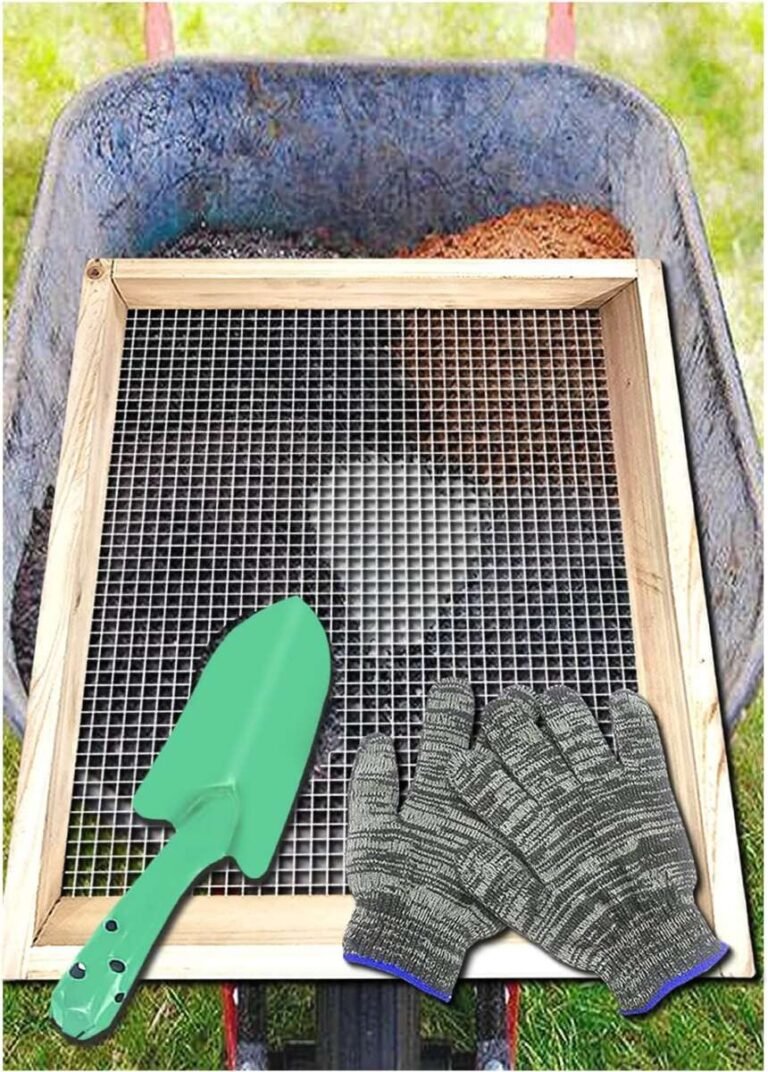
In the United States, a plant scoop is usually called a hand trowel, garden trowel, or soil scoop. The best name depends on its shape and use.
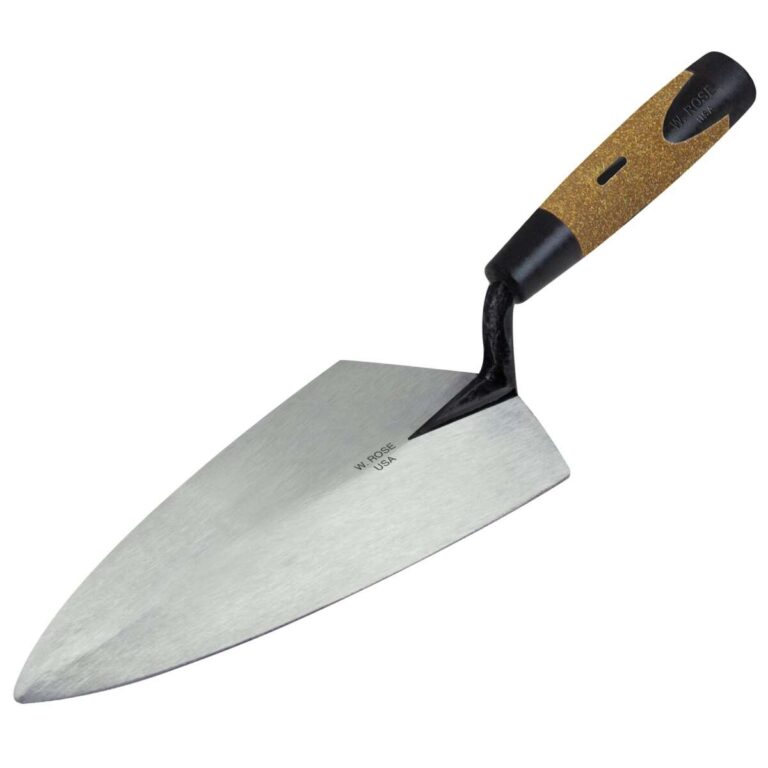
- A hand trowel has a pointed, blade-like end. It is used to dig holes and move soil.
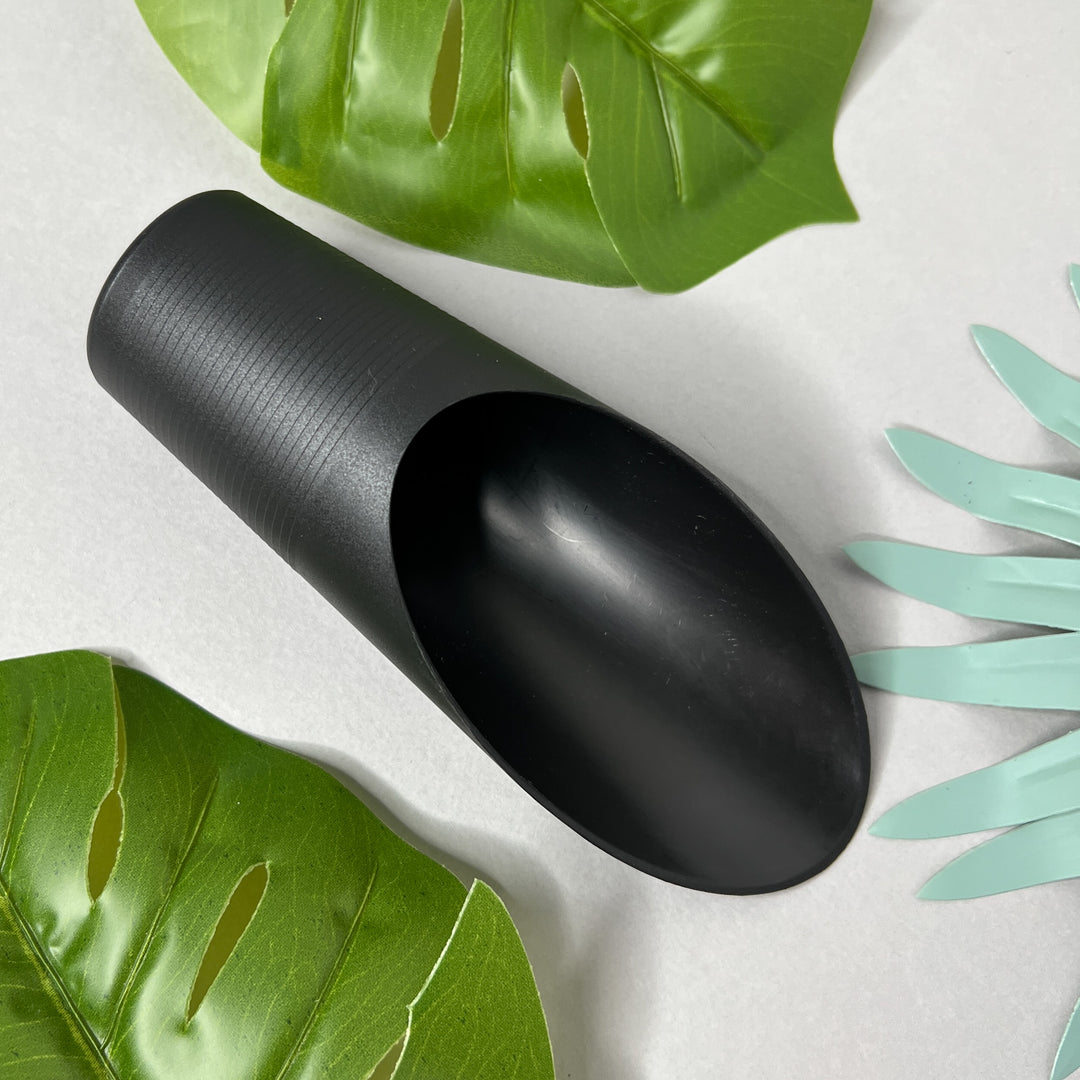
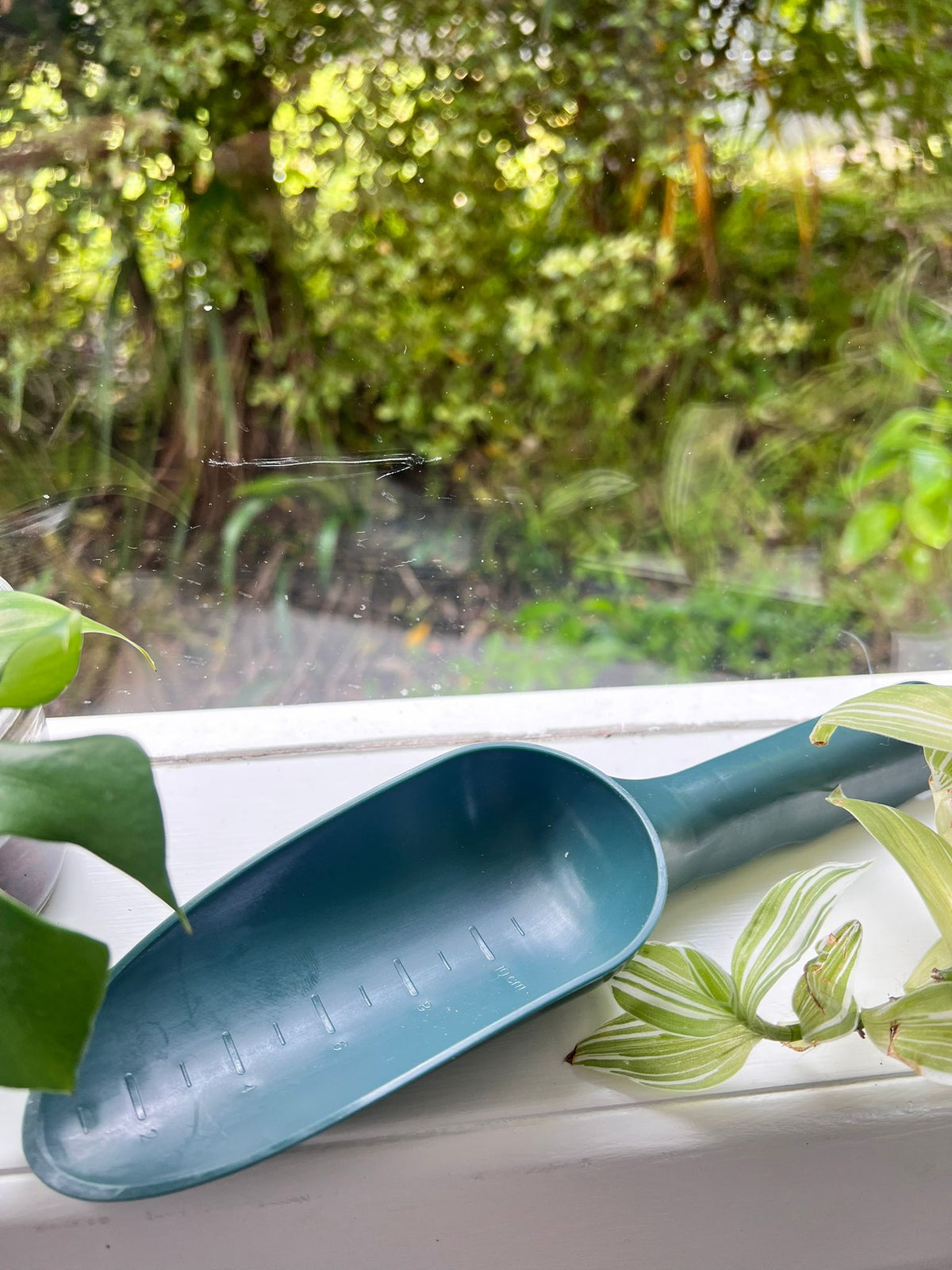
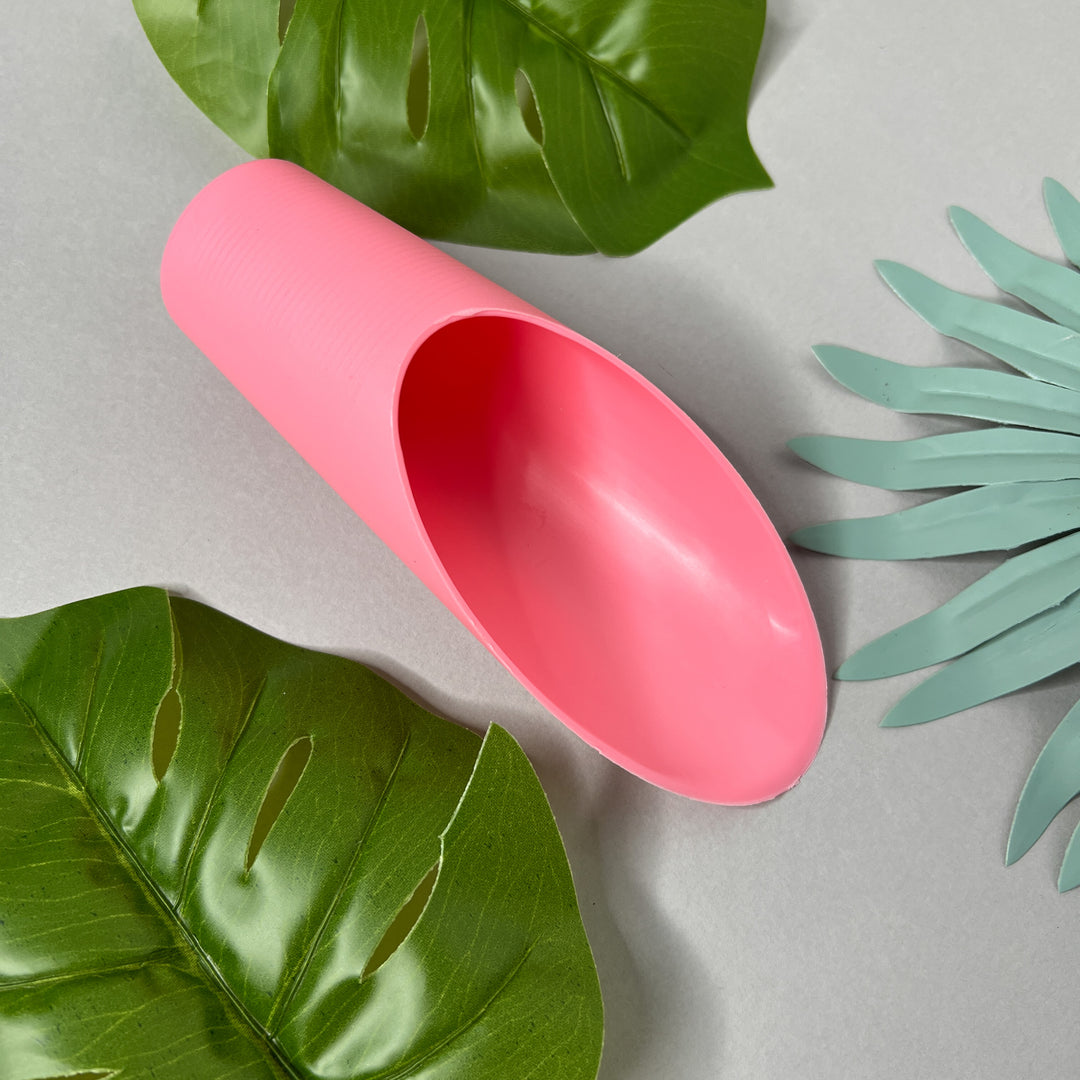
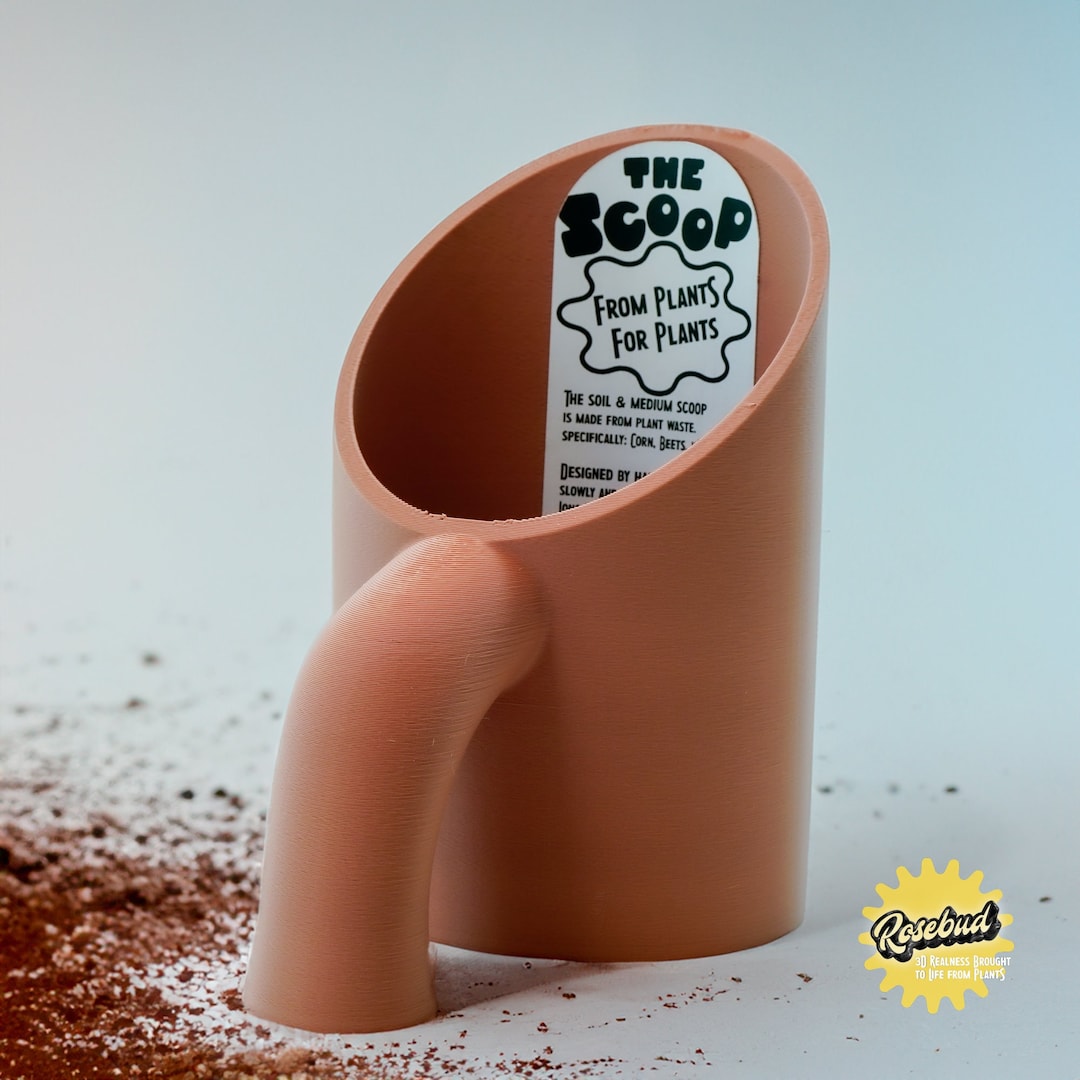
- A soil scoop has a deep, curved cup. It is used to pour potting mix, perlite, bark, or fertilizer.
- A potting scoop is a common name for a small scoop used when filling plant pots.
- A garden scoop is a broad retail term. It may describe either a trowel or a true scoop.
If you need to buy one, search for “hand trowel” when you want to dig. Search for “soil scoop” or “potting scoop” when you want to transfer loose material without spilling it.
What is the correct name for a plant scoop?
The most common general name is hand trowel. Garden centers, hardware stores, and online retailers in the U.S. often use this term for a small, handheld digging tool.
A hand trowel normally has:
- A short handle
- A narrow metal blade
- A pointed or rounded tip
- A shallow bowl that holds a small amount of soil
The word trowel can also describe other tools used in masonry, construction, and gardening. In a gardening setting, “hand trowel” makes the meaning clear.
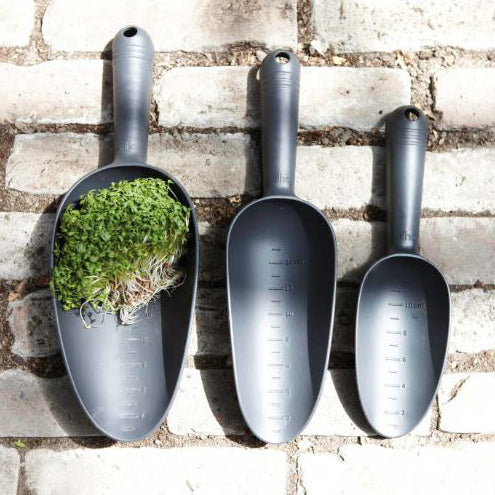
A true soil scoop looks different. It has a deeper bowl and a higher side wall. This design helps you move loose materials into a pot, tray, or seed-starting cell.
Quick term guide
| Term | Main shape | Best use |
|---|---|---|
| Hand trowel | Pointed or flat digging blade | Digging small planting holes |
| Garden trowel | Same or similar to a hand trowel | General garden work |
| Soil scoop | Deep, curved cup | Moving potting soil and amendments |
| Potting scoop | Small deep scoop | Filling indoor plant pots |
| Garden scoop | Broad retail term | Scooping or moving garden materials |
| Transplanting trowel | Long, narrow blade | Planting bulbs and small seedlings |
The names can overlap. A store may label a deep metal scoop as a “garden trowel,” while another store may call a similar tool a “potting scoop.” The tool’s shape tells you more than its name.
Hand trowel vs. soil scoop: What is the difference?
A hand trowel is made for digging, while a soil scoop is made for lifting and pouring.
A trowel’s pointed blade can break into garden soil. It works well when you need to make a hole for a bedding plant, herb, annual flower, or small vegetable transplant.
A soil scoop works better with loose potting mix. Its deep bowl can hold more material, and its raised sides help control the flow. This makes it useful for indoor plants, seed trays, hanging baskets, and container gardens.
Choose a hand trowel when you need to:
- Dig into garden beds
- Plant small flowers or herbs
- Remove a small weed
- Break up loose soil
- Lift a small root ball
- Work around established plants
Choose a soil scoop when you need to:
- Fill plant pots
- Move bagged potting mix
- Add bark, compost, or perlite
– Transfer soil into a seed tray - Pour material into narrow containers
- Reduce spills on a bench or floor
A pointed trowel can scoop soil, but it may spill more. A deep scoop can move soil, but it may be awkward in firm ground. The right tool depends on whether your main task is digging or pouring.
What should you call a plant scoop when shopping?
Use the search term that matches the job.
For a general garden tool, search for:
- Hand trowel
- Garden trowel
- Planting trowel
- Transplanting trowel
For potting and indoor plant care, search for:
- Soil scoop
- Potting scoop
- Plant pot scoop
- Indoor gardening scoop
- Potting soil scoop
For larger amounts of loose material, search for:
- Garden scoop
- Compost scoop
- Mulch scoop
- Fertilizer scoop
The phrase “plant scoop” is understandable, but it is less exact. Some sellers use it for a small scoop, while others use it for a hand trowel.
If you are asking for the tool at a U.S. garden center, say:
“I’m looking for a soil scoop for filling pots.”
Or:
“I need a hand trowel for planting seedlings.”
Those descriptions reduce confusion.

How to choose the right plant scoop
Choose the tool based on the material, container size, and amount you need to move.
1. Match the scoop to the material
For light potting mix, a small aluminum or plastic scoop may work well. For damp compost or dense garden soil, choose a stronger metal tool with a firm handle.
For gritty materials such as perlite, pumice, or coarse bark, a scoop with a deeper bowl can make transfer easier. A wide opening helps prevent larger pieces from getting stuck.
2. Match the size to the pot
A small scoop is easier to control in a 2- to 4-inch nursery pot. A wider scoop can fill large containers faster, but it may be hard to use around a small plant.
For houseplants, a scoop about the width of the pot opening is often easier to control than a very large scoop. This is a practical fit, not a fixed rule.
3. Check the handle
Look for a handle that feels secure and does not twist around the shaft. A textured or shaped grip can help when the tool is used with wet hands.
For occasional indoor potting, comfort and control may matter more than extreme strength. For outdoor beds, a stronger connection between the blade and handle is more important.
4. Check the edge
A sharp point helps a trowel enter soil. A rounded front is often safer and more suitable for pouring potting mix.
Do not assume that a sharper tool is always better. A sharp edge can cut roots, scratch containers, or injure fingers if stored carelessly.

Which plant scoop is best for indoor plants?
A small soil scoop or potting scoop is usually the best choice for indoor plants. It lets you add potting mix slowly and helps keep soil off the table and floor.
Choose a scoop with:
- A deep bowl
- A smooth edge
- A handle that is easy to grip
- A size suited to small containers
- A material that resists rust or is easy to clean
A hand trowel can also work. It is more useful if you both dig and transfer soil. If you only fill pots, a soil scoop is usually more convenient.
For very small pots, a measuring cup, spoon, or narrow scoop may offer better control. Make sure any household item used for potting is cleaned before it returns to food use.
Avoid using the same scoop for potting soil and chemical products unless the product label allows it and the tool can be cleaned safely. A dedicated scoop helps prevent cross-contamination.
Can you use a kitchen scoop as a plant scoop?
You can use a clean kitchen scoop for dry, nonchemical potting materials, but it should become a dedicated gardening tool.
Potting mix may contain soil particles, compost, fertilizer, or microbes. Even when the material looks clean, it should not come into contact with food equipment that will later be used in the kitchen.
A plastic measuring cup can work for a one-time indoor planting task. Label it for garden use, store it with your plant tools, and do not return it to food preparation.
Do not use a food scoop for pesticides, herbicides, fungicides, or other garden chemicals. Use the measuring device supplied with the product or follow the product label. In the United States, pesticide labels are legally enforceable, so the label controls how the product must be measured and used.
How to use a soil scoop without making a mess
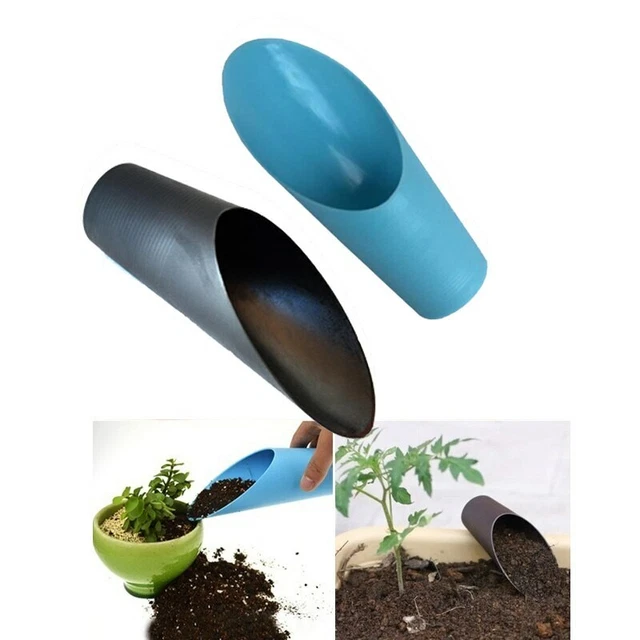
Use the scoop in short, controlled movements rather than filling it to the top every time.
- Place the pot on a tray or work surface.
- Hold the scoop near the center of the pot.
- Add a small amount of potting mix.
- Tap the pot gently to settle the mix.
- Repeat until the plant sits at the correct height.
- Leave the amount of space recommended for watering.
- Brush loose mix from the rim.
Do not pack potting mix down hard. Pressing it firmly can reduce air spaces and make water move poorly through the container.
Keep the plant’s crown, stem base, or growing point at the correct depth for that species. A scoop helps move the mix, but it does not determine planting depth. Follow the care guidance for the plant.
Signs that the scoop is working well include:
- The material flows where you aim it.
- The pot rim stays mostly clean.
- You can add small amounts without crushing the plant.
- The scoop does not bend or twist under normal use.

How to clean and store a plant scoop
Clean the scoop after use, especially when it has touched wet soil, compost, fertilizer, or diseased plant material.
For a basic cleanup:
- Brush off dry material.
- Rinse away remaining soil.
- Wash the tool with soap and water when needed.
- Dry metal parts fully.
- Store the tool in a dry place.
Wet soil left on steel can promote rust. A clean, dry tool also reduces the chance of moving plant pathogens from one container to another.
If a plant has a known disease, avoid moving its soil to healthy plants. Cleaning a tool may help, but it does not guarantee removal of every pathogen. Dispose of infected material according to local guidance, and do not place it in a home compost pile unless the compost system reaches conditions that are suitable for destroying the problem organism.

Common mistakes when choosing a plant scoop
The most common mistake is buying a tool for the wrong task.
Calling every scoop a trowel
A trowel is mainly a digging tool. If you need to pour potting mix, choose a deeper soil scoop.
Choosing a scoop that is too large
A large scoop may fill a pot quickly, but it can bury a small plant or spill material around a narrow container.
Using a thin tool for hard soil
Light plastic or thin aluminum may bend in compacted ground. Use a stronger hand trowel for outdoor soil.
Ignoring rust and cleaning
A tool that stays wet can rust, develop rough edges, or transfer soil between plants. Dry it after cleaning.
Using a gardening tool for chemicals and food
Keep tools for food preparation separate from tools used with soil, fertilizer, pesticides, or other garden products.
Focusing only on the name
Retail names vary. Look at the bowl depth, blade shape, handle, and intended material. A tool labeled “garden scoop” may be a trowel, while a “planting trowel” may have a deep scoop shape.
Frequently asked questions
Is a plant scoop the same as a trowel?
Not always. A hand trowel has a digging blade, while a soil scoop has a deeper bowl for moving loose material. Some retailers use the terms loosely, so check the tool’s shape.
What is the tool for scooping potting soil called?
It is usually called a soil scoop, potting scoop, or plant pot scoop. A hand trowel can also move potting soil, but it may not hold as much.
What is the small shovel for plants called?
The common U.S. term is hand trowel. It is a small handheld tool used to dig planting holes, move soil, and transplant small plants.
What is a long, narrow plant trowel called?
It is often called a transplanting trowel. Its narrow blade helps create holes for seedlings, bulbs, and small plants while limiting disturbance to nearby roots.
Can I use a scoop to mix potting soil?
Yes. A clean soil scoop can help combine dry potting materials in a tub or tray. Mix gently, avoid breathing dust, and follow any safety directions on the product label.
Final answer
In American English, call the tool a hand trowel if it is a small digging tool. Call it a soil scoop or potting scoop if it has a deep bowl for moving potting mix.
When in doubt, describe the task: “I need a soil scoop for filling pots” or “I need a hand trowel for planting.” That wording is clear at most U.S. garden centers and hardware stores.

Laura Bennett is a gardening writer at MyGardenLabs who creates beginner-friendly guides focused on solving common plant care and gardening problems.