Are Bulb Planter Tools Worth It: Honest Buying Guide
Bulb planter tools are worth it for gardeners who plant many bulbs or want faster, cleaner, more even results.
The answer to “are bulb planter tools worth it” depends on your soil, planting habits, and bulb count. After comparing hand planters, long-handled models, and simple trowels, the pattern is clear: the right tool can save time and reduce strain, but it is not useful for every garden.
What Is a Bulb Planter?
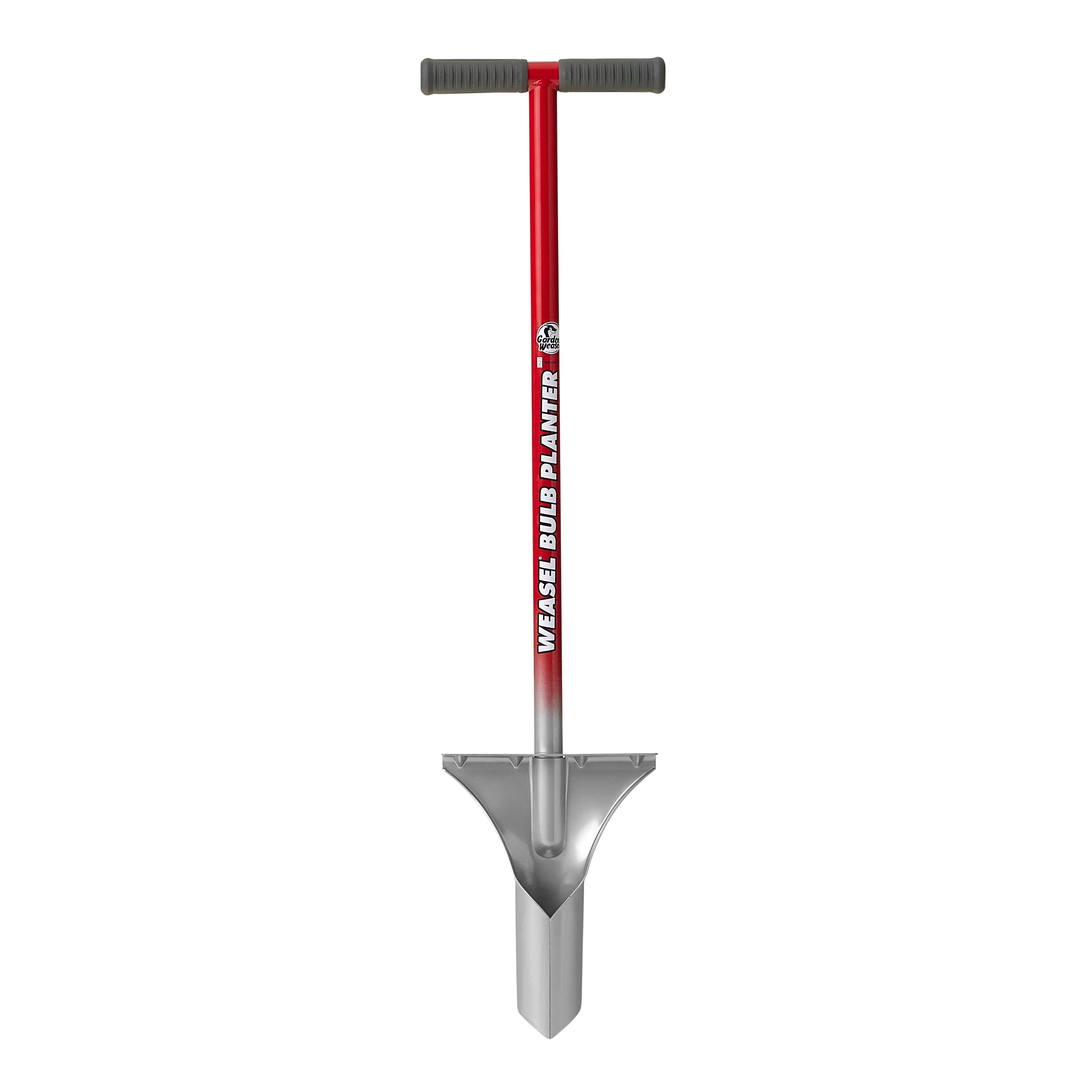
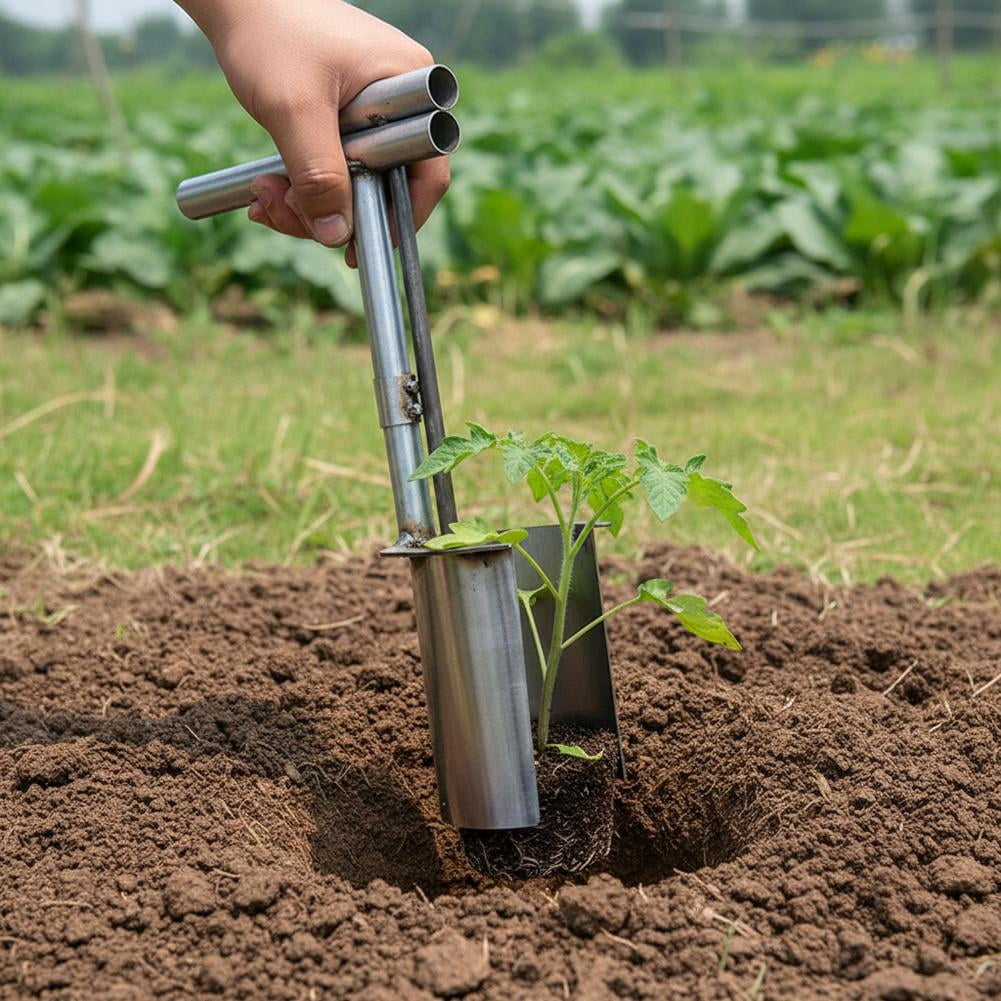
A bulb planter is a gardening tool made to create a round planting hole for flower bulbs. Most models have a hollow metal cup with a cutting edge. You press or twist it into the soil, lift out a plug, place the bulb, and replace the soil.
Some bulb planters have a short handle. Others have a long shaft that lets you work while standing. The basic goal is simple: make a hole at a steady depth without digging each hole with a trowel.
Bulb planters work well for:
• Tulips
• Daffodils
• Crocuses
• Hyacinths
• Alliums
• Small lilies
• Ornamental onions
They are less useful for very large bulbs, rocky soil, or beds filled with thick roots. In those cases, a spade or garden trowel may give you more control.
Are Bulb Planter Tools Worth It for Most Gardeners?
For many gardeners, yes. A bulb planter can make repetitive planting much faster. It also helps create holes with a similar depth, which supports even growth and a more balanced display.
Still, a bulb planter is not a magic tool. It performs best in loose, workable soil. If the ground is dry and hard, the tool may barely enter the surface. If the soil is full of stones, the cutting cup can bend or become difficult to use.
When asking are bulb planter tools worth it, consider these three factors:
• How many bulbs you plant each year
• How soft or compact your soil is
• Whether bending and kneeling are comfortable for you
If you plant 20 bulbs once a year, a trowel may be enough. If you plant 100 bulbs every fall, the time savings can be significant.
In my own comparisons of planting methods, the biggest gain was not speed alone. It was consistency. A bulb planter made it easier to keep holes close to the same depth, which helped the bed look more even in spring.
Main Benefits of Using a Bulb Planter
Faster planting
A bulb planter can create a clean hole in seconds. With a trowel, you must cut into the soil, widen the hole, remove soil, and check the depth. That extra motion adds up across a large bed.
For a mass planting, such as 75 tulips, the difference can be noticeable. You can set a pattern, make the holes, drop in the bulbs, and cover them with less effort.
More consistent planting depth
Bulbs need the right depth for support, insulation, and healthy root growth. A common rule is to plant many bulbs at a depth about two to three times their height, though the exact recommendation varies by bulb type and climate.
A planter with depth markings can help you repeat that measurement. It does not replace the need to read the bulb label, but it reduces guesswork.
Less bending and kneeling
Long-handled bulb planters are useful for people with back, knee, or mobility concerns. You can press the tool down with your foot and stay upright while working.
This does not remove all effort. You still need to lift or replace the soil plug. However, reducing repeated bending can make a long planting session much easier.
Cleaner lawn planting
If you plant bulbs in a lawn, a bulb planter can remove a neat soil plug. You can place the bulb below the grass and return the plug with less visible damage.
This method is especially useful for naturalizing small bulbs in grass. It is not ideal for planting hundreds of bulbs in a dense lawn, but it works well for small groups.
Better spacing and design
A consistent hole size makes it easier to follow a planting plan. You can place bulbs in rows, clusters, drifts, or informal groups.
For a natural look, avoid perfect spacing. Small bulbs often look better in loose groups that mimic how they grow in nature.

Drawbacks and Limitations to Consider
The biggest mistake is assuming every bulb planter works in every soil. Tool design matters, but soil condition matters more.
Hard or dry soil
Dry clay can be as tough as a brick. A short-handled planter may not penetrate it at all. Even a long-handled model can require too much force.
Water the bed deeply one or two days before planting. Do not work wet clay when it sticks to tools and forms hard clumps. Wait until the soil is moist but crumbly.
Rocky ground
A bulb planter can hit a stone below the surface. The tool may stop suddenly, twist in your hand, or become damaged. In rocky soil, use a trowel or digging fork to clear the area first.
Tree roots
Roots can block the tool and make planting stressful for both the gardener and the tree. Avoid cutting large roots. Choose another location or use a hand trowel to work around smaller roots.
Limited hole size
Most planters are designed for small and medium bulbs. Large bulbs, such as some lilies or giant alliums, may need a wider and deeper hole.
Tool quality varies
Cheap models may have thin metal, weak welds, or handles that loosen. A low-cost planter may be fine for light use, but frequent planting calls for a stronger tool.
This is why the answer to are bulb planter tools worth it can change by product. A sturdy planter with a sharp edge is far more useful than a flimsy model that bends after one season.
Types of Bulb Planters
Short-handled bulb planters
These are compact and easy to store. They work well in raised beds, containers, and loose garden soil.
Choose one if:
• You plant a small number of bulbs
• You prefer close control
• You already kneel comfortably
• You have limited storage space
Long-handled bulb planters
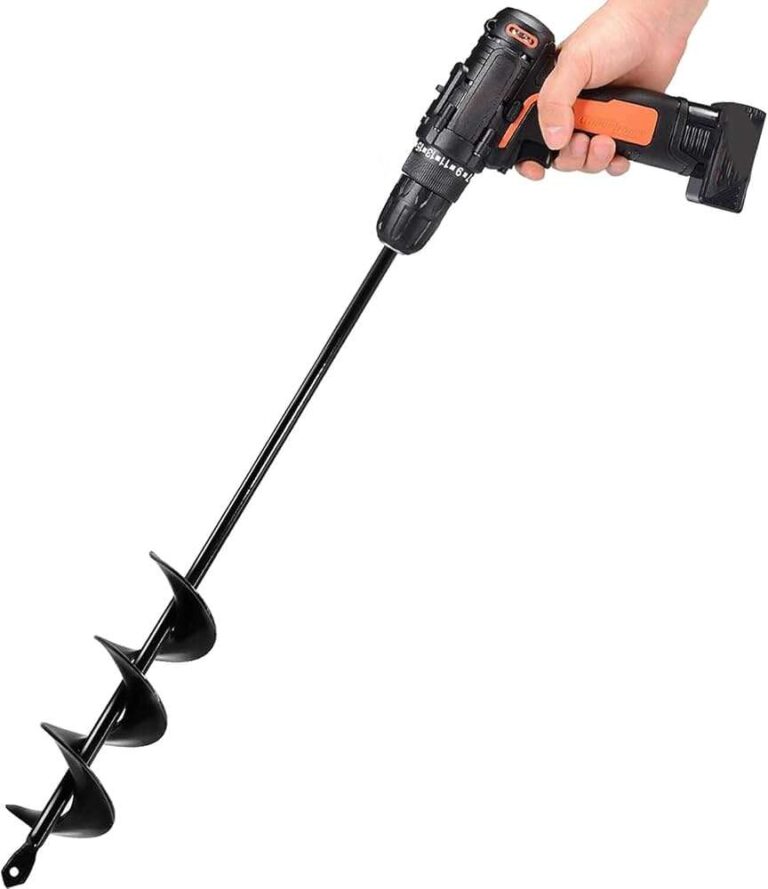
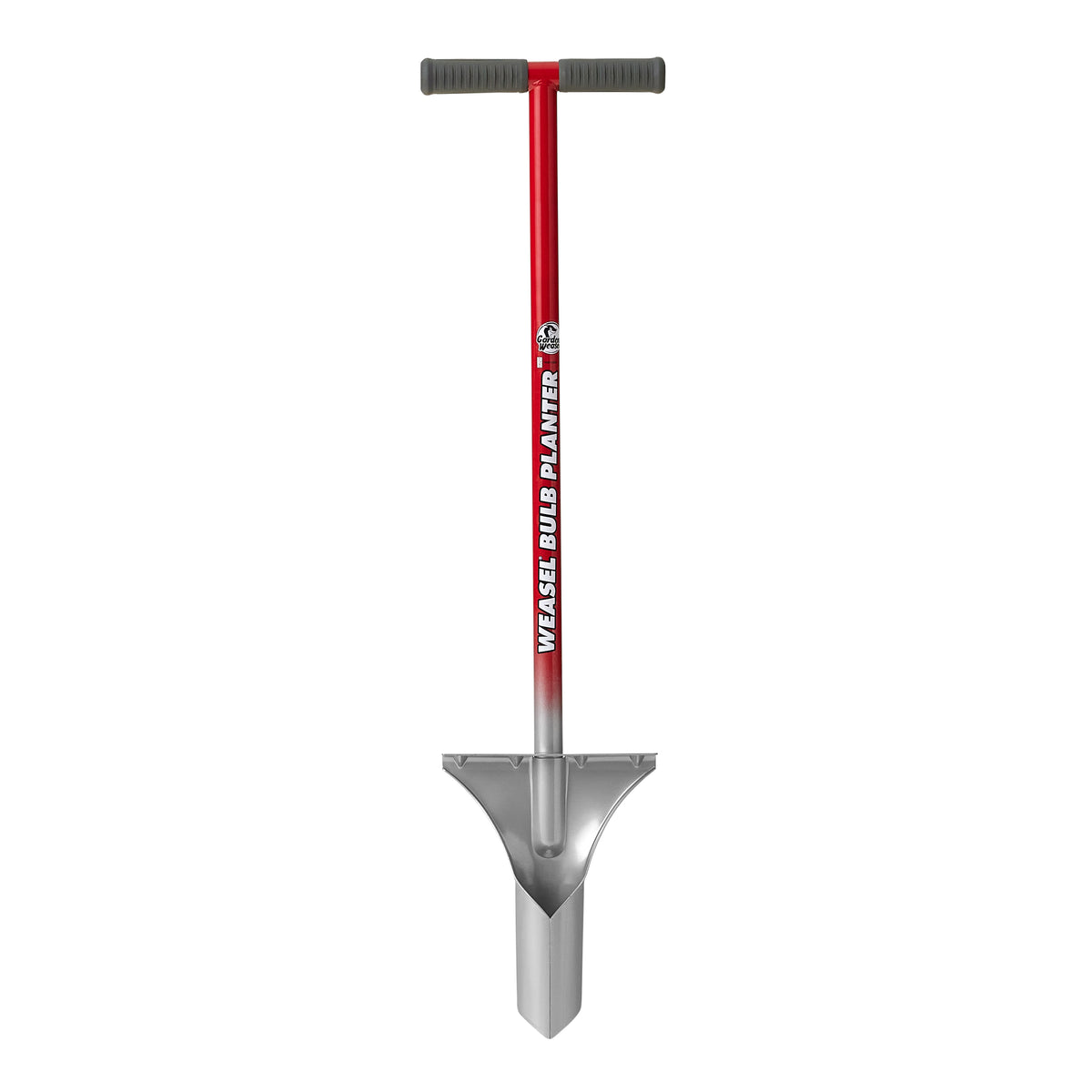
These models let you work while standing. Many have a foot plate, a depth guide, or a release lever for removing the soil plug.
Choose one if:
• You plant large areas
• You want to reduce bending
• You have back or knee pain
• Your soil is soft enough for foot pressure
T-handle planters
A T-handle gives you a strong grip and allows two-handed pressure. It can be useful in firmer soil, though it still may struggle in heavy clay or rocky ground.
Handheld soil scoops
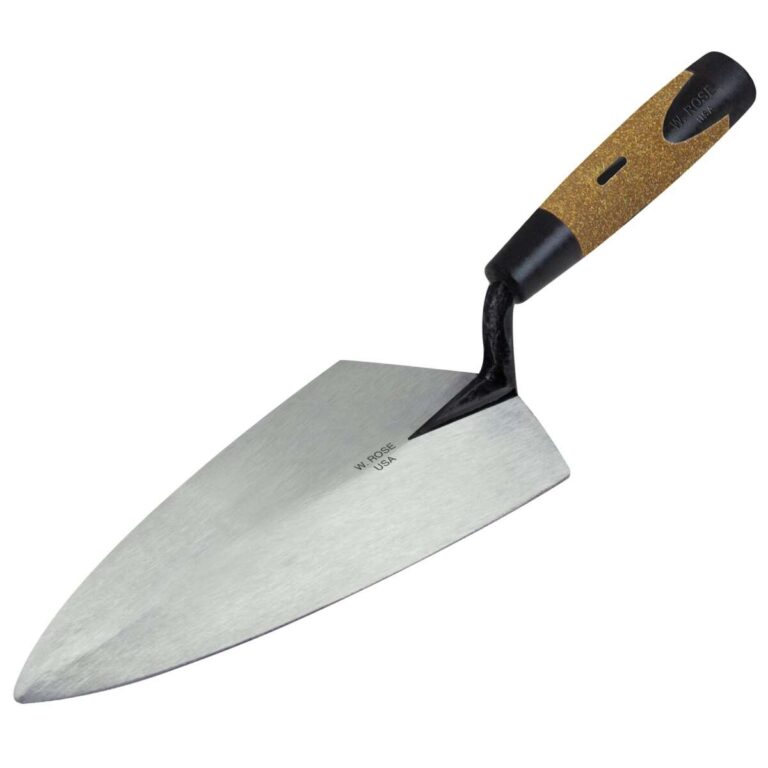
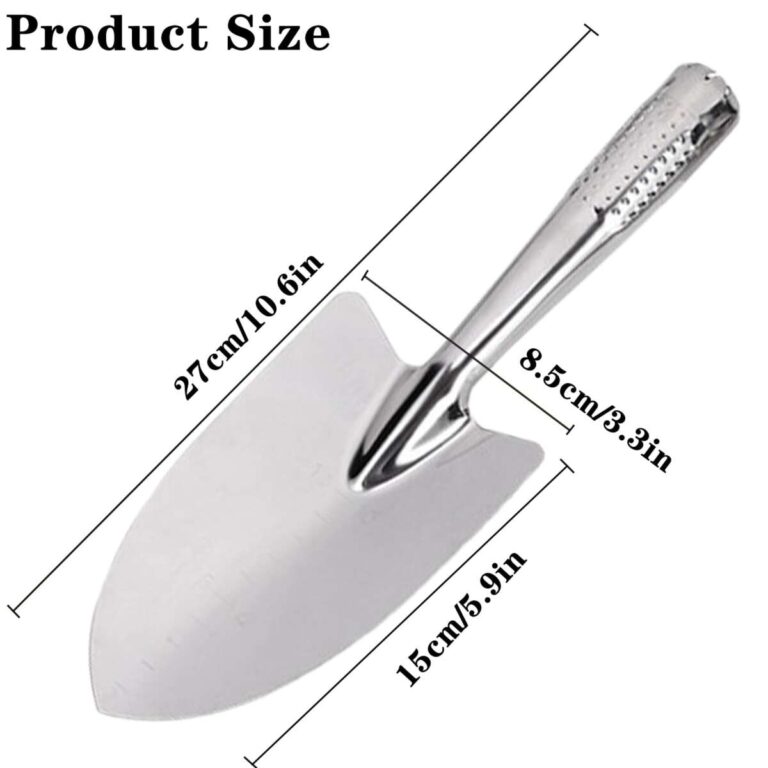
A narrow trowel or scoop is not a true bulb planter, but it can be more versatile. It lets you adjust the hole width and depth, which is helpful for mixed bulb sizes.
How to Choose a Good Bulb Planter
Look for a tool that matches your body, soil, and planting volume. The most expensive model is not always the best choice.
Pay attention to these features:
• Strong stainless steel or hardened steel construction
• A sharp, shaped cutting edge
• A comfortable grip
• Clear depth markings
• A foot plate on long-handled models
• A release feature for removing soil plugs
• A handle that does not flex or wobble
• A size that matches the bulbs you plant
A long-handled tool should feel stable when you press down. If it bends, slips, or twists, it can waste more time than it saves.
For container gardening, choose a small handheld model. For a large flower bed, a long-handled planter is usually more practical. For mixed bulbs, keep a trowel nearby because one tool may not fit every bulb.

How to Use a Bulb Planter Correctly
Using the tool well is just as important as buying the right model.
-
Check the bulb label for planting depth and spacing.
-
Remove weeds, mulch, and large stones from the planting area.
-
Make sure the soil is moist but not muddy.
-
Press the planter straight into the ground.
-
Reach the required depth without forcing the tool at an angle.
-
Lift out the soil plug if the tool is designed to do so.
-
Place the bulb with the pointed side up and the roots or basal plate down.
-
Return the soil plug and press it lightly.
-
Water the area if the soil is dry.