How To Grow Leafy Greens For Beginners: Best Guide For 2026
Start with cool-season greens, rich soil, steady moisture, and gentle sun.
If you want a fast, tasty win in the garden, leafy greens are it. I’ve grown greens on balconies, patios, and small beds, and the results can be great with a few basics. This guide on how to grow leafy greens for beginners walks you through setup, care, and harvest with clear steps you can repeat every season. Stick with me, and you’ll have fresh salads in weeks, not months.

How to grow leafy greens for beginners: choosing your greens
Start with easy, forgiving plants. Pick greens that like cool weather and short days. Many grow fast and bounce back after cutting.
Great beginner choices:
- Lettuce: Loose-leaf types grow fast and resist heat better than heads.
- Spinach: Sweet, tender, and loves cool days.
- Kale: Tough and very cold-hardy.
- Arugula: Peppery and quick from seed.
- Swiss chard: Handles heat and cold, keeps giving.
- Asian greens: Bok choy, tatsoi, and mizuna are fast and tender.
Match your choice to your season and light. If summers get hot, pick heat-tolerant types and plant spring and fall. Keep how to grow leafy greens for beginners in mind as you choose your first mix.
Set up your space: beds, pots, or small systems
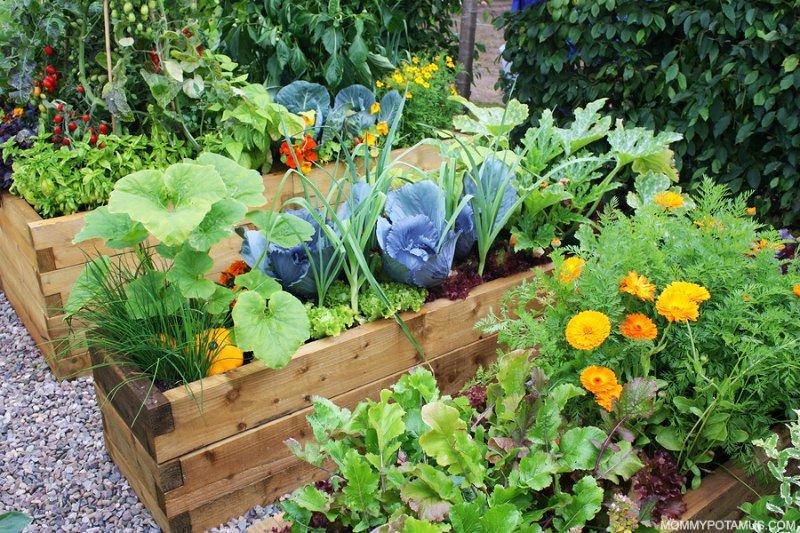
Leafy greens do not need much room. A sunny ledge or a small bed can feed you well. Aim for 4–6 hours of gentle sun. Morning sun is best.
Good setups:
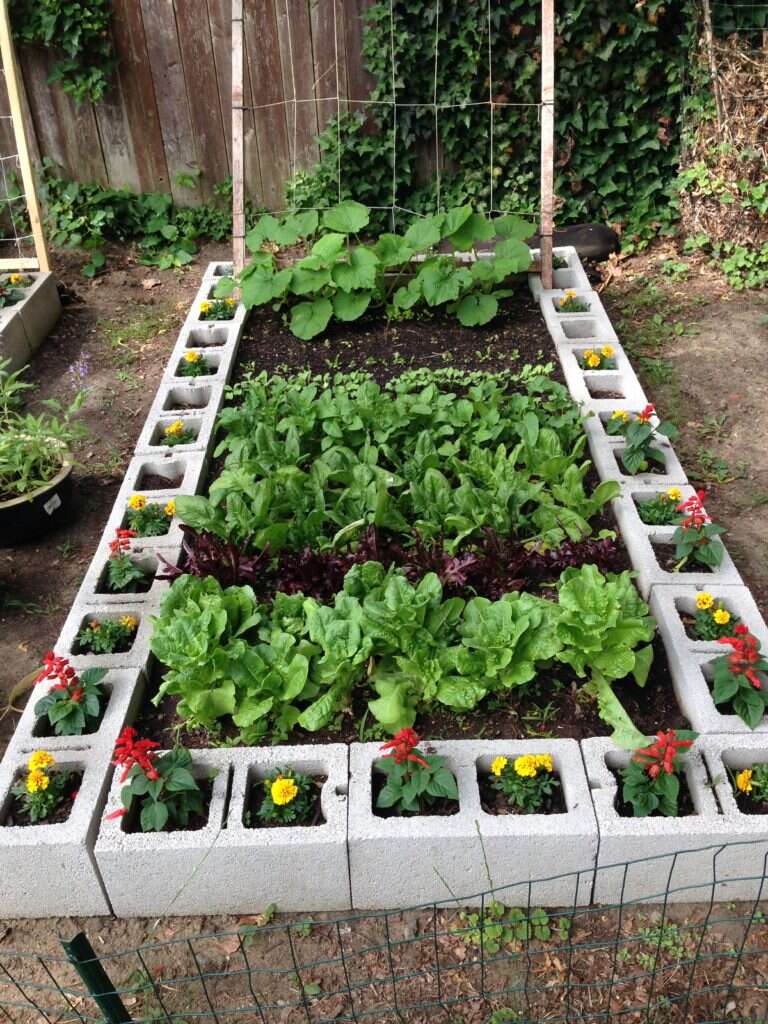
- Raised beds: Warm up fast and drain well.
- Pots: Use 8–12 inch deep containers with holes.
- Window boxes: Great for cut-and-come-again lettuce.
- Simple hydro or Kratky tubs: Clean, fast, and space-saving.
If your spot is hot, give afternoon shade. This tip alone can double your harvest. It is core to how to grow leafy greens for beginners in warm zones.
Soil, containers, and drainage
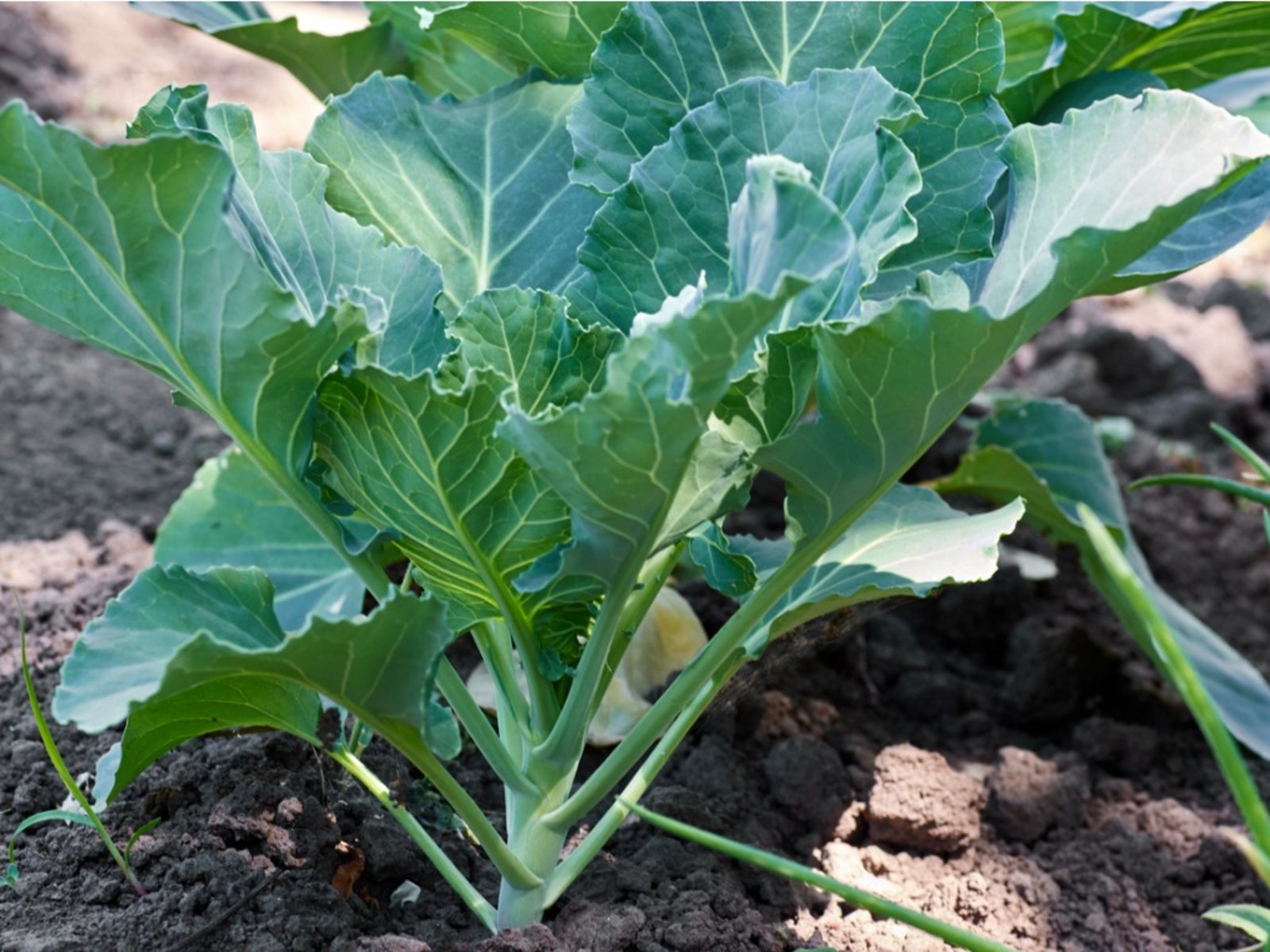
Greens like rich, loose soil. They hate soggy roots. Good drainage prevents rot.
Do this:
- Use a quality potting mix for containers. Avoid garden dirt in pots.
- In beds, mix in compost for air and food.
- Aim for soil pH around 6.0–7.0.
- Add perlite or coarse sand if mix holds too much water.
I test soil by squeezing a handful. It should clump, then fall apart with a tap. This small check supports how to grow leafy greens for beginners without fancy tools.

Planting: seeds vs starts
Seeds are cheap and fast. Starts give a head start in cold or heat. Both work well.
When to plant:
- Cool season: Early spring and fall are best.
- Soil temp: 45–70°F is ideal for germination.
- Spacing: Follow the packet, but go dense for baby greens.
How to sow:
- Make a shallow furrow, about 0.25 inch deep for tiny seeds.
- Sprinkle seeds, cover lightly, and water gently.
- For starts, plant at the same depth as the cell plug and firm in.
Plant a small patch every 1–2 weeks. This staggered plan is key in how to grow leafy greens for beginners and keeps salads steady.
Watering, feeding, and mulching
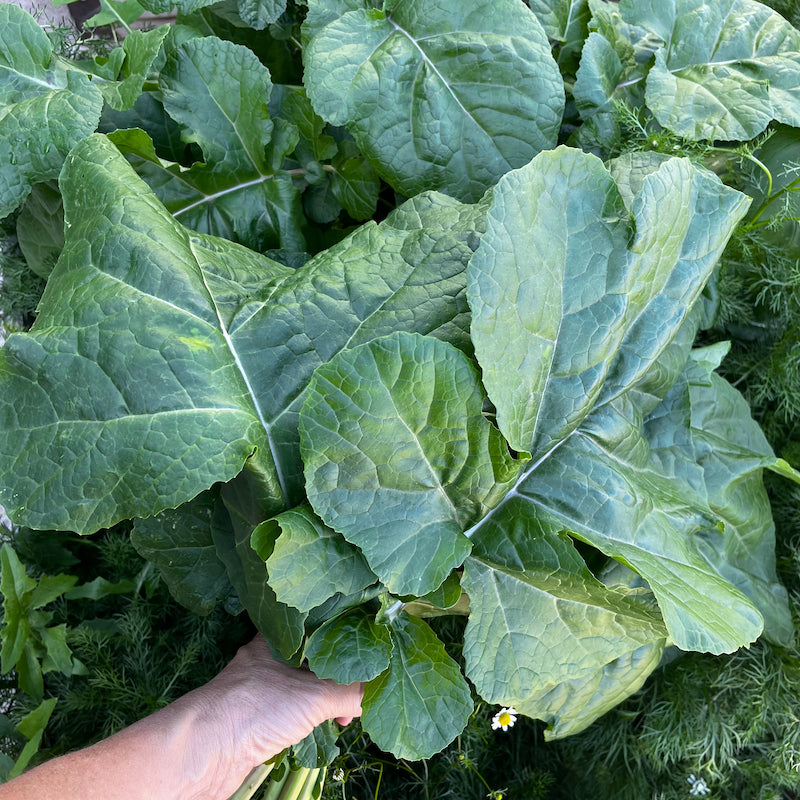
Greens need steady water. Dry spells lead to bitter leaves and early bolting.
Simple care plan:
- Water when the top inch feels dry. Keep soil moist, not soaked.
- In pots, water more often, as mixes dry fast.
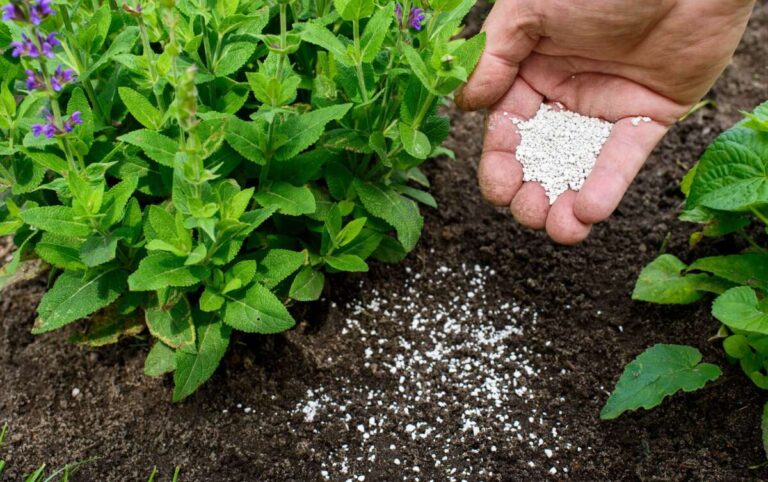
- Feed with a mild, balanced fertilizer every 2–3 weeks.
- Use a thin mulch of straw or shredded leaves to hold moisture.
I use a cheap moisture meter as a guide. It helps dial in how to grow leafy greens for beginners without guesswork.

Light, temperature, and seasons
Cool weather gives the best taste. Aim for 60–70°F days and cooler nights. Most greens can handle light frost once mature.
Tips that work:
- Give morning sun and light shade after lunch in warm areas.
- Use a shade cloth in summer to cut heat and glare.
- Use a simple row cover in spring and fall to hold warmth.
Watch for long days and heat. Both can push plants to bolt. Managing light and temp is a big part of how to grow leafy greens for beginners that stick around.

Pests, diseases, and safe control
Pests love tender leaves. Stay ahead with clean habits and simple barriers.
Common issues and fixes:
- Aphids: Blast with water, then use insecticidal soap if needed.
- Slugs and snails: Hand-pick at night. Use traps if they persist.
- Flea beetles: Use row covers and keep the soil moist.
- Downy mildew: Space plants, water early, and avoid leaf wet at night.
Pick outer leaves often. This boosts growth and removes pest targets. Saved me many times when I learned how to grow leafy greens for beginners in damp springs.
Harvest, storage, and regrowth
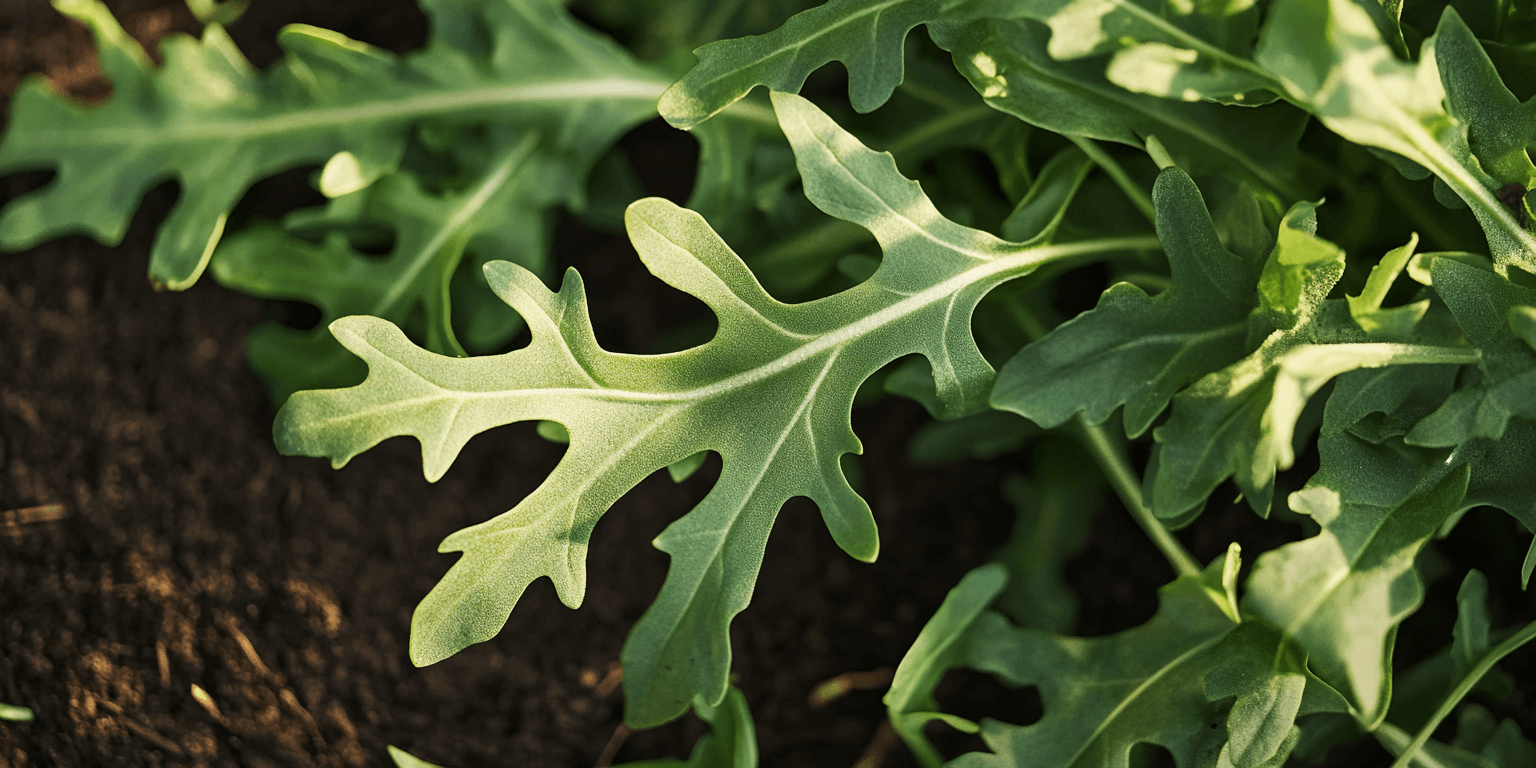
Harvest early in the day for crisp leaves. Cut young for the best flavor.
Ways to harvest:
- Baby greens: Shear above the crown and let regrow.
- Leaf-by-leaf: Pick outer leaves and keep the center.
- Whole head: Cut at the base when full size.
Rinse in cool water, spin dry, and chill right away. Store in a box with a dry paper towel. Fast, gentle care is part of how to grow leafy greens for beginners who want long shelf life.
Simple schedules and weekly checklists
A routine keeps things easy. Short, regular checks beat long, rare work.
Weekly rhythm:
- Monday: Water check and light feed if needed.
- Wednesday: Harvest a bit and scout for pests.
- Friday: Top up mulch, thin dense spots, and sow a new row.
Set a phone reminder for sowing. This habit locks in how to grow leafy greens for beginners with steady harvests.
Common mistakes and quick fixes
Small errors can slow growth. Most are easy to fix.
Watch out for:
- Too much sun and heat: Add shade in the afternoon.
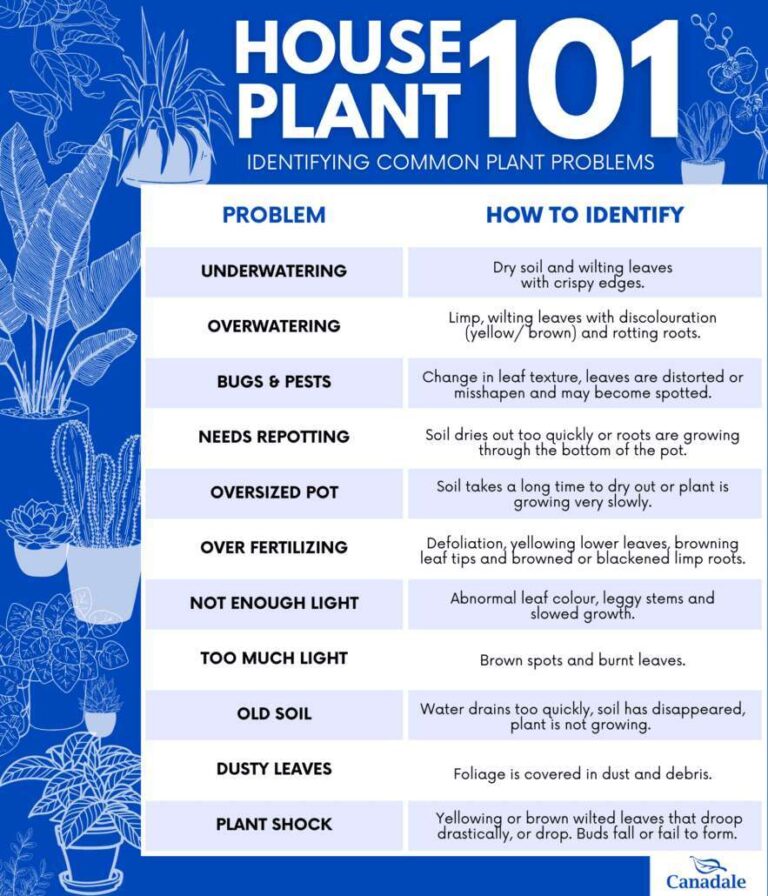
- Overwatering: Let the top inch dry before watering again.
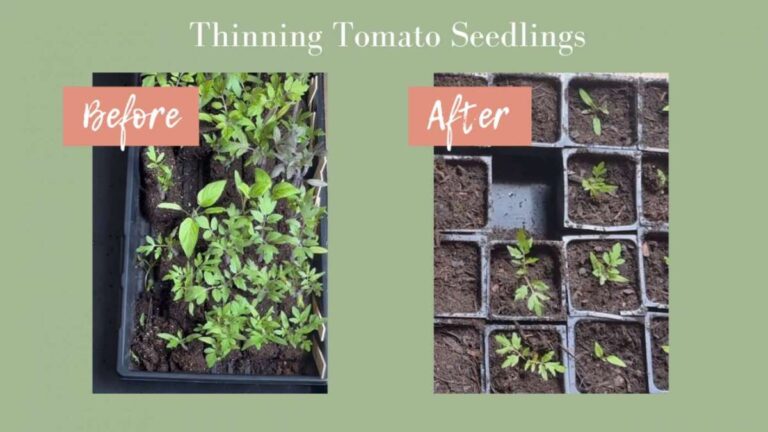
- Crowding: Thin seedlings to give each plant room.
- Heavy feeding: Too much nitrogen can make leaves soft and weak.
- Late planting: Start early in spring and again in fall.
When in doubt, plant again. Fresh seed solves many issues in how to grow leafy greens for beginners.
Advanced but easy: succession, mixes, and small hydro
Level up with simple tweaks. These add variety and speed.
Try these:
- Mix types: Blend lettuce, arugula, and mizuna in one row.
- Succession: Sow small patches every 10 days.
- Cut-and-come-again: Use baby leaf cuts for fast refills.
- Kratky tubs: A bin, nutrients, and net cups can feed you all month.
These tricks turned my balcony into a salad bar. They prove how to grow leafy greens for beginners can be fast and fun.
Budget tools I actually use
You do not need fancy gear. A few low-cost tools do the job.
Helpful items:
- Hand trowel and pruning snips
- Watering can with a fine rose
- Soil thermometer and moisture meter
- Floating row cover and simple clips
- Salad spinner for quick drying
Keep it simple. That is the heart of how to grow leafy greens for beginners without stress.
Frequently Asked Questions of how to grow leafy greens for beginners
What is the easiest leafy green for beginners?
Loose-leaf lettuce is the simplest and most forgiving. It grows fast and handles light heat and low light better than many crops.
How much sun do leafy greens need?
Aim for 4–6 hours of sun a day. Morning sun and light afternoon shade give the best taste and slow bolting.
How often should I water leafy greens?
Keep soil evenly moist. Water when the top inch is dry, and avoid letting pots dry out.
Can I grow leafy greens indoors?
Yes, if you have bright windows or a simple grow light. Use shallow trays, good airflow, and steady moisture.
How do I stop greens from bolting?
Give afternoon shade and steady water. Plant in spring and fall, and choose bolt-resistant varieties.
What spacing should I use?
For baby greens, sow dense and thin to 1–2 inches. For full heads, space 6–12 inches, based on the variety.
How long until harvest?
Baby greens can be ready in 20–30 days. Full heads often need 45–60 days, depending on type and weather.
Conclusion
You can grow crisp, tasty greens with a small space and a simple plan. Pick easy varieties, plant in cool windows, water well, and harvest often. These small habits turn how to grow leafy greens for beginners into a weekly win at your table.
Start a tray this week. Set a reminder to sow again in 10 days. Share your results, ask a question, or subscribe for more fast, practical guides.

Laura Bennett is a gardening writer at MyGardenLabs who creates beginner-friendly guides focused on solving common plant care and gardening problems.